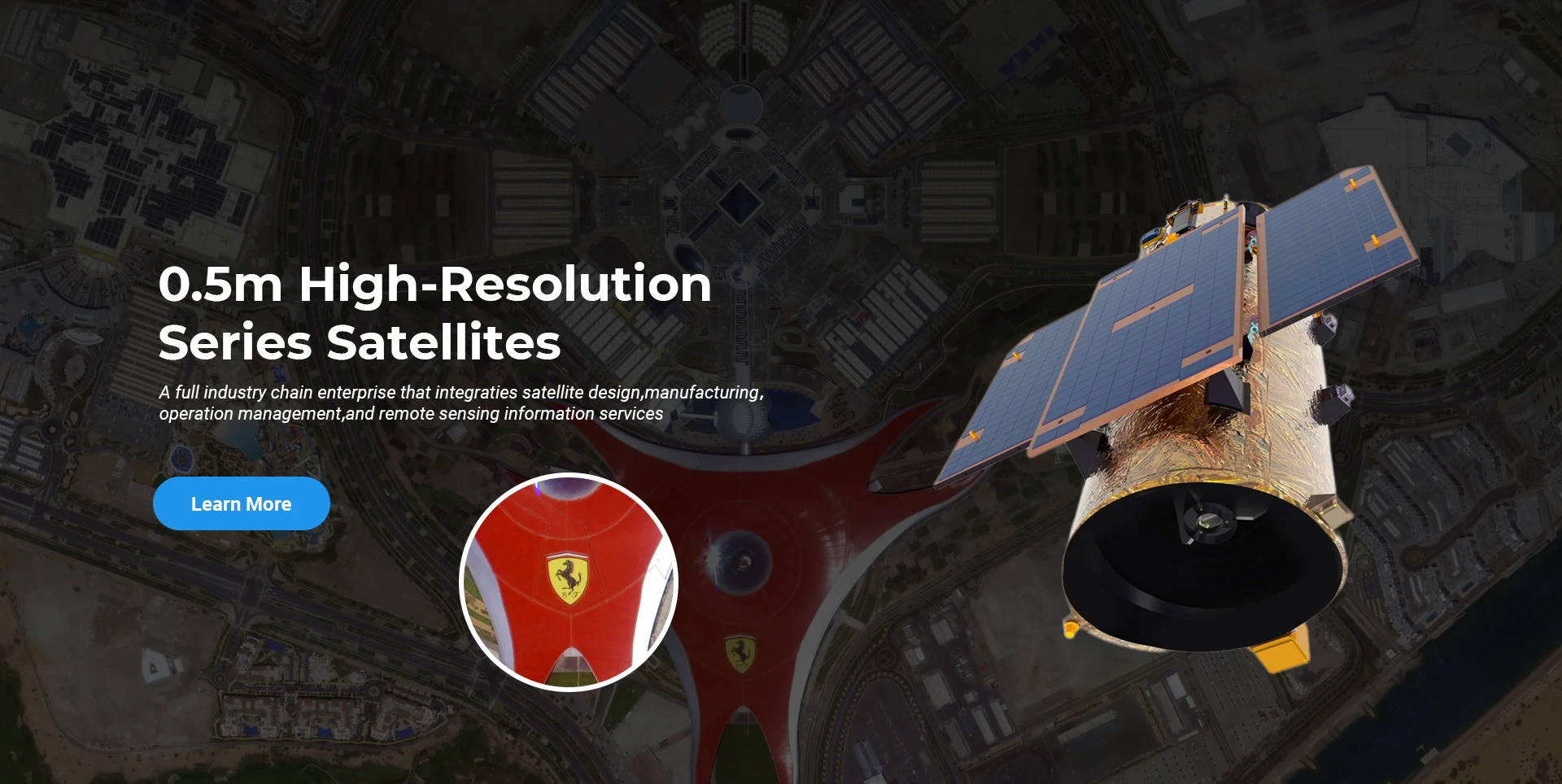
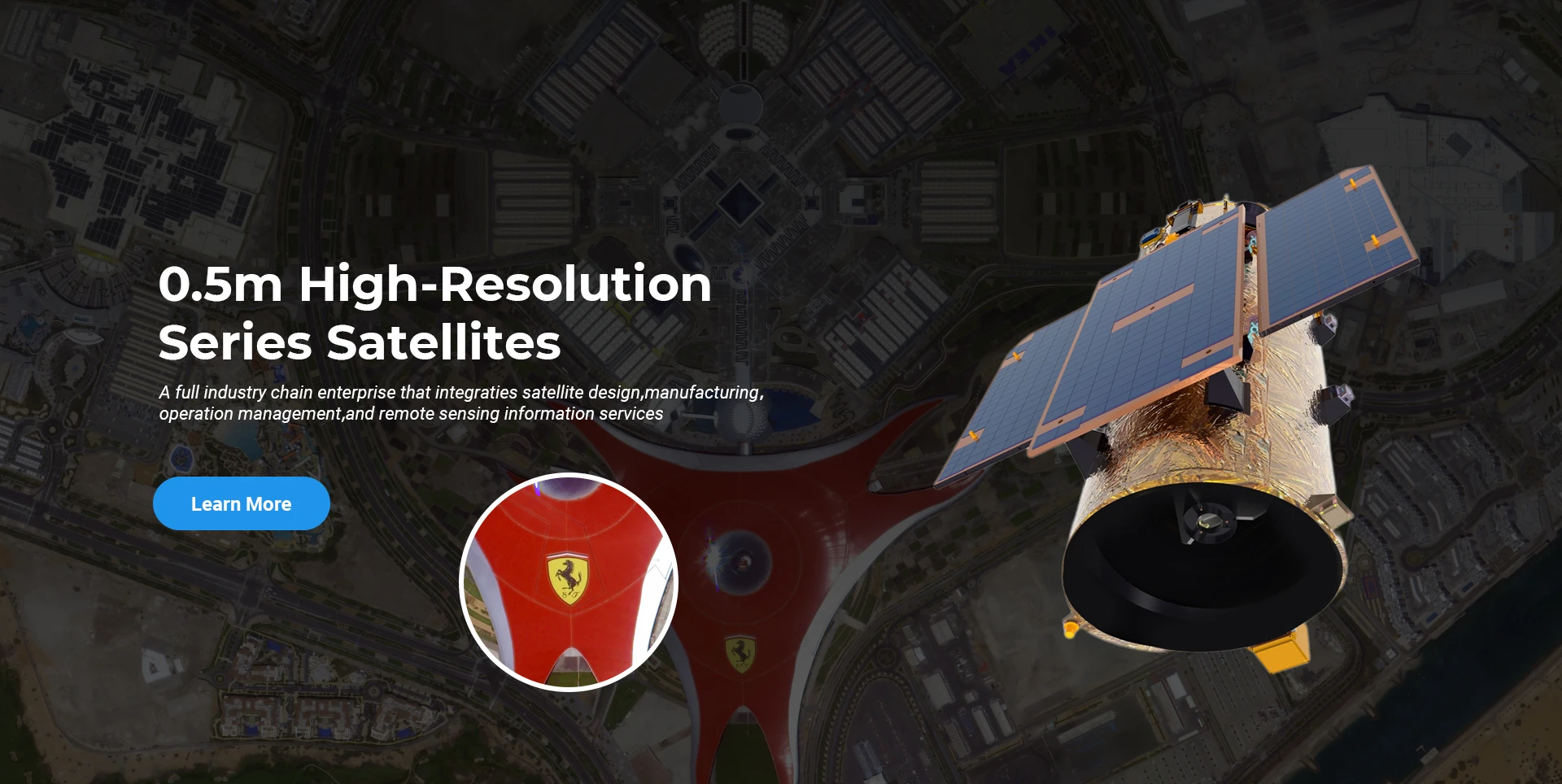
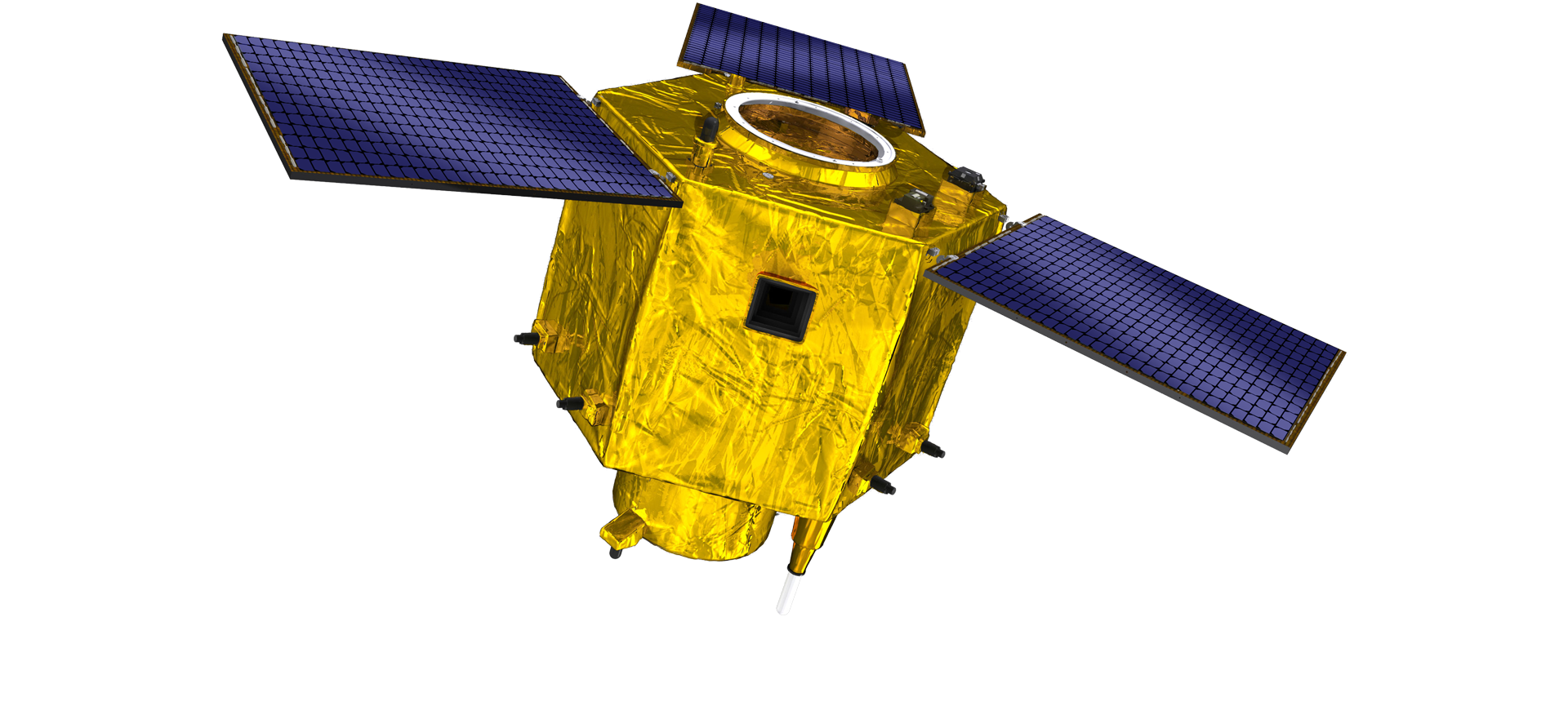
In an era where data drives decision-making, the ability to view the Earth's surface with pinpoint accuracy has become a competitive necessity. high resolution satellite data provides an unprecedented level of detail, allowing industries to monitor assets, track environmental changes, and optimize logistics in real-time. Whether it is urban planning, agricultural management, or disaster response, the transition from medium-resolution imagery to high-definition insights transforms how we interact with our planet. In this guide, we will explore how this technology works and why it is indispensable for modern global operations.
In an era where data drives decision-making, the integration of gis satellite technology has revolutionized how we perceive and interact with our physical world. Geographic Information Systems (GIS), when powered by satellite imagery and positioning, allow organizations to capture, analyze, and visualize complex spatial data with unprecedented precision. From urban planning and environmental monitoring to disaster response and precision agriculture, the synergy between satellite data and GIS software provides a comprehensive view of the earth's surface. This article explores the intricacies of satellite-based GIS, its practical applications, and why it is an indispensable tool for global infrastructure and environmental sustainability.
Geostationary meteorological satellites are a crucial component of modern weather forecasting and climate monitoring. Unlike polar-orbiting satellites which scan the Earth in a north-south direction, geostationary satellites remain fixed over a specific point on the Earth's equator. This unique orbital position allows for continuous monitoring of weather patterns, providing invaluable data for accurate predictions and timely warnings. These satellites play a vital role in tracking hurricanes, monitoring cloud formations, and assessing temperature variations.
The world is increasingly reliant on data for informed decision-making, and satellite imagery is a pivotal source. Thankfully, accessing free satellite data is now more accessible than ever. This article will explore the benefits of utilizing freely available satellite data, the resources available, and how you can leverage this information for a variety of applications. From environmental monitoring to urban planning, the possibilities are vast.
With the large‑scale construction of global low Earth orbit (LEO) satellite constellations, ride‑sharing launches have become a core launch model in the commercial space industry.
Satellite separation systems constitute a critical core link in ride‑sharing launch missions, directly determining the safety of satellite deployment and orbital injection accuracy.
The large-scale deployment of low Earth orbit (LEO) satellite constellations has driven ride‑sharing launches to become the mainstream launch model in the global commercial space industry.