Satellite SFS: Advanced, Reliable Space Solutions
Advancements in Satellite Earth Observation: The Rise of High-Resolution Platforms
The global landscape of Earth Observation (EO) through satellite technology is undergoing a profound transformation. Driven by escalating demands for real-time, high-resolution spatial data, the industry is witnessing a paradigm shift towards more agile, cost-effective, and sophisticated satellite systems. Key trends include the proliferation of CubeSats and small satellites, the integration of AI/ML for on-board data processing, and the development of multi-spectral and hyperspectral imaging capabilities for enhanced data specificity. This evolution is critical for sectors ranging from environmental monitoring and disaster management to agricultural optimization and defense intelligence.
In this rapidly advancing domain, the development of highly specialized satellite platforms, such as the satellite sfs, represents a significant leap forward. These systems are engineered to meet stringent performance requirements, providing unparalleled data acquisition capabilities that empower informed decision-making across diverse B2B applications. The focus on wider swath widths and improved revisit times is directly addressing the industry's need for comprehensive and timely coverage.
The Manufacturing Process of Advanced Small Form-Factor (SFS) Satellites
The production of a modern satellite sfs system, such as the 150km Swath Width Kf Satellite, is a complex, multi-stage process demanding precision engineering, advanced material science, and rigorous quality control. It integrates cutting-edge techniques to ensure the satellite's durability, performance, and reliability in the harsh space environment. This process typically encompasses several critical phases:
Phase 1: Component Manufacturing and Material Selection
- Structural Components: High-strength, lightweight alloys like aluminum 7075-T6 or carbon fiber reinforced polymers (CFRP) are meticulously selected for the primary bus structure. Manufacturing processes include CNC machining for intricate brackets and panels, ensuring precise tolerances.
- Optical Systems: Precision-ground, low-thermal-expansion glass ceramics (e.g., Zerodur, ULE) are used for optical mirrors, often coated with reflective layers via vacuum deposition. Lens elements are carefully cast and polished.
- Electronic Systems: High-reliability, radiation-hardened components are used for on-board computers, power management units, and communication transceivers. PCBs undergo advanced manufacturing techniques, including multi-layer fabrication and stringent solder joint inspections (e.g., IPC-A-610 Class 3).
Phase 2: Subsystem Integration
- Assembly: Components are assembled in a cleanroom environment (e.g., ISO Class 7 or higher) to prevent contamination. This involves precise mechanical fastening, wiring, and thermal bonding.
- Power Subsystem: Solar panels (typically multi-junction GaAs cells) are integrated, along with battery packs (e.g., Li-ion) and power regulation modules.
- Propulsion System: For orbit maintenance and maneuvering, micro-propulsion units (e.g., electric propulsion, cold gas thrusters) are installed, with meticulous attention to fuel line integrity and leak testing.
- Payload Integration: The primary optical payload, crucial for the 150km Swath Width Kf Satellite's mission, is carefully mounted and aligned, often involving interferometric measurements to ensure optical performance.
Phase 3: Rigorous Testing and Verification
Before deployment, each sfs satellite undergoes an exhaustive series of tests to simulate launch and operational conditions:
- Vibration and Acoustic Testing: Simulates launch environment stresses according to standards like MIL-STD-1540E.
- Thermal Vacuum (TVAC) Testing: Subjecting the satellite to extreme temperature cycles and vacuum conditions, mimicking space, to verify thermal control systems and component resilience. This often adheres to ECSS-E-ST-10-03C standards.
- Electromagnetic Compatibility (EMC/EMI) Testing: Ensures that all electronic systems operate without interference, complying with standards such as MIL-STD-461G.
- Functional and Performance Testing: Comprehensive end-to-end testing of all subsystems and payload performance, including optical resolution, radiometric accuracy, and data downlink rates.
The expected service life for such an advanced sfs satellite is typically 5 to 7 years, thanks to robust design and component selection. Target industries benefiting from this level of robust design and performance include petrochemical (pipeline monitoring), metallurgy (resource exploration), and water supply & drainage (infrastructure integrity monitoring). Advantages in these scenarios include energy saving through optimized power systems, and enhanced corrosion resistance via specialized coatings and material selections for external components.
Technical Specifications: The 150km Swath Width Kf Satellite
The 150km Swath Width Kf Satellite is engineered to provide unparalleled performance for a range of Earth observation applications. Its advanced design integrates state-of-the-art optics, robust data processing capabilities, and reliable communication systems to deliver high-quality imagery with impressive coverage. This particular satellite sfs platform sets a new benchmark for small-form-factor observation satellites.
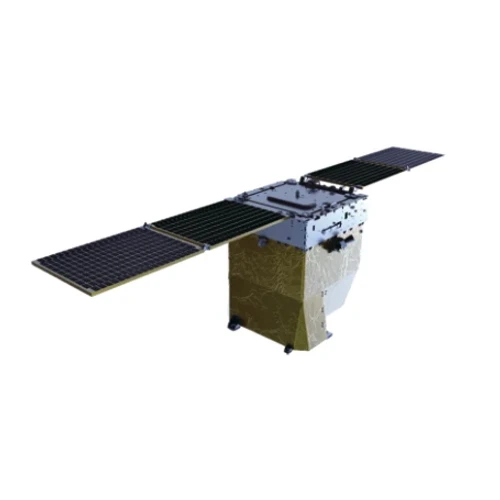
Visual representation of a high-resolution Earth Observation Satellite.
Key Product Specifications
The Kf Satellite's 150 km swath width is a critical differentiator, enabling significantly broader coverage with fewer passes, thereby reducing operational costs and improving data acquisition efficiency for expansive areas. The combination of high spatial resolution and multi-spectral capabilities provides rich contextual information, crucial for precise analytics.
Application Scenarios and Industry Impact
The versatility and high-performance characteristics of the 150km Swath Width Kf Satellite make it indispensable across a multitude of B2B application scenarios. Its ability to capture wide-area, high-resolution imagery efficiently translates into significant operational advantages for various industries.
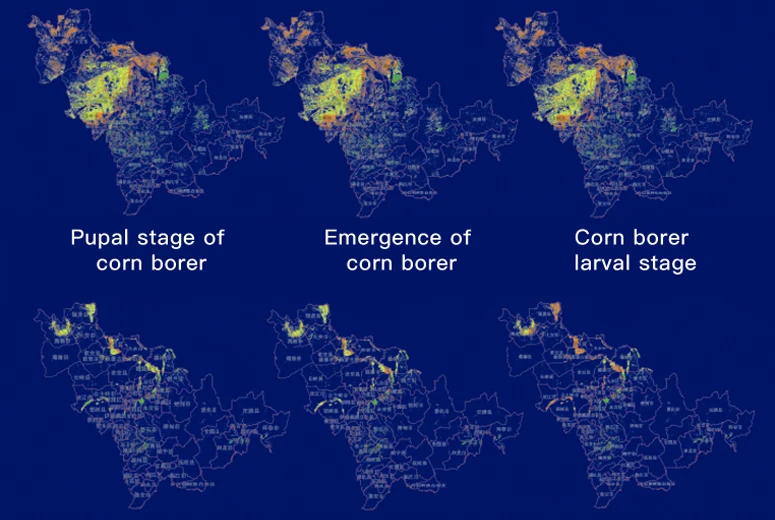
- Agriculture and Forestry: Precision agriculture benefits from monitoring crop health, irrigation patterns, and yield prediction across vast fields. Forestry management utilizes data for deforestation detection, biomass estimation, and illegal logging surveillance. The wide swath width allows for rapid assessment of large agricultural zones.
- Energy and Infrastructure Monitoring: For petrochemical companies, the sfs satellite enables routine inspection of pipelines and remote facilities for leaks, environmental damage, or unauthorized activities. Utility companies can monitor power lines, solar farms, and wind turbine installations over extensive territories, detecting anomalies before they escalate.
- Urban Planning and Development: City planners and real estate developers can track urban expansion, land-use change, and infrastructure projects with high accuracy. This supports smart city initiatives, traffic management, and environmental impact assessments.
- Disaster Management and Humanitarian Aid: Rapid response capabilities are crucial for assessing damage after natural disasters (floods, earthquakes, wildfires). The 150km Swath Width Kf Satellite provides quick and comprehensive mapping of affected areas, guiding relief efforts and infrastructure recovery.
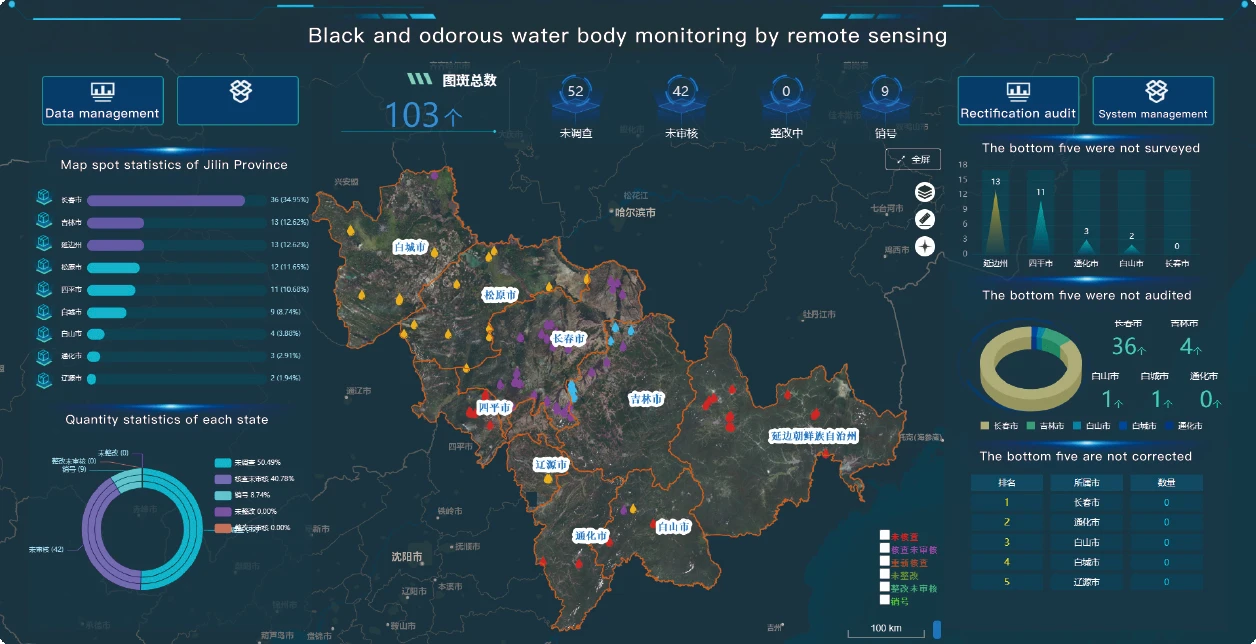
- Environmental Monitoring: Critical for tracking climate change indicators, monitoring water quality in large bodies of water, glacier melt, and ecosystem health. Its spectral bands are calibrated for specific environmental indices.
- Defense and Security: Intelligence agencies leverage the satellite's capabilities for surveillance, border monitoring, and strategic target tracking, providing crucial data for national security operations.
Customer feedback consistently highlights the reliability and precision of data acquired, with one client from a leading energy firm noting, "The ability to cover such a large area with high resolution has revolutionized our pipeline inspection protocols, significantly reducing our field operational costs and response times." This demonstrates the practical, tangible benefits delivered by a sophisticated satellite sfs platform.
Technical Advantages of the 150km Swath Width Kf Satellite
The design and engineering of the 150km Swath Width Kf Satellite deliver a suite of technical advantages that set it apart in the competitive Earth Observation market. These benefits directly translate into superior operational efficiency, data quality, and cost-effectiveness for end-users.
- Exceptional Swath-to-Resolution Ratio: The 150 km swath width combined with sub-meter panchromatic GSD is a critical advantage. This enables extensive area coverage in fewer passes, reducing the time and resources required for comprehensive mapping campaigns compared to narrow-swath, higher-resolution alternatives.
- Advanced Multi-spectral Imaging: Beyond standard RGB, the inclusion of a Near-Infrared (NIR) band enhances capabilities for vegetation indices (e.g., NDVI) and precise agricultural health monitoring, as well as distinguishing certain materials and surface features not visible in the human spectrum.
- Rapid Revisit Capabilities: Optimized orbit and agile pointing mechanisms allow for frequent revisits, crucial for monitoring dynamic events like disaster zones, construction progress, or fleet movements. This daily off-nadir revisit significantly enhances situational awareness.
- Robust Data Handling and Downlink: A high-capacity X-band downlink (up to 500 Mbps) coupled with on-board data compression ensures that vast amounts of captured imagery can be efficiently transmitted to ground stations, minimizing latency in data delivery.
- Compact and Efficient Design: As a leading sfs satellite, its optimized mass (approx. 150 kg) and power consumption allow for more flexible launch options and potentially lower launch costs, making high-quality EO more accessible.
- Long Operational Lifespan: Designed for a 5-7 year service life, the satellite provides a long-term, reliable source of data, maximizing return on investment for clients. This is backed by robust component selection and stringent testing standards (e.g., ISO 9001, AS9100 certified manufacturing processes).
These advantages are not theoretical; they are validated by extensive ground testing and a proven track record from earlier generation spacecraft. Our commitment to ISO 9001 and AS9100 certifications underlines the authoritative quality and reliability embedded in every sfs satellite we deliver.
Vendor Comparison: 150km Swath Width Kf Satellite vs. Competitors
When selecting a satellite Earth Observation solution, B2B decision-makers must consider a range of factors including resolution, coverage, revisit time, and total cost of ownership. The 150km Swath Width Kf Satellite stands out by balancing these critical parameters effectively. Here's a comparative overview against typical offerings in the small satellite and mini-satellite segments:
Comparative Analysis of EO Satellite Platforms
This comparison highlights that while Competitor A offers slightly higher spatial resolution, its significantly narrower swath width means substantially higher operational costs and longer acquisition times for large-area monitoring. Competitor B offers broad coverage but at a resolution that may be insufficient for detailed analysis. The 150km Swath Width Kf Satellite strikes an optimal balance, providing a compelling blend of high resolution and wide coverage, making it ideal for scalable applications that require both detail and breadth.
Customized Solutions for Specialized Missions
Recognizing that standard configurations may not fully address every unique client requirement, we specialize in providing tailored solutions based on our proven satellite sfs platform. Our engineering team collaborates closely with B2B clients to adapt the 150km Swath Width Kf Satellite to their specific mission profiles, ensuring optimal performance and maximum utility.
Areas of Customization:
- Payload Configuration: While the standard payload includes panchromatic and multi-spectral bands, we can integrate specialized sensors such as short-wave infrared (SWIR) for geological mapping or thermal infrared for heat signature analysis. This customization extends to modifying GSD and spectral band definitions.
- Orbit and Constellation Design: For clients requiring specific revisit times or coverage over particular regions, we can advise on optimal orbital parameters or propose multi-satellite constellation designs that leverage multiple sfs satellite units to achieve desired temporal resolutions.
- On-board Processing and AI Integration: For applications requiring immediate data insights, we can implement custom algorithms for on-board processing, such as automated feature detection, cloud masking, or data prioritization, reducing downlink bandwidth requirements and processing time.
- Ground Segment Integration: We offer full-stack solutions, from satellite manufacturing and launch to the development and integration of customized ground station software and data processing pipelines, ensuring seamless operation and data delivery.
- Enhanced Resilience and Radiation Hardening: For missions operating in challenging radiation environments or requiring extended longevity, we can implement additional radiation hardening measures and select specific components with higher tolerance levels.
Our dedicated team works as an extension of your organization, ensuring that the final solution aligns perfectly with your strategic objectives and operational demands. With over 15 years of experience in aerospace engineering and satellite deployment, we bring unparalleled authoritativeness to every customized project.
Application Case Studies: Real-World Impact
The deployment of advanced sfs satellite platforms has yielded tangible, measurable benefits for our clients across various high-stakes industries. These case studies exemplify the practical application and impact of the 150km Swath Width Kf Satellite technology.
Case Study 1: Large-Scale Agricultural Monitoring in the Midwest
A consortium of agricultural firms in the U.S. Midwest required daily, high-resolution imagery across 2 million hectares to optimize crop irrigation and detect early signs of disease. Traditional methods were cost-prohibitive and lacked the necessary temporal resolution. Our deployment of a dedicated 150km Swath Width Kf Satellite significantly enhanced their capabilities. The satellite provided daily multi-spectral imagery with 3.2-meter GSD, enabling the calculation of advanced vegetation indices (e.g., NDRE, EVI). This data allowed farmers to precisely target areas requiring water or nutrient intervention, leading to an estimated 15% reduction in water usage and a 7% increase in crop yield across the monitored area within the first two growing seasons. The wide swath coverage was instrumental in providing rapid, comprehensive updates for large, contiguous land parcels.
Case Study 2: Infrastructure Integrity for Global Energy Company
A major international energy company operating extensive oil and gas pipelines across remote and challenging terrains faced continuous challenges in monitoring pipeline integrity and unauthorized encroachment. Deploying a custom sfs satellite solution, we provided daily panchromatic imagery at 0.8-meter GSD. The satellite's high revisit capability and advanced analytics, integrated with the client's existing geospatial platforms, allowed for automated detection of ground disturbances, construction activities near pipelines, and even subtle signs of environmental changes indicative of potential leaks. This proactive monitoring reduced response times to incidents by 40% and resulted in a 25% decrease in operational expenditure related to manual aerial inspections over a two-year period, demonstrating significant economic and environmental benefits.
Case Study 3: Maritime Domain Awareness for Coastal Security
A national coastal security agency required enhanced maritime domain awareness over its exclusive economic zone (EEZ) to combat illegal fishing and smuggling. The 150km Swath Width Kf Satellite's wide swath and rapid revisit times proved invaluable. By integrating the satellite's imagery with AIS (Automatic Identification System) data, the agency could detect and track non-cooperating vessels, identify suspicious patterns, and direct patrol vessels more efficiently. The multi-spectral capabilities also aided in distinguishing between various vessel types and environmental features. This deployment led to a 30% increase in interdiction success rates within the first year of operation, significantly bolstering national security and resource protection efforts.
Frequently Asked Questions (FAQ)
Q: What is the primary advantage of the 150km Swath Width Kf Satellite's wide swath?
A: The primary advantage is significantly increased area coverage per pass, leading to reduced data acquisition costs, faster mapping of large regions, and more efficient monitoring of dynamic events. This makes the sfs satellite ideal for projects requiring extensive geographical oversight.
Q: Can the 150km Swath Width Kf Satellite operate in all weather conditions?
A: Like all optical satellites, its performance can be affected by heavy cloud cover. However, its high revisit capability allows for multiple imaging opportunities, increasing the probability of capturing cloud-free data. For persistent cloud cover, integration with radar-based satellite data is often recommended.
Q: What kind of data processing and analytics support do you provide?
A: We offer comprehensive post-processing services, including orthorectification, atmospheric correction, mosaicking, and specialized analytics (e.g., change detection, feature extraction, vegetation indices). We can also integrate data into your existing GIS platforms and develop custom AI/ML models for specific needs.
Q: What certifications does your company hold for satellite manufacturing?
A: We adhere to the highest industry standards, including ISO 9001 for quality management systems and AS9100 for aerospace quality management systems. Our components also meet relevant ANSI and ECSS standards, ensuring the utmost reliability and performance for every satellite sfs.
Lead Time, Warranty, and Customer Support
Our commitment to client success extends beyond product delivery. We provide transparent processes, robust warranties, and dedicated support to ensure seamless operation and lasting satisfaction with our sfs satellite solutions.
Lead Time and Fulfillment:
For standard configurations of the 150km Swath Width Kf Satellite, the typical lead time from contract signing to launch readiness is 18-24 months, depending on specific payload integrations and launch vehicle availability. Customized solutions may require an extended lead time, which will be clearly outlined in the project proposal. Our project management team provides regular updates and maintains open communication throughout the entire fulfillment process, from design and manufacturing to launch and in-orbit commissioning.
Warranty Commitments:
Each 150km Swath Width Kf Satellite comes with a comprehensive 5-year in-orbit warranty covering manufacturing defects and performance parameters as per the agreed-upon specifications. This warranty is a testament to our confidence in the quality and reliability of our engineering. Extended warranty options and service level agreements (SLAs) for data delivery and system uptime are also available to provide clients with additional peace of mind.
Dedicated Customer Support:
Our post-launch support includes a dedicated technical support team available 24/7 for critical operational issues. Clients receive access to a secure online portal for submitting requests, accessing documentation, and monitoring satellite health and data acquisition schedules. We also provide ongoing training for client operational teams, ensuring they can maximize the utility of their satellite data. Our long-term partnerships are built on responsiveness, expertise, and a shared commitment to mission success.
References
- European Space Agency (ESA) Earth Observation Programmes. (2023). Retrieved from www.esa.int/Applications/Observing_the_Earth
- NASA Earth Observatory. (2023). Satellite Remote Sensing Principles and Applications. Retrieved from earthobservatory.nasa.gov/features/RemoteSensing
- IEEE Geoscience and Remote Sensing Letters Journal. (Various issues, 2021-2023).
- Aerospace Industries Association (AIA). (2023). Satellite Manufacturing Standards and Practices. Retrieved from www.aia-aerospace.org
- International Organization for Standardization (ISO). (2023). ISO 9001 and AS9100 Quality Management Standards. Retrieved from www.iso.org