SpaceNavis HighResolution Remote Sensing Framework China Suppliers Factory
SpaceNavis HighResolution Remote Sensing Framework China Suppliers Factory
Product Overview
SpaceNavi's High-Resolution Remote Sensing Framework is a cutting-edge precision agriculture solution designed to transform raw satellite imagery into actionable intelligence. By leveraging a multi-source data acquisition system—integrating Jilin-1 and Sentinel-2 constellations—we provide granular monitoring of crop health, soil conditions, and land use, enabling agronomists to move from reactive management to predictive optimization.
Our ecosystem seamlessly fuses high-resolution spectral data with advanced machine learning algorithms and cloud-based analytics. From early pest detection to precise yield forecasting, SpaceNavi creates a "digital twin" of the agricultural landscape, optimizing resource allocation, reducing chemical waste, and maximizing harvest output for corporate agribusinesses and large-scale plantations worldwide.
Detailed Parameters
| Satellite Resolution | 0.5m – 2m (High Resolution) | Data Sources | Jilin-1, Sentinel-2, Drone Imagery |
|---|---|---|---|
| Spectral Bands | Visible, NIR, SWIR, Thermal Infrared | Classification Accuracy | Exceeds 93% - 95% |
| Data Throughput | 10TB+ Weekly Processing Capacity | Yield Forecast Error | < 8% (Industry Avg: 15%) |
| Monitoring Frequency | Daily Overpass / Real-time Drone Sync | Coverage Rate | Up to 98% Total Area Coverage |
| Security Standard | End-to-End Cloud Encryption | Integration Method | API-driven Data Sharing Portals |
Key Advantages
Early Stress Detection
Detect chlorophyll deficiency and water stress via red-edge and thermal mapping before symptoms are visible to the naked eye.
Predictive Forecasting
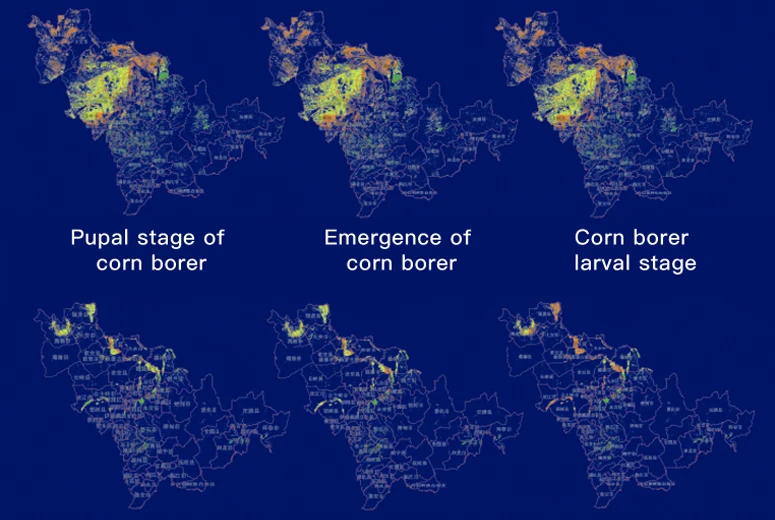
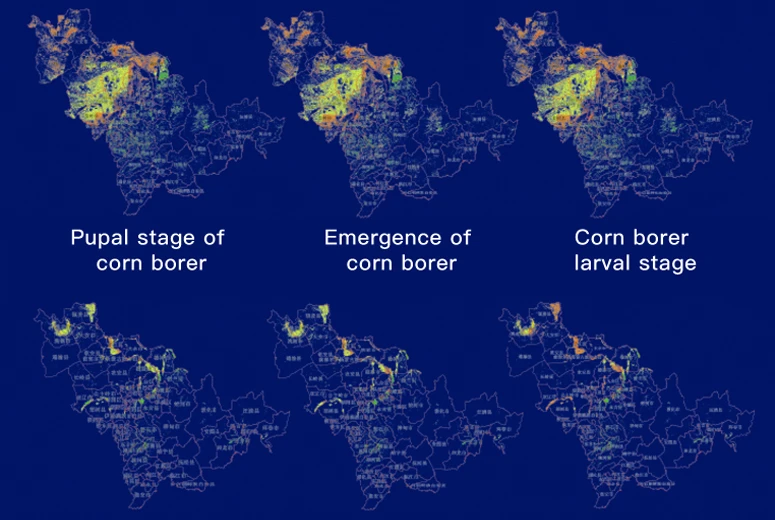
Advanced data correlation provides 7-10 day early warnings for crop diseases and pests using multi-temporal satellite data.
Resource Optimization
Nitrogen fertilizer optimization maps reduce chemical usage by up to 20% while maintaining high crop yields.
Multi-Source Fusion
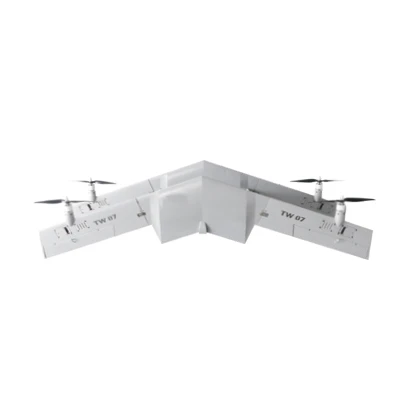
Seamless integration of satellite, sub-1m drone imagery, and in-situ soil sensors for 100% ground-truth accuracy.
Precision Land Survey
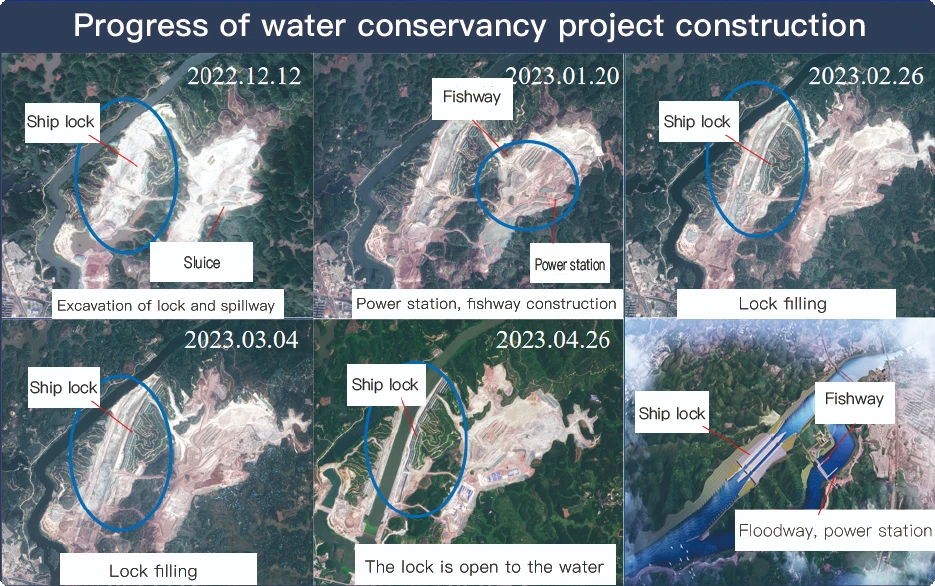
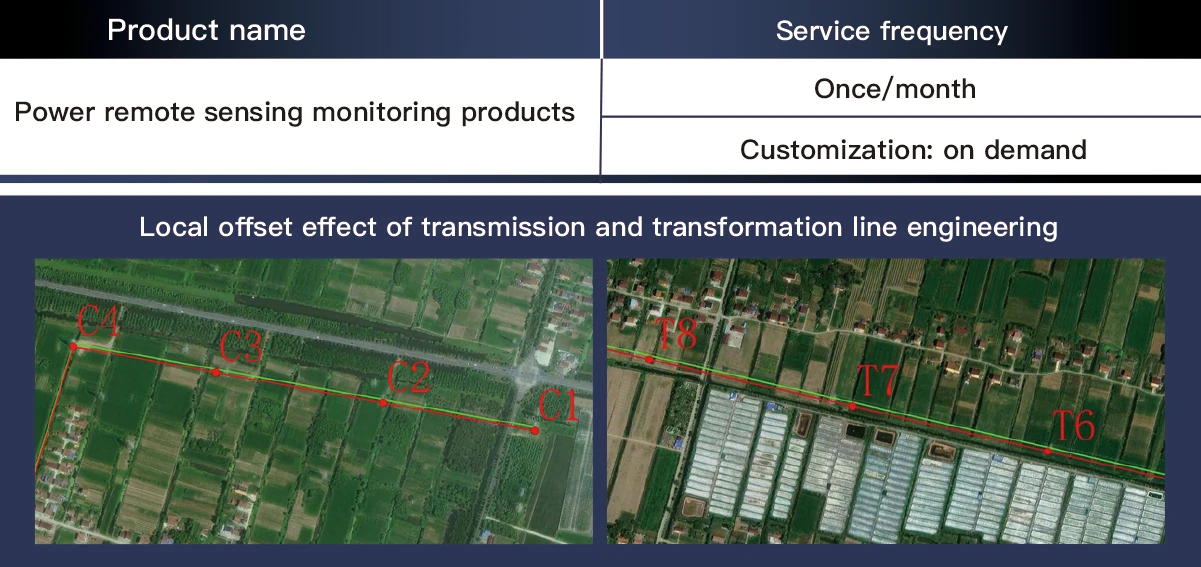
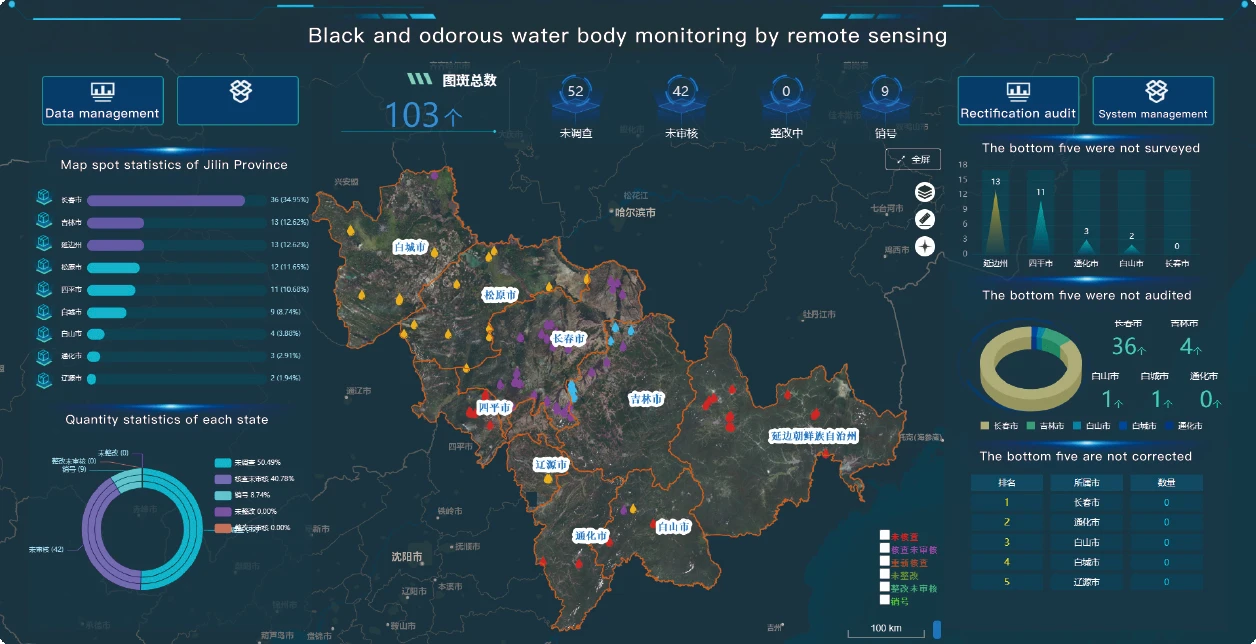
Comprehensive monitoring of cultivated land protection, "non-grain" conversion, and soil quality evaluation.
Scalable Architecture
Cloud-native storage and API portals enable real-time collaboration between farmers, insurers, and researchers.
Product Gallery
Management Platforms
Image Classification Engine
Automated ML workflows to distinguish crop types and detect spectral reflectance patterns of pest infestations.
Data Correlation Center
Links remote sensing data with historical weather and irrigation records to build predictive yield models.
Disaster Warning System
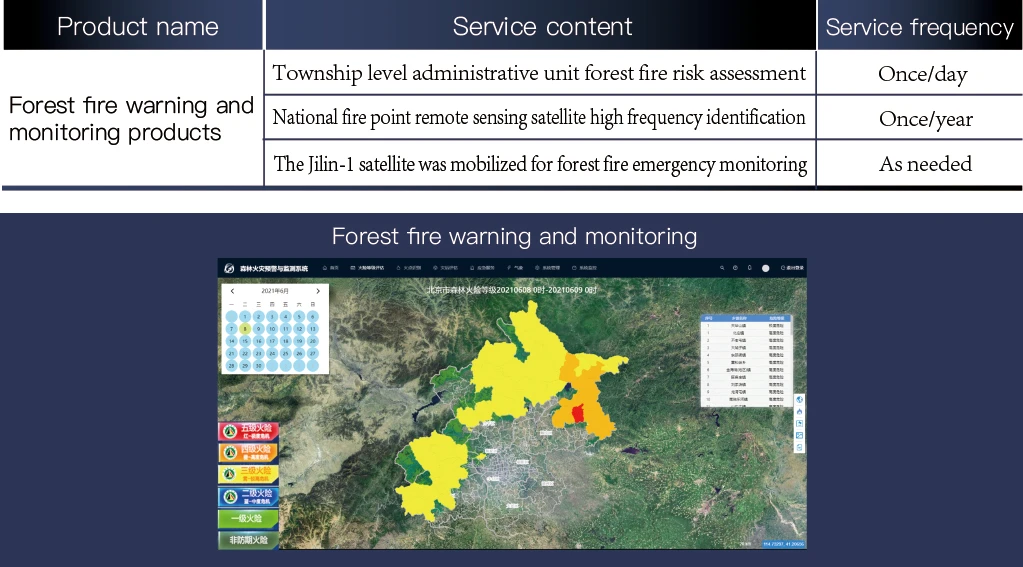
72-hour flood warnings and long-term crop disease forecasts based on multi-temporal satellite analysis.
Insurance Settlement Portal
Accelerates claim settlement via remote crop loss assessment and high-resolution insured subject monitoring.
Cloud Storage Vault
Secure, encrypted storage for terabytes of agricultural data with temporal growth trajectory visualization.
API Collaboration Hub
Real-time data sharing interface for seamless communication between agribusinesses and agronomists.
Investment Return Comparison
| Performance Metric | Traditional Farming | SpaceNavi Precision Ag |
|---|---|---|
| Yield Forecast Accuracy | ~85% (15% Error) | ~92% (8% Error) |
| Nitrogen Fertilizer Use | Standard Baseline | 20% Reduction |
| Decision Lead Time | Weeks/Months | Hours/Days |
| Irrigation Efficiency | Manual/Scheduled | 35% Improvement |
| Pest Detection Speed | Visual Symptom Stage | Pre-Visual Spectral Stage |
Frequently Asked Questions
It allows for "variable rate application" by identifying specific areas of stress (water, nutrient, or pest) through spectral analysis, enabling farmers to apply inputs only where needed, reducing waste and boosting overall productivity.
Satellite data provides regional-scale monitoring and temporal consistency, while drone imagery offers sub-1m resolution for field-level detail. Our system fuses both to eliminate blind spots.
Yes. The system provides objective, time-stamped remote sensing evidence of crop loss and disaster impact, significantly speeding up the verification and claim settlement process.
Using advanced machine learning and spectral analysis, our system achieves between 93% and 95% accuracy in distinguishing between major crop types such as maize and wheat.
By analyzing the "red-edge" band and other spectral anomalies that occur during the early stages of plant stress, the system can predict infestations 7-10 days before they are visible to the human eye.
Absolutely. All data is processed through a cloud-based platform featuring end-to-end encryption and secure API-driven access controls to ensure your operational data remains confidential.