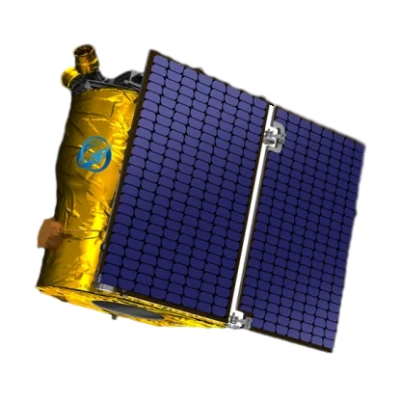
Exploring the Potential of Power Satellites for Global Energy Solutions
Understanding Power Satellites: A Deep Dive
Power satellites, also known as Space-Based Solar Power (SBSP) systems, represent a revolutionary approach to energy generation and distribution. Instead of capturing solar energy on Earth, these satellites collect sunlight in space – where it’s far more intense and consistent – and wirelessly transmit it to ground-based receiving stations. This technology promises a clean, abundant, and globally accessible energy source. At Space-Navi, we’re committed to exploring the future of space technologies, and SBSP is a critical area of innovation. Learn more about our commitment to space exploration and sustainable energy solutions.

How Do Power Satellites Work?
The core concept behind power satellites involves several key components. Large-scale solar arrays are deployed in geostationary orbit (GEO) – approximately 36,000 kilometers above Earth – to maximize sunlight capture. These arrays convert sunlight into electricity. The electricity is then converted into microwave or laser beams, which are directed towards receiving antennas, known as rectennas, located on the Earth's surface. Rectennas convert the wireless energy back into usable electricity for distribution via existing power grids. The efficiency of each step, from solar capture to wireless transmission and reconversion, is paramount for the viability of the system.
Key Components of a Power Satellite System
A fully functional power satellite system isn’t just a satellite with solar panels. It’s a complex integrated system. Essential components include the solar power module (SPM) which houses the solar arrays; the power conditioning and transmission module (PCTM) responsible for converting and beaming the energy; the control and stabilization system to ensure accurate pointing; and the ground-based rectenna complex for receiving and converting the energy. Developing lightweight, high-efficiency SPMs and PCTMs are major technological hurdles currently being addressed.
Key Highlights: Power satellites harness the sun’s energy in space, eliminating weather-related disruptions and offering continuous power generation. Wireless power transmission is a central element, requiring precision and safety.
The Advantages of Space-Based Solar Power
Compared to terrestrial solar power, power satellites offer several distinct advantages. Firstly, they receive significantly more sunlight due to the absence of atmospheric absorption and cloud cover. Secondly, they provide continuous power – unlike terrestrial solar which is intermittent – because they remain in sunlight nearly 99% of the time. This consistent power supply is crucial for grid stability. Thirdly, SBSP can deliver energy to remote or inaccessible locations where building traditional power infrastructure is impractical. While initial investment costs are high, the long-term benefits in terms of energy security and sustainability are substantial. Space-Navi continually monitors advancements in SBSP technology.
Advantages of Power Satellites:
• Higher solar energy capture efficiency
• Continuous power generation
• Global energy access
• Reduced reliance on fossil fuels
Power Satellite Technologies: A Comparative Overview
Different approaches are being explored for implementing power satellites. These include using microwave transmission versus laser transmission, different satellite configurations (single large satellites vs. constellations of smaller satellites), and various rectenna designs. Microwave transmission is more established but suffers from wider beam divergence, requiring larger rectennas. Laser transmission offers a narrower beam, enabling smaller rectennas but is more sensitive to atmospheric conditions. The choice of technology will depend on factors such as cost, efficiency, and environmental impact.
Challenges and Future Prospects
Despite its potential, power satellites face significant challenges. The high upfront costs of development and deployment are a major hurdle. Concerns about the environmental impact of microwave or laser transmission and the potential for interference with other space activities also need to be addressed. Furthermore, international regulations governing the use of space-based power transmission are still evolving. However, ongoing research and development efforts, coupled with growing interest from governments and private companies, suggest that power satellites could become a reality in the coming decades. Space-Navi provides updates on these advancements.

Conclusion: A Bold Vision for the Future of Energy
Power satellites represent a bold and ambitious vision for the future of energy. While challenges remain, the potential benefits – clean, abundant, and globally accessible power – are too significant to ignore. As technology advances and costs decrease, SBSP could play a critical role in addressing the world’s growing energy needs and mitigating climate change. Space-Navi will continue to track the development of this exciting technology and provide insights into its potential impact.
Frequently Asked Questions (FAQs)
What is the estimated cost of developing and deploying a power satellite system?
Estimates vary widely, but initial development and deployment of a pilot power satellite system could easily exceed tens of billions of dollars. The high costs are driven by the need for advanced space-based manufacturing, large-scale solar array deployment, and precise wireless power transmission technology. Significant investments in research and development are crucial to bring down these costs. Future cost reductions are anticipated through economies of scale, reusable launch systems, and advancements in material science. A full-scale, operational system could require hundreds of billions of dollars in investment, potentially necessitating international collaboration and public-private partnerships.
Are there any environmental concerns associated with power satellite technology?
Several environmental concerns need to be carefully addressed. These include the potential impact of microwave or laser transmission on wildlife and ecosystems, the risk of interference with radio communications, and the environmental impact of rocket launches. Furthermore, the disposal of decommissioned satellites poses a challenge. Researchers are actively working on mitigation strategies, such as optimizing transmission frequencies to minimize interference and developing environmentally friendly de-orbiting procedures. Thorough environmental impact assessments are essential before deploying large-scale SBSP systems.
What role will international cooperation play in the development of power satellites?
International cooperation is critical for the successful development and deployment of power satellites. The sheer scale and cost of these projects necessitate collaboration between governments, space agencies, and private companies from around the world. Harmonizing regulations for space-based power transmission and ensuring equitable access to this energy source are also essential. Furthermore, international agreements are needed to address potential concerns about interference and security. Space-Navi believes collaboration is key to unlocking the full potential of SBSP.