Satellite Parts and Functions: Insights from the Industry
Understanding Satellite Parts and Functions: A Veteran’s View
If you’ve ever been in the thick of industrial equipment work—especially in aerospace or satellite assembly—you quickly realize that satellites are far more than just shiny objects orbiting Earth. Each part, every component, plays a vital role in keeping those machines humming up there. I’ve spent years observing how satellites come together and how their functions mesh perfectly to survive something as harsh as space.
Now, before we dive deep, I want to highlight the incredible resources you can find at space-navi.com. They offer some solid insight and real-world specs, which, frankly, have saved me on more than one occasion.
The Big Players: Satellite Components That Matter
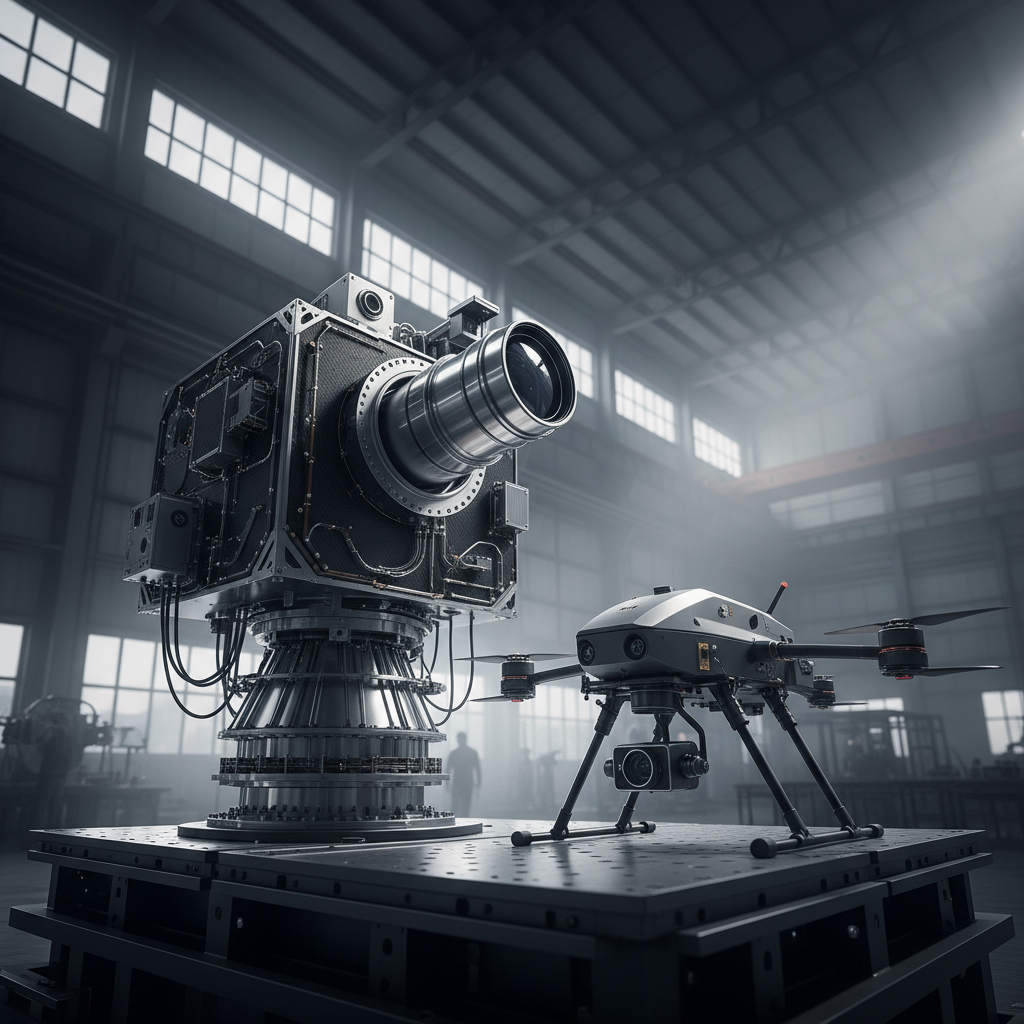
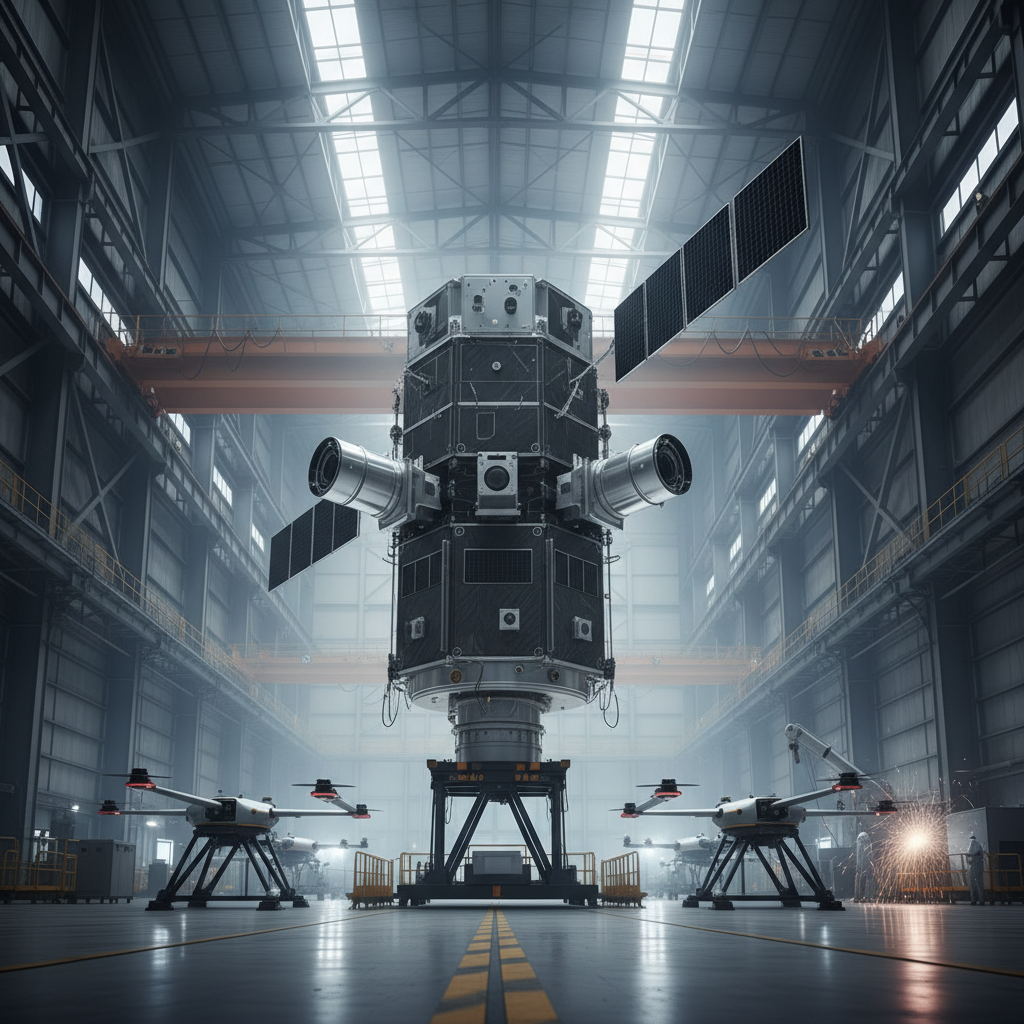
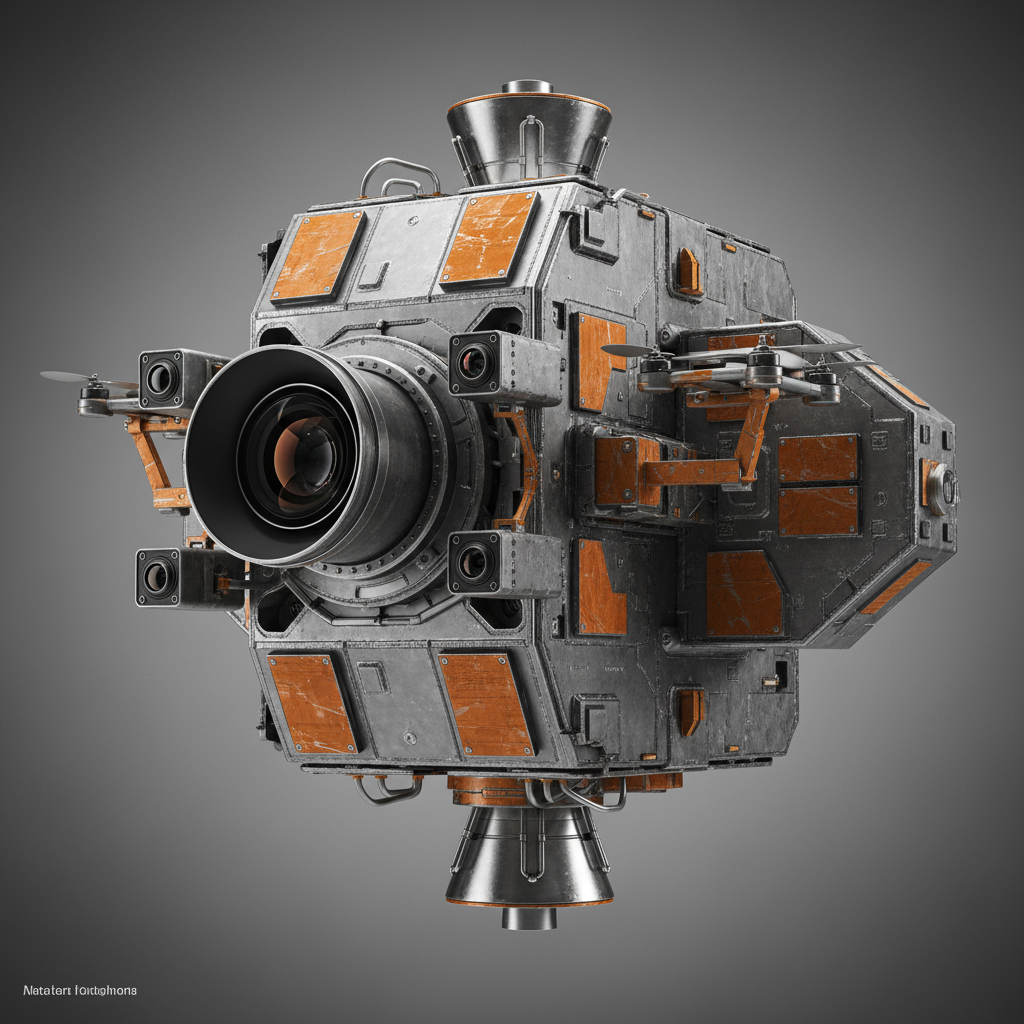
Looking at a satellite, the parts might seem bewildering at first: antennas poking out, solar panels unfolding, thrusters tucked beneath. But each has a job. I always tell new engineers that if you imagine the satellite as a living being, these parts are its organs.
- Power subsystem: Solar panels + batteries give the life force.
- Communication module: Antennas and transponders connect the dots across miles.
- Thermal control: Keeping things neither too hot nor too cold; a tough call out there.
- Propulsion system: For orbit correction and maneuvering—crucial for longer missions.
- Onboard computer: The brain that processes data and commands.
Each of these components must meet strict standards, because one minor fault can spell mission failure. In real terms, the testing tests everything—from vibration resilience to radiation hardening.
Satellite Parts and Functions: Product Specifications at a Glance
| Component | Function | Typical Specifications |
|---|---|---|
| Solar Panels | Power generation | Efficiency: 29-33%, 200-300 W/m² |
| Antenna Array | Communication (transmit & receive) | Frequency: 1-40 GHz, gain: 20-40 dBi |
| Propulsion Thrusters | Orbital adjustments | Thrust: 10-50 N, type: electric/chemical |
| Thermal Radiators | Heat dissipation | Surface area: varies, emissivity: 0.85+ |
| Onboard Computer | Command & control | Processor: radiation-hardened, memory: 256MB-1GB |
Choosing the Right Satellite Parts Supplier
One strange thing I noticed over the years? The difference in how suppliers handle testing & customization. Some take pride in tailor-fitting components for clients, while others offer standard off-the-shelf parts. Oddly enough, that choice really depends on your mission profile. For instance, in a private telecom satellite I was involved with, the team insisted on custom thrusters to extend lifespan.
| Vendor | Core Strength | Customization Options | Lead Time | Typical Clients |
|---|---|---|---|---|
| OrbitalTech | Standardized parts, reliable quality | Low (mostly catalog items) | 6-8 weeks | Large constellations |
| SpaceCore Components | Advanced propulsion systems | High (custom thrusters & assemblies) | 12-14 weeks | Government & private missions |
| NaviSat Parts | Communication modules | Medium (modular designs) | 8-10 weeks | Commercial operators |
Honestly, there’s no one-size-fits-all answer here. Depending on your satellite’s mission — be it communications, meteorology, or scientific exploration — your parts and suppliers have to align perfectly. I remember a client who initially went with a cheaper propellant thruster to save budget, but after orbit changes proved inadequate, they switched vendors. Lesson learned: quality speaks for itself.
Final Thoughts on Satellite Parts and Functions
The field never stops evolving. Materials get lighter, circuits more compact. But fundamentally, satellites remain intricate machines designed to work flawlessly in one of the most hostile environments imaginable.
For anyone diving into this sector, whether as a buyer, assembler, or engineer, keep in mind that knowing your parts well isn’t just good practice—it’s mission-critical. And don’t forget to visit sites like space-navi.com to stay in the loop. After all, space might be infinite, but your project’s timeline certainly isn’t.
— Sharing a few notes from years of handling satellite gear. Sometimes the best lessons are those you learn the hard way.
References
- Satellite Systems Engineering, 3rd Ed., Wiley-IEEE Press
- Space Component Testing Standards, ESA Technical Notes
- space-navi.com — Satellite product catalogs and technical data