Satellite Imagery & SAR Data: Fast Acquisition, Scalable
Farming Decisions, Made Visible by Satellite Imagery
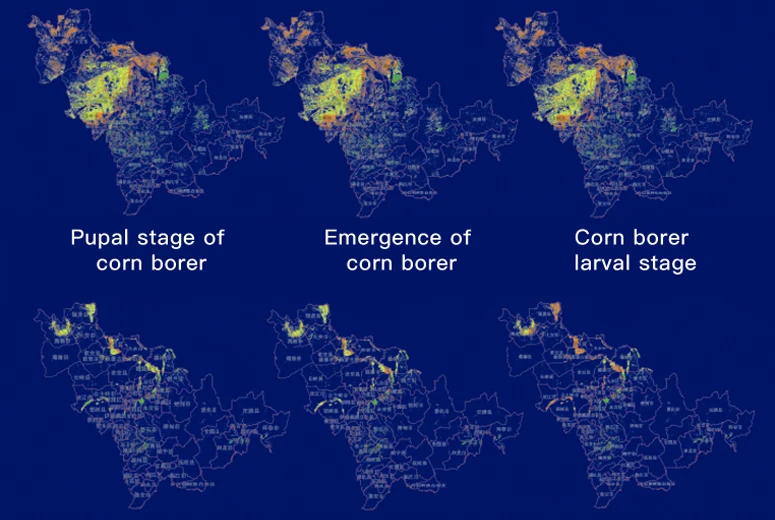
If you’ve ever tried to time a harvest with the weather app open in one hand and a phone full of field photos in the other—same here. The difference now is that Satellite Imagery has grown up: daily revisits, radar that sees through clouds, and machine learning that flags risk before your agronomist even books a truck.
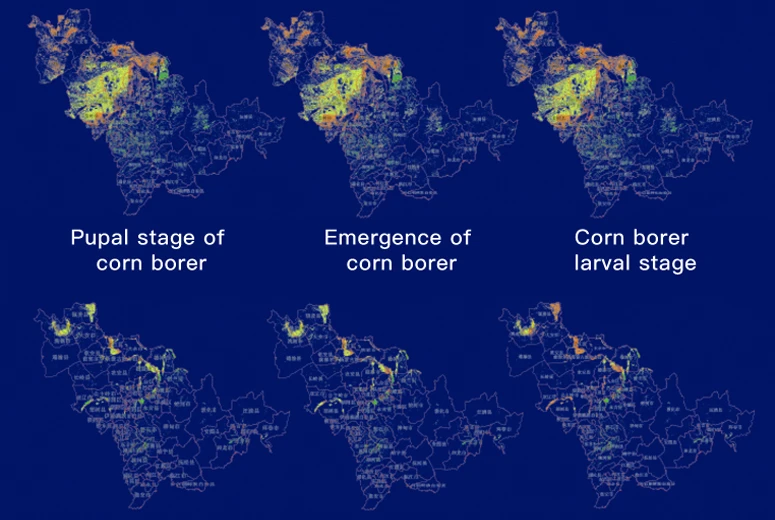
What’s new and why it matters
Three converging trends are reshaping farm intelligence: higher revisit rates (hours to days), open data from public constellations, and robust “analysis-ready” standards. Honestly, five years ago this was patchy. Today, multi-temporal stacks and SAR+optical fusion make early warning not just plausible—routine for serious operators.
The product in one glance: Agricultural Application
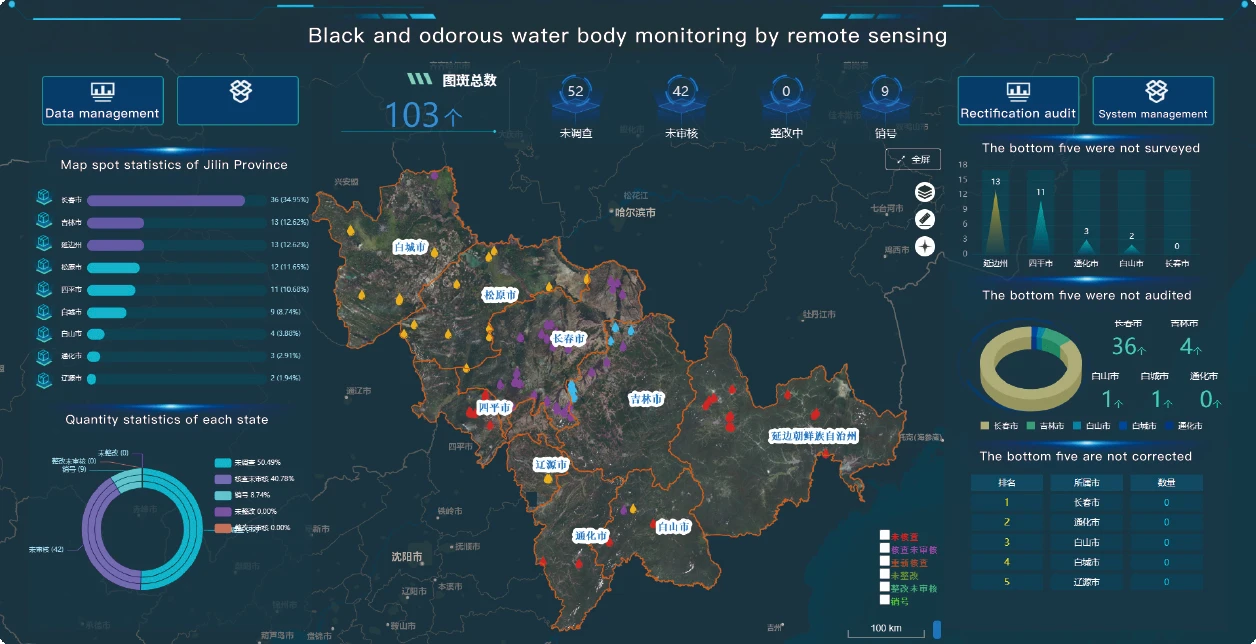
Built in Changchun—Origin: No. 1299 Mingxi Road,Beihu Science and Technology Developmeent Zone,Changchun,Jilin Province—the Agricultural Application taps Satellite Imagery, climate reanalysis, and crop maps to forecast stress and trigger alerts for different crops. It’s practical, and, to be honest, pleasantly no‑nonsense.
Product specifications (indicative)
| Data inputs | Sentinel‑2 (10 m), Landsat 8/9 (30 m), C‑band SAR; climate (ERA5), crop distribution (national stats/FAO layers) |
| Revisit & latency | ≈1–5 days revisit; alert latency ≈12–48 h (real‑world use may vary) |
| Indices & features | NDVI, EVI, NDWI, SAR backscatter/time‑series trend, LST proxies, anomaly scores |
| Forecast horizon | Up to 30–90 days early warning (crop and region dependent) |
| Output formats | Web map, GeoTIFF, shapefile/GeoJSON, API/tiles |
| Standards & metadata | CEOS ARD-aligned inputs; ISO 19115/19157 metadata & quality elements |
| Service life | Backed by public fleets with ≈5–12 yr satellite lifetimes; models retrained seasonally |
How it works (process flow)
Materials: multi-temporal Satellite Imagery (optical + SAR), climate normals/anomalies, crop masks. Methods: atmospheric correction (e.g., Sen2Cor), cloud/shadow masking (Fmask), BRDF/terrain normalization, CEOS ARD compliance checks; feature engineering (NDVI/EVI/SAR coherence), model ensemble (XGBoost + LSTM for time-series), thresholding for drought/flood/pest risk. Testing standards: ISO 19157 data quality reporting, cross-validated F1/ROC; geolocation checked against known ground control (CE90 targets). Industries served: row crops, specialty crops, insurers, lenders, commodity buyers, provincial ag bureaus.
Where people use it (scenarios)
- Early drought stress alerts to prioritize irrigation windows.
- Flood mapping after extreme rain—SAR sees through clouds, which is a lifesaver in monsoon season.
- Yield-risk scoring for lending/insurance underwriting.
- Procurement teams tracking crop progress to de-risk contracts.
Vendor snapshot (shortlist)
| Vendor | Resolution / Revisit | Strengths | Notes |
|---|---|---|---|
| Space‑Navi Agricultural Application | 10–30 m / ≈1–5 days | Forecast + alerts, CEOS ARD inputs, regional tailoring | Best for large-area risk monitoring |
| Planet (PlanetScope) | ≈3–5 m / daily | Very high revisit, field-level detail | Licensing costs can add up |
| Sentinel Hub | 10–20 m / 2–5 days | Flexible APIs, rapid prototyping | BYO analytics stack |
| Maxar (optical) | 0.3–0.6 m / days–weeks | Ultra-high-res for audits | Not ideal for daily agronomy at scale |
Customization and quality
Teams can tune AOIs, crop lists, alert thresholds, delivery (API/email/dashboard), and language. QC is logged against ISO 19157 elements; typical geolocation error aligns with public mission specs (≈10–12 m CE90 for Sentinel‑2). Several customers say the “no‑surprise” alert cadence is the subtle killer feature.
Field notes (case)
In a rice pilot in Jilin, a co‑op used Satellite Imagery alerts to resequence irrigation after a cold snap; procurement reported fewer quality downgrades and—surprisingly—less diesel burned thanks to better route planning. Internal validation suggested F1 scores around 0.8 for drought flags; real‑world performance varied with cloud cover and planting density.
Citations:
- CEOS. Analysis Ready Data (ARD) for Land. https://ceos.org/ard/
- ESA. Sentinel‑2 Mission Overview & Products. https://sentinel.esa.int/
- USGS. Landsat 8–9 Science Data Users Handbook. https://www.usgs.gov/landsat-missions
- FAO. Remote Sensing for Agricultural Monitoring. https://www.fao.org/geospatial/
- ISO 19115/19157 Geographic information — Metadata & Data quality. https://www.iso.org/