Satellite Components: Insights from Industry Veterans
A Closer Look at Satellite Components: What You Really Need to Know
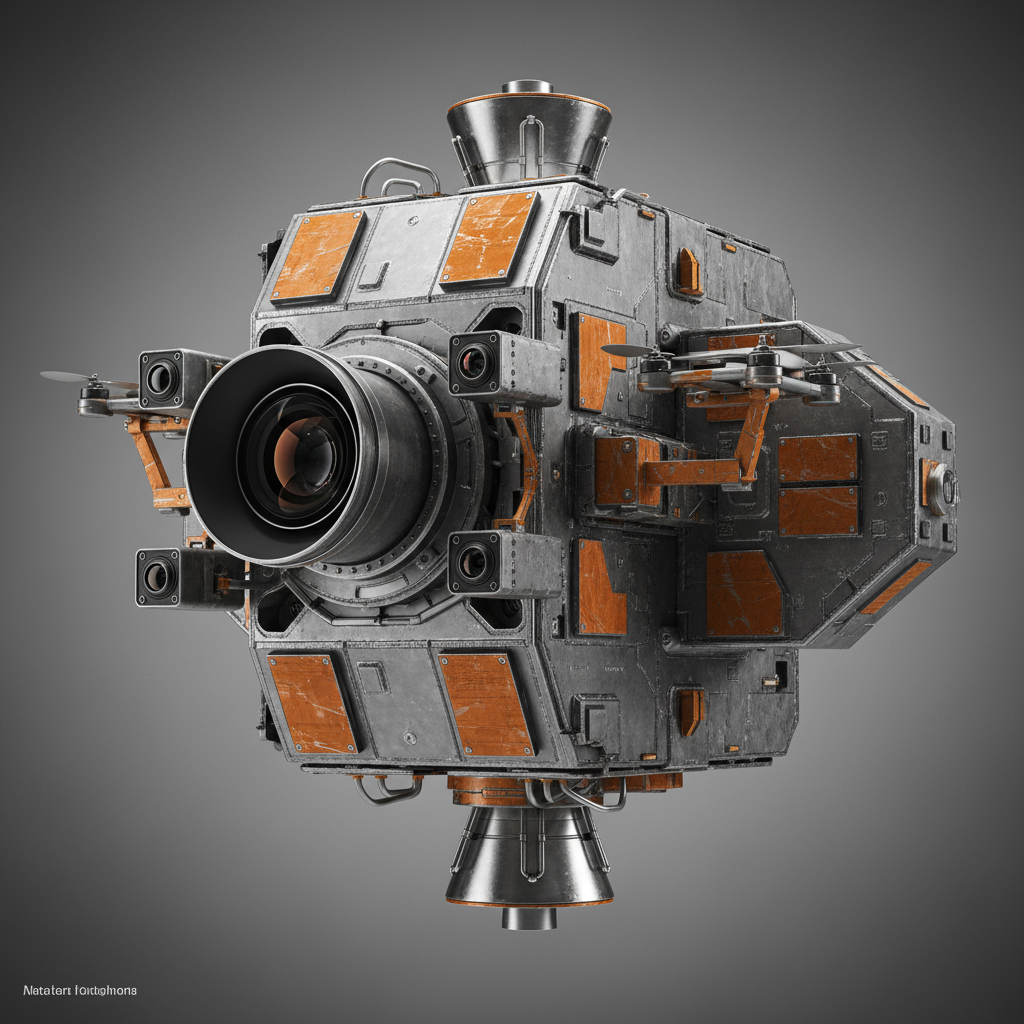
Having spent a good chunk of my career knee-deep in satellite assembly lines and quality inspection bays, I can tell you: talking satellite components isn’t just about fancy metal bits floating in space—it’s about precision, resilience, and, frankly, a bit of engineering magic. Each tiny part counts, and their interplay determines if a satellite achieves orbit or ends its life as space debris.
Oddly enough, the first thing many overlook is materials. From advanced alloys to ceramics and composites, the choice here defines durability and weight — and weight is everything when launching into orbit. I recall a project where swapping a traditional aluminum frame for a titanium-aluminum composite shaved well over 10% off the satellite's mass. That saved thousands of dollars in launch costs alone. Of course, these materials come at a premium, but when reliability is the game, corners don’t get cut.
Design, Durability, and Testing: Where Satellite Components Shine
Many engineers swear by modular designs — making replacement and upgrades somewhat smoother. There's a beauty in mounting brackets or transceiver modules that fit precisely like puzzle pieces, backed by rigorous environmental testing that simulates everything from extreme cold to radiation bursts. To me, there’s a craft here; it’s equal parts science and art.
Testing rigs tend to be brutal on components—thermal cycling, vacuum chambers, vibration tables—you name it. You really get a feel for the quality then. Over the years, I noticed a trend toward more integrated diagnostics built right into components, which helps with predictive maintenance once the satellite’s in operation.
Satellite Components: Picking the Right Vendor Matters
Choosing the right partner to source your parts can make all the difference. Some vendors excel in speed but slip slightly on documentation; others are the opposite. I’ve seen projects delayed because a vendor didn’t have the appropriate certification or changed a material spec at the last minute. So trust and transparency—those intangible qualities—are worth their weight in gold.
| Component | Material | Weight (grams) | Operating Temp (°C) | Radiation Hardness |
|---|---|---|---|---|
| Transceiver Module | Ceramic Composite | 120 | -40 to 85 | 50 krad |
| Power Regulator | Aluminum Alloy | 75 | -20 to 60 | 30 krad |
| Antenna Frame | Titanium-Aluminum | 200 | -50 to 90 | 45 krad |
In practical terms, I’ve always recommended looking for satellite components vendors with proven aerospace certifications and responsive support teams. It just saves headaches down the line.
| Vendor | Certification | Lead Time | Customization | Customer Support |
|---|---|---|---|---|
| OrbitalTech Ltd. | ISO 9001, AS9100 | 4 weeks | High | 24/7 Phone & Email |
| Galactic Components | AS9100 | 6 weeks | Medium | Business Hours Only |
| SpaceAxis Inc. | ISO 9001 | 3 weeks | Low | Email Only |
To wrap up, satellite components are a curious mix of ultra-technical specs and trust in your partners. I always remind young engineers on the floor that no matter how cool the tech looks on paper, it’s the real-world tests and genuine vendor support that carry your satellite safely above the atmosphere.
And if you’re scouting for suppliers, don’t forget to check out resources like satellite components directories — they often have the most up-to-date offers and industry news.
One last thing — satellite tech moves fast, but some principles never change. Build smart, test thoroughly, and keep your suppliers close. Simple, but not easy.
A Few Takeaways
- Material choices impact weight, cost, and reliability more than you might expect.
- Testing beyond specs is the secret sauce — your satellite will thank you later.
- Vendor reliability can make or break your schedule and trust me, you don’t want surprises mid-project.
References:
1. Aerospace materials trends, Journal of Space Engineering, 2022
2. Satellite component testing case study, SpaceTech Monthly, 2023
3. Industry vendor certification guide, Space-Navi