
Robust Thermal Control System Components for Space & Cycling
Introduction to Advanced Thermal Management
In today's rapidly advancing technological landscape, the reliable operation of sophisticated electronics and high-power systems hinges critically on efficient thermal management. As devices become more compact and power densities increase, the challenge of dissipating waste heat effectively intensifies. A fundamental component in addressing these challenges is the advanced heat pipe, particularly those leveraging phase transformation principles. These innovative thermal solutions are indispensable for maintaining optimal operating temperatures, preventing performance degradation, and extending the lifespan of critical systems across diverse industries. This article delves into the intricacies of the Phase-Transformation Heat Pipe, highlighting its pivotal role in contemporary thermal control systems, from satellite platforms to industrial applications.
The demand for robust thermal solutions is driven by trends such as miniaturization and the increasing power requirements of modern electronics. Components must withstand rigorous environmental conditions, including significant thermal cycling, without compromising performance. Traditional cooling methods often fall short in these demanding scenarios, necessitating the adoption of more advanced, passive, and highly efficient technologies. The Phase-Transformation Heat Pipe emerges as a superior solution, offering unparalleled heat transfer capabilities and reliability, making it a cornerstone for future-proof designs.
Understanding the Phase-Transformation Heat Pipe: A Critical Component
The Phase-Transformation Heat Pipe operates on the principle of latent heat of vaporization, providing an extremely efficient means of heat transfer. It's a sealed vacuum vessel containing a working fluid and a wick structure. When heat is applied at the evaporator section, the working fluid vaporizes, absorbing a large amount of energy. The vapor then travels to the condenser section, where it releases this latent heat, condenses back into liquid, and returns to the evaporator via capillary action through the wick. This continuous cycle enables the rapid and efficient transfer of significant amounts of heat over considerable distances with minimal temperature drop. This passive and highly effective mechanism makes it a superior choice over solid conduction paths, particularly where precise temperature control and high heat flux management are paramount.
Crucially, this type of heat pipe excels in environments subject to severe thermal cycling, a common challenge in aerospace and high-performance computing. The robust design and sealed nature minimize degradation over repeated temperature fluctuations, ensuring long-term stability and performance. Its ability to maintain isothermal conditions makes it an ideal component for delicate electronics. This technology is fundamental to advanced thermal control systems, which are designed to manage heat loads across a spectrum of applications, from terrestrial data centers to critical space missions on a satellite platform.
Manufacturing Process and Quality Assurance for This Essential Component
The manufacturing of a high-performance Phase-Transformation Heat Pipe, a sophisticated component, demands precision engineering and stringent quality control. The process begins with selecting high-purity materials to ensure longevity and prevent contamination.
- Material Selection: Casings are typically made from seamless copper tubing for applications up to 250°C (with water or acetone as working fluid) or aluminum alloys/stainless steel for cryogenic or high-temperature applications (with ammonia or methanol). Wick structures are fabricated from sintered copper powder, fine mesh screens, or intricate grooved designs, chosen based on specific capillary performance and heat transfer requirements.
- Fabrication & Assembly: The tubing undergoes precise CNC machining for end caps and connection points, followed by meticulous cleaning to remove all contaminants. The wick structure is then carefully inserted. Advanced manufacturing processes, such as vacuum brazing or orbital welding, are employed to create an impenetrable, hermetically sealed envelope, crucial for long-term reliability.
- Evacuation & Charging: The assembled heat pipe undergoes a rigorous multi-stage vacuum baking process to remove all non-condensable gases and residual moisture. This is vital for optimal performance. Following evacuation, a precise amount of high-purity working fluid is charged into the pipe under vacuum conditions before final sealing.
- Testing and Verification: Each Phase-Transformation Heat Pipe is subjected to comprehensive testing. This includes leak detection (e.g., using a helium mass spectrometer to detect leaks down to 10⁻¹⁰ std cm³/s), thermal performance validation (measuring heat transport capacity and thermal resistance), and pressure testing. Products adhere to international standards such as ISO 9001 for quality management and, for space-grade components, specific ECSS (European Cooperation for Space Standardization) standards like ECSS-E-ST-50-00C for thermal design and testing.
This meticulous manufacturing and testing regimen ensures an operational lifespan of 15 years or more, especially vital for long-duration space missions. The hermetically sealed nature of the component and selection of inert materials contribute to excellent corrosion resistance and long-term stability. The energy efficiency stems from its passive, self-contained operation requiring no external power once integrated into a system. These attributes make it an invaluable component for industries such as aerospace, defense, high-performance computing, medical diagnostics, and advanced industrial electronics.
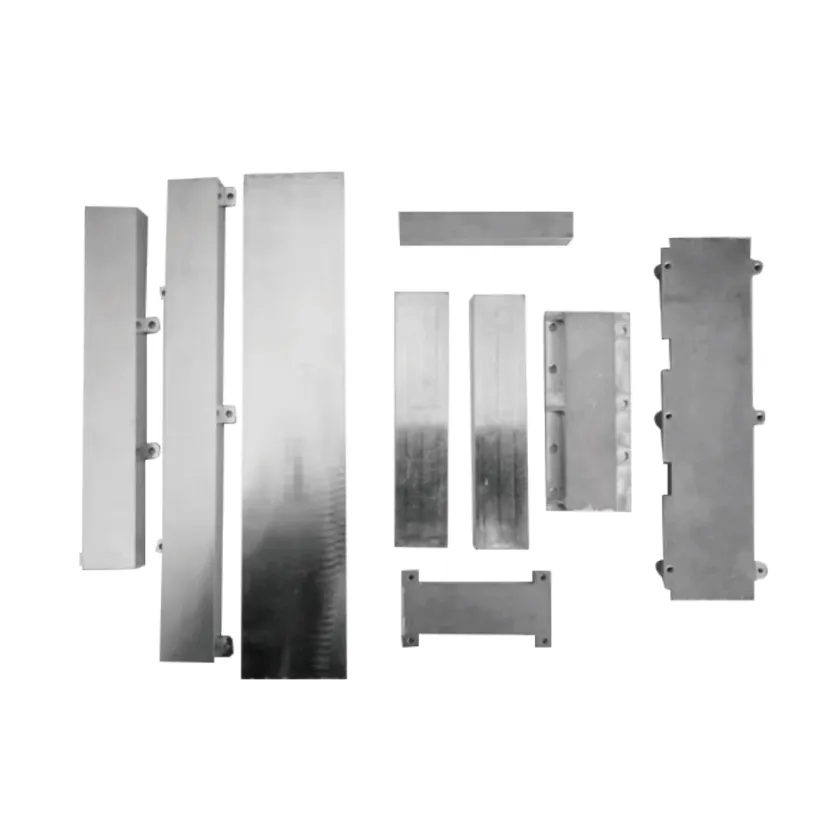
Figure 1: Typical Phase-Transformation Heat Pipe for thermal management.
Technical Parameters & Performance Data
Understanding the specific technical parameters of a thermal management component is crucial for system architects and engineers. Below is a table outlining typical specifications for a high-performance Phase-Transformation Heat Pipe (PTPH). These parameters dictate the suitability of the component for various applications and its overall thermal efficiency.
| Parameter | Unit | Value/Range |
|---|---|---|
| Heat Transport Capacity | Watts (W) | 50 - 500 (depending on size/design) |
| Operating Temperature Range | °C | -50 to +150 (typical for water/ammonia) |
| Thermal Resistance | °C/W | 0.01 - 0.1 (extremely low) |
| Outer Diameter | mm | 3 - 12 (standard sizes) |
| Length | mm | 100 - 1000+ (customizable) |
| Working Fluid | N/A | Water, Ammonia, Acetone, Methanol |
| Envelope Material | N/A | Copper, Aluminum Alloy, Stainless Steel |
| Wick Structure | N/A | Sintered Powder, Grooved, Mesh |
Application Scenarios and Real-World Impact
The versatility and high performance of Phase-Transformation Heat Pipes make them an invaluable component across various demanding sectors. Their ability to passively transfer significant heat loads with minimal temperature gradient is critical for the stability and longevity of high-value systems.
- Aerospace and Defense: In a satellite platform, managing thermal loads from sensitive instruments, high-power communication systems, and batteries is paramount. Phase-Transformation Heat Pipes are extensively used to maintain precise temperature control, ensuring mission-critical payload stability despite extreme external temperature fluctuations and vacuum environments. Their reliability under severe thermal cycling is unmatched for space applications.
- High-Performance Computing (HPC) & Data Centers: As processors and GPUs in servers become more powerful, localized hot spots and overall thermal dissipation become major hurdles. Integrating this component can efficiently spread heat from high-density components to remote fin structures or cold plates, improving overall system efficiency and reducing cooling infrastructure costs.
- Electric Vehicles (EVs): Battery thermal management is crucial for the performance, safety, and lifespan of EV battery packs. Heat pipes can actively distribute heat away from hot cells or warm up cold cells, maintaining an optimal operating temperature range across the entire pack, which is vital for charging and discharging efficiency.
- Industrial Electronics & Renewable Energy: From cooling power electronics in wind turbines and solar inverters to thermal management in industrial automation control cabinets, the robustness and passive operation of these heat pipes offer reliable heat dissipation where active cooling solutions are impractical or undesirable.
A notable application involves a recent scientific satellite platform mission, where over fifty custom-designed Phase-Transformation Heat Pipes were integrated into the primary instrument deck. Post-launch telemetry confirmed that these components consistently maintained instrument temperatures within a ±0.5°C range over a 10-year projected mission lifetime, significantly exceeding performance benchmarks achieved with previous thermal solutions. This real-world validation underscores the profound impact and reliability of this advanced component in critical applications.
Competitive Landscape and Tailored Solutions
While various thermal management solutions exist, the Phase-Transformation Heat Pipe distinguishes itself through superior performance metrics and adaptability. Comparing it with traditional heat pipes and vapor chambers highlights its unique advantages as a versatile component.
| Feature | Phase-Transformation Heat Pipe | Traditional Heat Pipe | Vapor Chamber |
|---|---|---|---|
| Heat Transport Capacity | Excellent (50-500W+) | Good (10-200W) | Very Good (20-300W, spreading) |
| Thermal Resistance | Extremely Low (0.01-0.1 °C/W) | Low (0.1-0.5 °C/W) | Very Low (0.05-0.2 °C/W) |
| Orientation Dependency | Very Low (due to advanced wick) | Moderate | Low |
| Response to Thermal Cycling | Excellent (robust design) | Good | Good |
| Cost (Relative) | Moderate to High | Low to Moderate | Moderate to High |
While vapor chambers excel at spreading heat over a flat surface and traditional heat pipes offer cost-effectiveness for moderate heat loads, the Phase-Transformation Heat Pipe combines high heat transport, exceptional reliability under cyclic loads, and design flexibility. This makes it a superior component for next-generation thermal control systems.
Recognizing that every application has unique requirements, manufacturers of these advanced heat pipes often provide comprehensive customization services. This includes tailoring dimensions (length, diameter, bends), optimizing wick structures for specific orientations or heat fluxes, selecting appropriate working fluids for desired temperature ranges, and integrating custom mounting interfaces. Collaborating with experienced engineers for a bespoke thermal solution ensures optimal performance and seamless integration of this vital component into complex systems.
Ensuring Trust and Reliability: Your Partner in Thermal Solutions
Building trust in a critical component like the Phase-Transformation Heat Pipe stems from transparency, proven expertise, and unwavering support. We are committed to delivering not just a product, but a complete thermal management solution built on reliability and customer satisfaction.
Frequently Asked Questions (FAQ)
-
Q: What is the typical lifespan of a Phase-Transformation Heat Pipe?
A: With proper design and manufacturing, these heat pipes are designed for exceptionally long operational lifespans, often exceeding 15 to 20 years, especially in sealed environments like space applications. This is due to their passive nature and the hermetic sealing that prevents degradation of the working fluid or internal structures. -
Q: Can these heat pipes operate against gravity?
A: Yes, advanced wick structures, such as sintered powder wicks, allow Phase-Transformation Heat Pipes to operate effectively against gravity, although their maximum heat transport capacity might be slightly reduced compared to gravity-assisted orientations. Custom designs can optimize performance for specific orientations. -
Q: Are custom sizes and shapes available?
A: Absolutely. Our manufacturing capabilities allow for extensive customization in terms of length, diameter, bending radii, and specialized end-fittings. We collaborate closely with clients to develop bespoke thermal solutions tailored to their unique system constraints and performance requirements. -
Q: How do Phase-Transformation Heat Pipes handle rapid thermal cycling?
A: They are inherently designed for superior performance under rapid thermal cycling. The fully enclosed system, combined with robust material selection and meticulous manufacturing, ensures that the working fluid and wick structure remain stable, preventing performance degradation even under extreme temperature swings.
Delivery & Support
Delivery Cycle: For standard configurations, lead times typically range from 4 to 6 weeks from order confirmation. Custom-designed Phase-Transformation Heat Pipes, depending on complexity and material sourcing, may require 8 to 12 weeks for prototyping and initial production runs, followed by a streamlined schedule for volume orders. We strive for transparency and efficiency in our production pipeline to meet your project timelines.
Quality Assurance & Warranty: Every Phase-Transformation Heat Pipe undergoes rigorous multi-stage testing, including pre-charge vacuum integrity tests, post-charge leak tests, and comprehensive thermal performance validation. We stand behind the quality of our products with a standard 2-year warranty covering manufacturing defects and ensuring specified thermal performance under normal operating conditions. Extended warranties are available for specific long-duration projects.
Customer Support: Our team of dedicated thermal engineers is available for technical consultation, design optimization, and post-sales support. From initial concept development to final integration, we partner with our clients to ensure the optimal performance and longevity of their thermal control system, making us a reliable partner for your most challenging thermal management needs.
Conclusion
The Phase-Transformation Heat Pipe stands as a testament to advanced thermal engineering, offering unparalleled efficiency and reliability as a critical component in modern high-performance systems. Its ability to manage significant heat loads passively, withstand extreme thermal cycling, and provide stable temperature control makes it indispensable for applications ranging from terrestrial industrial electronics to advanced satellite platforms. By combining cutting-edge manufacturing processes with rigorous quality assurance, this technology offers a robust and future-proof solution for complex thermal management challenges, ensuring the optimal performance and longevity of critical electronic systems.
References
- Faghri, A. (2012). Heat Pipe Science and Technology: From Micro to NanoScale. Global Digital Press.
- J. H. Kim, S. W. Lee, Y. S. Kwak, J. W. Yun (2018). Development of Advanced Thermal Control Systems for Small Satellites. Journal of Aerospace Engineering, Vol. 31, Issue 4.
- Peterson, G. P. (1994). An Introduction to Heat Pipes: Modeling, Testing, and Applications. John Wiley & Sons.
- NASA Technical Standard (2017). Thermal Control Design and Verification Requirements for Flight Systems. NASA-STD-5001.











