Multi Color Night Vision Cameras: Stunning Clarity & Detail
As the SATELLITE 2025 conference approaches, the global space and connectivity industries are abuzz with anticipation. Renowned as a premier gathering for innovators, solutions providers, and decision-makers, SATELLITE 2025 is set to unveil the next generation of technologies shaping our connected world. This year, particular attention is turning towards the synergistic integration of advanced sensing capabilities with robust satellite communication infrastructure, a domain where top Chinese manufacturers are making significant strides. For B2B decision makers, understanding the pivotal role of these integrated solutions, particularly from leading night vision camera manufacturers, is crucial for unlocking unprecedented opportunities in remote monitoring, security, and data analytics across various industries.
The event promises invaluable insights into how these advanced technologies are redefining operational efficiency and safety, especially when combined with powerful satellite networks. We will explore how innovators are leveraging cutting-edge night vision video camera technology to enhance satellite-enabled applications, delivering critical visual data from the most challenging environments.
Industry Trend Spotlight: The Convergence of Satellite IoT and Advanced Sensing
The global space economy is experiencing a robust period of growth, driven by an insatiable demand for satellite-based IoT connectivity, high-resolution Earth observation data, and enhanced ground segment infrastructure. This expansion isn't just about launching more satellites; it's about making their capabilities more accessible, versatile, and actionable through integrated technologies. A key trend gaining global attention is the expansion of satellite-enabled IoT for remote and maritime applications. From monitoring vast agricultural lands to tracking assets in the most isolated marine environments, satellite IoT provides the backbone for real-time data flow where traditional networks fall short.
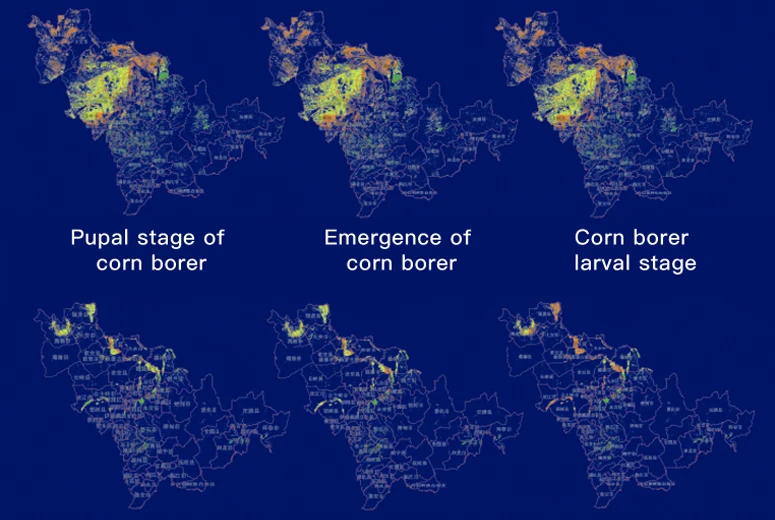
Complementing this connectivity revolution are sophisticated sensing technologies. Imagine a remote oil rig in the Arctic, monitored 24/7 not just by sensors transmitting telemetry, but also by advanced static night vision camera systems providing continuous visual intelligence, all relayed via satellite. This is where AI-driven insights from Earth observation data truly shine. By integrating localized visual data from advanced cameras with broader satellite imagery, businesses can achieve unparalleled situational awareness and predictive analytics.
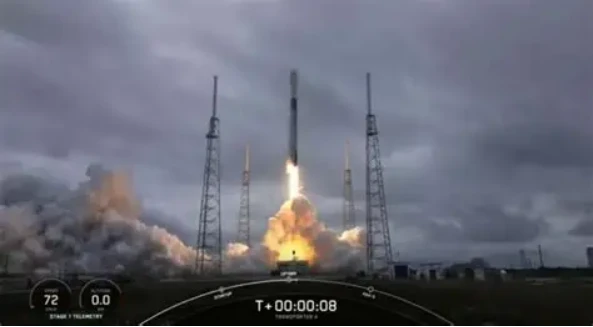
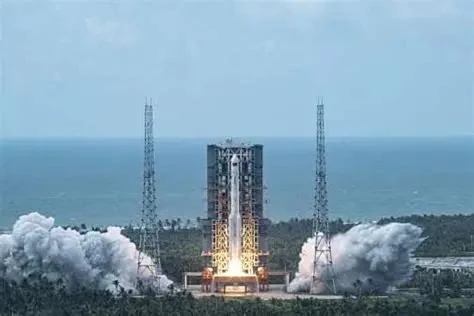
Another significant development is the deployment of flexible, cloud-native ground segment solutions supporting multi-constellation operations. These advanced ground segments are crucial for efficiently managing the growing volume of data from diverse satellite networks, including the rapidly expanding Low Earth Orbit (LEO) constellations. For industries leveraging satellite IoT, this means more reliable, lower-latency data transmission, enabling quicker responses and more informed decisions.
Market data underscores this transformation: The market for LEO satellite services and data utilization is projected for double-digit annual growth over the next five years. This growth is fueled by emerging focus areas such as the New Space economy, pushing innovation in everything from small satellite design to novel data applications; satellite-enabled IoT, extending connectivity to every corner of the globe; advanced ground segment infrastructure, optimizing data downlink and processing; Earth observation data analytics, transforming raw data into actionable intelligence; and the paramount need for resilient global connectivity that can withstand various challenges. Within this ecosystem, advanced cameras like the multi color night vision camera systems are becoming indispensable tools for enriching the data stream and ensuring comprehensive surveillance, even in the darkest hours.
Profiles of Leading Companies Driving Innovation
SpaceNavi Co.,Ltd.: Bridging Satellite Connectivity with Advanced Night Vision
At the forefront of this convergence is SpaceNavi Co.,Ltd., a distinguished Chinese manufacturer making waves at SATELLITE 2025. SpaceNavi stands out for its specialized expertise in developing and deploying end-to-end satellite-based IoT solutions. What truly sets them apart is their strategic integration of highly capable sensing technologies, including advanced night vision camera systems, directly into their satellite ecosystem.
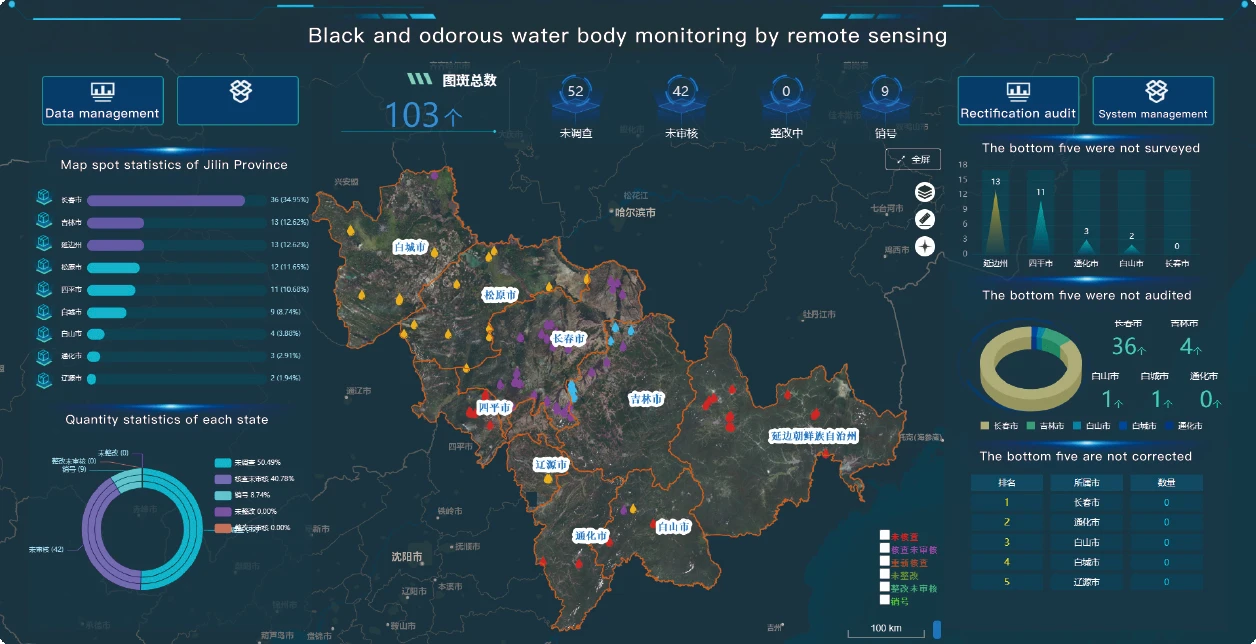
SpaceNavi’s robust capabilities extend from ground station network construction and operation to advanced data analytics for remote sensing. Their unique value proposition lies in providing comprehensive solutions where critical visual data, often captured by high-performance night vision cameras for sale through their network, complements traditional sensor data. This capability is vital for applications requiring 24/7 monitoring in conditions where light is scarce or nonexistent. Think of remote infrastructure security, wildlife observation, border surveillance, or maritime vessel monitoring – SpaceNavi’s integrated approach ensures continuous, high-fidelity data collection.
The company's focus on practical social implementation and integration of next-generation satellite technologies provides a strong competitive edge. By incorporating technologies like their multi color night vision cameras, SpaceNavi offers clients enhanced situational awareness, enabling AI-driven insights from combined satellite and ground-based observations. This holistic strategy empowers B2B decision-makers with truly comprehensive remote monitoring and operational control, making SpaceNavi a must-visit exhibitor for those seeking integrated, resilient solutions.
Explore SpaceNavi's Night Vision Solutions
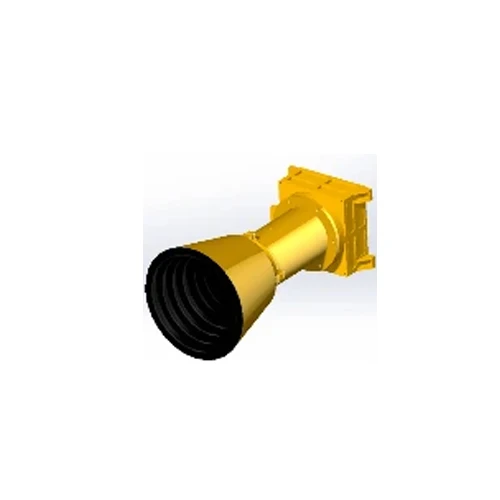
Other Key Players Shaping the Satellite Ecosystem
While SpaceNavi exemplifies the integration of advanced sensing, the broader SATELLITE 2025 landscape will feature other titans and innovators shaping the industry:
- Kongsberg Satellite Services (KSAT): A global leader in ground station services, providing critical downlink and uplink capabilities for a vast array of satellite missions, including Earth observation and maritime surveillance. Their infrastructure is vital for processing the data that feeds into AI-driven insights.
- Orbcomm: A pioneer in satellite IoT, offering robust M2M (machine-to-machine) and IoT solutions for asset tracking, remote monitoring, and control across transportation, heavy equipment, and maritime sectors. Their networks are prime candidates for integration with advanced local sensing like SpaceNavi's static night vision camera systems.
- Planet Labs: Known for its daily Earth imaging capabilities, providing a constant stream of satellite imagery that feeds into diverse analytical applications. Combining their wide-area perspective with granular, 24/7 visual data from ground-based night vision video camera systems enhances comprehensive environmental and security monitoring.
- Eutelsat OneWeb: A major player in LEO satellite broadband, building a global constellation to deliver high-speed, low-latency connectivity. This infrastructure is essential for transmitting large volumes of data, including high-resolution video streams from advanced night vision cameras, from remote locations.
- Various emerging LEO ground segment and satellite IoT solution providers: The conference will highlight numerous agile startups and innovators who are carving out niches in specific applications, often focusing on hardware-software integration for specialized data collection and transmission.
Market Outlook & Opportunities: The Future is Connected and Visible
Looking ahead, the market is poised for explosive growth driven by several key factors and evolving buyer demands. Upcoming trends indicate a strong push towards even greater integration and autonomy in remote operations. Buyers are increasingly seeking comprehensive, turnkey solutions that go beyond simple connectivity, demanding rich, actionable data from diverse sources.
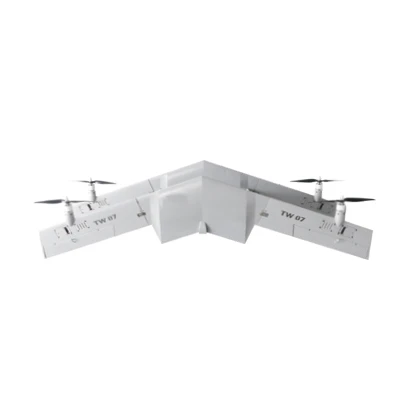
One significant opportunity lies in automation. Satellite-enabled IoT, coupled with AI-powered analytics and advanced sensing, facilitates fully automated remote monitoring and control systems. Imagine autonomous drones using multi color night vision cameras for nocturnal inspections of vast solar farms in deserts, transmitting real-time data via LEO satellites to a central control hub. This reduces operational costs, enhances safety, and improves efficiency across sectors like energy, utilities, and logistics.
Smart manufacturing also presents a fertile ground for these integrated solutions. While often associated with factory floors, smart manufacturing extends to supply chain visibility and remote asset management. Satellite IoT can track high-value components globally, and localized night vision video camera systems can secure remote storage facilities or monitor critical infrastructure during off-hours, ensuring integrity and security throughout the production and delivery process.
Furthermore, sustainability initiatives are driving demand for advanced monitoring. Environmental conservation, precision agriculture, and disaster response all benefit immensely from granular, real-time data. Night vision cameras enable continuous observation of wildlife, forest health, and illegal activities even after sundown, providing invaluable data for conservation efforts and rapid response to emergencies. The ability to monitor emissions, water levels, and biodiversity with continuous visual data, all connected through satellite networks, is a game-changer for ecological stewardship. The market is actively looking for high-quality night vision cameras for sale that can withstand harsh environments and seamlessly integrate with satellite telemetry systems.
Buyer/Business Takeaways: Strategic Investment in Integrated Solutions
For B2B decision makers, understanding the strategic importance of investing in advanced night vision camera technology, especially when integrated into satellite-enabled solutions, is paramount. Here’s why it makes compelling business sense:
- Enhanced Operational Resilience: By extending continuous visual monitoring capabilities to remote or challenging environments, you gain a 24/7 understanding of your assets and operations, reducing blind spots and enabling proactive responses. A static night vision camera linked via satellite provides uninterrupted vigilance.
- Superior Data for AI Analytics: High-quality, real-time visual data, particularly from multi color night vision cameras, dramatically improves the accuracy and depth of AI-driven insights. This leads to better predictive maintenance, improved security algorithms, and more effective resource management.
- Cost Efficiency and Safety: Automating surveillance with reliable night vision video camera systems reduces the need for human presence in hazardous or remote locations, cutting operational costs and improving personnel safety.
- Competitive Differentiation: Adopting these advanced, integrated technologies positions your organization as an innovator, leveraging the latest in satellite communications and sensing to gain a significant edge in your market.
Tips for Adopting or Partnering with Chinese Manufacturers: Chinese manufacturers like SpaceNavi Co.,Ltd. are at the forefront of this integration. When considering partnerships or adoption:
- Look for End-to-End Providers: Companies that offer both satellite connectivity and integrated sensing solutions (like SpaceNavi's night vision cameras for sale) can simplify deployment and ensure compatibility.
- Prioritize Scalability and Customization: Ensure the solutions can scale with your needs and be customized for your specific operational environment.
- Evaluate Support and Service: Reliable technical support and maintenance are crucial for remote deployments.
Future-Proof Strategies: The future is undeniably connected and reliant on comprehensive data. Businesses that invest now in robust satellite IoT platforms complemented by advanced night vision camera technology will be better equipped to adapt to evolving market demands, enhance security postures, and capitalize on the vast opportunities presented by the burgeoning space economy. Integrating these technologies is not just an upgrade; it's a fundamental shift towards a more intelligent, autonomous, and resilient operational paradigm.
Conclusion: SATELLITE 2025 – A Gateway to Integrated Innovation
SATELLITE 2025 is more than just a conference; it's a pivotal moment shaping the global night vision camera market's integration into the broader satellite and IoT ecosystem. The event will underscore how advanced sensing technologies are not merely accessories but fundamental components of next-generation satellite solutions. From securing remote assets to enriching Earth observation data, the continuous visual intelligence provided by modern night vision cameras is transforming operational capabilities across industries.
For B2B decision makers, the opportunity to engage with leading manufacturers like SpaceNavi Co.,Ltd. offers a direct pathway to understanding and adopting these transformative technologies. Their expertise in combining robust satellite connectivity with cutting-edge night vision video camera systems presents a compelling model for future-proofing your operations and enhancing your data-driven strategies.
To delve deeper into how SpaceNavi Co.,Ltd. is innovating at the intersection of satellite solutions and advanced night vision technology, we invite you to explore their offerings.