Key Components of Satellite Communication Systems Explained
Essential Components of Satellite Communication
Having spent more than a decade in the industrial equipment sector—and much of it tangentially involved with satellite communication gear—I've come to realize something fairly fundamental: satellite systems are deceptively simple on the surface, but get downright intricate once you start poking under the hood. The satellite communication ecosystem is a blend of physics, electronics, and a good deal of engineering finesse.
Breaking Down the Main Components of Satellite Communication
Let's start off by listing the crucial parts. I suppose you can think of a satellite communication system as three interlinked segments: the space segment (the satellite itself), the ground segment (earth stations), and the user terminals. But what sits inside those? What really makes the system tick?
- 1. Transponders: Often called the “heart” of the satellite, these devices receive signals from Earth, amplify them, shift to a different frequency, and send them back down. In practical terms, they’re the clever intermediaries.
- 2. Antennas: Whether parabolic dishes on satellites or large earth station arrays, antennas direct the radio waves with pinpoint accuracy. Their size, shape, and material can vary wildly depending on frequency bands, power needs, and mission objectives.
- 3. RF (Radio Frequency) Converters and Amplifiers: These convert signals between optical, digital, or analog formats, adjust frequencies, and boost signal strength before transmission or after reception.
- 4. Power Supply Units: Satellites rely heavily on solar panels and batteries. On the ground side, backup power often ensures continuous operation amid outages.
- 5. Modulators and Demodulators: They shape the data transmission signals for maximum efficiency and then translate incoming radio waves back into usable data.
Oddly enough, many engineers underestimate how vital the modestly sized RF chains are. I recall a project where a slight design flaw in a low noise amplifier caused unexpected jitters in transmission. It's a humble component, but boy, can it derail everything.
How Design Choices Impact Performance
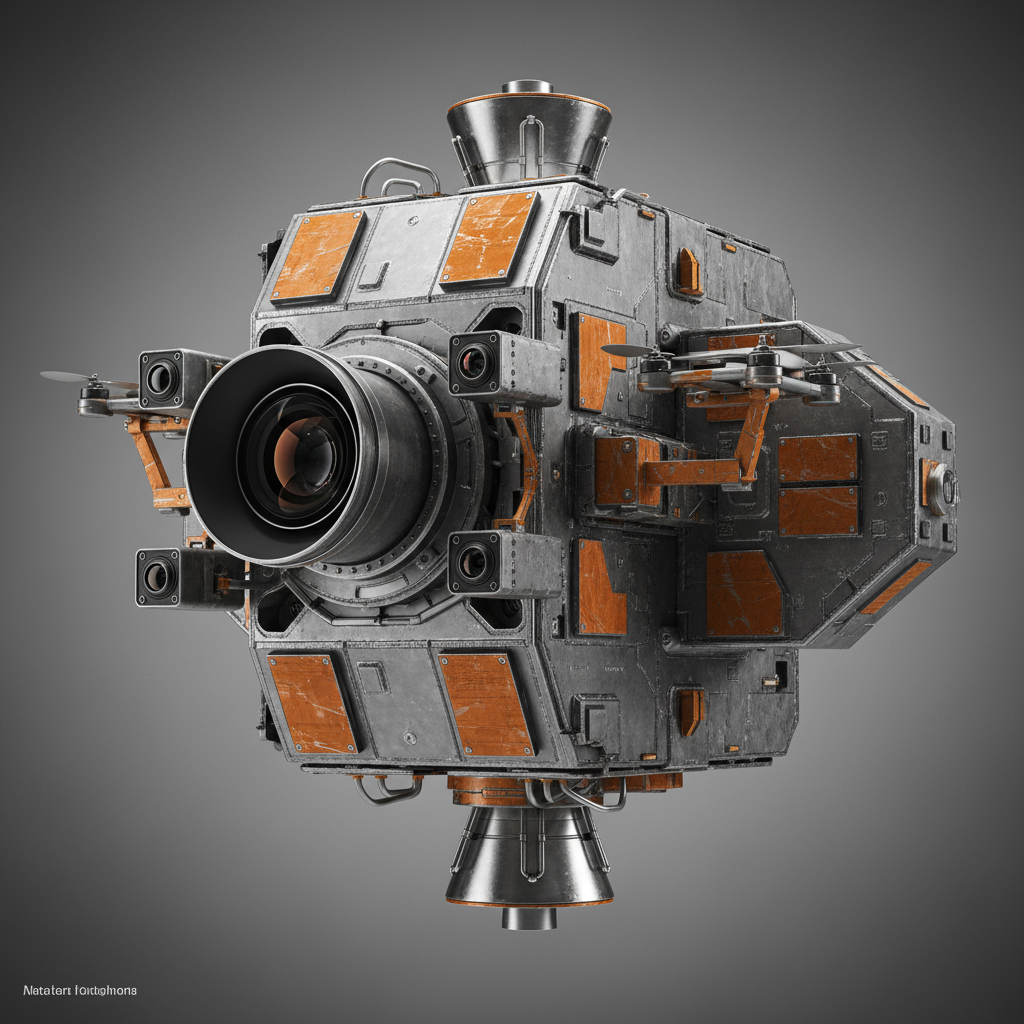
Satellites aren't one-size-fits-all. Materials, shape, frequency bands—they all make a difference. I’ve noticed trends moving towards more compact designs using lighter composite materials instead of traditional metals. This shift reduces launch weight, a big selling point when every gram costs thousands. But it also means a need for sturdier thermal and radiation protection layers. Trade-offs abound.
Then there’s frequency. The common Ku and Ka bands bring different pros and cons — Ka offers greater bandwidth but demands more precise pointing and higher-quality components. Engineers often joke it’s like driving a race car versus a pickup truck: faster, yes, but less forgiving.
Typical Satellite Communication Product Specifications
| Component | Typical Specs | Notes |
|---|---|---|
| Transponder Power | 20-150 watts | Varies by satellite class |
| Frequency Bands | C, Ku, Ka, L-band | Influences data rates and antenna size |
| Antenna Diameter (Ground Station) | 3-12 meters | Larger dishes for higher frequencies |
| Signal Bandwidth | Up to several hundred MHz | More bandwidth = better data speeds |
| Modulation | QPSK, 8PSK, QAM | Trade-off between bandwidth and robustness |
Vendor Comparison: Choosing Satellite Communication Equipment
| Vendor | Product Range | Customization | Lead Time | Support |
|---|---|---|---|---|
| SatComPro | Full line: transponders, antennas, amplifiers | High, tailored solutions | 8-12 weeks | 24/7 global support |
| Orbital Equip | Mid-range, focus on affordability | Standard modules | 6-10 weeks | Business hours support |
| SkyTek Solutions | High-end precision antennas, specialized amplifiers | Custom and scalable | 12-16 weeks | Dedicated account managers |
From what I’ve gathered over the years, the right choice often boils down to your project's scale and specifics. I remember a medium-sized client opting for modular units from Orbital Equip—yes, one of the simpler options—but with tight timelines and decent support, it was an excellent fit. Not every project needs bespoke, ultra-fancy systems.
One small anecdote: when troubleshooting a link failure years ago, the culprit wasn’t the satellite or the big hardware, but a badly corroded antenna feed horn—proof that sometimes, it’s the simplest components that cause the biggest headaches.
Final Thoughts on satellite communication components
There’s no sugarcoating it: the satellite communication field is evolving fast, pushing the boundaries of materials, electronics, and system integration. But the core components—the transponders, antennas, and RF equipment—remain pivotal. Their quality and design subtly shape whether your signal gets through crisply or fizzles into noise.
So, if you’re stepping into the world of satellite comms for the first time, look closely under the surface. And if there’s one tip I’d pass along, it’s to never take a component for granted. Sometimes, the seemingly minor pieces are the ones that make or break your system.
References & Reflections
- Personal field notes from Satellite Integration Tests, 2014-2023.
- Various equipment datasheets and spec sheets from leading vendors.
- Conversations with design engineers and field technicians over the years.