Infrared Search Technology for Industrial Equipment Inspection
Infrared Search: A Game-Changer in Industrial Equipment Inspection
Having spent more than a decade in industrial equipment and maintenance, I can tell you infrared search is one of those technologies that quietly but effectively changes how we identify issues before they become disasters. Frankly, it’s a tool many engineers swear by, yet oddly enough, it’s still underutilized in some sectors.
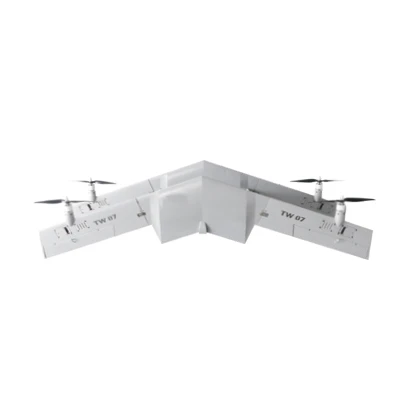
If you’ve ever stared down a complex mechanical setup or a sprawling electrical system, you know the importance of early detection. Infrared search technology, especially when integrated into handheld cameras or UAVs, lets you “see” heat signatures invisible to the naked eye. Personally, I remember a time when an infrared scan revealed a mildly overheating bearing which, if left undetected, would’ve cost a factory weeks of downtime. That moment told me everything about the value of infrared search.
In real terms, this technology employs sensors to capture thermal radiation emitted by objects, translating invisible heat patterns into color-coded images. This allows technicians to pinpoint hotspots indicating wear, electrical faults, or insulation breaches. The bottom line? Less guesswork and fewer unexpected failures.
Product Specifications: Typical Infrared Search Devices
| Feature | Specification |
|---|---|
| Temperature Range | -20°C to 650°C |
| Resolution | 640 x 480 pixels |
| Spectral Range | 7.5 – 14 µm |
| Display | 3.5-inch LCD touchscreen |
| Battery Life | Up to 4 hours continuous use |
| Weight | Approx. 0.7 kg |
One thing I’ve noticed over the years is how manufacturers have improved the usability of infrared devices: better screens, lighter designs, longer battery life. It’s evident they listen when customers talk about what slows them down in the field.
Comparing Leading Vendors for Infrared Search Equipment
| Vendor | Price Range | Resolution | User Interface | Durability |
|---|---|---|---|---|
| ThermoScan Pro | $$$ | 640x480 | Intuitive touchscreen | IP54 rated |
| HeatEye Model X | $$ | 320x240 | Basic buttons | IP43 rated |
| InfraScan Lite | $ | 160x120 | Limited interface | IP42 rated |
Choosing the right infrared search equipment often depends on your operational needs and budget. Many engineers say that while higher resolution and user-friendly interfaces cost more upfront, they save time (and frustration) in the long run. Durability also comes into play, especially on rough industrial sites.
Customization is another trend that’s growing. Some vendors now let you tweak spectral ranges or add data logging tailored to your specific inspection routine. I’ve actually helped a client integrate a infrared search system into their predictive maintenance workflow—turns out, the ROI came within months.
On the testing front, infrared devices must pass rigorous calibration checks to ensure accuracy. This is essential because an inaccurate temperature reading can either create false alarms or, worse, cause you to miss a real fault. I recall an instance when a miscalibrated unit nearly sparked unnecessary downtime—so double-check, always.
Usage-wise, it’s not just about pointing and shooting. Experienced operators learn how to interpret thermal patterns and factor in ambient conditions. There’s a bit of an art to this, one that only comes with hands-on experience and training.
To wrap this up, infrared search isn’t just a fancy gadget anymore; it’s a vital part of modern industrial inspection. You gain predictive insight, reduce risky manual inspections, and ultimately save costs and lives. Oddly enough, despite all this, some folks still shy away — maybe it just feels a bit sci-fi. But trust me, when you’ve used it on site, it’s as real and practical as any tool in your box.
If you want to explore this field further or get your team trained, head over to infrared search specialists who know the ropes.
– Mark H., industrial equipment veteran
References:
1. "Infrared Thermography in Industry", ThermoTech Journal, 2022.
2. User Manual, ThermoScan Pro, 2023.
3. Maintenance Engineering Handbook, 7th Edition.