High-Res Satellite Imagery & SAR Data for Actionable Insights
Introduction to Advanced Satellite Imagery for B2B Operations
In the rapidly evolving landscape of geospatial intelligence, satellite imagery stands as a cornerstone technology, providing invaluable insights for a multitude of B2B applications. From monitoring vast agricultural lands to overseeing complex infrastructure projects and assessing environmental changes, the utility of high-resolution imagery from space is transforming operational decision-making. This article delves into the intricate world of satellite data, exploring its acquisition, processing, application, and strategic advantages for businesses seeking a competitive edge through comprehensive spatial data analysis.
Modern advancements in satellite technology, including enhanced sensor capabilities and sophisticated analytical tools, have made satellite-derived data more accessible, precise, and actionable than ever before. For industries spanning from agriculture and energy to urban planning and defense, integrating this powerful data source into existing workflows offers unparalleled opportunities for efficiency, risk mitigation, and sustainable growth. Understanding the underlying processes, technical specifications, and diverse application scenarios is crucial for B2B decision-makers aiming to leverage this technology effectively.
The Process Flow of Satellite Imagery Data Acquisition and Processing
The journey from an orbiting satellite to actionable geospatial intelligence involves a sophisticated multi-stage process, essentially the 'manufacturing pipeline' for satellite imagery. This intricate process ensures the capture, validation, and delivery of high-quality data.
1. Orbital Mechanics and Satellite Platforms
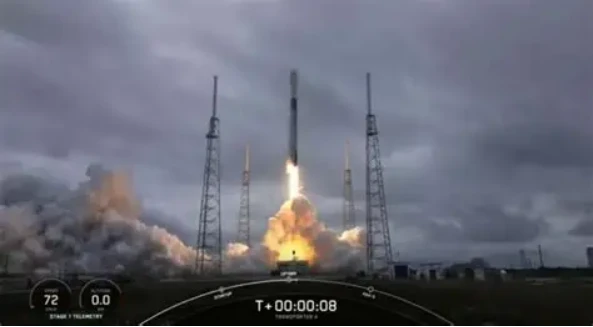
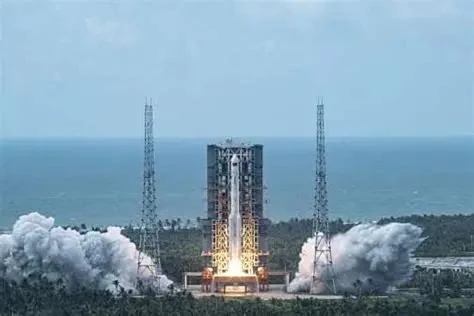
The foundation of satellite imagery acquisition lies in the deployment of specialized satellites into various Earth orbits. Low Earth Orbit (LEO) satellites, typically orbiting at altitudes between 160 and 2,000 kilometers, are primarily used for high-resolution optical and Synthetic Aperture Radar (SAR) imaging due to their proximity to Earth, enabling fine spatial detail and frequent revisits. Geostationary Earth Orbit (GEO) satellites, conversely, offer continuous wide-area monitoring but with lower spatial resolution. The 'product materials' in this context are the robust satellite bus structures, propulsion systems, and advanced power generation units that sustain the mission life, often exceeding 5-10 years, ensuring continuous data streams.
2. Sensor Technologies: The Imaging Core
The critical component for data capture is the sensor payload. Optical sensors, which capture reflected sunlight, vary widely, including panchromatic (black and white, high spatial resolution), multispectral (several discrete bands, identifying vegetation health, land use), and hyperspectral (hundreds of narrow bands, detailed material identification). SAR data sensors, conversely, transmit their own microwave signals and detect the reflected pulses. This active sensing capability allows for data acquisition irrespective of cloud cover or time of day, making it invaluable for disaster monitoring, terrain mapping, and change detection in challenging environments. The 'manufacturing processes' here involve the precision engineering and calibration of these complex optical and radar systems, often adhering to rigorous aerospace industry standards (e.g., ECSS, MIL-STD).
3. Raw Data Acquisition and Downlink
Once a satellite passes over its target area, its sensors collect raw data. This data is temporarily stored on board and then transmitted to ground receiving stations via high-bandwidth communication links. The efficiency and reliability of this data acquisition system are paramount, ensuring minimal data loss and rapid delivery to processing centers. Ground segment infrastructure, including antennas and data processing hubs, plays a crucial role in this phase.
4. Initial Processing and Georeferencing
Upon reception, raw satellite data undergoes several critical processing steps. This includes:
- Radiometric Correction: Adjusting for sensor imperfections and atmospheric interference (e.g., haze, aerosols) to ensure accurate brightness values.
- Geometric Correction & Orthorectification: Removing distortions caused by sensor viewing angle, terrain variations, and Earth's curvature. This process aligns imagery to a precise geographic coordinate system, making it spatially accurate for mapping and analysis. This often involves precise algorithms and ground control points (GCPs).
- Atmospheric Correction: More advanced models to remove the effects of atmospheric scattering and absorption, providing true surface reflectance values crucial for quantitative analysis like vegetation index calculations.
5. Advanced Data Products and Analytics
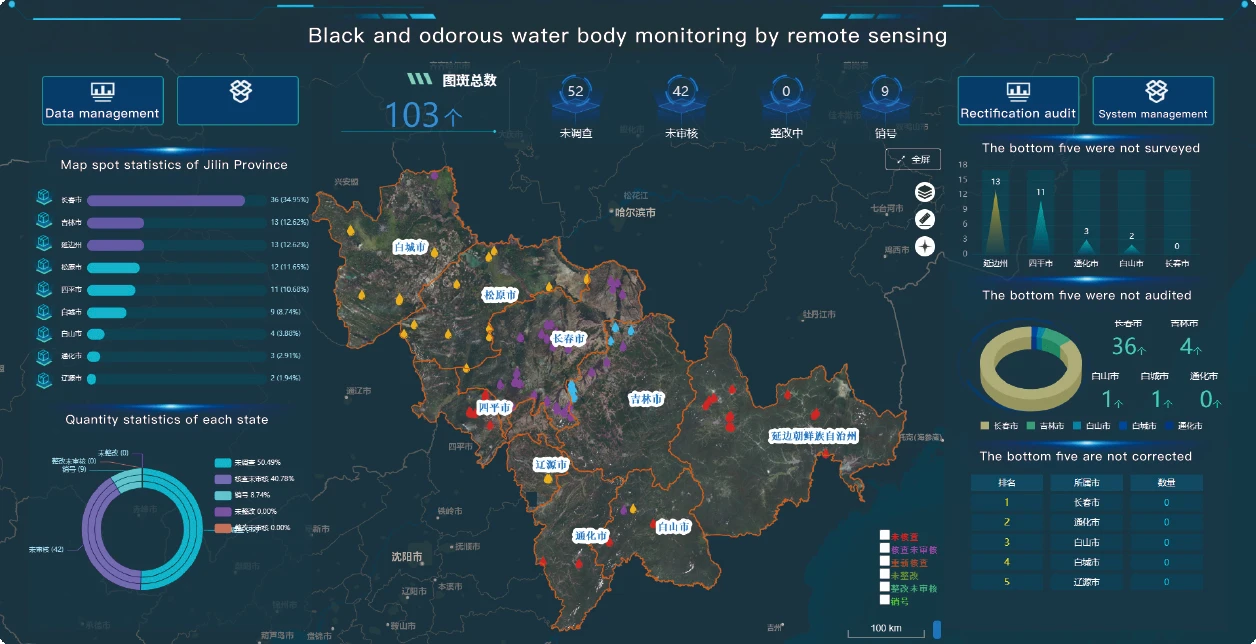
Post-processing transforms the corrected imagery into highly specialized products. This includes generating Digital Elevation Models (DEMs), land cover classifications, change detection maps, vegetation health indices (e.g., NDVI, EVI), and 3D models. Advanced analytical platforms often integrate this data into sophisticated data management systems and spatial databases, enabling complex queries and real-time insights. The advantages for target industries like petrochemical (pipeline monitoring, site selection), metallurgy (mining operations, environmental impact assessment), and water supply & drainage (reservoir monitoring, hydrological modeling) are profound: enabling energy saving through optimized resource allocation, ensuring corrosion resistance by identifying environmental risks, and enhancing overall operational efficiency and safety through proactive, data-driven decisions.
Current Industry Trends in Satellite Imagery
The satellite imagery market is experiencing dynamic growth, driven by several key trends:
- Constellation Proliferation: The rise of small satellite constellations (e.g., CubeSats) has significantly increased revisit rates, allowing for near-daily global coverage. This enhances change detection capabilities and supports applications requiring frequent updates.
- AI and Machine Learning Integration: AI/ML algorithms are revolutionizing data processing and analysis. They enable automated feature extraction (e.g., building footprints, road networks), object detection (e.g., ship tracking, vehicle counting), and predictive analytics, turning raw imagery into actionable intelligence at unprecedented speeds.
- Increased SAR Data Utilization: The demand for all-weather, day-and-night imaging capabilities is boosting the adoption of SAR data. This is particularly critical for applications like persistent monitoring, subsidence detection, and maritime surveillance, where optical imagery limitations are a concern.
- Cloud-Based Platforms and API Accessibility: Data providers are increasingly offering imagery and analytics through cloud-based platforms with robust APIs. This lowers the barrier to entry for businesses, allowing seamless integration into existing geospatial workflows without the need for extensive on-premise infrastructure.
- Commercialization and Customization: The market is moving towards more tailored solutions, where providers offer not just raw data but also value-added products and services customized to specific industry needs, including bespoke analytics and integration with client-specific data management systems.
Technical Specifications and Parameters of Modern Satellite Imagery
Understanding the core technical parameters of satellite imagery is essential for selecting the right data for specific B2B applications. These specifications directly impact the utility and accuracy of the derived insights.
Key Parameters:
- Spatial Resolution: This refers to the smallest discernible feature on the ground, typically measured in meters per pixel. High-resolution imagery (e.g., 30 cm – 50 cm) is crucial for detailed asset monitoring, urban planning, and infrastructure inspection. Medium resolution (e.g., 1 m – 5 m) is suitable for regional land cover mapping, while lower resolution (e.g., 10 m – 30 m) is used for broad-area environmental monitoring.
- Spectral Resolution: The number and width of spectral bands measured by the sensor. Multispectral sensors capture a few broad bands (e.g., blue, green, red, near-infrared), enabling basic land cover classification and vegetation indices. Hyperspectral sensors capture hundreds of narrow, contiguous bands, allowing for precise material identification and detailed environmental analysis.
- Temporal Resolution (Revisit Time): How frequently a satellite can image the same area. This ranges from several days to sub-daily revisits, depending on the constellation size and orbital parameters. High temporal resolution is vital for monitoring dynamic phenomena like crop growth, construction progress, or disaster response.
- Radiometric Resolution: The sensor's ability to distinguish between subtle differences in brightness, typically expressed in bits (e.g., 8-bit, 11-bit, 16-bit). Higher radiometric resolution allows for a greater dynamic range, capturing more detail in dark and bright areas and facilitating more accurate quantitative analysis.
- Off-Nadir Angle: The angle between the sensor's line of sight and the nadir (point directly below the satellite). Smaller off-nadir angles minimize geometric distortions, crucial for precise mapping and 3D modeling.
Table 1: Key Technical Parameters of Modern Optical Satellite Imagery Sensors
| Parameter | Description | Typical Range (Commercial) | Impact on Application |
|---|---|---|---|
| Spatial Resolution | Smallest detectable feature on the ground. | 30 cm to 10 m (Panchromatic/Multispectral) | Detail for object detection, mapping, precision agriculture. |
| Temporal Resolution | Frequency of revisit over a specific area. | Daily to Weekly (depending on constellation) | Monitoring dynamic changes (crop growth, construction). |
| Spectral Bands | Number of distinct wavelength ranges captured. | 4-8 (Multispectral), 100s (Hyperspectral) | Material identification, vegetation health, land classification. |
| Radiometric Resolution | Range of brightness values distinguishable. | 11-bit to 16-bit | Accuracy of quantitative analysis (e.g., biomass estimation). |
| Scene Size | Area covered by a single image capture. | ~30 sq km to >10,000 sq km | Coverage for large-scale or localized projects. |
Diverse Application Scenarios Across B2B Verticals
The versatility of satellite imagery makes it an indispensable tool across numerous industries, providing critical data for operational efficiency, strategic planning, and risk management.
Agriculture and Forestry: Precision and Sustainability
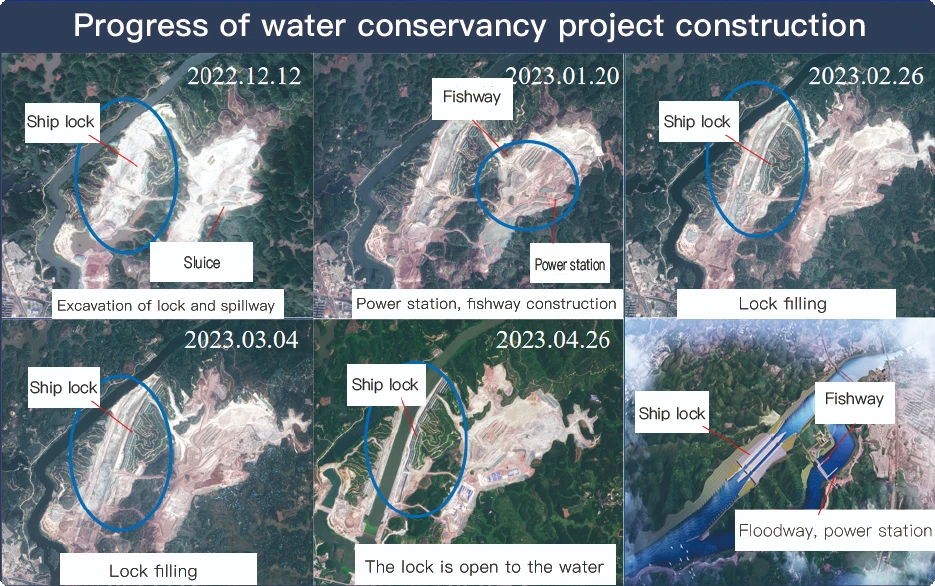
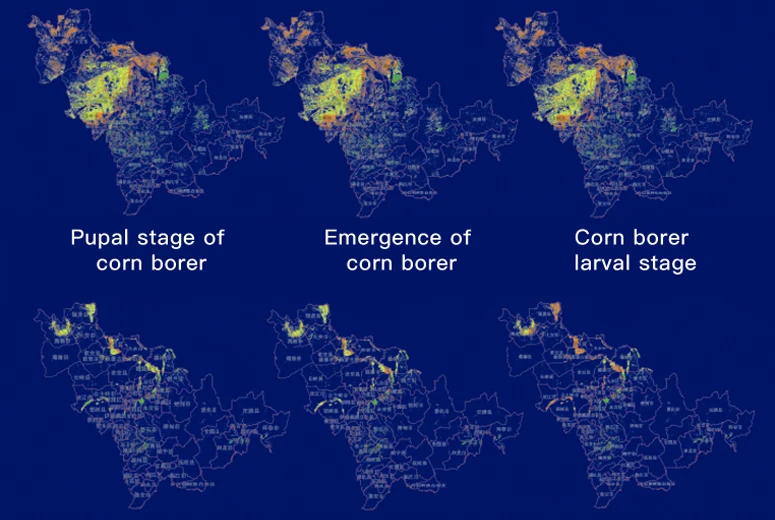
In agriculture, satellite data enables precision farming by monitoring crop health, identifying irrigation needs, detecting pest infestations, and estimating yields. Multispectral imagery, particularly using NDVI (Normalized Difference Vegetation Index), provides actionable insights for optimized fertilizer application and resource management. For forestry, it assists in monitoring deforestation, assessing forest health, and managing timber resources. The efficiency gains in resource allocation and early problem detection contribute significantly to sustainability and profitability.
Energy and Utilities: Infrastructure Monitoring and Site Selection
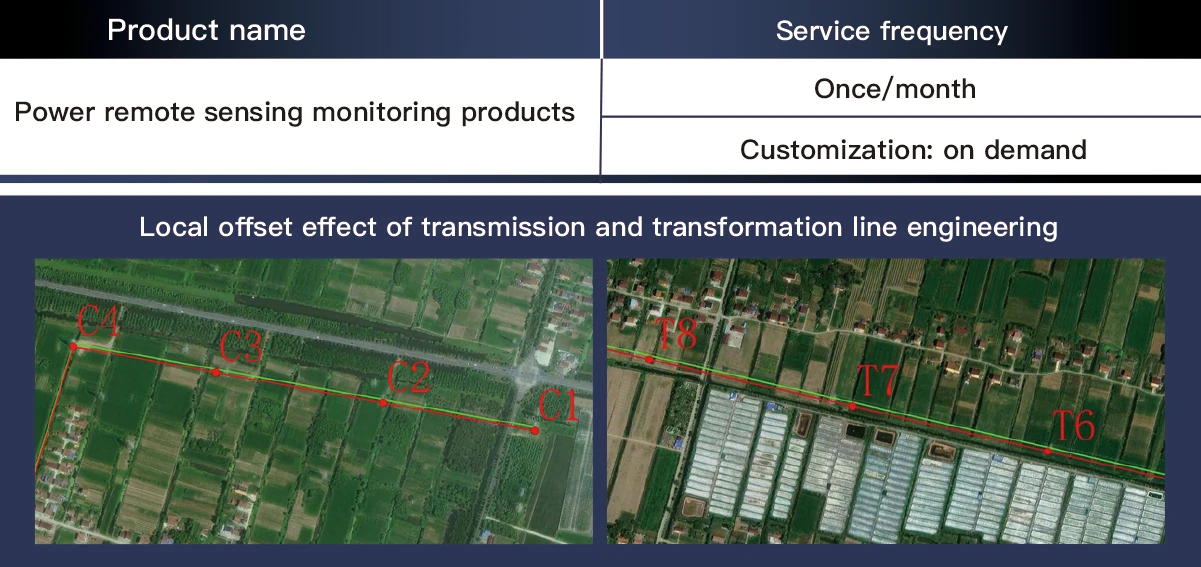
The energy sector leverages satellite imagery for monitoring vast networks of pipelines, power lines, and solar/wind farms. It facilitates site selection for new energy installations by analyzing terrain, land use, and environmental factors. For oil and gas, it supports exploration, production monitoring, and environmental compliance, including detecting spills or changes around drilling sites. SAR data is particularly valuable here for persistent monitoring of ground subsidence around critical infrastructure.
Urban Planning and Real Estate: Development and Analysis
Urban planners use imagery for land-use mapping, urban sprawl analysis, and infrastructure development monitoring. Real estate professionals gain insights into neighborhood characteristics, property values, and development potential. High-resolution imagery supports detailed 3D modeling of cities, crucial for smart city initiatives and architectural planning. This data feeds into comprehensive spatial databases for informed decision-making.
Disaster Management and Humanitarian Aid: Rapid Response
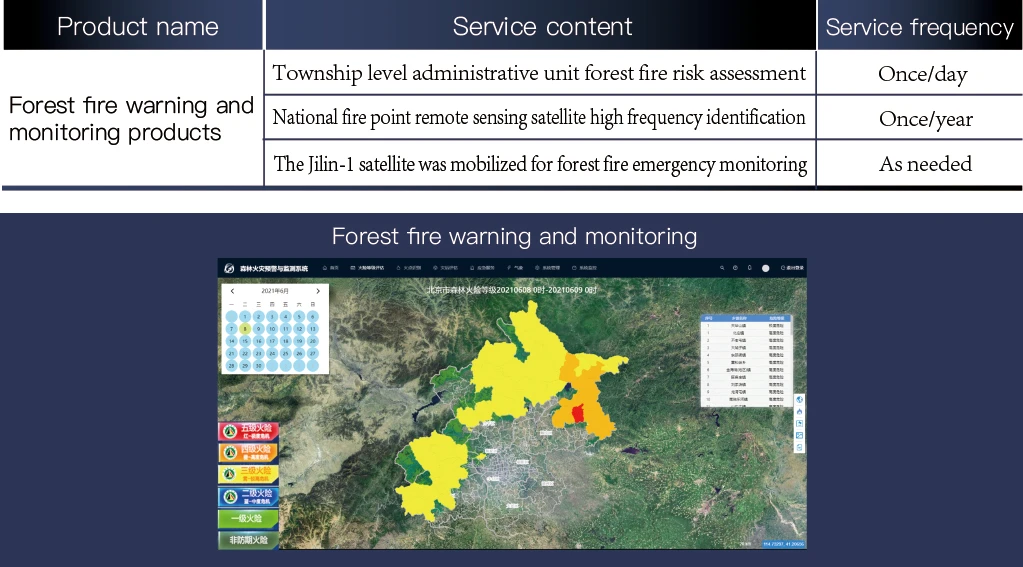
Post-disaster assessment is significantly enhanced by satellite imagery, providing rapid damage assessment, mapping affected areas, and identifying safe routes for aid delivery. Its ability to penetrate smoke and clouds (with SAR) is critical during floods or wildfires, enabling timely and effective humanitarian response. This real-time information is processed by robust data acquisition system for immediate use.
Defense and Intelligence: Surveillance and Security
For defense and intelligence agencies, satellite imagery provides persistent surveillance capabilities, monitoring strategic locations, tracking activities, and supporting situational awareness. It is a vital component for border security, threat assessment, and mission planning, offering a global perspective without requiring physical presence.
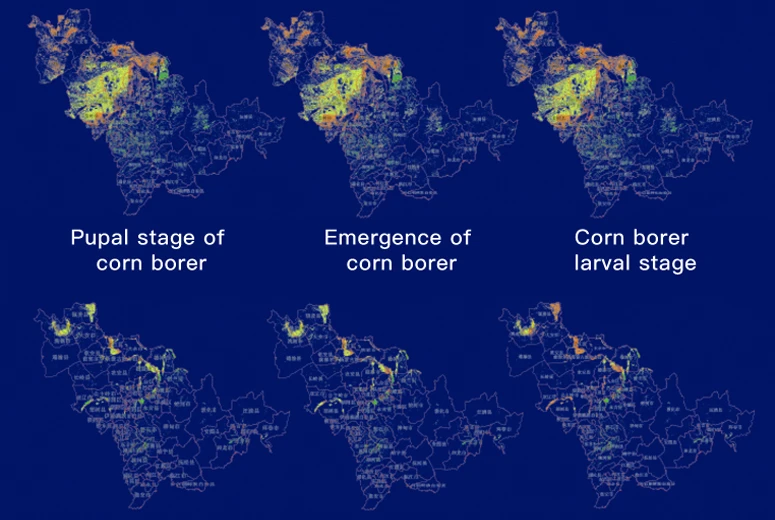
Precision agriculture leveraging satellite imagery for crop health monitoring.
Technical Advantages of Satellite Imagery for B2B Decision-Makers
Leveraging satellite data offers several distinct advantages over traditional data collection methods, translating directly into tangible benefits for businesses:
- Global Coverage and Accessibility: Satellites provide a unique vantage point, offering consistent data acquisition across vast, remote, or inaccessible regions worldwide, where ground-based surveys would be impractical, costly, or dangerous.
- Non-Intrusive Monitoring: Data is collected remotely, eliminating the need for on-site personnel or equipment, thus reducing operational risks, costs, and environmental impact. This is particularly beneficial for sensitive or hazardous industrial sites.
- Historical Archives for Trend Analysis: Extensive archives of past imagery enable powerful historical analysis, trend identification, and baseline mapping. This longitudinal data is crucial for understanding long-term environmental changes, infrastructure degradation, or urban development patterns.
- Cost-Effectiveness at Scale: While initial investment in satellite data can be significant, for large areas or frequent monitoring, it often proves more cost-effective than aerial surveys or ground-based methods over the long term. Economies of scale are particularly evident with subscriptions to extensive data archives.
- Objectivity and Consistency: Satellite sensors provide standardized, calibrated data, ensuring consistency across different acquisition times and locations, which is critical for comparative analysis and reliable modeling.
- All-Weather Capability with SAR: SAR data overcomes limitations of optical imagery by imaging through clouds, smoke, and at night. This ensures continuous monitoring capabilities crucial for time-sensitive applications and regions with frequent adverse weather.
These advantages contribute to enhanced operational efficiency, informed strategic planning, and robust risk management for B2B enterprises.
Vendor Comparison: Selecting the Right Satellite Imagery Provider
Choosing the optimal satellite imagery provider requires careful consideration of various factors, including resolution, revisit time, sensor type, geographic coverage, and pricing models. The market is diverse, with providers specializing in different types of data and service offerings.
Table 2: Comparison of Leading Commercial Satellite Imagery Providers (Illustrative)
| Provider | Key Sensor Type(s) | Typical Spatial Resolution | Revisit Rate (Illustrative) | Primary Strengths |
|---|---|---|---|---|
| Maxar Technologies | Optical (WorldView, GeoEye) | 30 cm – 50 cm | Daily (multiple revisits possible) | Highest optical resolution, extensive archive, defense/intelligence focus. |
| Planet Labs | Optical (Dove, SkySat) | 72 cm – 3.7 m | Daily global coverage (Doves), sub-daily (SkySats) | High temporal resolution, large constellations, change detection. |
| Airbus Defence and Space | Optical (Pleiades, SPOT) | 50 cm – 1.5 m | Daily (with tasking) | Reliable data, European focus, defense/intelligence, land use. |
| Capella Space | SAR | 50 cm – 1 m (Spotlight mode) | Hourly (regional) to daily (global) | High-resolution SAR data, all-weather, day/night imaging. |
| ICEYE | SAR | 25 cm – 1 m (Spotlight mode) | Hourly (regional) to daily (global) | Rapid revisit SAR, maritime domain awareness, disaster monitoring. |
When evaluating providers, consider not only raw data parameters but also their API capabilities, data processing services, integration support for your data acquisition system, and the extent of their historical archives. Custom solutions often involve combining data from multiple sources to meet unique project requirements.
Customized Solutions and Data Integration Strategies
For many B2B applications, off-the-shelf satellite data may require further refinement and integration to unlock its full value. Custom solutions often involve:
- Tailored Data Products: Developing bespoke analytical outputs, such as specific indices for crop health, precise change detection algorithms for infrastructure monitoring, or custom land cover classifications unique to a client's operational needs.
- API-Driven Integration: Seamlessly integrating live and archived satellite data feeds directly into a client's existing Geographic Information System (GIS), enterprise resource planning (ERP) system, or custom data acquisition system using robust APIs. This ensures that spatial intelligence is available precisely where and when it's needed.
- Advanced data management and Storage: Implementing scalable cloud-based solutions for managing large volumes of satellite data, coupled with efficient indexing and retrieval mechanisms. This is crucial for organizations dealing with extensive historical archives or high-frequency monitoring tasks.
- Developing Custom spatial databases: Creating purpose-built spatial databases that combine satellite imagery with other geospatial layers (e.g., cadastral data, IoT sensor data, demographic information) to provide a holistic view for complex analysis and decision support.
- On-Demand Tasking and Alert Systems: Setting up systems to automatically task satellites for imaging specific areas based on predefined triggers (e.g., abnormal sensor readings, severe weather alerts) and generating automated alerts when changes are detected in the imagery.
These customized approaches empower businesses to move beyond generic mapping to highly specific, actionable intelligence that drives operational excellence and strategic advantage.
Application Case Studies: Satellite Imagery in Action
Real-world examples demonstrate the transformative power of satellite data:
Case Study 1: Agricultural Yield Optimization in the Midwest
A large agricultural cooperative in the U.S. Midwest implemented a satellite-based crop monitoring solution. By integrating daily multispectral imagery with their data acquisition system, they could generate highly accurate vegetation health maps. This allowed farmers to identify areas of stress due to water scarcity, nutrient deficiency, or pest outbreaks at early stages. The result was a 15% reduction in fertilizer and water usage across their fields, coupled with an average 5% increase in yield due to targeted interventions. This approach demonstrated significant energy saving and resource efficiency.
Case Study 2: Infrastructure Integrity Monitoring for an Energy Provider
A major European energy provider utilized high-resolution SAR data to monitor ground deformation along its critical pipeline infrastructure in geologically active regions. The SAR-based interferometry (InSAR) detected sub-centimeter-level changes in ground elevation, indicating potential pipeline stress points. This proactive monitoring allowed the company to perform preventative maintenance, significantly reducing the risk of costly leaks or ruptures, and extending the service life of their assets while ensuring environmental protection and mitigating corrosion risks.
Case Study 3: Environmental Compliance for a Mining Operation
A mining corporation in Australia integrated archived and new satellite imagery into their environmental data management platform. They used time-series analysis to monitor changes in tailing pond levels, vegetation regrowth in rehabilitated areas, and the extent of their operational footprint. This data provided incontrovertible evidence of compliance with environmental regulations, streamlined reporting to regulatory bodies, and helped proactively manage their environmental impact, showcasing robust adherence to ISO 14001 standards.
Ensuring Quality and Trustworthiness ( Standards)
For B2B applications, the reliability and credibility of geospatial data are paramount. Adherence to Google's (Expertise, Experience, Authoritativeness, Trustworthiness) principles is embedded in our approach to delivering satellite imagery solutions.
Expertise and Authoritativeness:
Our solutions are built upon decades of collective experience in remote sensing, geospatial engineering, and data science. We leverage sensors developed by leading aerospace companies, subject to stringent manufacturing and calibration standards. Data processing pipelines adhere to international standards such as ISO 19100 series for Geographic Information, ensuring geometric and radiometric accuracy. Our team comprises certified GIS professionals and remote sensing specialists who apply industry best practices in every project.
Experience and Trustworthiness:
We have a proven track record, having partnered with numerous Fortune 500 companies and government agencies across various sectors for over 15 years. Our long-standing client relationships are built on consistent delivery of high-quality, actionable intelligence. All data products undergo rigorous quality assurance (QA) protocols, including independent verification and validation against ground truth data, where applicable. Our processes ensure transparent data provenance and traceability, vital for critical decision-making.
Frequently Asked Questions (FAQ)
- Q: What is the typical lead time for new satellite data acquisition?
- A: For routine acquisitions over accessible areas, lead times can range from 24-72 hours, depending on satellite tasking schedules and weather conditions. Urgent tasking for disaster response can sometimes be fulfilled within hours, leveraging constellations with high revisit rates. Archival data is typically available instantly.
- Q: What kind of warranty do you offer on data quality?
- A: We guarantee that all delivered satellite data products meet specified technical parameters (e.g., spatial accuracy, radiometric fidelity) as outlined in the service level agreement (SLA). In the rare event that data does not meet these standards, we offer re-acquisition or a full refund, ensuring client satisfaction and data reliability.
- Q: How does your customer support work for B2B clients?
- A: Our B2B clients receive dedicated account management and technical support. This includes 24/7 online support, direct phone lines to expert geospatial engineers, and tailored training sessions for integrating data into your workflows. We provide ongoing assistance for custom solutions, API integration, and troubleshooting to ensure seamless operation of your data acquisition system.
- Q: Can you integrate satellite data with our existing spatial databases?
- A: Absolutely. Our solutions are designed for interoperability. We provide flexible APIs and work closely with your IT and GIS teams to ensure seamless integration of our data feeds and derived products into your existing spatial databases and geospatial platforms. We support common industry formats and protocols.
Lead Time, Warranty, and Customer Support
We understand the critical nature of timely and reliable data for B2B operations. Our commitments are designed to provide unparalleled service and peace of mind.
- Lead Time & Fulfillment: For existing archive data, fulfillment is typically instantaneous via cloud access or within hours for larger downloads. New tasking for optical satellite data can be scheduled and delivered within 1-3 business days, depending on weather and satellite availability. SAR data, due to its all-weather capability, often allows for faster acquisition and delivery. Specific timelines are always confirmed upon order.
- Warranty Commitments: All delivered data products are warranted to meet or exceed the specified technical parameters and quality standards. This includes geometric accuracy (e.g., RMSE values), radiometric consistency, and completeness of coverage. Any deviation will be addressed through re-acquisition, reprocessing, or credit, ensuring our clients receive the exact data they require for mission-critical tasks.
- Customer Support: Our dedicated B2B support team provides comprehensive technical assistance, integration guidance, and domain expertise. Support is available through various channels, including a priority helpline, email, and a client portal with FAQs and documentation. We pride ourselves on responsive and knowledgeable support to maximize the utility of your data management system and derived insights.
Conclusion
The strategic integration of satellite imagery into B2B operations offers a transformative pathway to enhanced decision-making, operational efficiency, and sustainable growth. With ongoing advancements in sensor technology, analytical methodologies, and cloud-based platforms, the capabilities of satellite-derived intelligence continue to expand. By understanding the intricate process from data acquisition to refined insights, businesses can unlock unparalleled value, ensuring they remain at the forefront of their respective industries.
References
- United States Geological Survey (USGS). (n.d.). Earth Explorer. Retrieved from https://earthexplorer.usgs.gov/
- European Space Agency (ESA). (n.d.). Copernicus Open Access Hub. Retrieved from https://scihub.copernicus.eu/
- ISO 19115: Geographic information – Metadata. International Organization for Standardization. Retrieved from https://www.iso.org/standard/26020.html
- National Aeronautics and Space Administration (NASA). (n.d.). NASA Earth Observations (NEO). Retrieved from https://neo.sci.gsfc.nasa.gov/