Graphitic Heat-Conducting Film-SpaceNavi Co., Ltd.|High Thermal Conductivity&Flexibility
Thermal management has become a critical challenge in modern engineering, particularly in high-performance electronics, aerospace, and industrial systems. The Graphitic Heat-Conducting Film by SpaceNavi Co., Ltd. represents a groundbreaking solution, combining exceptional thermal conductivity with flexibility and durability. This article explores the product's features, technical specifications, applications, and the company's commitment to innovation, supported by authoritative insights from the National Institute of Standards and Technology (NIST).
Product Overview: A New Era in Thermal Conductivity
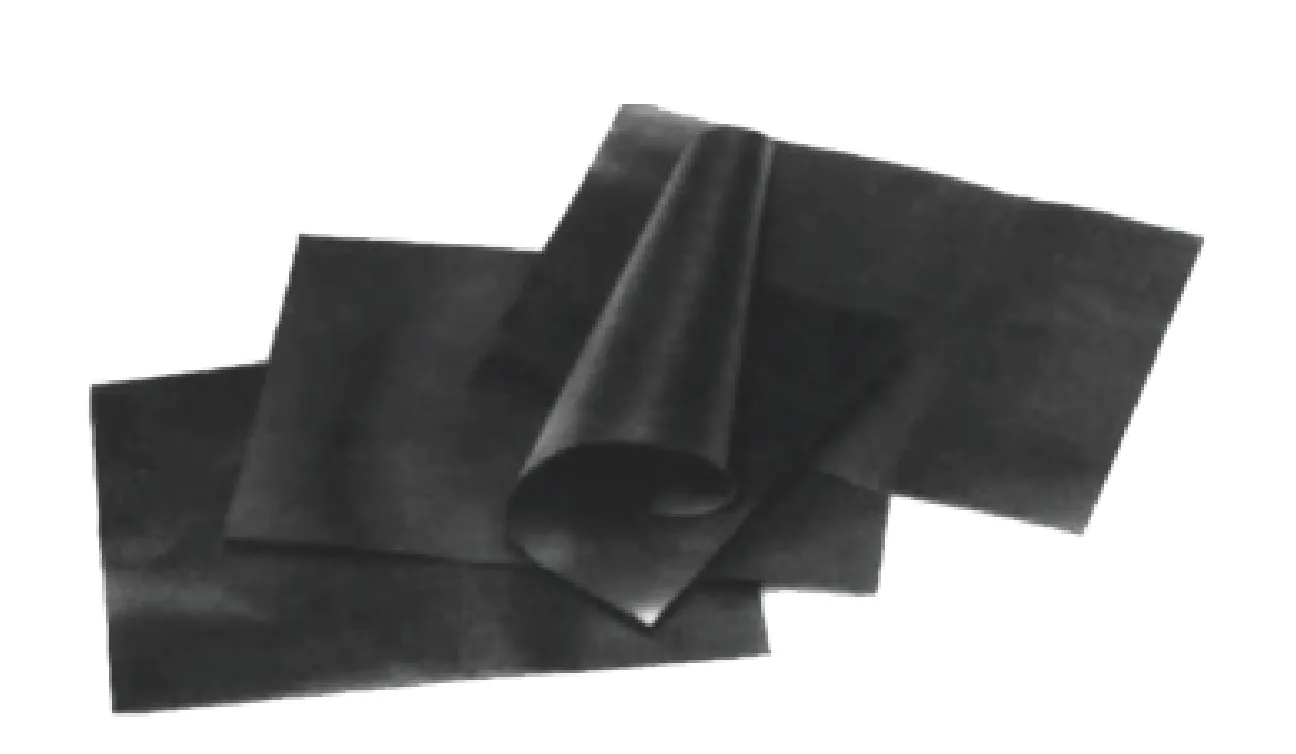
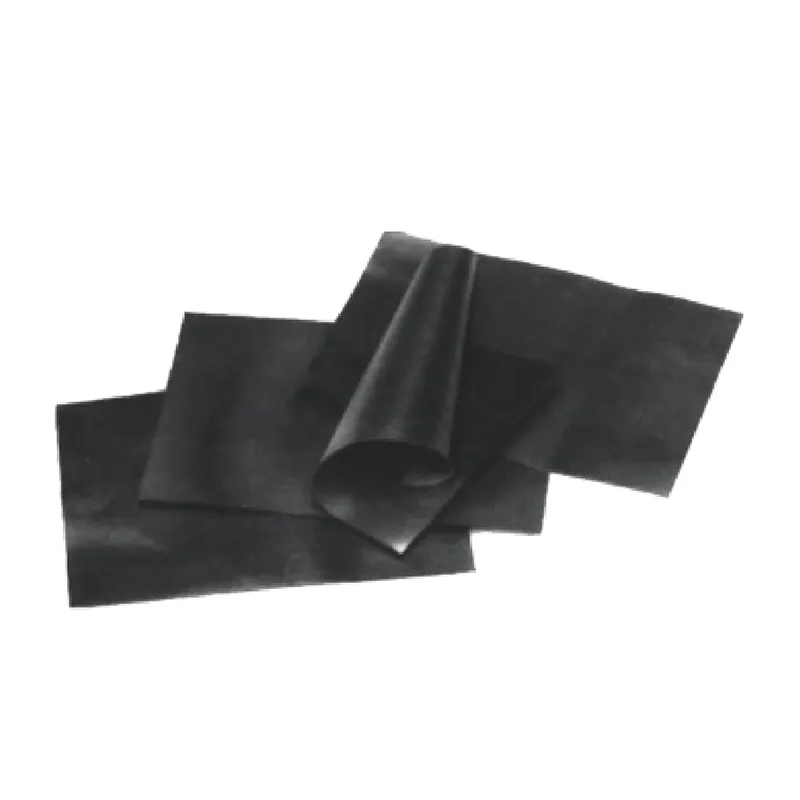
The Graphitic Heat-Conducting Film is a cutting-edge material engineered to address the growing demand for efficient heat dissipation. Unlike traditional thermal interface materials, this film leverages the unique properties of graphite to achieve unparalleled thermal conductivity. Its low density, flexibility, and wide operating temperature range make it an ideal choice for diverse applications, from consumer electronics to advanced aerospace systems.
Key Features and Advantages
What sets the Graphitic Heat-Conducting Film apart from conventional materials is its combination of performance, versatility, and reliability. Here are the standout features:
- Exceptional Thermal Conductivity: With a thermal conductivity coefficient of ≥1500 W/m·K, this film outperforms most traditional materials, ensuring rapid heat transfer and efficient temperature regulation.
- Wide Operating Temperature Range: The film functions effectively in extreme conditions, operating between -150°C and 150°C, making it suitable for both cryogenic and high-temperature environments.
- Ultra-Thin and Lightweight: With a thickness range of 0.07–0.2 mm and a density of 1800 kg/m³, it is ideal for applications where space and weight are critical factors.
- Flexibility and Durability: The film's flexibility allows it to conform to complex shapes, while its robust construction ensures long-term reliability under mechanical stress.
- Short Supply Cycle: With a production lead time of just 10 days, the product meets the demands of time-sensitive projects.
Technical Specifications: Precision Meets Performance
| Item | Performance Parameter |
|---|---|
| Operating Temperature/℃ | -150~150℃ |
| Heat Conductivity Coefficient/W/m·K | ≥1500 |
| Thickness/mm | 0.07~0.2 |
| Density/kg/m³ | 1800 |
| Supply Cycle | 10 days |
Applications: From Electronics to Aerospace
The Graphitic Heat-Conducting Film is designed to meet the demands of modern technology. Its applications span multiple industries, including:
- Consumer Electronics: Used in smartphones, laptops, and gaming consoles to manage heat generated by high-performance processors and components.
- Industrial Equipment: Ideal for cooling systems in machinery, power supplies, and energy-efficient devices.
- Aerospace and Defense: Utilized in satellite assemblies and spacecraft to ensure thermal stability in extreme environments.
- Renewable Energy: Enhances the efficiency of solar panels and wind turbines by preventing overheating.
- Medical Devices: Provides reliable thermal management for diagnostic equipment and wearable health monitors.
Company Background: SpaceNavi Co., Ltd.
SpaceNavi Co., Ltd., based in Ningbo, China, is a leading innovator in advanced materials and thermal management solutions. The company specializes in developing high-performance products that address the evolving needs of global industries. With a focus on quality, precision, and customer satisfaction, SpaceNavi has established itself as a trusted partner for manufacturers and engineers worldwide.
As a company committed to technological advancement, SpaceNavi collaborates with research institutions and adheres to international standards to ensure its products meet the highest levels of performance and safety. Their product portfolio includes a wide range of materials tailored for specific industrial applications, reflecting their dedication to innovation and excellence.
Expert Insights: NIST's Role in Thermal Conductivity Standards
The development of advanced thermal management materials like the Graphitic Heat-Conducting Film is supported by rigorous scientific research and standardization efforts. The National Institute of Standards and Technology (NIST), a U.S. government agency, plays a pivotal role in establishing measurement standards and guidelines for materials science. According to NIST, "Precise measurements of thermal conductivity are critical for ensuring the reliability and efficiency of thermal management systems in modern technology" (NIST, 2023).
NIST's work in developing standardized testing methods for thermal conductivity has enabled manufacturers like SpaceNavi to produce materials that meet exacting performance criteria. This collaboration between industry and research institutions ensures that products like the Graphitic Heat-Conducting Film are not only innovative but also compliant with global standards.
Why Choose SpaceNavi's Graphitic Heat-Conducting Film?
When selecting a thermal management solution, several factors must be considered, including performance, cost, and reliability. The Graphitic Heat-Conducting Film excels in all these areas:
- Superior Performance: Its high thermal conductivity ensures efficient heat dissipation, reducing the risk of overheating and extending the lifespan of electronic components.
- Cost-Effective: The film's lightweight and thin design minimize material costs while maximizing thermal efficiency.
- Customizable: SpaceNavi offers tailored solutions to meet the specific requirements of different applications, ensuring optimal performance in diverse environments.
- Environmental Sustainability: The product is designed with eco-friendly manufacturing processes, aligning with global efforts to reduce carbon footprints.
Conclusion: A Future-Ready Thermal Solution
The Graphitic Heat-Conducting Film by SpaceNavi Co., Ltd. is a testament to the power of innovation in thermal management. With its exceptional thermal conductivity, flexibility, and durability, it addresses the challenges of modern engineering while setting new benchmarks for performance. Supported by NIST's rigorous standards and SpaceNavi's commitment to quality, this product is poised to become a cornerstone of future technological advancements.
For more information about the Graphitic Heat-Conducting Film and other cutting-edge materials, visit SpaceNavi's product page. Discover how SpaceNavi is shaping the future of thermal management and driving innovation across industries.
References
NIST. (2023). https://www.nist.gov