Exploring the Essential Parts of Satellites in Modern Space Tech
Breaking Down the parts of satellites: What Really Powers Space Missions
Having spent a good chunk of my career around complex industrial systems, I never thought I'd get this engrossed in satellites. But there’s something oddly captivating about these machines flying miles above us, doing their silent homework. They aren’t just shiny gadgets with antennas—their anatomy is quite fascinating, almost like an orchestra of finely tuned parts playing in zero gravity.
A Closer Look at the Core Satellite Components
Let’s not get lost in too much jargon. At the heart of every satellite lies a few essential parts that work together to ensure it does its job—whether that’s beaming down your GPS signal or snapping high-res images of Earth. From what I’ve seen, these four stand out:
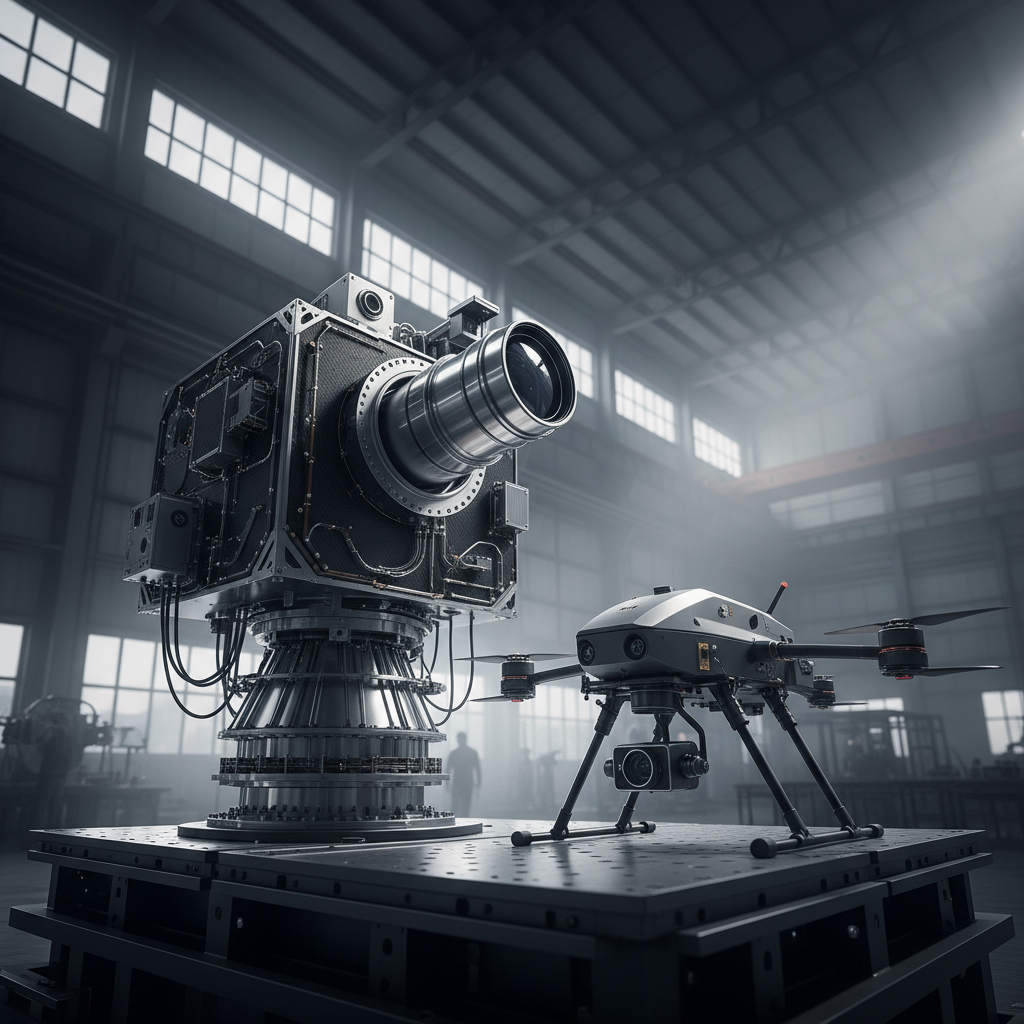
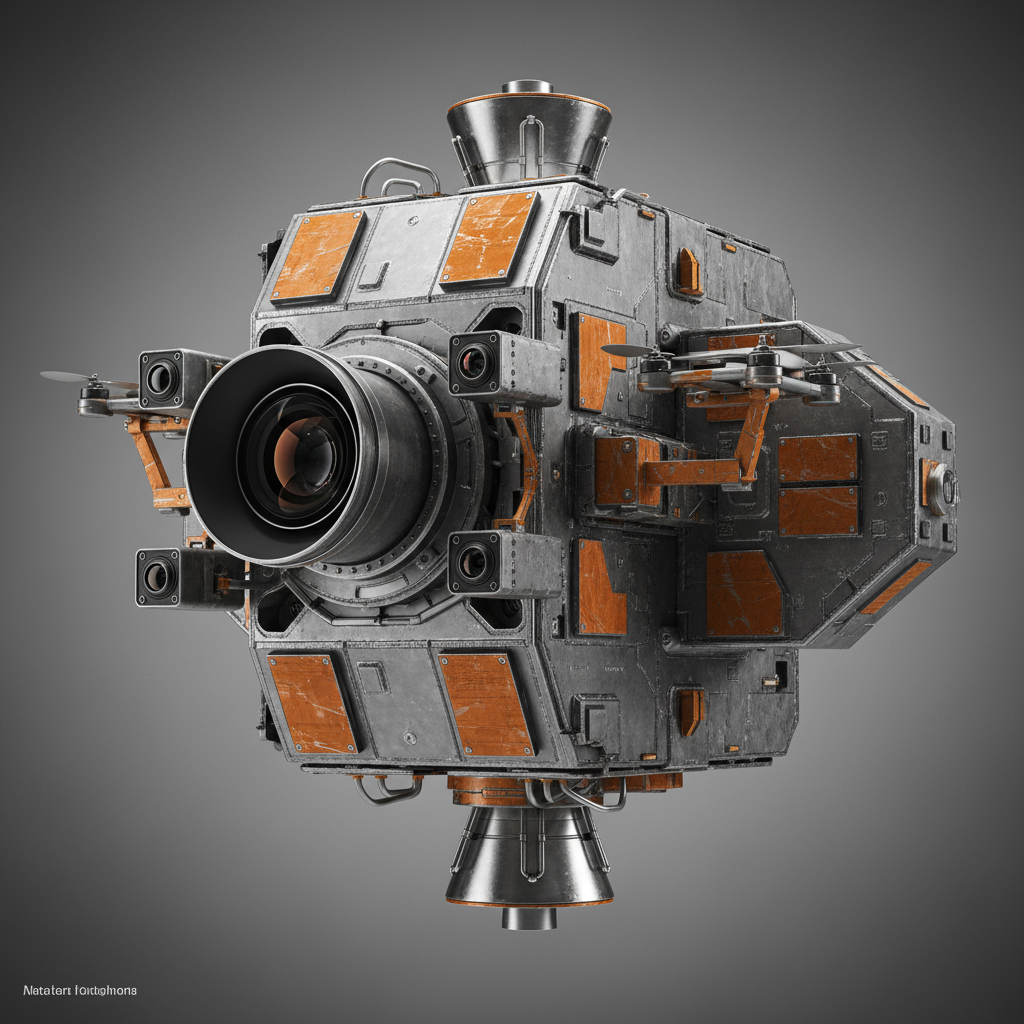
- Payload: This is the main reason the satellite exists. Think of it as the satellite’s "mission package." It might be cameras, sensors, transponders—the stuff that collects or transmits data.
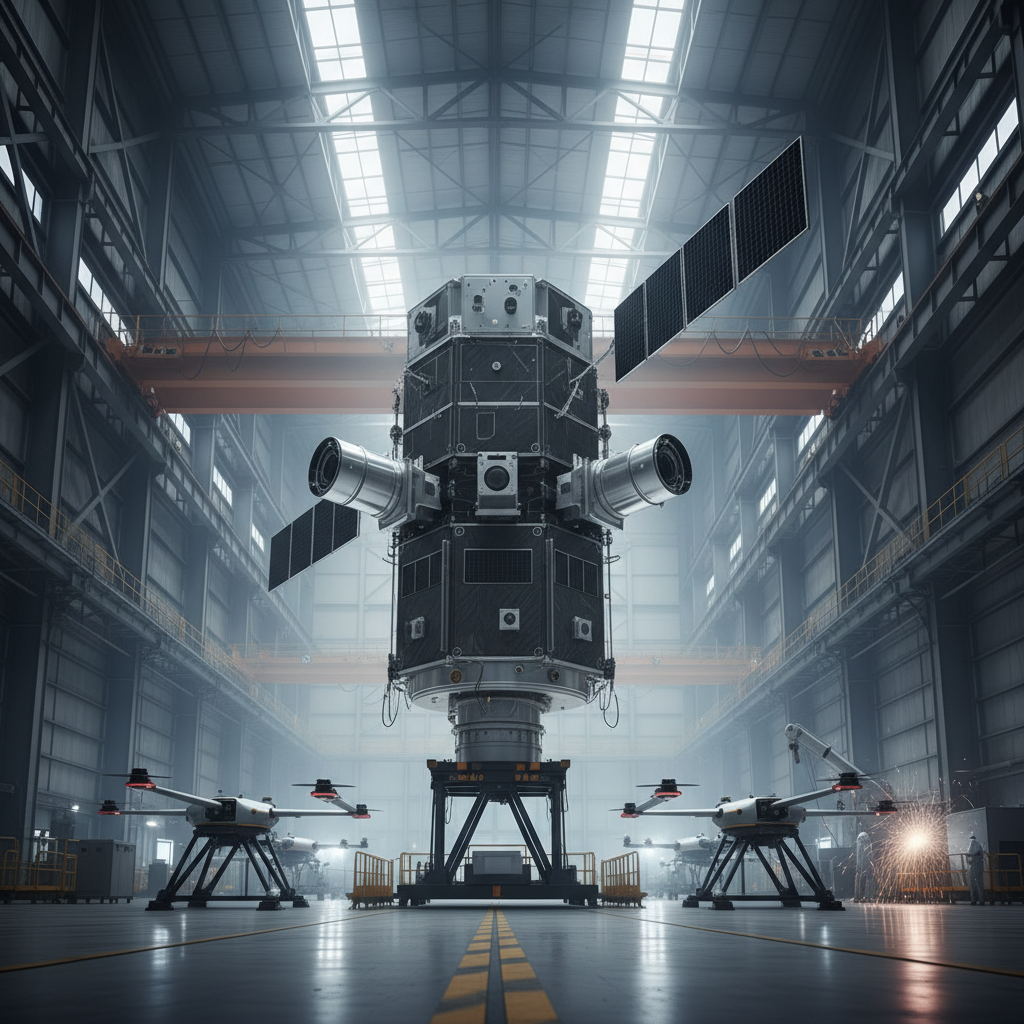
- Bus/Structure: Often overlooked, but crucial. This frame supports everything else and keeps the satellite intact during launch’s violent shake-up. I always admire the clever engineering here because the structure has to be super light yet tough enough not to snap.
- Power System: Usually solar panels paired with rechargeable batteries. It's the satellite's lifeline. Without enough juice, the whole operation’s dead in space.
- Communication System: The ears and mouth of the satellite—antennas and transceivers that handle data exchange between Earth and orbit.
Pulling all this together is no walk in the park. Each piece requires precise integration and testing. Honestly, satellite engineering is like playing 3D chess — you have to anticipate every variable, especially when once it’s launched, there’s no turning back.
Product Specifications for a Typical Earth Observation Satellite
| Component | Specification | Typical Material/Tech |
|---|---|---|
| Payload (Imaging Sensor) | High-resolution multispectral camera | CCD or CMOS sensors, optical glass lenses |
| Bus/Structure | Lightweight aluminum or composite frame | Aluminum alloy, carbon fiber composite |
| Power System | Solar arrays with Li-ion batteries | Silicon-based solar cells, Li-ion cells |
| Communication System | UHF/VHF transceiver with parabolic antennas | Copper antenna elements, RF amplifiers |
Satellite Vendors: How They Stack Up
Now, here’s something folks in the industry often debate over: which vendor best suits your project? Years ago, I saw how different manufacturers approach the same problem in wildly diverse ways. Some favor innovative composites; others swear by proven metals and redundancy.
| Vendor | Specialty | Typical Satellite Class | Price Range |
|---|---|---|---|
| AeroSat Dynamics | Small satellite platforms, rapid deployment | CubeSats & Microsats | $500K - $2M |
| Stellar Orbital Systems | High-powered communications satellites | Geostationary Satellites | $50M+ |
| TerraTech Components | Earth observation and environmental monitoring | Small to Medium Satellites | $5M - $25M |
Funny enough, I recall a client once worried about switching vendors mid-design. They feared a "space-grade" vendor would be too rigid, unyielding. But the turnaround ended up smoother than expected. Flexibility and communication go a long way.
In real terms, the magic of satellites isn’t just in the tech specs but in how these parts meld into a machine that withstands the harshness of orbit — radiation, extreme temps, micrometeoroids — all while faithfully delivering data. And that makes you appreciate the engineering marvel that is a satellite.
If you’d like to delve deeper, this site has some great resources on satellite technology that I often point engineers toward. It’s a solid place to explore more details without feeling overwhelmed.