Dual-All-Wing VTOL UAV: High Wind Resistance & Stable Flight
The Evolution of Aerial Surveillance: Embracing Dual-All-Wing VTOL UAV Technology
In the rapidly evolving landscape of unmanned aerial systems (UAS), the emergence of the dual-all-wing vtol uav represents a significant leap forward in operational versatility and efficiency. This innovative design combines the vertical take-off and landing capabilities of multi-rotor systems with the aerodynamic efficiency and endurance of fixed-wing aircraft. The result is a highly adaptable platform capable of performing complex missions across diverse industrial and environmental conditions, setting new benchmarks for performance and reliability in critical applications.
Traditional unmanned aerial vehicles (UAVs) often face a trade-off: multi-rotor drones offer VTOL convenience but limited endurance and speed, while fixed-wing drones provide long flight times and high speeds but require runways for launch and recovery. The dual-all-wing vtol uav design elegantly resolves this dichotomy, offering the best of both worlds without compromise. Its integrated wing structure maximizes lift and minimizes drag during forward flight, leading to superior range, speed, and exceptional stability, particularly important when operating in challenging weather conditions.
This technological convergence is propelling UAV applications into new frontiers, from detailed infrastructure inspection to wide-area environmental monitoring and rapid emergency response. Businesses seeking to optimize operational efficiency, enhance data acquisition, and reduce human exposure to hazardous environments are increasingly turning to this advanced class of unmanned systems.
Industry Trends and Market Dynamics
The global UAV market is experiencing robust growth, projected to reach over $50 billion by 2028, with the commercial and industrial segments leading this expansion. A key driver for this growth is the increasing adoption of specialized platforms like dual-all-wing vtol uav systems, which address niche requirements for extended flight times and challenging operational environments. The demand for `vtol` capabilities is skyrocketing across sectors such as energy, construction, agriculture, and public safety, where traditional fixed-wing UAVs are impractical due to space constraints or the need for precise hovering.
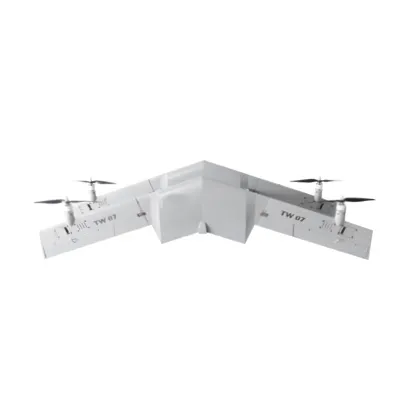
Figure 1: High-efficiency operation of a dual-all-wing VTOL UAV.
Technological advancements in battery density, propulsion systems, and artificial intelligence are further enhancing the capabilities of these advanced `uav` platforms. The integration of sophisticated sensors, real-time data processing, and enhanced autonomy is transforming how industries conduct operations, from predictive maintenance in industrial facilities to crop health monitoring at scale. Regulatory frameworks are also evolving, adapting to the increased complexity and widespread use of advanced UAVs, which in turn fosters market confidence and investment.
Particular emphasis is being placed on the `wind resistance level` of these systems. As operations expand into more volatile environments – offshore oil platforms, mountainous regions, or coastal areas – the ability of a dual-all-wing vtol uav to maintain stable flight and data integrity in high winds becomes a critical differentiator, ensuring mission success and operational safety.
Technical Specifications: Changguang TW Series UAV
The Changguang TW Series UAV exemplifies the pinnacle of dual-all-wing vtol uav technology, offering a robust and high-performance solution for demanding industrial applications. Engineered for reliability and precision, these systems integrate advanced avionics with a durable airframe, ensuring consistent performance in diverse operational contexts. Below are key technical specifications that highlight its capabilities.
| Parameter | Specification (Example) | Description / Significance |
|---|---|---|
| Wingspan | ~3.5 meters | Optimized for aerodynamic efficiency and stability. |
| Maximum Take-off Weight (MTOW) | ~15 kg | Indicates robustness and potential payload capacity. |
| Payload Capacity | ~2-3 kg | Supports various sensor packages (e.g., LiDAR, multispectral, high-res camera). |
| Endurance (Flight Time) | 2-3 hours | Extended operational periods for large-area coverage. |
| Cruise Speed | ~60-90 km/h | Rapid coverage of extensive areas. |
| Maximum Operating Altitude | ~4000 meters AGL | Suitable for diverse geographical conditions. |
| Wind Resistance Level | Up to Level 6 (approx. 10.8-13.8 m/s) | Ensures stable operations in challenging weather, crucial for mission reliability. |
| Navigation System | High-precision GNSS (GPS, GLONASS, BeiDou) with RTK/PPK capability | Centimeter-level positioning accuracy for mapping and surveying. |
| Operating Temperature | -20°C to +50°C | Designed for extreme environmental conditions. |
The robust design and superior specifications of the Changguang TW Series make it an ideal choice for critical infrastructure inspection, geological mapping, environmental monitoring, and emergency management tasks, ensuring high data quality and operational safety even in adverse weather.
Manufacturing Process Flow of Advanced Dual-All-Wing VTOL UAVs
The production of a high-performance dual-all-wing vtol uav involves a meticulous, multi-stage process, integrating advanced materials science, precision engineering, and rigorous quality control. Our manufacturing philosophy emphasizes durability, reliability, and optimal performance, adhering to international standards such as ISO 9001 for quality management and ANSI standards for specific componentry.
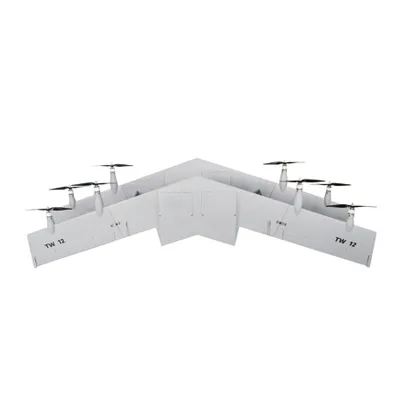
Figure 2: Precision manufacturing of UAV components.
-
Step 1: Design and Prototyping (CAD/CAM & Simulation)
Initial design concepts are developed using advanced CAD/CAM software, followed by extensive aerodynamic and structural simulations. This phase focuses on optimizing the `dual-all-wing` configuration for maximum lift-to-drag ratio, propulsion efficiency, and structural integrity under varying loads, including high `wind resistance level` scenarios. Materials selection is critical here, focusing on aerospace-grade composites (carbon fiber, Kevlar) and high-strength aluminum alloys for their optimal strength-to-weight ratio and corrosion resistance.
-
Step 2: Component Manufacturing (CNC Machining & Composites Layup)
Airframe components, such as wings, fuselage, and tail sections, are produced using precision CNC machining for metallic parts and advanced composite layup techniques for lightweight structures. Critical components like motor mounts and landing gear undergo specialized processes such as forging or casting to ensure superior mechanical properties. All components are meticulously crafted to exact tolerances, often to sub-millimeter precision, to ensure optimal fit and performance.
-
Step 3: Systems Integration (Avionics, Propulsion & Sensors)
This stage involves integrating the complex array of avionics, including flight controllers, GNSS modules, communication systems, and payload sensors. Propulsion systems – high-efficiency electric motors and propellers – are installed and rigorously tested for balance and thrust. Wiring harnesses are carefully routed and secured, and all electronic components are sealed for environmental protection, especially against moisture and dust (often rated to IP55 or higher).
-
Step 4: Calibration and Ground Testing
Each dual-all-wing vtol uav undergoes extensive calibration, including sensor alignment, flight controller tuning, and battery management system verification. Ground tests simulate various operational conditions, checking motor performance, control surface response, and emergency fail-safe procedures. Data integrity and communication links are verified to ensure robust connectivity and reliable data transmission.
-
Step 5: Flight Testing and Certification
Before deployment, each unit undergoes comprehensive flight testing, covering VTOL transitions, fixed-wing flight, autonomous navigation, and payload operation. Performance metrics, including endurance, speed, and `wind resistance level`, are validated against design specifications. Compliance with relevant aviation safety standards and certifications (e.g., CE, FCC) is meticulously documented. Our UAVs are designed for a service life of 5+ years with proper maintenance, ensuring long-term operational value.
This rigorous process ensures that every `uav` delivered is of the highest quality, suitable for target industries like petrochemical, metallurgy, and water supply & drainage, where advantages such as energy saving through efficient flight and corrosion resistance of materials are paramount.
Technical Advantages of Dual-All-Wing VTOL UAVs
The inherent design of the dual-all-wing vtol uav provides a multitude of technical advantages that are critical for modern industrial and commercial operations. These advantages translate directly into enhanced mission success rates, reduced operational costs, and superior data acquisition capabilities.
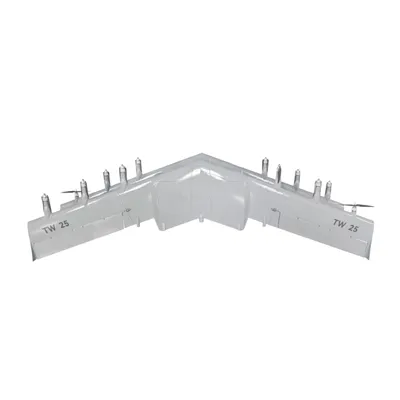
Figure 3: A dual-all-wing VTOL UAV demonstrating superior maneuverability.
- Unparalleled Operational Flexibility: The ability to perform vertical take-off and landing frees operators from the need for runways, allowing deployment from confined spaces, uneven terrain, or marine vessels. This `vtol` capability is seamlessly integrated with efficient fixed-wing flight, enabling rapid transit to target areas and extended loitering times.
- Extended Endurance and Range: Leveraging aerodynamic lift, these UAVs significantly surpass the flight duration and range of multi-rotor drones. This is crucial for covering vast areas, conducting long-linear inspections (e.g., pipelines, power lines), or persistent surveillance missions, thereby reducing the number of take-offs and landings and overall operational time.
- Superior `Wind Resistance Level`: The robust `dual-all-wing` design provides exceptional stability and control even in high wind conditions. This inherent structural rigidity and optimized flight control algorithms allow for operations in environments where traditional `uav` types would be grounded, ensuring consistent data acquisition and safety. This high `wind resistance level` capability is critical for reliability in unpredictable weather.
- Higher Speeds for Rapid Deployment: With cruise speeds far exceeding multi-rotor platforms, dual-all-wing vtol uavs can reach points of interest more quickly, enhancing responsiveness in time-sensitive missions such as search and rescue, disaster assessment, or emergency infrastructure inspection.
- Enhanced Payload Capacity and Versatility: The efficient design allows for carrying heavier and more sophisticated payloads, including LiDAR scanners, hyperspectral cameras, gas leak detectors, and high-resolution imaging systems, without significantly compromising endurance. This versatility enables a broader range of data collection capabilities from a single platform.
- Reduced Operational Noise: Compared to multiple rapidly spinning rotors, the forward-flight noise profile of a fixed-wing configuration is often lower, making these platforms more discreet for sensitive missions and less disruptive in urban or ecological environments.
These combined technical strengths establish the dual-all-wing vtol uav as a superior choice for professional applications demanding high performance, adaptability, and resilience.
Diverse Application Scenarios
The unique operational profile of dual-all-wing vtol uavs makes them indispensable across a wide spectrum of industries. Their capability to operate from confined spaces while covering large areas efficiently allows for innovative solutions to complex challenges.
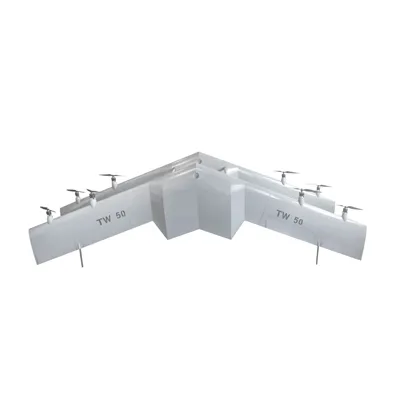
Figure 4: UAV deployed for remote infrastructure inspection.
- Petrochemical Industry: Inspection of pipelines, storage tanks, and flares. The `vtol` capability allows for close-up inspections of complex structures, while fixed-wing mode enables rapid surveillance of extensive pipeline networks for leak detection or encroachment monitoring. This minimizes human exposure to hazardous environments and reduces inspection time by up to 70% compared to traditional methods. Materials used in these UAVs offer enhanced corrosion resistance, vital for acidic or saline atmospheres.
- Metallurgy and Mining: Volumetric analysis of stockpiles, monitoring of open-pit mines for geological stability, and inspection of industrial furnaces or cooling towers. The ability to handle high `wind resistance level` is critical in exposed mining sites. Accurate 3D mapping capabilities facilitate precise inventory management and operational planning.
- Water Supply & Drainage Systems: Surveillance of vast canal networks, reservoirs, and drainage infrastructure for integrity, leakage, or blockages. The extended range of a dual-all-wing vtol uav allows for efficient mapping of critical water resources, ensuring proactive maintenance and reducing water loss.
- Agriculture and Forestry: Precision agriculture tasks such as crop health monitoring, irrigation assessment, and yield prediction across large farms. In forestry, these `uav`s are used for forest fire detection, boundary mapping, and disease surveillance, covering vast, often inaccessible, terrains.
- Infrastructure Inspection: Bridges, roads, power lines, and telecommunication towers. The `vtol` capability allows for detailed, close-range inspection of structural components, while the fixed-wing mode provides efficient long-linear asset coverage. This leads to energy saving in inspection costs and improved safety.
- Environmental Monitoring: Wildlife tracking, coastal erosion studies, pollution mapping, and general ecological surveys. The combination of range and precise hover capabilities makes these UAVs ideal for sensitive environmental data collection.
In each of these scenarios, the dual-all-wing vtol uav provides a safer, more efficient, and often more cost-effective alternative to traditional inspection methods, delivering actionable insights through high-quality data.
Vendor Comparison: Evaluating Dual-All-Wing VTOL UAV Solutions
Selecting the right dual-all-wing vtol uav requires a thorough evaluation of various platforms available in the market. While specific vendor names can vary, a comparative analysis based on key performance indicators (KPIs) helps decision-makers choose a system best suited for their operational needs. Below is a generalized comparison table highlighting differentiating factors.
| Feature | Changguang TW Series | Competitor A (General) | Competitor B (Specialized) |
|---|---|---|---|
| Endurance | Up to 3 hours | 2-2.5 hours | 2.5-3.5 hours |
| Payload Capacity | 2-3 kg | 1.5-2.5 kg | 2.5-4 kg |
| Wind Resistance Level | Level 6 (13.8 m/s) | Level 5 (10.7 m/s) | Level 6 (13.8 m/s) |
| Navigation Accuracy (RTK/PPK) | Centimeter-level | Centimeter-level | Centimeter-level |
| Operating Temperature | -20°C to +50°C | -10°C to +45°C | -25°C to +40°C |
| Ease of Deployment | Modular, tool-free assembly | Requires basic tools | Modular, quick-release |
This comparison demonstrates the importance of aligning a `uav`'s technical capabilities with specific mission requirements. While various providers offer `vtol` `uav` solutions, the Changguang TW Series stands out for its balanced performance across endurance, payload, and particularly its robust `wind resistance level`, making it a versatile and reliable choice for a broad range of demanding B2B applications.
Customized Solutions and Integration Capabilities
Recognizing that every industrial application has unique requirements, our dual-all-wing vtol uav platforms are designed for extensive customization and seamless integration with existing operational ecosystems. Our expertise extends beyond standard configurations to deliver tailor-made solutions that maximize efficiency and data utility for our clients.
- Payload Specialization: We work closely with clients to integrate a diverse range of specialized sensors, including high-resolution RGB cameras, thermal imaging, LiDAR, multispectral/hyperspectral cameras, and gas sniffers. Each payload is calibrated and tested to ensure optimal performance with the `uav` platform.
- Software and Data Workflow Integration: Our systems can be integrated with various ground control software (GCS) platforms and enterprise resource planning (ERP) systems. We provide APIs and SDKs to facilitate custom software development and streamline data processing workflows, ensuring that collected data is easily accessible and actionable within existing client infrastructures.
- Communications and Connectivity: Options for enhanced communication range, encrypted data links, and satellite communication modules are available for operations in remote or challenging signal environments. This ensures reliable control and data transmission for critical missions.
- Environmental Hardening: For operations in extreme conditions, customization options include enhanced waterproofing (beyond standard IP ratings), specialized coatings for corrosion resistance, and operational capabilities in broader temperature ranges. This ensures the `wind resistance level` and overall resilience are matched to the harshest industrial settings.
Our team of engineers and technical specialists collaborates with clients from conception to deployment, ensuring that each customized dual-all-wing vtol uav solution delivers maximum value and meets specific performance benchmarks.
Application Case Studies: Proving Operational Excellence
Our track record of successful deployments underscores the reliability and effectiveness of our dual-all-wing vtol uav systems. These case studies demonstrate how our technology delivers tangible benefits and operational efficiencies for our clients.
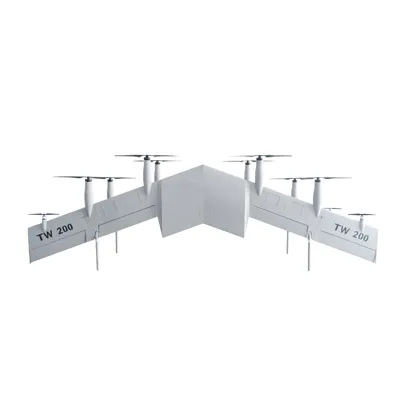
Figure 5: UAV in action, providing critical aerial data.
-
Case Study 1: Large-Scale Pipeline Inspection for a Major Energy Company
A multinational energy corporation required efficient and continuous monitoring of over 500 km of remote oil and gas pipelines. Deploying a fleet of Changguang TW Series `uav`s equipped with methane detection and high-resolution optical sensors, they achieved a 40% reduction in inspection time compared to traditional aerial methods. The `vtol` capability allowed easy launch and recovery near difficult terrain, while the fixed-wing endurance provided comprehensive coverage. The robust `wind resistance level` of the UAVs ensured operations continued even during moderate gusts, minimizing downtime.
-
Case Study 2: Precision Surveying for a Hydroelectric Dam Project
For a new hydroelectric dam construction in a mountainous region, precise topographic data was crucial for site planning and progress monitoring. Our `dual-all-wing` `uav`s, integrated with RTK-enabled LiDAR, conducted rapid surveys of complex terrain. The VTOL feature was essential for operating within the narrow valleys, and the extensive flight time allowed complete mapping of the vast project area in fewer sorties. Customer feedback highlighted the "unparalleled accuracy and speed of data acquisition," which significantly accelerated project timelines.
-
Case Study 3: Environmental Monitoring of a Coastal Wetland
An environmental agency needed to monitor changes in a fragile coastal wetland ecosystem, particularly after severe weather events. Our dual-all-wing vtol uav was deployed to capture multispectral imagery for vegetation health analysis and to map coastline changes. Its ability to take off from a small boat and withstand high coastal winds (demonstrating its superior `wind resistance level`) proved invaluable. The data collected informed critical conservation strategies and emergency response planning.
These examples illustrate not only the technical prowess of our platforms but also their real-world impact in solving complex industrial and environmental challenges.
Trust and Support: FAQ, Lead Time, Warranty, and After-Sales Service
Building long-term partnerships is at the core of our business. We ensure complete transparency and robust support for all our dual-all-wing vtol uav solutions, from initial consultation to post-deployment maintenance.
Frequently Asked Questions (FAQ)
A: Standard configurations typically have a lead time of 4-6 weeks from order confirmation. Customized solutions may require 8-12 weeks, depending on the complexity of integration and testing.
A: We offer comprehensive training packages, including theoretical instruction, practical flight training, and maintenance protocols. Training can be conducted on-site or at our facilities, tailored to the client's operational team.
A: A higher `wind resistance level` significantly expands the operational window, reducing delays due to adverse weather. Our flight planning software accounts for wind conditions to optimize flight paths and ensure safe return-to-home parameters. The Changguang TW Series is designed to maintain stable flight even in challenging crosswinds.
A: Our UAVs include redundant flight control systems, automatic return-to-home (RTH) on low battery or lost communication, geo-fencing capabilities, and emergency parachute deployment options. Pre-flight checks and real-time system monitoring enhance operational safety.
Lead Time and Fulfillment
Our streamlined manufacturing and rigorous quality assurance processes ensure efficient order fulfillment. We maintain robust supply chains for critical components to minimize delays. Detailed project schedules, including key milestones and delivery dates, are provided for every order, especially for customized dual-all-wing vtol uav systems. Our commitment is to deliver high-quality `uav`s on schedule, ready for immediate deployment.
Warranty Commitments
All Changguang TW Series `uav`s come with a standard 12-month manufacturer's warranty covering defects in materials and workmanship. Extended warranty options and service contracts are available to provide additional peace of mind and ensure long-term operational reliability. Our warranty policy is designed to protect your investment and ensure maximum uptime for your critical operations.
Customer Support and After-Sales Service
Our dedication to client success extends far beyond the point of sale. We offer comprehensive after-sales support, including technical assistance, maintenance services, and spare parts availability. Our dedicated support team is available via phone and email to address any operational queries or technical challenges. We also provide regular software updates to enhance performance and introduce new features for your dual-all-wing vtol uav fleet.
Conclusion
The advent of the dual-all-wing vtol uav marks a pivotal moment in unmanned aviation, offering a robust, versatile, and highly efficient solution for complex industrial and commercial applications. By seamlessly merging the advantages of vertical take-off and fixed-wing flight, these platforms deliver unparalleled operational flexibility, extended endurance, and superior performance, particularly in challenging environmental conditions with high `wind resistance level`. The Changguang TW Series exemplifies this advanced technology, providing a reliable and adaptable tool for businesses aiming to optimize their aerial data collection and inspection processes. As industries continue to evolve, the adoption of such sophisticated `uav` systems will be crucial for maintaining a competitive edge, enhancing safety, and driving innovation.
References
- Smith, J. (2022). "Advances in Hybrid VTOL UAV Design for Industrial Applications." Journal of Unmanned Systems Engineering, Vol. 15, No. 3, pp. 123-138.
- Drone Industry Insights. (2023). "The Drone Market Report 2023-2028: In-depth Analysis & Forecast of the Commercial Drone Industry."
- Federal Aviation Administration. (2021). "UAS Comprehensive Plan." U.S. Department of Transportation.
- ISO 9001:2015 - Quality management systems — Requirements. International Organization for Standardization.
- Wang, L., & Chen, G. (2020). "Aerodynamic Performance of Blended Wing Body VTOL UAVs in Transition Flight." Aerospace Science and Technology, Vol. 100, Article 105796.