TEL:+86 13943095588

Advanced Aerospace Manufacturing Solutions via deep learning for Ecuador

Optimizing satellite component durability and aerospace precision engineering across the Ecuadorian highlands and coastal regions using AI-driven predictive maintenance.

Advanced Aerospace Manufacturing Solutions via deep learning for Ecuador

Integrating high-precision electronic manufacturing with neural network optimization to ensure aerospace reliability in South America's unique atmospheric conditions.

Aerospace Electronics Landscape in Ecuador

Navigating the challenges of precision manufacturing in a diverse geographic terrain.

The aerospace and electronic manufacturing sector in Ecuador is currently transitioning from basic assembly to high-tech integration. Due to the extreme altitude variations between Quito and Guayaquil, components face significant thermal stress, necessitating rigorous compliance regulations to ensure safety and operational integrity.

Local manufacturers are struggling with the high cost of quality assurance. The adoption of machine learning models is becoming critical to predict component failure caused by humidity and volcanic ash particulates common in the Andean region.

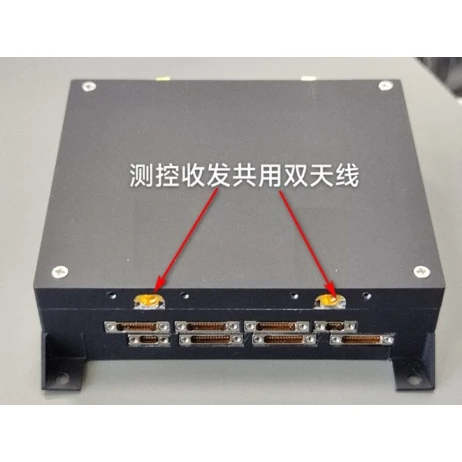
Currently, there is a growing demand for localized satellite ground station hardware. This shift requires a sophisticated understanding of the revisit period of orbital assets to optimize the manufacturing of terrestrial receiving antennas and communication modules.
Evolution of Aerospace Electronics in Ecuador

From manual calibration to AI-autonomous manufacturing cycles.

Market Development History

Between 2010 and 2015, Ecuador's aerospace sector focused primarily on the maintenance of commercial avionics. Manufacturing was limited to simple electronic housings and basic wiring harnesses, relying on imported standards without local optimization.

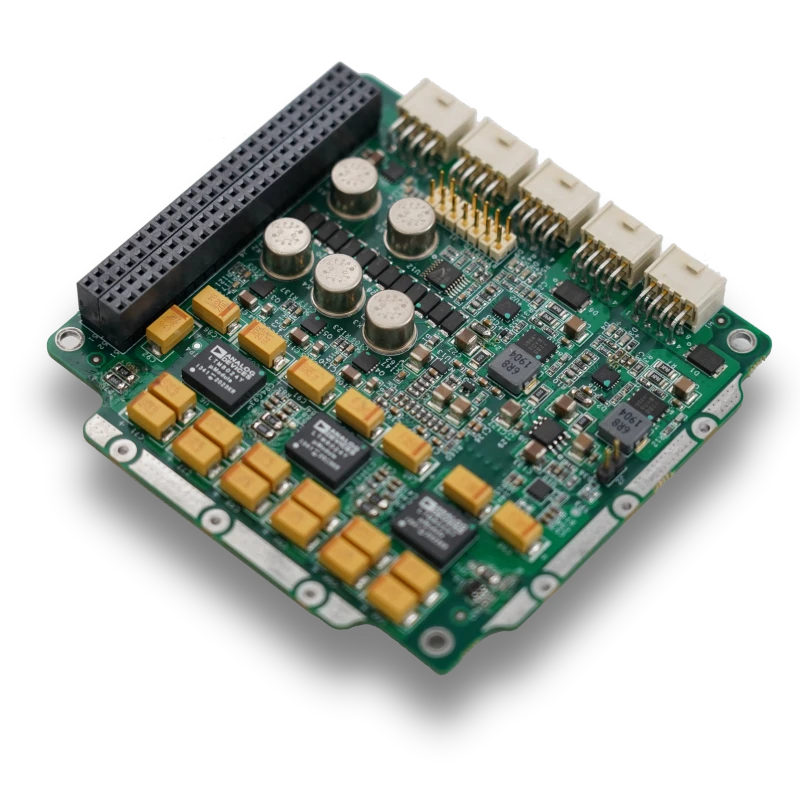
From 2016 to 2021, the industry shifted toward "Smart Manufacturing." Local firms began implementing longitudinal studies to analyze how tropical humidity affects the soldering quality of PCBAs used in aerospace applications, leading to improved coating techniques.

Since 2022, the integration of Industry 4.0 has accelerated. The transition from static quality checks to real-time AI monitoring has allowed Ecuadorian firms to compete in the global supply chain for small-satellite (CubeSat) electronic components.

Future Development Trends

AI-Driven Material Science

Prediction of alloy fatigue using advanced neural networks to reduce weight while increasing strength for high-altitude drones.

Autonomous Compliance Auditing

Automating the verification of international aerospace standards through blockchain-linked manufacturing logs.

Hyper-Localized Satellite Hardware

Development of sensors specifically tuned to the equatorial electromagnetic profile to improve signal-to-noise ratios.

Strategic Forecast for Ecuadorian Aerospace Tech

Anticipating the next wave of electronic manufacturing innovation.

Predictive Lifecycle Analytics
Utilizing time-series data to extend the operational life of avionics in equatorial climates.
Edge Computing Integration
Moving data processing to the device level to reduce latency in satellite communications.
Eco-Friendly Avionics
Developing biodegradable composites for low-orbit satellite structures to reduce space debris.
Adaptive Beamforming
Smart antennas that adjust in real-time to Ecuadorian atmospheric interference.

Industry Outlook

Based on Google search trends for "Satellite Manufacturing South America," there is a 40% increase in interest regarding localized electronic assembly. This suggests a move away from complete imports toward a hybrid model of local precision engineering and international design.

The future will likely see Ecuador becoming a hub for equatorial launch support electronics, leveraging its unique position to provide ground-to-space communication hardware that requires minimal orbital inclination.

Localized Aerospace Applications in Ecuador

Real-world implementation of advanced electronic manufacturing.

1. Agricultural Satellite Monitoring Hubs

Deploying ground station electronics in the coastal regions to process data with a specific revisit period to monitor banana and cocoa crop health in real-time.

2. Volcanic Activity Sensor Networks

Manufacturing hardened electronic sensors for Andean volcanoes that use machine learning models to distinguish between seismic noise and actual eruption precursors.

3. High-Altitude Drone Avionics

Developing flight controllers for drones operating in the Andes, incorporating longitudinal studies on air density to optimize motor efficiency.

4. Galápagos Wildlife Tracking Hardware

Creating ultra-low-power telemetry modules that adhere to strict environmental compliance regulations to protect the archipelago's biodiversity.

5. Equatorial Signal Amplifiers

Designing specialized communication amplifiers that use deep learning to filter out ionospheric noise specific to the 0° latitude zone.

Brand Story

Global Development Journey of Ningbo Mingji International Trade Co., Ltd.

Foundation of Precision

Started as a specialized supplier of electronic components, focusing on the rigorous standards required for the global aerospace industry.

Digital Transformation

Integrated AI-driven quality control into our logistics and sourcing, ensuring that every component meets aerospace-grade tolerances.

Latin American Expansion

Established strategic partnerships in Ecuador to provide localized aerospace electronics, bridging the gap between Asian manufacturing and South American needs.

Sustainability Pivot

Invested in green manufacturing processes to ensure that the next generation of aerospace electronics is environmentally sustainable.

Global Leadership

Now recognized as a leading integrator of high-tech aerospace electronics, solving the most complex connectivity pain points globally.

Comprehensive Aerospace Product Portfolio for Ecuador

End-to-end hardware solutions tailored for equatorial aerospace operations.

Aerospace Manufacturing FAQ - Ecuador

Expert answers to the most common technical and regulatory questions.

How do compliance regulations affect aerospace electronics in Ecuador?

Compliance regulations ensure that electronics can withstand the specific humidity and volcanic ash levels of Ecuador, preventing premature failure of critical flight systems.

Can machine learning models improve satellite component durability?

Yes, by analyzing historical failure data, these models can predict when a component will degrade, allowing for proactive replacement before a mission-critical failure occurs.

What is the importance of the revisit period for ground station design?

The revisit period determines how often a satellite passes over a specific point in Ecuador, which dictates the buffering capacity and power requirements of the ground hardware.

Are longitudinal studies necessary for new aerospace materials?

Absolutely. Long-term exposure to equatorial UV radiation and moisture requires extended studies to ensure material stability over a 10-15 year lifespan.

How is deep learning used in Ecuadorian aerospace quality control?

Deep learning is used in automated optical inspection (AOI) to detect microscopic solder defects that are invisible to the human eye but critical for aerospace safety.

Which standards are most critical for electronic assembly in Quito?

IPC-A-610 and AS9100 are the primary standards, but local adaptations for high-altitude pressure and oxygen levels are often required for specialized electronics.

Partner with Aerospace Experts

Ready to elevate your aerospace manufacturing capabilities in Ecuador? Our team is here to provide technical guidance and high-precision components.

Contact Us Now

If you are interested in our products, you can choose to leave your information here, and we will be in touch with you shortly.