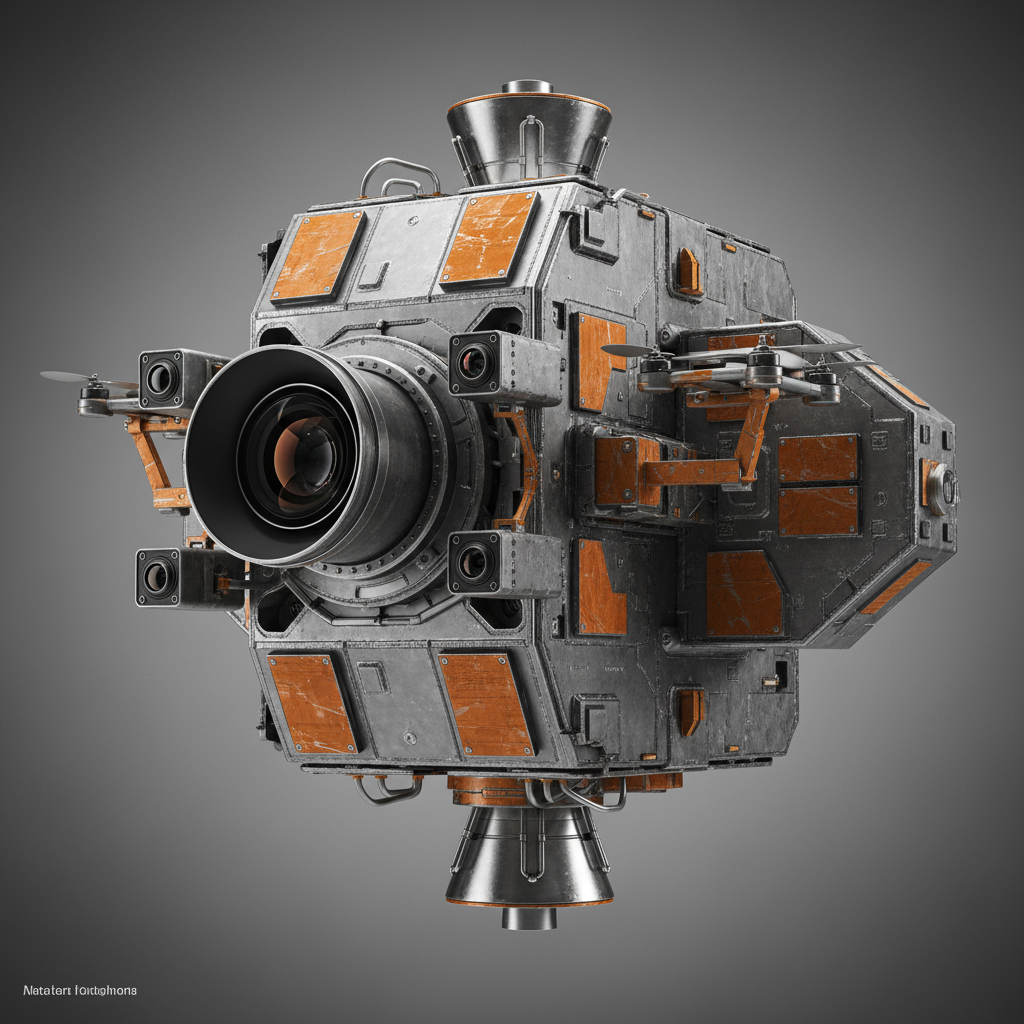
Adjustable Fiber Collimator - Precision Alignment for Fiber Optics
Understanding the Adjustable Fiber Collimator: Essential Tool in Optical Systems
Having spent more than a decade in the industrial equipment sector, I can honestly say that the adjustable fiber collimator is one of those gadgets that doesn’t get its fair share of the spotlight — until you need it. These little optical devices are crucial when you’re trying to precisely align fiber optic systems, ensuring minimal loss and optimal signal integrity.
Oddly enough, early in my career, I underestimated the importance of fine adjustment in fiber coupling. I remember a project where the slightest misalignment caused headaches (and delays). It’s those moments that taught me just how indispensable these collimators are, especially adjustable ones that let you fine-tune the beam alignment with microscale precision.
Frankly, the design considerations behind adjustable fiber collimators fascinate me. Most units use high-quality aspheric lenses made from materials like fused silica to handle a broad wavelength range – typically from visible through near-infrared. The housing, usually stainless steel or anodized aluminum, must be sturdy to prevent drift in harsh industrial environments.
Another thing to note: the adjustability usually comes from precision screw mechanisms or piezo actuators. This lets engineers tweak beam alignment across multiple axes—sometimes pitch, yaw, and focus—without disturbing the rest of the optical setup. Such flexibility can cut down troubleshooting time drastically, which, trust me, is worth its weight in gold in production lines or research labs.
Testing these collimators involves measuring beam divergence and coupling efficiency. You’ll want a device that maintains stable alignment even when subject to vibration or temperature shifts. Many engineers I’ve worked with swear by collimators with locking screws; this small feature prevents gradual drift over time.
Customizability is another angle worth highlighting. Some vendors offer adjustable fiber collimators in multiple fiber types—single mode, multi-mode, or polarization-maintaining fibers. Additionally, wavelength compatibility and lens focal length options can be tailored to specific applications. So, whether it’s telecom, sensing, or laser delivery, you can often find a configuration that hits the mark.
Speaking of vendors, let me break down a quick comparative look. From my experience, it’s often a balance of precision, build quality, pricing, and support. Here’s a simple table to highlight those differences:
| Vendor | Precision (µm) | Range of Adjustment | Material Quality | Price Range (USD) | Lead Time |
|---|---|---|---|---|---|
| Space Navi | ±1.0 | 3 axes, ±500 µm | Fused silica lens, stainless steel housing | $350 - $600 | 2-3 weeks |
| OptiCore | ±1.5 | 2 axes, ±400 µm | BK7 lens, aluminum housing | $280 - $500 | 1-2 weeks |
| FiberTech | ±0.8 | 3 axes, ±600 µm | Fused silica lens, aluminum housing | $400 - $650 | 3-4 weeks |
And here’s a quick rundown of typical specs you might expect from a top-tier adjustable fiber collimator:
| Fiber Type | Single Mode, Multi-Mode, PMF |
| Wavelength Range | 400 nm – 1700 nm |
| Lens Material | Fused Silica (Aspheric) |
| Adjustment Range | ±0.5 mm (X, Y, Z) |
| Housing Material | Stainless Steel or Anodized Aluminum |
| Mode Field Diameter | 5 – 10 µm (depends on fiber) |
One thing I’ve noticed is the growing trend toward integrating more compact piezo-driven adjustments directly in the collimators, which is pretty neat when you consider the need for remote or automated system alignment. Of course, those models usually come at a higher price point but can save you real headaches in complex systems.
Before I sign off, a quick story: a client once shared that switching to an adjustable fiber collimator from Space Navi helped their R&D team reduce alignment time by nearly 30%. For them, each saved minute translated to big cost savings and faster iterations—proving it’s not just about specs and prices, but real-world impact.
So yeah, if you ask me, the adjustable fiber collimator is one of those unsung heroes in optical engineering—a small device with a big responsibility, offering flexibility, precision, and durability in demanding environments.
In real terms, investing in a quality adjustable fiber collimator pays off by making integration smoother and fiber systems more reliable. And I suppose that’s what every optical engineer ultimately wants.
- Written from years of field and lab experience in fiber optics and precision industrial equipment
References:
- Fiber Optic Collimators - Thorlabs Technical Overview
- Space Navi Fiber Optics Product Datasheets
- Optical Engineering Journals on Fiber Alignment Techniques