Accurate Satellite Remote Sensing Data for Critical Insights
Introduction to Satellite Remote Sensing Data for B2B Operations
In an era driven by information, the strategic utilization of satellite remote sensing data has become indispensable for B2B decision-makers across diverse sectors. This sophisticated form of data acquisition, leveraging orbital platforms, provides critical insights into Earth’s surface and atmosphere without direct contact. Its comprehensive coverage, consistency, and temporal resolution offer unparalleled advantages for monitoring, analysis, and strategic planning in key areas such as environmental data management and disaster management. This article delves into the technical nuances, application spectrum, and strategic benefits of integrating satellite remote sensing capabilities into enterprise workflows.
Industry Trends and Advancements in Remote Sensing
The remote sensing industry is experiencing rapid evolution, driven by technological breakthroughs and increasing demand for actionable intelligence. Key trends include the proliferation of small satellite constellations (e.g., CubeSats), significantly enhancing temporal resolution and reducing revisit times. This 'New Space' paradigm is democratizing access to imagery and geospatial insights. Furthermore, the integration of Artificial Intelligence (AI) and Machine Learning (ML) algorithms is revolutionizing data processing, enabling automated feature extraction, change detection, and predictive analytics. The demand for high-resolution satellite remote sensing data is escalating in sectors requiring precise environmental data for regulatory compliance, resource management, and robust disaster management strategies. The convergence of multi-sensor data, including optical, Synthetic Aperture Radar (SAR), and LiDAR, provides a more holistic view, overcoming limitations of individual sensor types, particularly in diverse weather conditions.
The Process of Satellite Remote Sensing Data Acquisition and Processing
The lifecycle of satellite remote sensing data involves a meticulous, multi-stage process from orbital capture to final product delivery. Understanding this flow is crucial for appreciating the reliability and quality of the derived information.
1. Data Acquisition and Sensor Technologies
This initial phase involves the design, launch, and operation of Earth observation satellites. The "product materials" in this context are the advanced sensors onboard, meticulously engineered for specific spectral bands and spatial resolutions. These include:
- Optical Sensors: Capturing visible, near-infrared (NIR), and short-wave infrared (SWIR) light. Examples include multispectral (e.g., Sentinel-2, Landsat) and hyperspectral imagers.
- Synthetic Aperture Radar (SAR): Emitting and receiving microwave signals, capable of penetrating clouds and operating day/night, crucial for disaster management and persistent monitoring.
- Lidar (Light Detection and Ranging): Using laser pulses to measure distances, generating precise 3D elevation models.
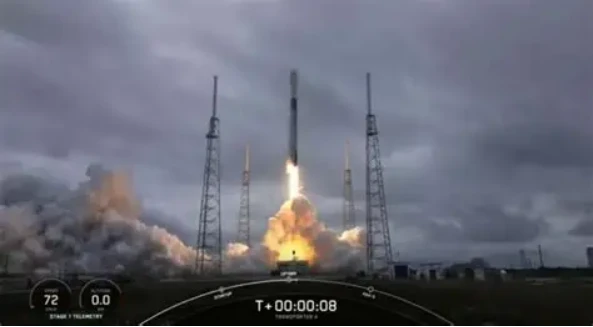
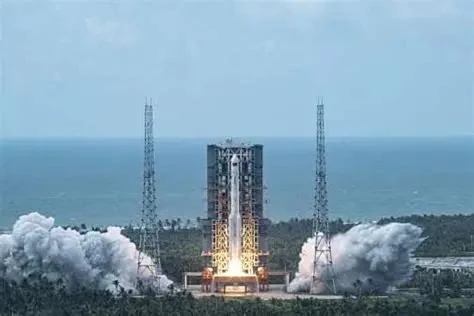
Satellites are launched into specific orbits (e.g., sun-synchronous) to ensure consistent illumination conditions and global coverage. The raw data transmitted from orbit is a stream of electromagnetic radiation measurements.
2. Preprocessing and Calibration
Upon reception by ground stations, raw data undergoes rigorous "manufacturing processes" to transform it into usable information. Key steps include:
- Radiometric Correction: Adjusting for sensor calibration errors, atmospheric attenuation, and solar illumination variations to ensure accurate reflectance values.
- Geometric Correction: Rectifying image distortions caused by Earth's curvature, terrain, and sensor geometry, often involving precise image registration to a reference map.
- Atmospheric Correction: Removing the effects of atmospheric aerosols and gases to derive true surface reflectance, critical for accurate environmental data analysis.
These processes adhere to strict testing standards, often benchmarked against ISO standards for geospatial information (e.g., ISO 19100 series), ensuring data integrity and interoperability. The "service life" here refers to the operational longevity of the satellite mission, ensuring continuous data supply.
3. Data Product Generation and Dissemination
Processed data is then transformed into various thematic products tailored for specific applications. This includes creating land cover maps, normalized difference vegetation index (NDVI) products, surface temperature maps, and disaster impact assessments. The final data products are then disseminated via robust data acquisition system platforms, APIs, or direct delivery channels. The advantages in typical application scenarios include:
- Energy Saving: Optimizing agricultural irrigation based on soil moisture data, leading to reduced water and energy consumption.
- Corrosion Resistance: Monitoring pipeline infrastructure for environmental changes that could accelerate material degradation, enhancing preventative maintenance.
- Environmental Compliance: Providing verifiable environmental data for regulatory reporting and impact assessments.
Technical Specifications and Parameters
The utility of satellite remote sensing data is defined by several key technical parameters, which dictate its suitability for specific applications.
- Spatial Resolution: The size of the smallest feature that can be detected. Ranges from sub-meter (e.g., 30 cm from Maxar WorldView) to tens of meters (e.g., 10m from Sentinel-2) to kilometers (e.g., MODIS).
- Spectral Resolution: The number and width of spectral bands measured. Multispectral sensors typically have 3-10 bands, while hyperspectral sensors can have hundreds, providing detailed material composition information.
- Temporal Resolution: The frequency at which a satellite revisits the same area. This can range from daily (e.g., PlanetScope, MODIS) to several days (e.g., Sentinel-2, Landsat), crucial for change detection.
- Radiometric Resolution: The sensor's ability to distinguish between subtle differences in energy intensity. Expressed in bit depth (e.g., 8-bit, 12-bit, 16-bit), higher bit depth allows for more nuanced data interpretation.
Comparison of Key Satellite Remote Sensing Missions
| Mission/Sensor | Spatial Resolution (m) | Spectral Bands | Revisit Time | Primary Application |
|---|---|---|---|---|
| Sentinel-2 (ESA) | 10, 20, 60 | 13 (Visible, NIR, SWIR) | 5 days (at equator) | Land monitoring, environmental data |
| PlanetScope (Planet) | 3-5 | 4-8 (Visible, NIR) | Daily-weekly | Frequent monitoring, change detection |
| TerraSAR-X (Airbus) | 0.25 - 40 | X-band SAR | 11 days (adjustable) | Persistent monitoring, disaster management, infrastructure |
| WorldView-3 (Maxar) | 0.31 (Panchromatic), 1.24 (Multispectral) | 8 (Visible, NIR), 8 (SWIR), 12 (CAVIS) | ~1 day (with off-nadir) | Precision mapping, defense, critical infrastructure |
Application Scenarios for B2B Enterprises
The versatility of satellite remote sensing data extends across numerous industries, providing critical intelligence for operational efficiency and risk mitigation.
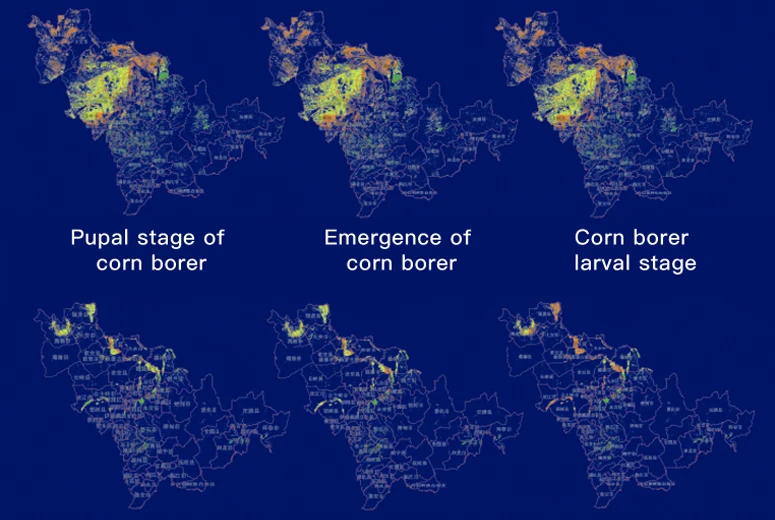
Environmental Data Management
- Land Cover & Land Use Mapping: Essential for urban planning, agriculture, and forestry, providing accurate base maps for resource allocation and impact assessment.
- Deforestation & Habitat Monitoring: Petrochemical and mining industries can monitor their environmental footprint, ensuring compliance and showcasing sustainability efforts.
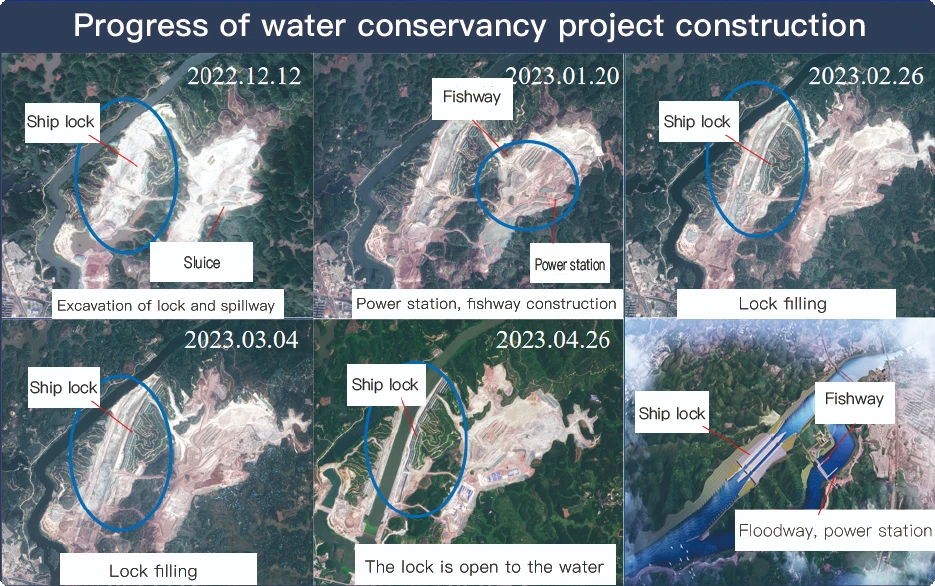
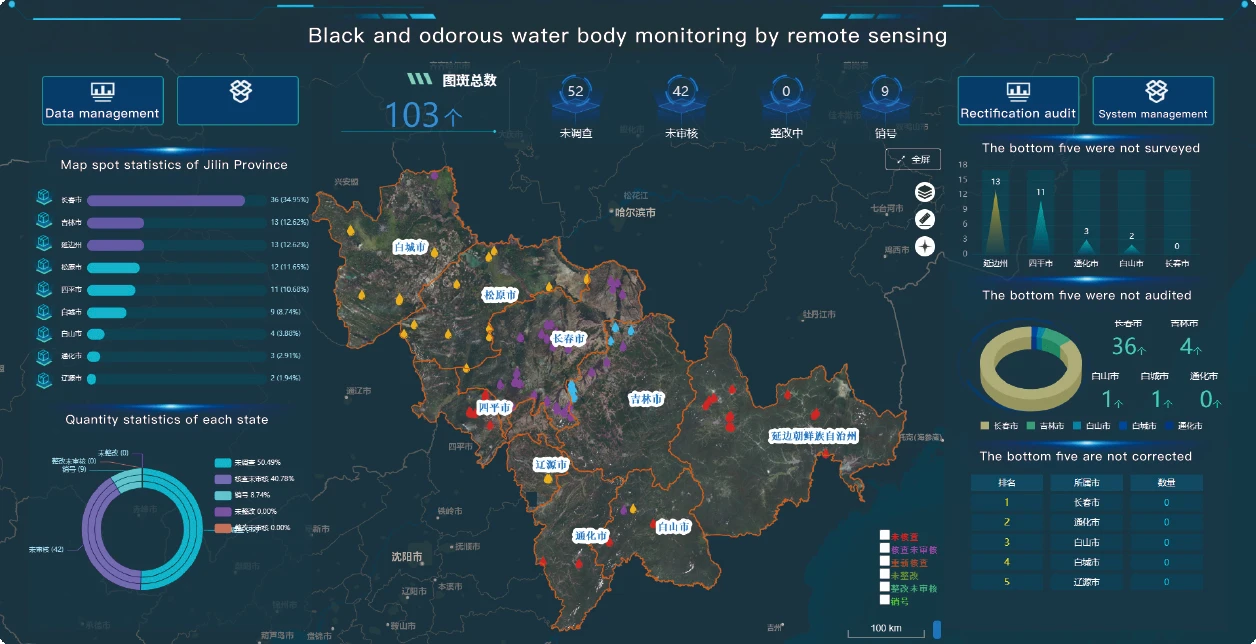
- Water Quality & Resource Management: Detection of algal blooms, pollution plumes, and monitoring water levels in reservoirs, critical for water supply & drainage and agricultural sectors.
- Air Quality Monitoring: Tracking particulate matter and gas emissions from industrial facilities, aiding in regulatory compliance and public health initiatives.
- Coastal Zone Monitoring: Assessing erosion, sediment transport, and marine ecosystem health for port authorities and offshore energy.
Disaster Management and Risk Assessment
Rapid and reliable imagery is paramount for emergency response and long-term recovery planning.
- Flood Mapping & Damage Assessment: Quick identification of inundated areas, damaged infrastructure, and affected populations, critical for insurance companies and public utilities.
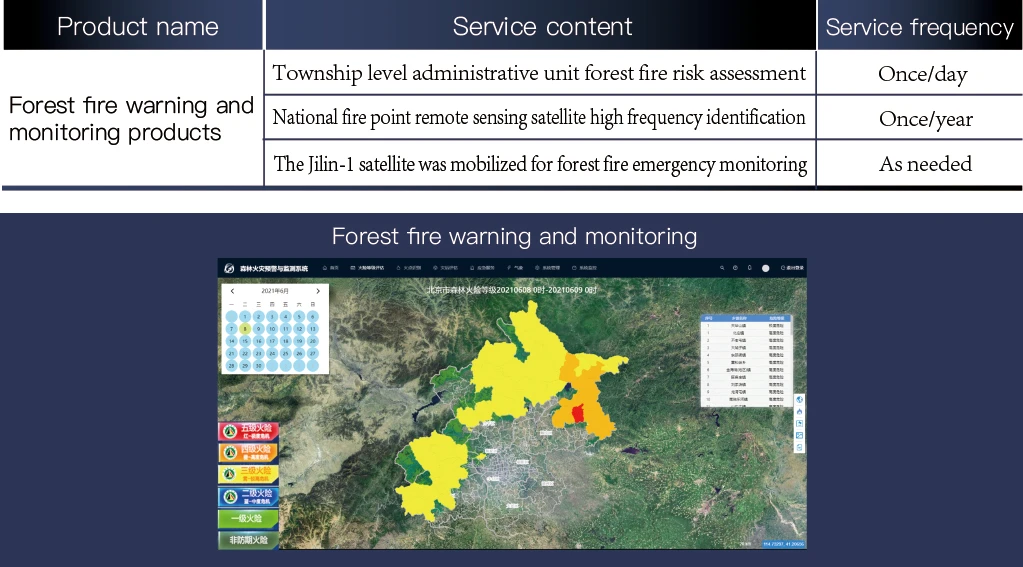
- Wildfire Detection & Monitoring: Real-time mapping of fire perimeters, hot spots, and post-fire burn scar assessment for forestry, energy, and government agencies.
- Earthquake & Landslide Assessment: Measuring ground deformation (e.g., InSAR techniques) and identifying unstable slopes, vital for infrastructure engineering and urban safety.
- Oil Spill Detection & Tracking: Monitoring and quantifying oil spills in marine environments, enabling rapid response and environmental remediation efforts for the maritime and energy sectors.
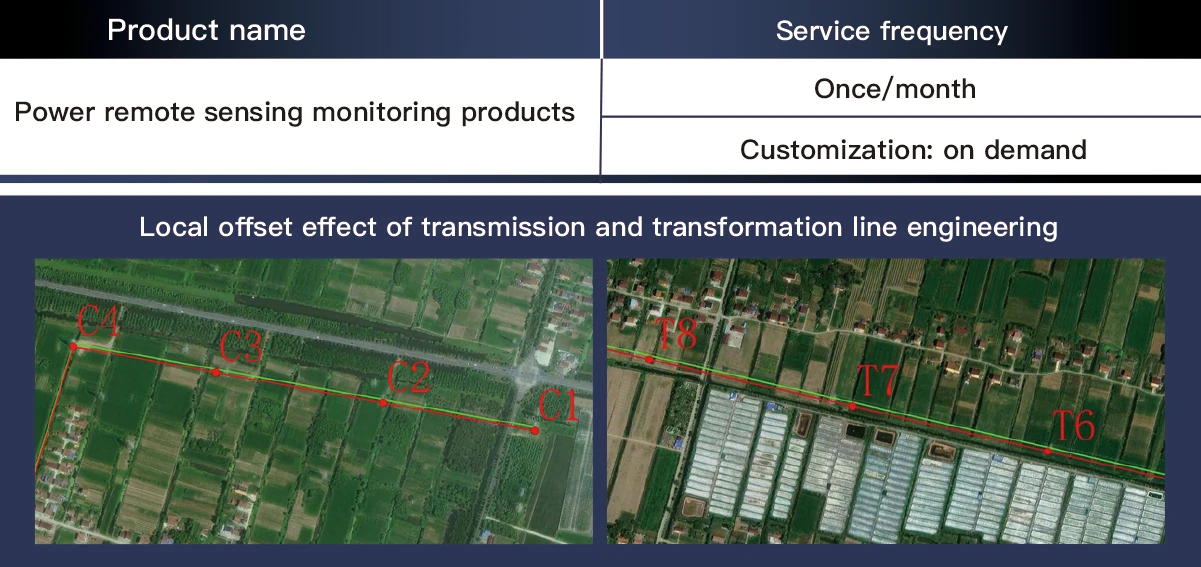
- Infrastructure Monitoring: Detecting subtle ground subsidence or structural changes around critical assets (e.g., bridges, dams, pipelines) for the petrochemical and metallurgy industries.
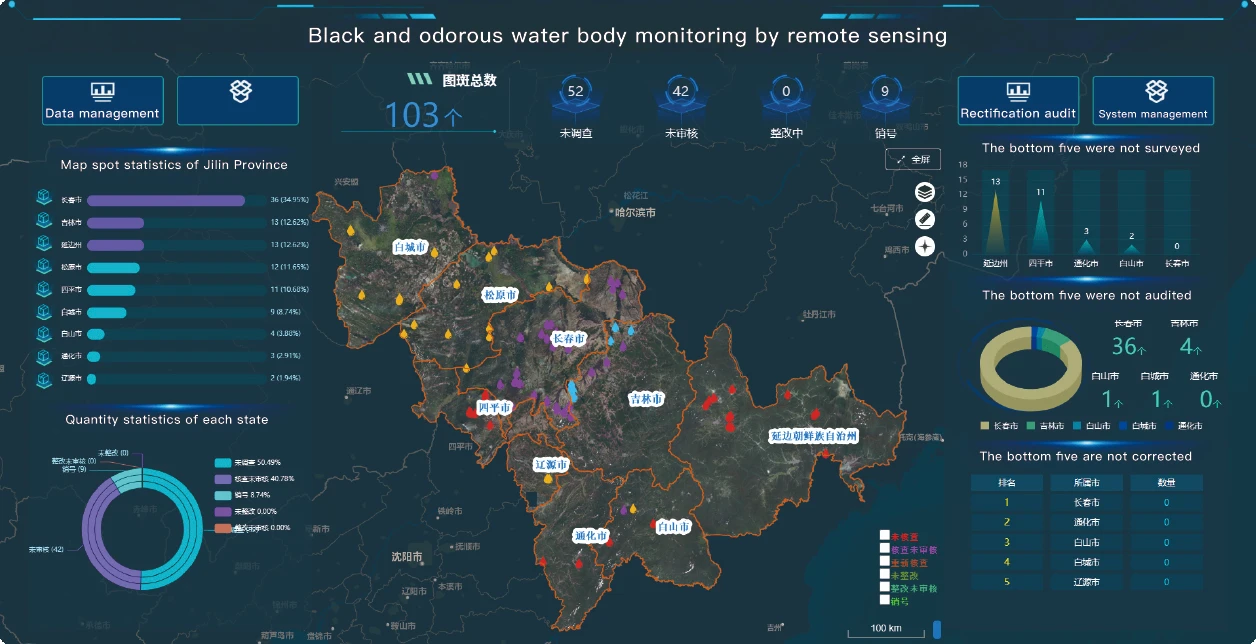
Example of environmental monitoring using satellite remote sensing data.
Technical Advantages for B2B Integration
Integrating satellite remote sensing data offers several compelling advantages over traditional methods, driving efficiency and enhancing decision-making.
- Global and Consistent Coverage: Provides unparalleled access to remote or hazardous areas, offering uniform data collection methodologies that are vital for large-scale operations and cross-border projects.
- Non-Invasive Monitoring: Reduces the need for on-site surveys, minimizing operational risks, costs, and environmental impact while ensuring safety.
- Cost-Effectiveness: For extensive areas or frequent monitoring, satellite data often presents a more economical alternative to aerial surveys or ground-based measurements.
- Historical Data Archives: Access to decades of historical imagery allows for robust trend analysis, baseline establishment, and long-term environmental impact assessments.
- Multi-Temporal Analysis: The ability to acquire data at regular intervals enables precise change detection, essential for dynamic phenomena such as urban sprawl, crop growth cycles, and disaster recovery.
- Integration with Existing Data Acquisition Systems: Seamlessly integrates with GIS, CAD, and other enterprise data acquisition system platforms, enriching existing datasets and enhancing analytical capabilities.
Vendor Comparison: Choosing Your Data Partner
The market for satellite imagery and related services is diverse, with various providers offering different strengths. Selecting the right vendor depends on specific project requirements, budget, and data needs.
| Vendor | Key Data Offerings | Resolution Range | Revisit Frequency | Noteworthy Strengths |
|---|---|---|---|---|
| Maxar Technologies | High-resolution optical, 3D data, analytics | 0.3m to 1.5m | Daily (with off-nadir) | Ultra-high resolution, precision mapping |
| Planet Labs | Daily global imagery (Dove, SkySat) | 0.5m to 3.7m | Daily to weekly | High temporal frequency, global coverage |
| Airbus Defence and Space | SPOT, Pléiades, TerraSAR-X (SAR) | 0.5m to 10m (optical), 0.25m to 40m (SAR) | Daily to several days | Diverse sensor types (optical and SAR), global presence |
| European Space Agency (ESA) Copernicus | Sentinel-1 (SAR), Sentinel-2 (Optical), Sentinel-3 (Ocean/Land) | 10m to 300m | 1-6 days | Free and open data access, robust environmental monitoring |
When evaluating vendors, consider data resolution requirements (spatial, spectral, temporal, radiometric), data formats, delivery mechanisms (API, direct download), pricing models (subscription, on-demand), and the level of post-processing or analytical services offered.
Customized Solutions and Integration
Generic satellite remote sensing data can be a starting point, but specialized B2B needs often require tailored solutions. Our capabilities extend to developing customized platforms and analytical workflows that integrate seamlessly with your existing data acquisition system infrastructure.
- API Integration: Direct access to imagery archives and processing capabilities via robust APIs for automated data ingestion into your GIS or proprietary platforms.
- Tailored Analytics: Development of bespoke algorithms for specific feature extraction (e.g., precise change detection of industrial assets, pollution plume modeling), optimized for your operational context.
- Data Fusion: Combining satellite imagery with other geospatial data (e.g., drone data, IoT sensor data, ground-based measurements) to create enriched, multi-source intelligence.
- Reporting & Visualization: Creation of custom dashboards and reporting tools for real-time monitoring and easy interpretation by non-GIS specialists.
Our team works closely with clients in petrochemical, metallurgy, and water supply & drainage sectors to design solutions that directly address challenges like pipeline integrity monitoring, environmental compliance reporting, and water resource optimization.
Application Case Studies
Case Study 1: Large-Scale Environmental Impact Assessment for a Mining Corporation
A global mining corporation operating in South America faced challenges in accurately monitoring the environmental impact of its large-scale operations, particularly concerning deforestation and water quality changes around its concession areas. Traditional ground surveys were costly, time-consuming, and limited in scope.
Solution: We implemented a continuous monitoring solution utilizing high-resolution satellite remote sensing data from a constellation of optical satellites. This involved monthly acquisition of multispectral imagery, followed by automated land cover change detection algorithms and water quality parameter extraction.
Results: The corporation gained a comprehensive, up-to-date view of land use changes, identifying areas of environmental degradation and successful rehabilitation efforts. Early detection of potential contamination plumes allowed for proactive mitigation, significantly reducing environmental liabilities and ensuring compliance with stringent local and international environmental data regulations. The overall cost of environmental monitoring was reduced by 35% compared to previous methods, demonstrating clear operational efficiency and energy saving benefits.
"The accuracy and frequency of the satellite data transformed our environmental compliance. We can now demonstrate our commitment to sustainability with verifiable data, which has been invaluable for our stakeholders." - Environmental Director, Global Mining Corp.
Case Study 2: Rapid Damage Assessment for an Insurance Provider post-Hurricane
Following a devastating hurricane in the Caribbean, a leading insurance firm faced immense pressure to process claims quickly and efficiently. On-the-ground damage assessment was severely hampered by impassable roads and communication breakdowns.
Solution: Within 24 hours post-event, we provided high-resolution SAR imagery, unaffected by cloud cover, and optical imagery once skies cleared. Our rapid response team performed image registration, change detection analysis, and damage severity mapping using pre- and post-event imagery.
Results: The insurance provider received precise, property-level damage assessments, enabling them to triage claims, dispatch adjusters to the most critical areas first, and accelerate claims processing by 40%. This proactive disaster management strategy significantly improved customer satisfaction during a crisis and reduced operational costs associated with manual assessments in hazardous conditions.
Meeting Google Standards: Expertise, Authoritativeness, Trustworthiness
Our commitment to delivering high-quality satellite remote sensing data and services is underscored by adherence to the highest industry standards and a transparent operational framework.
- Expertise: Our team comprises seasoned remote sensing scientists, geospatial engineers, and data analysts with decades of collective experience in satellite data processing, algorithm development, and sector-specific applications. We utilize advanced techniques like radiometric and geometric correction, image registration, and atmospheric compensation to ensure data quality and accuracy.
- Authoritativeness: We adhere to internationally recognized standards for geospatial data management (e.g., ISO 19115 for metadata, ISO 19111 for spatial referencing). Our processes are regularly audited for compliance with data quality and security protocols (e.g., ISO 9001, ISO 27001). We partner with leading satellite operators and leverage authoritative data sources like ESA Copernicus and USGS Landsat for foundational data.
- Trustworthiness: With a proven track record of serving critical B2B clients in demanding industries for over [X, e.g., 10] years, we pride ourselves on reliability and client confidentiality. All processed data undergoes stringent quality checks, and performance metrics are provided to clients upon request.
Frequently Asked Questions (FAQ)
Q: What is the typical lead time for delivering satellite remote sensing data?
A: Lead times vary based on data availability, resolution requirements, and the extent of custom processing. For archive data, delivery can be as quick as a few hours to 24-48 hours. New tasking for fresh acquisitions typically takes 2-7 days, depending on satellite availability and weather conditions. Urgent disaster management requests receive prioritized processing.
Q: What data formats are supported for delivery?
A: We support a wide range of industry-standard geospatial data formats, including GeoTIFF, JPEG2000, ERDAS IMAGINE, ESRI Shapefile, KML/KMZ, and others. We can also provide data in formats tailored to your specific data acquisition system or software requirements.
Q: How is data accuracy ensured?
A: Data accuracy is paramount. We employ rigorous quality control procedures including precise geometric correction, image registration to ground control points, radiometric calibration, and atmospheric compensation. All processed data undergoes validation against known reference points and industry benchmarks. Our processes align with ISO standards for geospatial data quality.
Q: What kind of customer support is available?
A: We offer comprehensive customer support, including technical assistance, consultation on data selection, processing, and integration. Our support team is available via dedicated email, phone lines, and a client portal to address queries and provide guidance throughout your project lifecycle.
Lead Time, Warranty, and Customer Support
Data Fulfillment and Lead Time
Our streamlined data acquisition system and processing pipelines are designed for rapid fulfillment. For standard archive requests, data is typically delivered within 24-48 hours. For new tasking, lead times depend on satellite orbit, sensor type, and weather conditions, generally ranging from 3 to 7 business days. Critical disaster management requests are handled with priority, often yielding initial data products within hours of acquisition. We maintain transparent communication regarding expected delivery schedules.
Data Quality and Warranty Commitments
We guarantee the quality and accuracy of all delivered satellite remote sensing data products. Our data is processed according to strict internal quality assurance protocols and industry-recognized standards (e.g., geometric accuracy within 1-pixel RMSE, radiometric fidelity). Should any data product fail to meet the agreed-upon technical specifications, we commit to reprocessing the data or providing suitable alternatives at no additional cost. Our warranty covers data integrity and adherence to specified parameters.
Comprehensive After-Sales Support
Our partnership extends beyond data delivery. We provide dedicated after-sales support to ensure you maximize the value of your geospatial investment. This includes:
- Technical Assistance: Expert guidance on data integration, interpretation, and troubleshooting.
- Consultation Services: Ongoing advisory for advanced analytical techniques, new application development, and strategic geospatial planning.
- Training & Workshops: Customized training sessions for your teams on utilizing remote sensing data and software.
- Dedicated Account Management: A single point of contact for all your project needs and inquiries.
Conclusion
The integration of high-quality satellite remote sensing data is no longer a niche technology but a strategic imperative for B2B enterprises seeking to gain a competitive edge. From enabling precise environmental data monitoring and robust disaster management to optimizing resource utilization across diverse industries, satellite-derived insights offer unparalleled advantages. By leveraging advanced sensor technologies, sophisticated processing workflows, and expert analytical support, businesses can transform raw data into actionable intelligence, driving efficiency, ensuring compliance, and fostering sustainable growth in a rapidly changing world.
References
- European Space Agency (ESA). Copernicus Programme. Available at: www.copernicus.eu
- United States Geological Survey (USGS). Landsat Missions. Available at: landsat.gsfc.nasa.gov
- International Organization for Standardization (ISO). ISO 19100 series - Geographic Information. Available at: www.iso.org
- NASA Earth Observatory. Remote Sensing. Available at: earthobservatory.nasa.gov/features/RemoteSensing
- Jensen, J. R. (2016). Introductory Digital Image Processing: A Remote Sensing Perspective (4th ed.). Pearson.