
Revolutionizing Agriculture with the Use of Satellite Imagery and Data Analytics
Use of Satellite Imagery in Agriculture: A Comprehensive Guide
Modern agriculture is undergoing a revolution, and at the forefront of this transformation is the innovative use of satellite imagery. This technology provides farmers and agricultural professionals with unprecedented insights into crop health, field conditions, and resource management. From optimizing irrigation to predicting yields, satellite data is reshaping how food is produced. This article will explore the diverse applications of satellite imagery in agriculture, its benefits, and the future trends driving its adoption. Space-Navi is dedicated to providing cutting-edge solutions in this space.
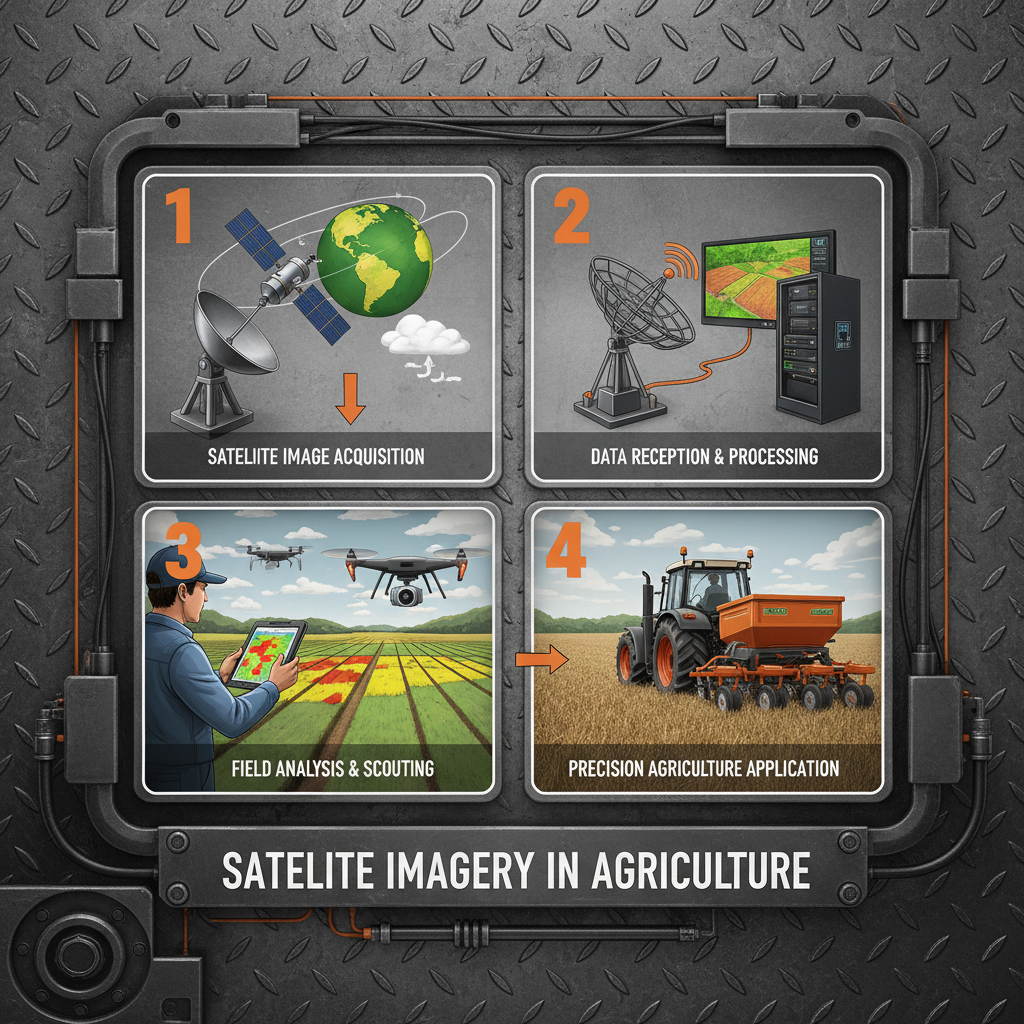
Understanding the Basics of Satellite Imagery for Agriculture
Satellite imagery utilizes various sensors to capture data about the Earth's surface. In agriculture, several types of imagery are particularly valuable. Visible light imagery provides a visual representation of fields, similar to photographs. Near-infrared (NIR) imagery is crucial for assessing plant health because healthy vegetation reflects more NIR light. Thermal imagery detects temperature variations, which can indicate water stress or disease. Radar imagery can penetrate clouds and provides data regardless of weather conditions. Different satellite platforms and sensors offer varying resolutions, spectral bands, and revisit times, allowing for tailored solutions to specific agricultural needs.
Key Applications of Satellite Imagery in Agriculture
The applications of satellite imagery in agriculture are remarkably diverse. One of the most significant is crop monitoring, where imagery helps identify areas of stress, nutrient deficiencies, or pest infestations. This enables targeted interventions, reducing the need for broad-spectrum treatments. Precision irrigation leverages thermal imagery and vegetation indices to optimize water usage, ensuring crops receive the right amount of water at the right time. Yield prediction utilizes historical imagery and current crop conditions to forecast harvests accurately, aiding in supply chain management. Furthermore, it supports land use classification, crop type mapping, and damage assessment after natural disasters.
Key Highlights: Satellite imagery empowers farmers to make data-driven decisions, optimize resource allocation, and increase crop yields.
Benefits of Using Satellite Imagery for Farm Management
The advantages of adopting satellite imagery in agriculture are substantial. Increased efficiency is achieved through optimized resource allocation and targeted interventions. Reduced costs result from lower fertilizer, water, and pesticide usage. Improved crop quality and higher yields are direct outcomes of proactive monitoring and precise management. Furthermore, it enables sustainable farming practices by minimizing environmental impact. Space-Navi's solutions are designed to maximize these benefits.
Key Benefits:
• Increased efficiency and productivity
• Reduced input costs
• Improved crop quality and yields
• Enhanced sustainability
Comparison of Satellite Imagery Providers & Resolutions
Several companies offer satellite imagery services, each with different strengths and weaknesses. Resolution, revisit time, and cost are key factors to consider. Here’s a comparison:
Future Trends in Satellite Imagery for Agriculture
The field of agricultural satellite imagery is rapidly evolving. We can expect to see increased integration with artificial intelligence (AI) and machine learning (ML) for automated analysis and predictive modeling. Hyperspectral imagery, which captures a wider range of spectral bands, will become more prevalent, enabling more detailed assessments of crop health. Small satellite constellations will provide higher revisit rates and improved data accessibility. Space-Navi is committed to staying at the forefront of these technological advancements.
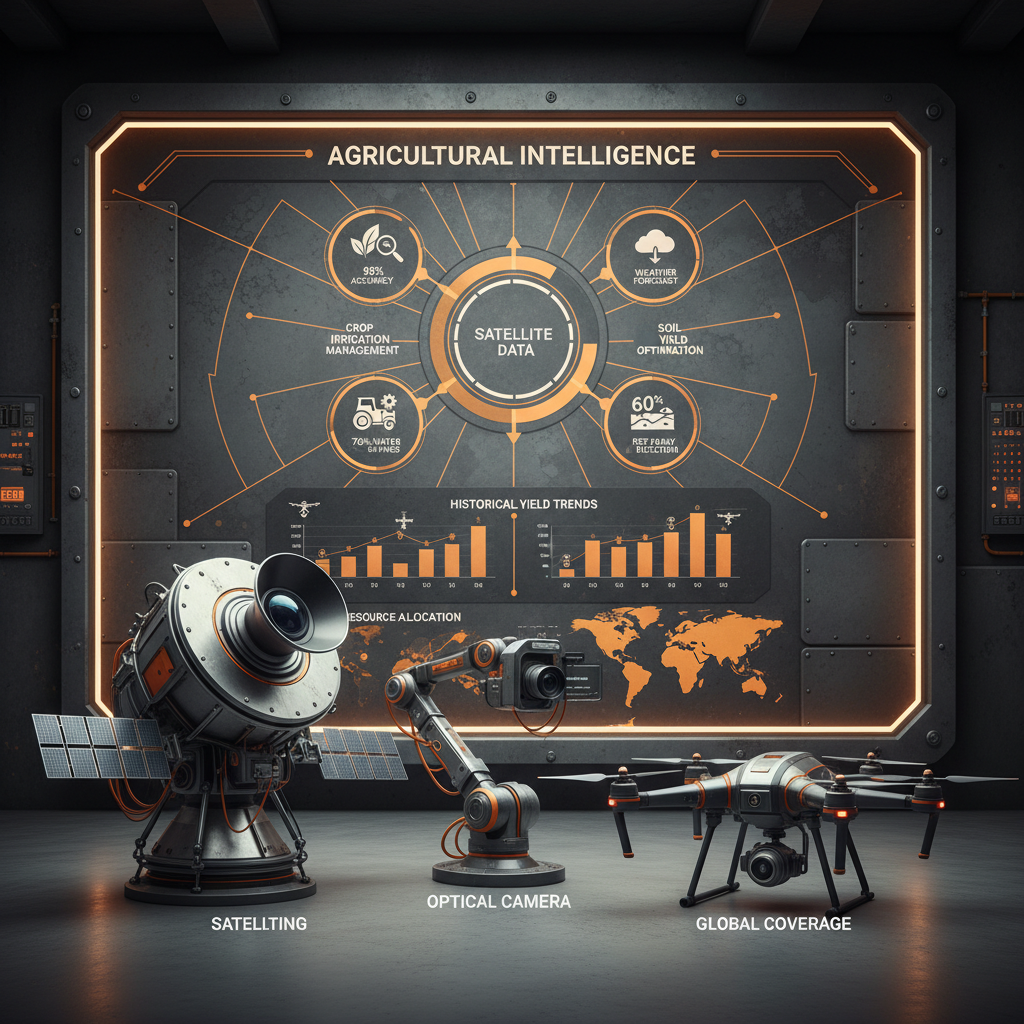
Conclusion: Embracing the Future of Agriculture with Satellite Technology
The use of satellite imagery in agriculture is no longer a futuristic concept; it's a practical and essential tool for modern farmers. By embracing this technology, agricultural professionals can enhance efficiency, reduce costs, and promote sustainable practices. Space-Navi is dedicated to providing the innovative solutions needed to thrive in this evolving landscape.
Frequently Asked Questions (FAQs)
What are the common challenges in adopting satellite imagery for agriculture?
While the benefits are significant, several challenges can hinder adoption. These include the cost of data and analysis, the need for specialized expertise to interpret imagery, and the integration of satellite data with existing farm management systems. Data processing and storage can also be demanding. However, cloud-based platforms and user-friendly analytics tools are making satellite imagery more accessible and affordable for farmers of all sizes. Space-Navi offers solutions to overcome these hurdles, providing comprehensive support and intuitive interfaces.
How does satellite imagery help with precision farming?
Satellite imagery is a cornerstone of precision farming. By providing detailed maps of field conditions, it allows farmers to tailor their inputs – such as fertilizer, water, and pesticides – to the specific needs of different areas within a field. This targeted approach minimizes waste, reduces environmental impact, and maximizes yields. Vegetation indices derived from satellite data can identify areas of stress or nutrient deficiencies, enabling farmers to address problems before they impact overall productivity.
What is the role of NDVI in agricultural monitoring?
NDVI (Normalized Difference Vegetation Index) is a widely used metric derived from satellite imagery that indicates plant health and vigor. It measures the difference between near-infrared and red light reflected by vegetation. Healthy plants absorb most of the visible light and reflect a large portion of near-infrared light, resulting in a high NDVI value. Low NDVI values indicate stressed or unhealthy vegetation. NDVI is used for monitoring crop growth, identifying areas of stress, and assessing overall field health.
Can satellite imagery be used for livestock management?
Yes, satellite imagery can also support livestock management, although its applications are less direct than for crop monitoring. Thermal imagery can be used to identify areas where livestock are congregating, potentially indicating issues with water availability or shelter. Vegetation monitoring can assess pasture quality and forage production. Imagery can also assist in tracking livestock movements and identifying potential grazing areas.











