Exploring Solar Satellite Technology for a Sustainable Energy Future
Unveiling Solar Satellite Technology: Powering the Future from Space
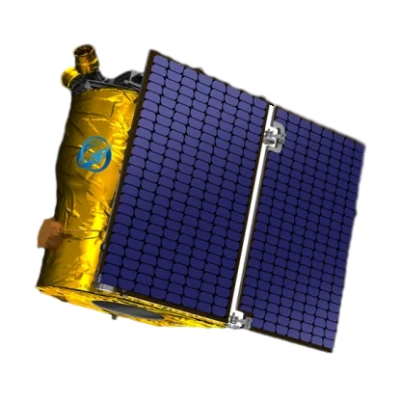
The concept of solar satellites – spacecraft designed to collect solar energy and beam it down to Earth – is rapidly gaining traction as a viable solution to global energy challenges. This innovative technology promises a clean, sustainable, and virtually limitless energy source. This article will explore the fundamentals of solar satellites, their advantages, current developments, and the challenges associated with their implementation. We'll delve into the technologies driving this exciting field and how Space-Navi is contributing to advancements in space-based solar power.
How Do Solar Satellites Work?
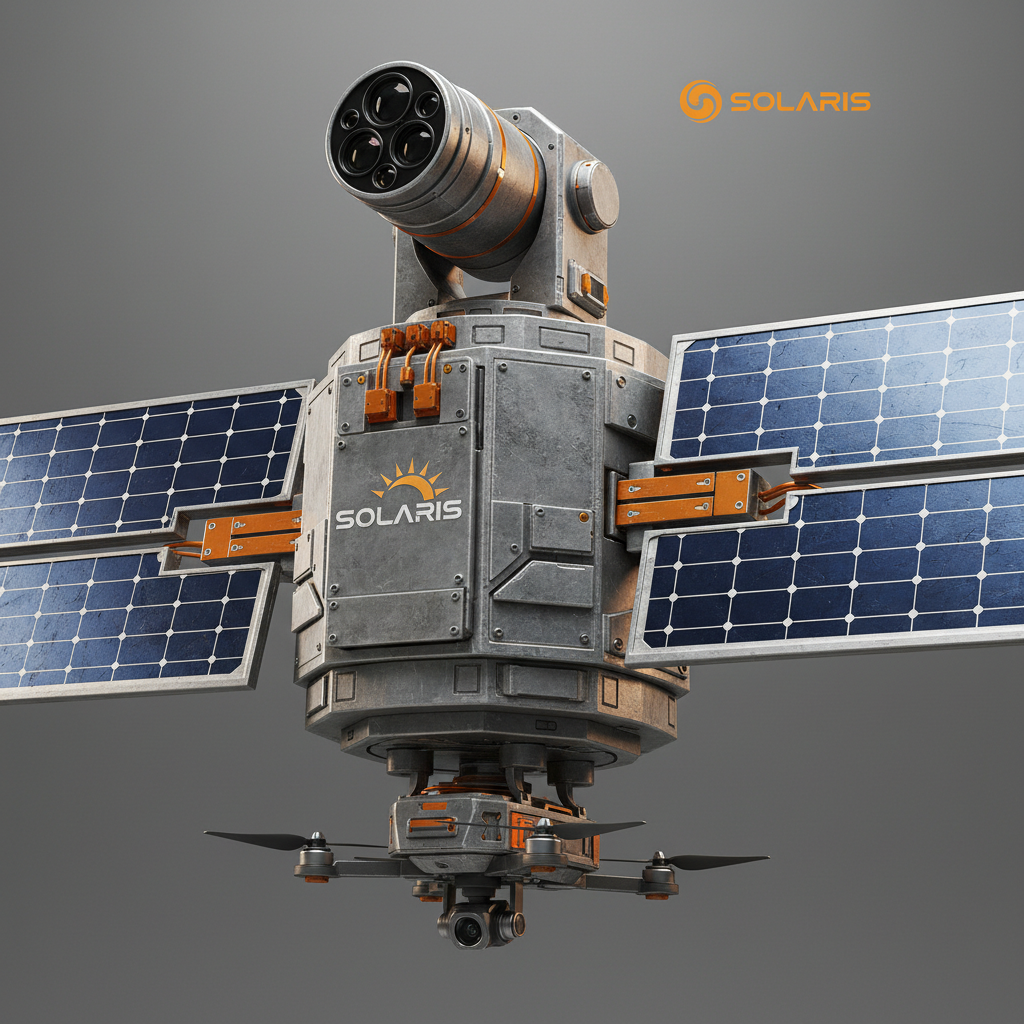
At their core, solar satellites function by capturing sunlight in space, where it's far more intense and consistent than on Earth. This energy is then converted into electricity using photovoltaic (PV) cells or, potentially, concentrated solar power (CSP) systems. The key difference from terrestrial solar farms lies in the transmission of this energy. Instead of wires, solar satellites employ microwave or laser beams to transmit the energy to receiving stations (rectennas) on Earth. These rectennas convert the beamed energy back into electricity for distribution. The efficiency of this energy transfer is a critical factor in the viability of the technology.
Key Components: Photovoltaic cells, energy transmission system (microwave or laser), large-scale space structures, and ground-based receiving stations (rectennas).
Advantages of Solar Satellite Technology
Solar satellites offer several significant advantages over traditional energy sources. Firstly, they provide a continuous energy supply, unaffected by weather conditions or the day-night cycle. Secondly, they can harvest significantly more solar energy due to the absence of atmospheric interference. Thirdly, they contribute to a reduction in reliance on fossil fuels, mitigating climate change and improving air quality. Finally, they offer energy independence and security for nations reliant on imported energy. The consistent nature of space-based solar power makes it a particularly valuable asset for grid stability.
Key Benefits:
• Continuous energy supply
• Higher energy harvesting potential
• Reduced reliance on fossil fuels
• Enhanced energy independence
Solar Satellite Systems: A Comparative Look
Several different system architectures are being explored for solar satellite technology. These vary primarily in the method of energy transmission and the size and configuration of the space-based structures. Microwave transmission is a more mature technology, but faces challenges related to beam dispersion and potential interference. Laser transmission offers higher efficiency and more focused beams, but requires precise pointing and tracking. Understanding these differences is crucial for assessing the feasibility and cost-effectiveness of each approach. Space-Navi is actively researching and developing innovative solutions in both areas.
Current Developments and Future Prospects
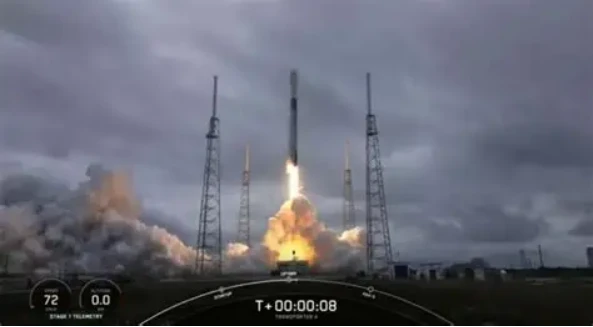
Numerous organizations and governments worldwide are actively investing in solar satellite research and development. Japan, China, the United States, and Europe all have ongoing projects aimed at demonstrating the feasibility of this technology. Recent advancements in lightweight materials, robotics, and wireless power transfer are accelerating progress. The successful deployment of even a single commercial solar satellite would represent a significant milestone in the transition to a sustainable energy future. Space-Navi is contributing through its expertise in space-based infrastructure and energy management.
Challenges and Considerations
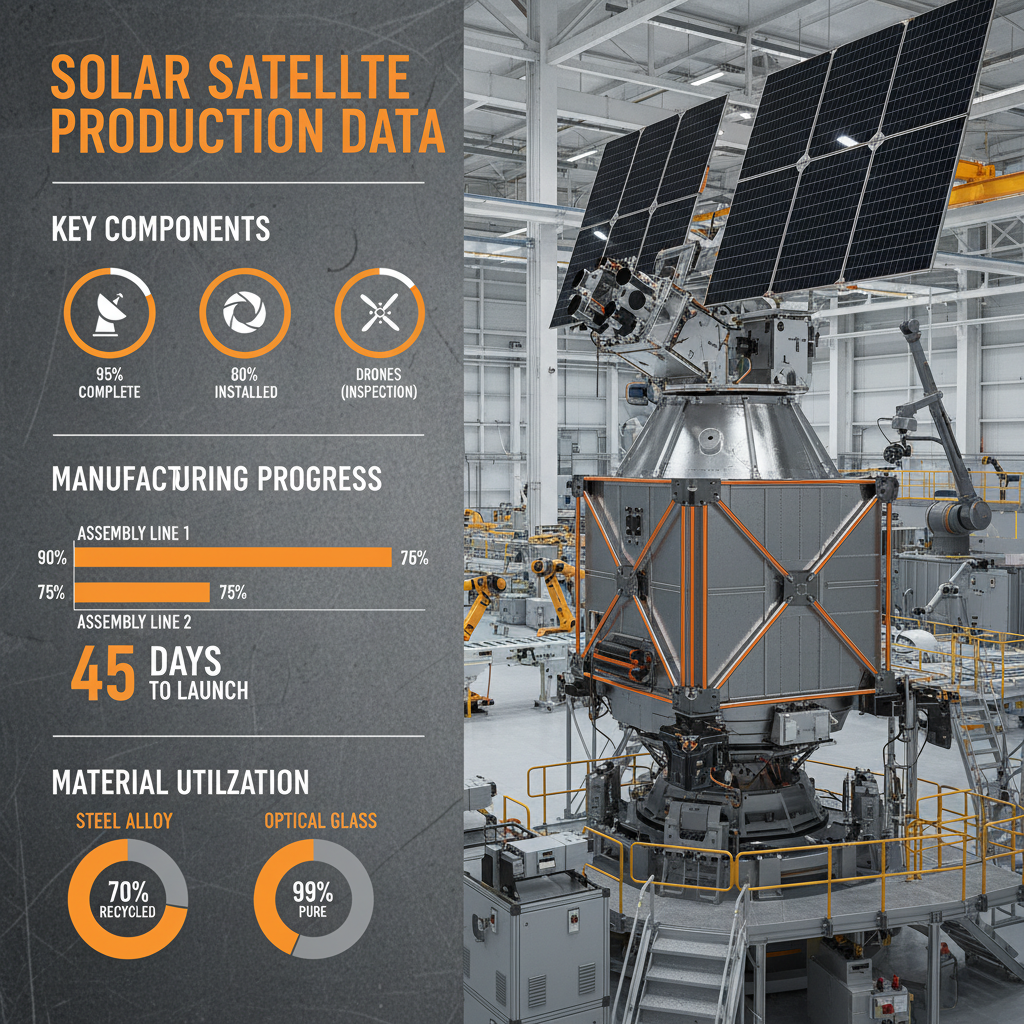
Despite its potential, solar satellite technology faces several challenges. The initial investment costs are substantial, requiring significant funding for research, development, and deployment. The construction and maintenance of large-scale space structures also present considerable engineering hurdles. Concerns about the environmental impact of microwave or laser transmission, and potential interference with other systems, need to be carefully addressed. Furthermore, international cooperation and regulatory frameworks are essential for ensuring the safe and equitable implementation of this technology.
Conclusion: A Bright Future Powered by the Sun
Solar satellites represent a promising pathway to a sustainable energy future. While challenges remain, ongoing advancements in technology and growing global commitment are paving the way for the realization of this ambitious vision. Space-Navi is dedicated to advancing the development and implementation of this groundbreaking technology, contributing to a cleaner, more secure energy future for all.
Frequently Asked Questions (FAQs)
What is the estimated cost of building and deploying a solar satellite?
The cost of a solar satellite is exceptionally high, estimated to be in the billions of dollars. This includes the cost of research and development, manufacturing, launch, and assembly in space. The precise figure depends on the scale of the project, the chosen technology (microwave or laser transmission), and the complexity of the space structure. Reducing these costs through innovations in materials, manufacturing processes, and launch technologies is a key focus of ongoing research. The long-term economic benefits, however, are expected to outweigh the initial investment.
What safety measures are in place to prevent interference with other satellites or aircraft?
Safety is paramount in the development of solar satellite technology. Rigorous studies are conducted to assess the potential for interference with other satellites, aircraft, and terrestrial communication systems. Microwave beams are carefully controlled to minimize dispersion and avoid impacting sensitive equipment. Laser transmission systems require precise pointing and tracking to ensure a focused beam. Regulatory bodies are actively involved in establishing international standards and guidelines to ensure the safe and responsible deployment of solar satellites.
How efficient are rectennas in converting beamed energy back into electricity?
Rectennas, the receiving stations on Earth, are designed to efficiently convert microwave or laser energy back into electricity. Current rectenna designs achieve conversion efficiencies of around 80-90% for microwave transmission and potentially higher for laser transmission. The efficiency is influenced by factors such as the frequency of the beamed energy, the size and design of the rectenna, and environmental conditions. Ongoing research is focused on improving rectenna efficiency and reducing their land footprint.
What role does Space-Navi play in the development of solar satellite technology?
Space-Navi is actively involved in several key areas of solar satellite development, including the design and construction of space-based infrastructure, energy management systems, and advanced materials research. We are dedicated to developing innovative solutions for efficient energy transmission and storage, as well as addressing the challenges associated with large-scale space structures. Our expertise and commitment to sustainability position us as a leading contributor to the future of space-based solar power.