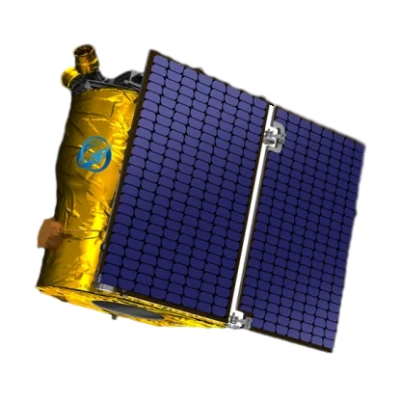
Advancements in Power System Satellite Technologies for Space Exploration
Power System Satellite: A Comprehensive Overview
In the realm of space exploration and satellite technology, a reliable power system satellite is crucial for mission success. These systems provide the necessary energy to operate onboard equipment, maintain functionality, and ensure longevity in the harsh space environment. This article delves into the intricacies of power systems for satellites, exploring their components, types, challenges, and future trends. Understanding these systems is paramount for anyone involved in satellite design, operation, or space-related research.

Fundamentals of Satellite Power Systems
A satellite power system essentially converts energy from a primary source into a usable form for the satellite’s various subsystems. The primary source is overwhelmingly solar energy, captured by solar arrays. However, some satellites utilize Radioisotope Thermoelectric Generators (RTGs) for missions operating in environments with limited sunlight, such as deep space probes. The generated power is then conditioned, stored, and distributed to the payload and other critical components. Efficient power management is vital, as energy resources are inherently limited in space.
Key Components of a Power System Satellite
Several core components work together to constitute a functional power system. These include:
- Solar Arrays: Convert sunlight into electricity. Their size and efficiency determine the total power available.
- Batteries: Store energy for use during eclipse periods or when peak power demands exceed solar array output. Lithium-ion batteries are commonly used due to their high energy density.
- Power Control and Distribution Unit (PCDU): Regulates voltage, manages power flow, and protects against overloads.
- DC-DC Converters: Transform voltage levels to meet the specific requirements of different subsystems.
- Charge Controllers: Manage the charging and discharging of batteries to optimize their lifespan.
Types of Power Systems for Satellites
The choice of a power system depends largely on the satellite’s mission profile, orbit, and power requirements. The most common types are:
Challenges in Power System Satellite Design
Designing robust and efficient power systems for satellites presents significant challenges. These include:
- Radiation Hardening: Space radiation can damage electronic components, requiring careful shielding and radiation-tolerant design.
- Thermal Management: Maintaining optimal operating temperatures is crucial, as satellites experience extreme temperature variations.
- Weight Constraints: Launch costs are heavily influenced by satellite weight, demanding lightweight power system components.
- Reliability and Lifespan: Satellites must operate reliably for extended periods without maintenance.
- Increasing Power Demands: Newer satellite technologies, such as high-resolution imaging and advanced communication systems, require significantly more power.
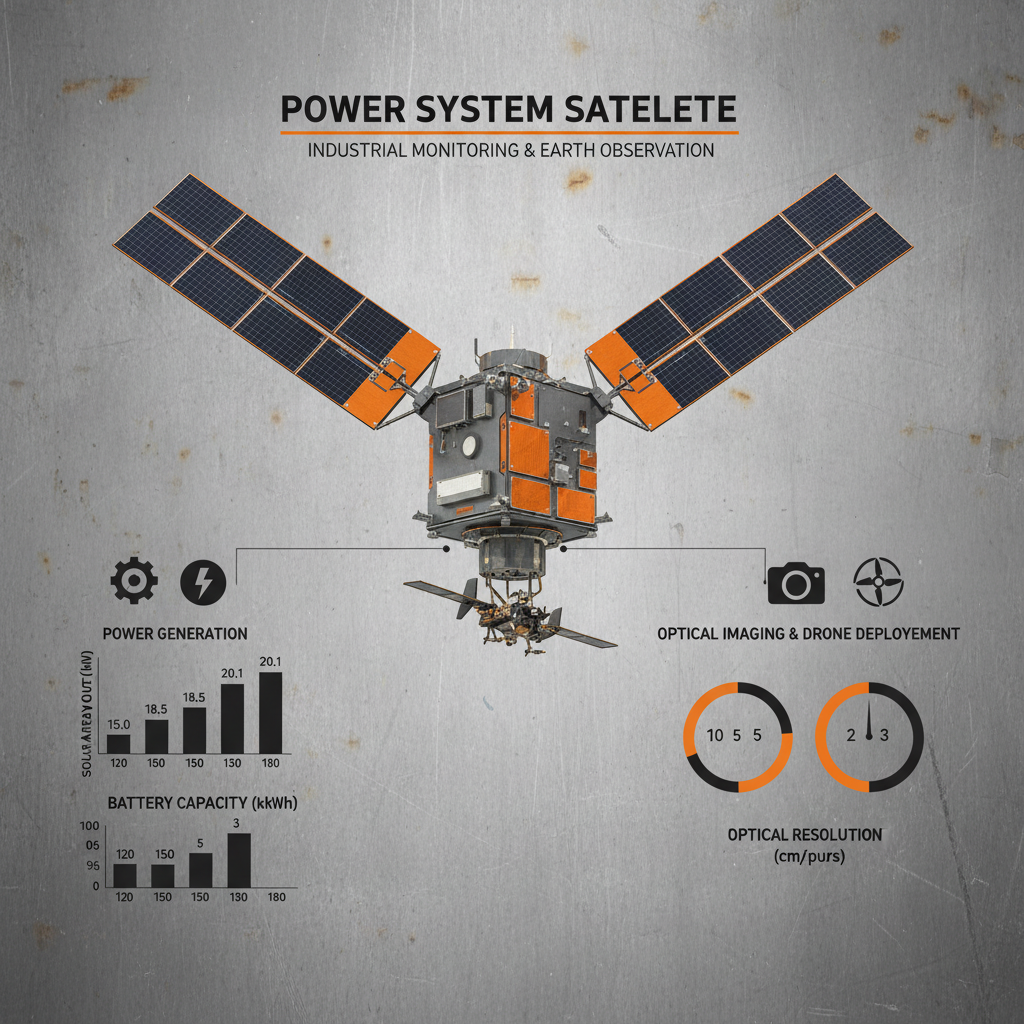
Future Trends in Power Systems
The future of satellite power systems is focused on improving efficiency, increasing power output, and reducing weight and cost. Key trends include:
- Flexible Solar Arrays: Lightweight and deployable solar arrays that can generate significantly more power.
- High-Efficiency Solar Cells: Development of advanced solar cell technologies with higher conversion efficiencies.
- Wireless Power Transfer: Transferring power between satellites in orbit to extend mission capabilities.
- Advanced Battery Technologies: Solid-state batteries and other innovative battery chemistries with improved energy density and lifespan.
- Artificial Intelligence (AI) in Power Management: Using AI algorithms to optimize power distribution and predict energy needs.
Conclusion
Reliable power system satellite technology is fundamental to modern space exploration and utilization. As satellite technology advances and missions become more complex, the demands on power systems will continue to increase. Innovation in solar cell technology, battery storage, and power management systems will be critical to enabling future space endeavors. Space-Navi provides comprehensive resources and solutions for the evolving needs of the space industry.
Frequently Asked Questions (FAQs)
What is the typical lifespan of a satellite power system?
The lifespan of a satellite power system typically aligns with the overall mission duration, commonly ranging from 5 to 15 years. However, this is highly dependent on factors such as the quality of components, the severity of the space environment, and the efficiency of thermal management. Battery degradation is often the limiting factor, as battery capacity gradually decreases over time. Design redundancy and careful component selection are crucial for maximizing system lifespan.
How does radiation affect satellite power systems?
Space radiation, including energetic particles and electromagnetic radiation, can significantly degrade the performance of satellite power system components. Radiation can cause damage to solar cells, reducing their efficiency, and can disrupt the functionality of electronic components in the PCDU and charge controllers. Radiation hardening techniques, such as shielding and the use of radiation-tolerant materials, are employed to mitigate these effects. Regular monitoring and redundancy are also critical for ensuring continued operation.
What are the advantages of flexible solar arrays?
Flexible solar arrays offer several advantages over traditional rigid panels. They are significantly lighter in weight, allowing for reduced launch costs. They can be compactly stowed during launch and deployed to a much larger surface area in orbit, maximizing power generation. Additionally, they can conform to curved surfaces, offering greater design flexibility. However, they are often more susceptible to damage from micrometeoroids and space debris, requiring protective coatings and careful deployment strategies.