How Infrared Focal Plane Arrays Transform Imaging
The development of infrared focal plane arrays has significantly expanded the scope of imaging technology beyond the visible spectrum. Unlike traditional detectors, these arrays are sensitive to infrared wavelengths, allowing them to capture thermal signatures and subtle energy variations. When integrated into satellite payloads, the infrared focal plane becomes a powerful tool for observing natural and human-made phenomena under all lighting conditions.
At the core of this advancement is the infrared focal plane array technology, which organizes individual detector elements into precise grids. Each element measures infrared radiation, producing a comprehensive dataset with both spatial and spectral detail. This makes it possible to monitor surface temperatures, detect crop stress in agriculture, or observe geological processes with unprecedented accuracy. For remote sensing companies with a history of optical payload innovation, such as those pioneering high-resolution visible-light imaging, adding infrared capabilities extends the value of their satellite data services.
Material choice is another critical factor in these systems. For instance, InSb FPA detectors are widely recognized for their performance in the mid-wave infrared range. Their sensitivity enables precise temperature measurement and imaging in dynamic environments, from volcanic activity monitoring to industrial process assessment. Meanwhile, innovations in uncooled infrared focal plane arrays have made it possible to design lighter and more cost-effective detectors, opening opportunities for broader applications where power and cooling limitations exist.
In some technical discussions, the terms infrared FPA and IR FPA are often used interchangeably. Regardless of terminology, the function remains the same: to translate invisible energy into structured data. With the right integration, these detectors deliver consistent results even under challenging operational conditions.
Infrared focal plane arrays highlight how imaging has evolved from simple visual capture to sophisticated sensing across multiple domains. As industries increasingly depend on thermal and spectral data, the demand for robust infrared detectors will continue to grow, driving both scientific research and commercial innovation.
Why InSb FPA and Uncooled Arrays Differ
When evaluating detector performance, the distinction between InSb FPA devices and uncooled infrared focal plane arrays becomes especially important. Each type addresses different operational needs. Indium antimonide detectors excel in the mid-wave infrared range, where high sensitivity and low noise levels are crucial. They require cryogenic cooling, but in return, they deliver highly accurate data that can distinguish subtle temperature variations across complex surfaces.
In contrast, uncooled detectors prioritize accessibility and practicality. Without the burden of cooling systems, these arrays can be made lighter, smaller, and more cost-effective. While they may not match the sensitivity of cooled detectors, their ease of integration makes them ideal for broad-scale monitoring, portable systems, and cost-sensitive applications. For industries where continuous operation outweighs ultimate precision, uncooled detectors open entirely new possibilities.
This trade-off illustrates the broader engineering challenge in designing the infrared focal plane. Researchers must balance resolution, sensitivity, and operational constraints. For organizations already familiar with advanced payload integration—where reducing weight and improving efficiency are longstanding goals—this balance aligns closely with other innovations in satellite technology. The shift toward modular detector design means that multiple types of arrays, both cooled and uncooled, can be combined in a single system to maximize flexibility.
It is also worth noting that terminology like infrared FPA and IR FPA reflects the global reach of this technology. While different regions may use slightly different terms, the engineering principles remain universal: reliable infrared detection depends on the interplay of materials science, thermal management, and system integration.
By understanding the distinctions between detector types, end users can select solutions that match their operational environment, whether that involves laboratory research, field surveys, or long-duration satellite missions. This adaptability is one reason infrared focal plane arrays continue to gain traction across diverse industries.
Applications of Infrared Focal Plane Array Technology
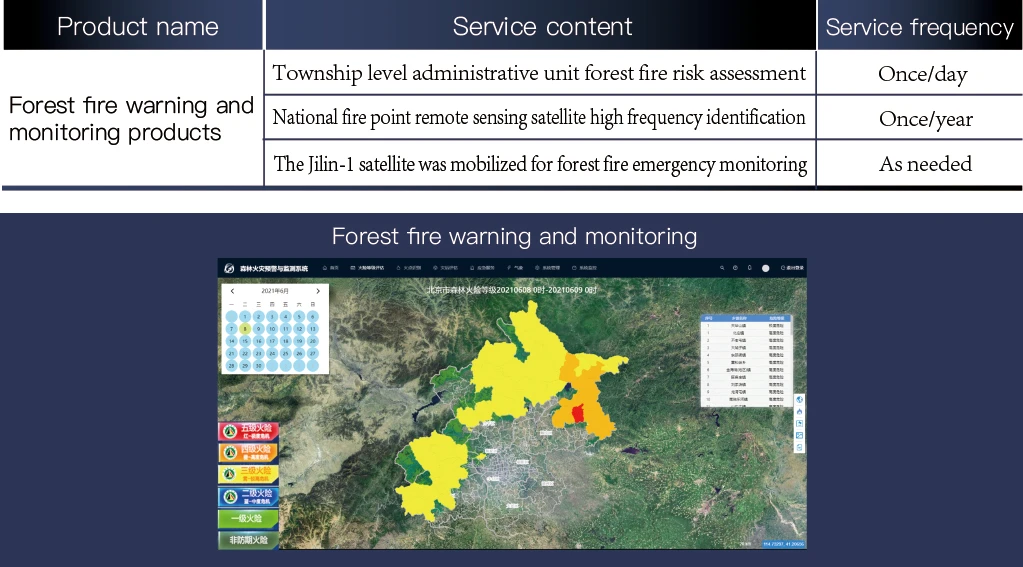
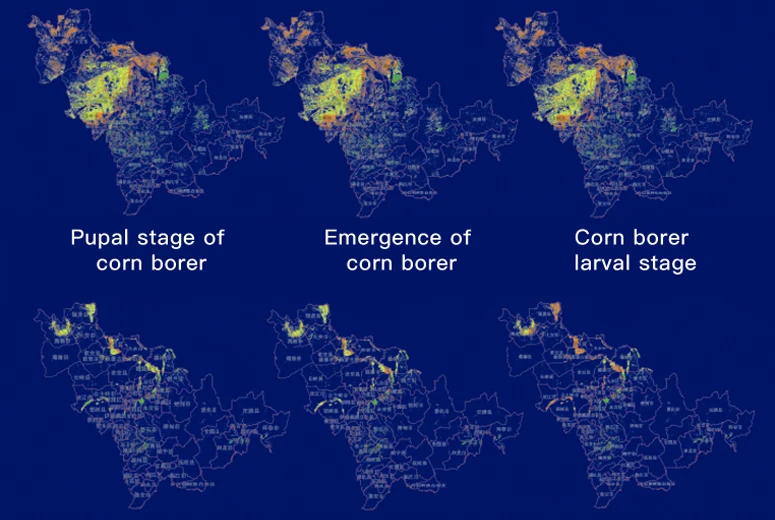
The versatility of infrared focal plane array technology is best seen through its practical applications. In agriculture, infrared imaging detects crop stress long before it becomes visible to the naked eye. By measuring subtle changes in temperature and reflectance, farmers can optimize irrigation and fertilizer use, improving yields while reducing waste. In environmental monitoring, arrays provide vital data for tracking wildfires, monitoring deforestation, and observing polar ice melt.
Industrial uses are equally diverse. Infrared focal plane arrays are deployed in energy audits, where thermal imaging identifies inefficiencies in buildings and machinery. In the field of transportation, these detectors support predictive maintenance by spotting overheating components before failures occur. The sensitivity of infrared FPA systems ensures that even small anomalies are identified quickly, reducing downtime and improving safety.
Space-based applications bring additional opportunities. By mounting detectors on satellites, organizations extend monitoring to a global scale, capturing data across regions that are otherwise inaccessible. Whether measuring volcanic emissions or tracking urban heat islands, infrared data complements visible and radar imaging, creating a richer picture of the Earth’s systems. Companies experienced in integrating visible-light payloads are now leveraging these same engineering principles to expand into thermal detection, combining multiple sensor types for comprehensive observation.
The evolution of IR FPA technology illustrates the growing need for all-weather, multi-spectral sensing. Since infrared imaging does not depend on sunlight, it provides continuous coverage day and night. This ability to collect reliable data under varying conditions makes infrared detectors indispensable in contexts where timing and accuracy are critical.
Applications of infrared focal plane arrays extend across agriculture, industry, and environmental science, with satellite-based systems offering the broadest impact. As industries seek deeper insights into both natural and engineered environments, infrared technology is set to become a standard component of global observation systems.