Exploring the Future of Energy Power Satellites and Space Based Solar Power
Unlocking Space Exploration: The Potential of Power Satellites
The future of energy and space-based applications hinges on innovative technologies. Power satellites, also known as Space-Based Solar Power (SBSP) systems, represent a compelling solution to global energy challenges and a key enabler for advanced space endeavors. These orbiting power plants collect solar energy and beam it wirelessly to Earth, offering a clean, sustainable, and potentially limitless energy source. This article delves into the science behind power satellites, their benefits, current development efforts, and the challenges that must be overcome to realize their full potential. Space-navi.com offers detailed insights into the latest advancements in space technology, including those related to SBSP.

How Do Power Satellites Work?
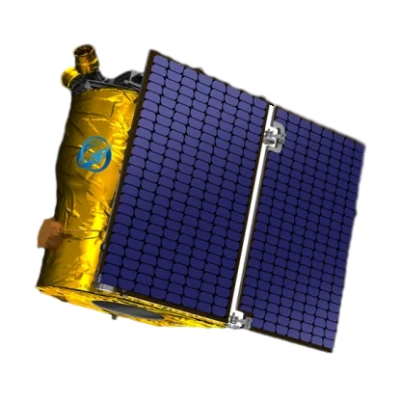
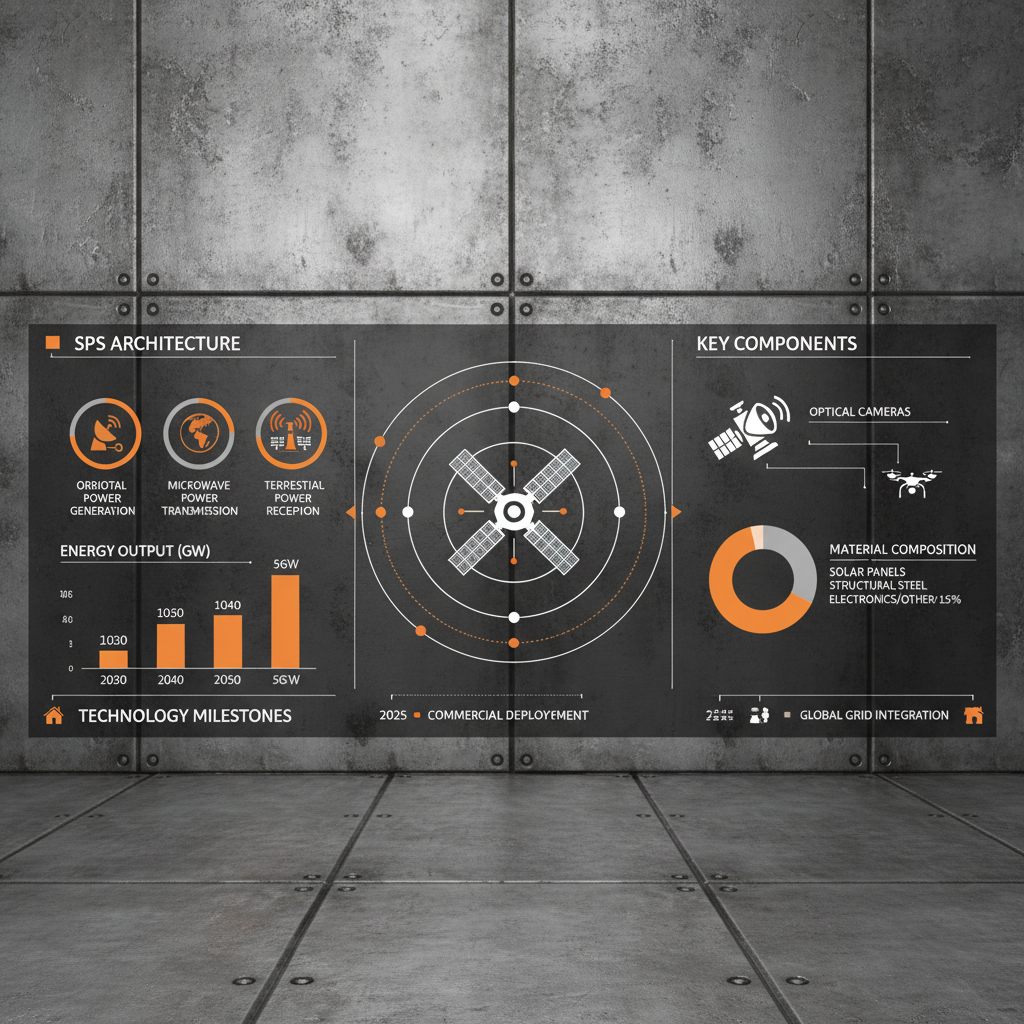
The concept of power satellites is elegantly simple yet technologically demanding. Large-scale solar arrays are deployed in geostationary orbit (GEO), approximately 36,000 kilometers above Earth. At this altitude, the satellite experiences almost continuous sunlight, unobstructed by clouds, atmosphere, or the day-night cycle. The solar energy captured is then converted into radio frequency (RF) or microwave energy. This energy is beamed down to receiving stations, called rectennas, located on Earth. Rectennas convert the RF/microwave energy back into usable electricity. The key components include high-efficiency solar cells, power transmission systems, and precise pointing and control mechanisms to ensure accurate beam delivery. Understanding these principles is crucial for appreciating the potential of SBSP systems.
Key Components: High-efficiency solar cells, power transmission systems (microwave or laser), precise pointing and control, and large-scale space structures.
The Advantages of Space-Based Solar Power
Compared to terrestrial solar power, power satellites offer several significant advantages. Firstly, they benefit from a much higher solar irradiance level in space, as there's no atmospheric absorption or scattering. Secondly, they circumvent the limitations of the day-night cycle and weather conditions. Thirdly, they can deliver power to remote locations without the need for extensive and costly transmission lines. Furthermore, SBSP systems can contribute to energy independence and reduce reliance on fossil fuels, mitigating climate change. The consistent and reliable nature of space-based solar energy makes it an attractive option for base-load power generation.
Benefits of Power Satellites:
• Higher solar irradiance
• Continuous power generation
• Remote power delivery
• Reduced reliance on fossil fuels
Power Satellite Technologies: A Comparison
Several technologies are being explored for power satellites, each with its own strengths and weaknesses. The primary distinction lies in the method of power transmission – microwave or laser. Microwave transmission is a more mature technology, offering broader beam divergence and easier rectenna design. However, it requires larger antenna sizes. Laser transmission, while still under development, offers higher beam concentration, smaller rectennas, and improved efficiency. Here’s a comparison:
Current Development and Future Outlook
Numerous research institutions and companies are actively pursuing power satellite technology. Recent advancements in lightweight materials, high-efficiency solar cells, and wireless power transfer have significantly improved the feasibility of SBSP. Japan, China, the United States, and Europe are leading the way in this field, with ambitious plans to demonstrate the technology within the next decade. Space-navi.com provides up-to-date coverage of these developments, offering a valuable resource for those interested in the future of space-based energy. Addressing challenges related to cost, scalability, and regulatory frameworks will be critical for widespread adoption.
Challenges and Considerations
Despite the immense potential, several challenges remain. The initial investment cost for developing and deploying power satellites is substantial. Concerns regarding the safety of high-power microwave/laser beams and potential interference with other space-based systems need to be addressed. Furthermore, establishing international regulations and agreements for the operation of SBSP systems is crucial. Mitigation of space debris and ensuring the long-term sustainability of these systems are also vital considerations. Addressing these issues through ongoing research, international collaboration, and responsible engineering practices will pave the way for the successful implementation of SBSP technology.
Conclusion: A Bright Future Powered by Space
Power satellites represent a groundbreaking approach to energy generation and a pivotal step toward a sustainable future. While challenges remain, the ongoing advancements in technology and increasing global interest suggest that SBSP could become a reality within the coming decades. Explore the latest developments and insights at Space-navi.com to stay informed about this exciting frontier in space technology.
Frequently Asked Questions (FAQs)
What is the estimated cost of developing a single power satellite?
Estimating the cost is complex, but current projections suggest a single, operational power satellite could cost anywhere from $5 billion to $20 billion, depending on its size, technology, and launch costs. This includes the cost of research and development, manufacturing, assembly, launch, and initial operations. The high upfront cost is a major barrier to entry, but proponents argue that the long-term benefits of clean, sustainable energy will outweigh the initial investment. Economies of scale and advancements in launch technology could significantly reduce costs in the future.
Are there any safety concerns associated with beaming energy from space to Earth?
Safety is a paramount concern. The energy beams, whether microwave or laser, need to be precisely controlled and directed to avoid unintended exposure. Rectenna designs incorporate safety mechanisms to prevent exposure to stray radiation. Moreover, the intensity of the beams can be adjusted to minimize potential harm. Extensive testing and regulatory oversight are crucial to ensure the safety of SBSP systems. Organizations are developing robust protocols to address these concerns and guarantee public safety.
What are the environmental impacts of deploying large-scale power satellites?
The environmental impacts are largely positive, as SBSP systems offer a clean energy source and reduce reliance on fossil fuels. However, there are potential concerns related to the manufacturing and launch of satellites, as well as the disposal of end-of-life spacecraft. Mitigation strategies include using environmentally friendly materials, minimizing launch emissions, and developing technologies for space debris removal. The overall environmental footprint of SBSP is expected to be significantly lower than that of traditional energy sources.
How do rectennas impact land use?
Rectennas require large land areas for efficient energy collection. However, the land beneath rectennas can still be used for other purposes, such as agriculture or grazing, as the RF/microwave energy is relatively harmless. Careful site selection and innovative rectenna designs can minimize land-use impacts. Furthermore, offshore rectennas are also being explored as a potential solution.