
- Afrikaans
- Albanian
- Amharic
- Arabic
- Armenian
- Azerbaijani
- Basque
- Belarusian
- Bengali
- Bosnian
- Bulgarian
- Catalan
- Cebuano
- China
- Corsican
- Croatian
- Czech
- Danish
- Dutch
- English
- Esperanto
- Estonian
- Finnish
- French
- Frisian
- Galician
- Georgian
- German
- Greek
- Gujarati
- Haitian Creole
- hausa
- hawaiian
- Hebrew
- Hindi
- Miao
- Hungarian
- Icelandic
- igbo
- Indonesian
- irish
- Italian
- Japanese
- Javanese
- Kannada
- kazakh
- Khmer
- Rwandese
- Korean
- Kurdish
- Kyrgyz
- Lao
- Latin
- Latvian
- Lithuanian
- Luxembourgish
- Macedonian
- Malgashi
- Malay
- Malayalam
- Maltese
- Maori
- Marathi
- Mongolian
- Myanmar
- Nepali
- Norwegian
- Norwegian
- Occitan
- Pashto
- Persian
- Polish
- Portuguese
- Punjabi
- Romanian
- Russian
- Samoan
- Scottish Gaelic
- Serbian
- Sesotho
- Shona
- Sindhi
- Sinhala
- Slovak
- Slovenian
- Somali
- Spanish
- Sundanese
- Swahili
- Swedish
- Tagalog
- Tajik
- Tamil
- Tatar
- Telugu
- Thai
- Turkish
- Turkmen
- Ukrainian
- Urdu
- Uighur
- Uzbek
- Vietnamese
- Welsh
- Bantu
- Yiddish
- Yoruba
- Zulu
Component
Component
A component is a fundamental part of a larger system or device, designed to perform a specific function. Components are used across various industries, including electronics, machinery, automotive, and aerospace, where component design and component quality are essential to ensure the efficiency, durability, and functionality of complex systems. In aerospace, sourcing through component suppliers also supports system reliability in critical environments.
-
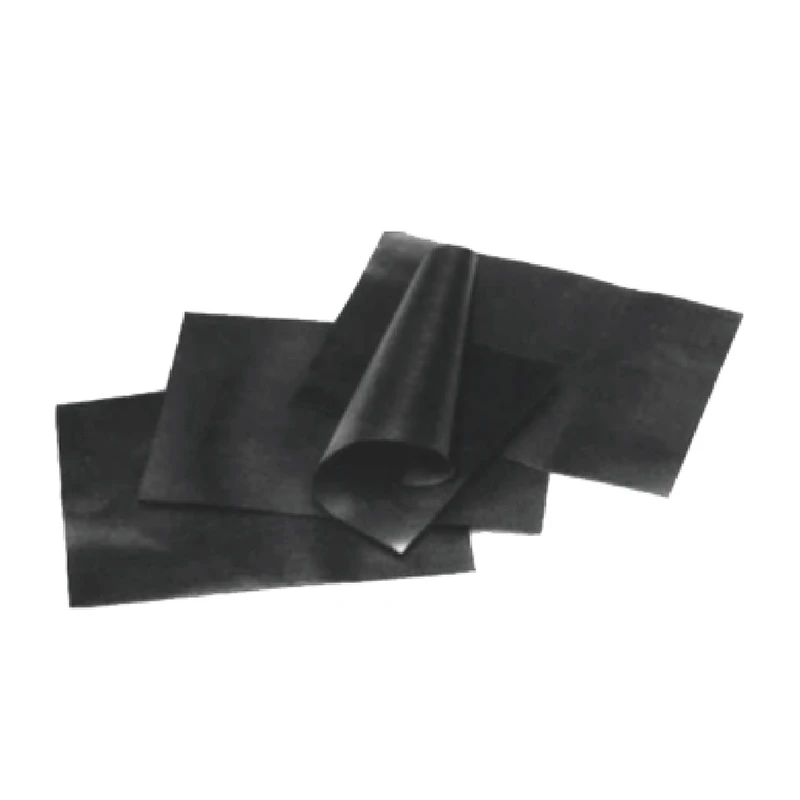
Graphitic Heat-Conducting Film
Pagkat-on og Dugang Karon >
-
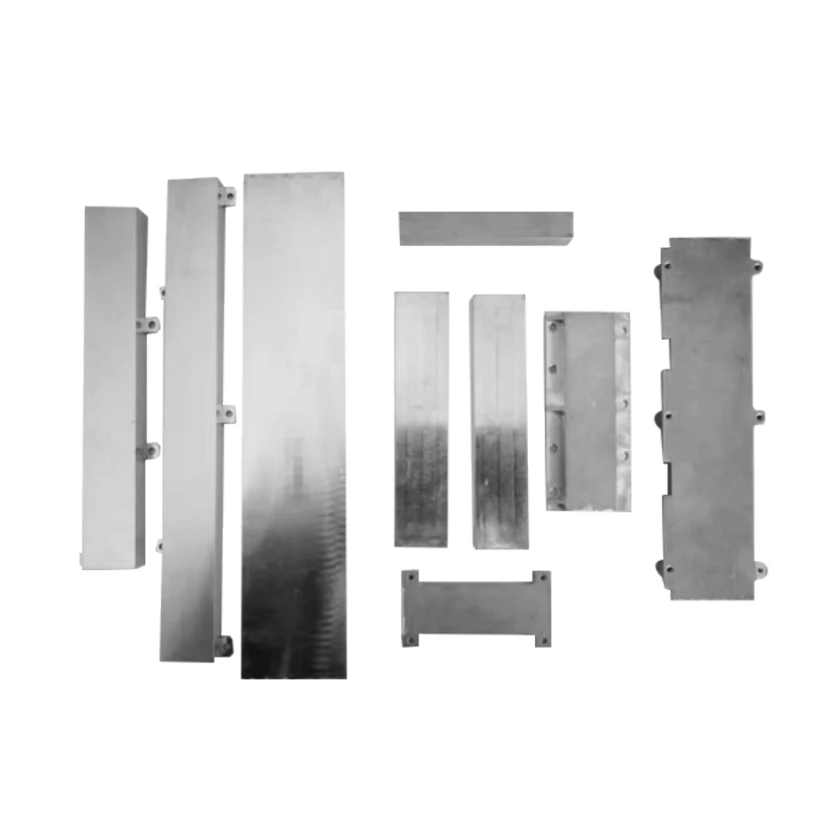
Phase-Transformation Heat Pipe
Pagkat-on og Dugang Karon >
-
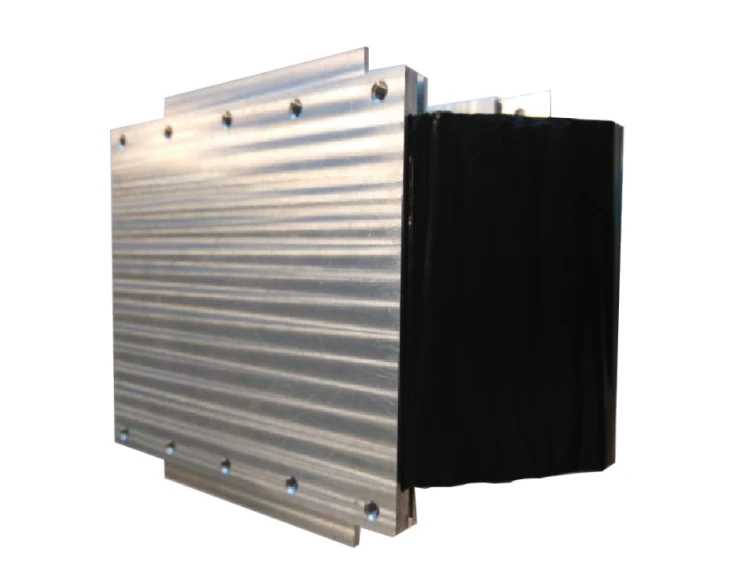
Flexible nga Heat-Conducting Cable
Pagkat-on og Dugang Karon >
-
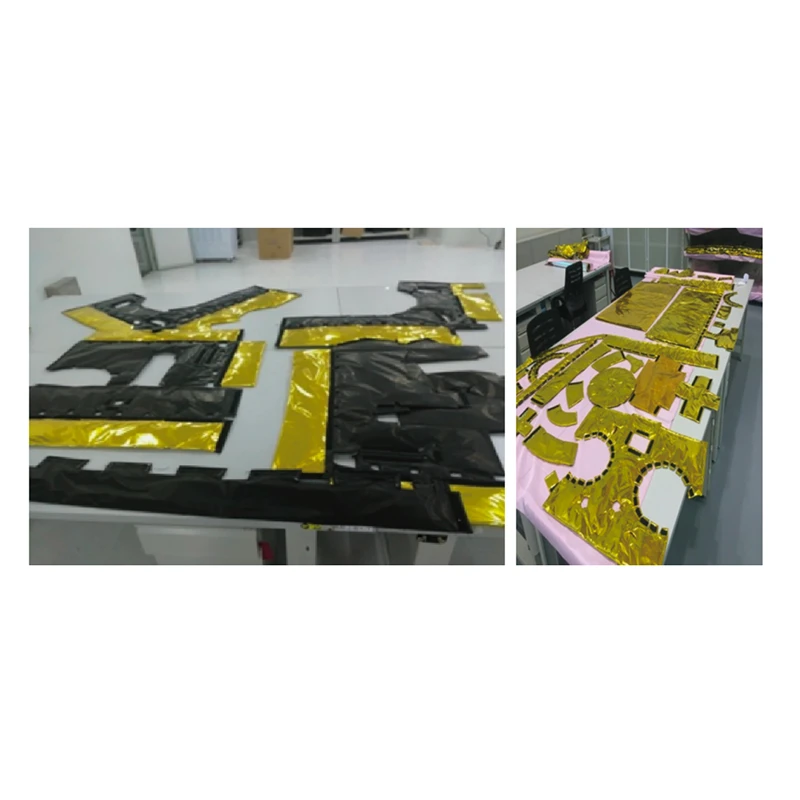
Multi-Layer Thermal Insulation Cover
Pagkat-on og Dugang Karon >
-
Satellite-Rocket Separation Mechanism
Pagkat-on og Dugang Karon >
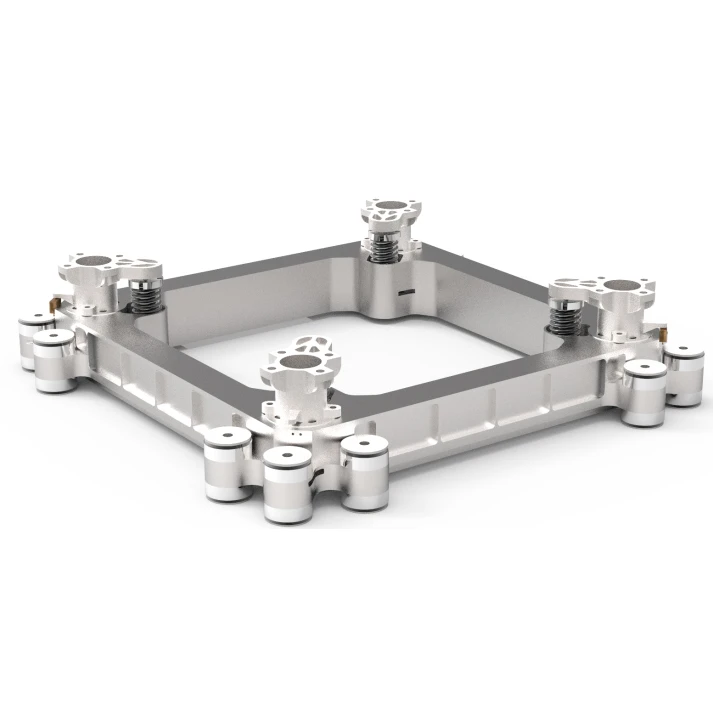
-
Pagbulag sa Nut
Pagkat-on og Dugang Karon >
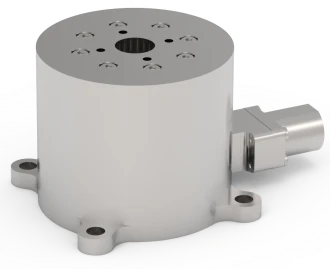
-
Mga Lente sa Star Sensor
Pagkat-on og Dugang Karon >
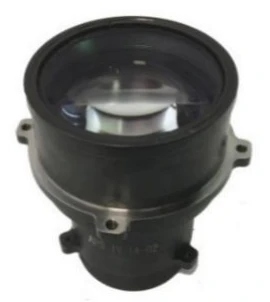
-
Gisagol nga Quartz Reflective Mirror
Pagkat-on og Dugang Karon >
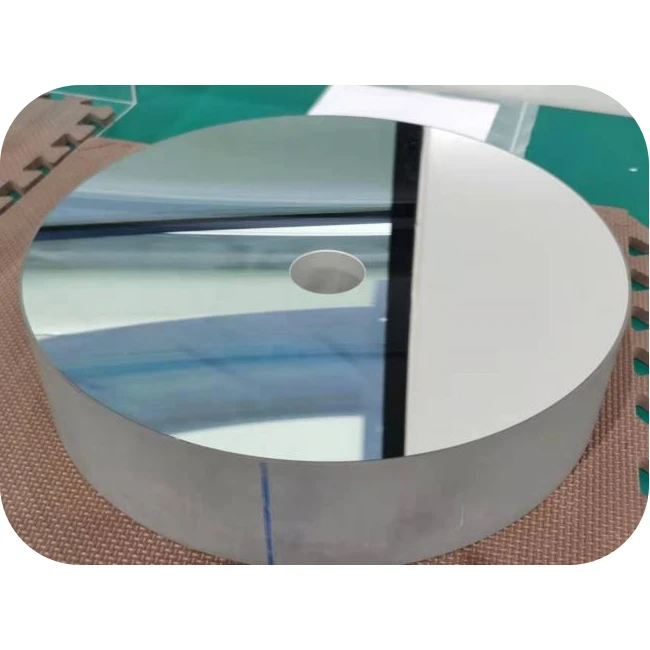
-
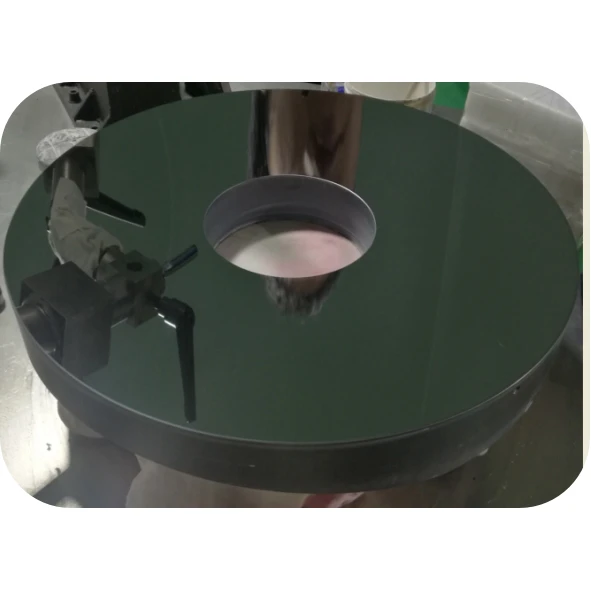
Silicon Carbide Reflective Mirror
Pagkat-on og Dugang Karon >
Nangita alang sa taas nga kalidad nga mga sangkap alang sa imong mga aplikasyon?
Hingpit nga i-synergize ang mga relasyon sa pagbuhis sa kapanguhaan pinaagi sa mga nag-una nga niche nga merkado nga propesyonal.
Kontaka KamiUnsa ang Nagkalainlain nga Mga Matang sa Mga sangkap ug ang ilang mga aplikasyon?
Ang mga sangkap hinungdanon nga mga bloke sa pagtukod sa mga makina, elektroniko, ug mga sistema, ang matag usa nagsilbi usa ka lahi nga katuyoan. Mahimo kini nga kategorya base sa ilang gimbuhaton, industriya, ug komposisyon sa materyal. Ang labing kasagaran nga mga tipo naglakip sa elektronik nga mga sangkap, mekanikal nga sangkap, istruktura nga sangkap, ug mga sangkap sa sistema sa likido.
Ang mga sangkap sa elektroniko, sama sa mga resistor, capacitor, ug semiconductors, kaylap nga gigamit sa mga sirkito aron makontrol ang boltahe, pagtipig sa enerhiya, ug mahimo ang pagproseso sa signal. Kini nga mga sangkap hinungdanon sa consumer electronics, medikal nga mga himan, telekomunikasyon, ug industriyal nga automation. Pananglitan, ang mga microprocessor ug memory chips mao ang kasingkasing sa mga kompyuter ug smartphone, nga nagtugot sa pagproseso ug pagtipig sa datos.
Mechanical components, including gears, bearings, and fasteners, are used in machinery, vehicles, and industrial equipment to ensure motion control, stability, and durability. These components require precise component design and quality control by experienced component manufacturers to function effectively.
Structural components, such as beams, panels, and frames, provide support and stability in construction, aerospace, and automotive industries. In aerospace engineering, lightweight yet strong materials like carbon fiber-reinforced composites are used in satellite components and satellite parts to enhance durability and efficiency. These parts often undergo rigorous thermal vacuum testing and vibration testing to meet strict standards.
Fluid system components, including valves, pumps, and pipes, manage the flow of liquids and gases in industries such as oil and gas, chemical processing, and water treatment. Reliable sourcing from qualified component suppliers and bulk options via component wholesale channels help ensure safe and efficient system operation.
Sa padayon nga pag-uswag sa mga materyales ug teknolohiya, ang mga sangkap nahimong labi ka episyente, lig-on, ug mapahiangay sa lainlaing mga aplikasyon. Ang ilang papel sa kabag-ohan ug pag-uswag sa industriya nagpabilin nga kinahanglanon.
What Are the Key Considerations in Electronic Component Design?
The success of any electronic system begins with effective component design. Whether it's a satellite control board, a power supply module, or a PCB for consumer electronics, the design phase is where performance, efficiency, and durability are determined. Engineers must factor in size constraints, heat dissipation, signal integrity, and electromagnetic interference from the start. A well-thought-out component layout prevents system failures, reduces noise, and improves long-term stability.
In modern applications—particularly in aerospace and satellite tech—component material selection is equally critical. High-frequency systems often require dielectric substrates with stable thermal and electrical properties. The wrong materials can compromise signal speed or distort microwave frequencies, especially in parts like microstrip antennas and high-speed data lines. Designers also need to think about component quality over time, considering environmental factors such as radiation, vibration, and temperature extremes that components may endure.
This is where companies like SpaceNavi Co., Ltd. come into play. With their expertise in satellite component design and production, they offer refined solutions that integrate robustness and scalability. Choosing high-quality components from experienced component manufacturers ensures the final product functions reliably in real-world environments, saving costs associated with downtime, repairs, or failure analysis.
Why Is Material Selection Important in Electronic Component Manufacturing?
The choice of component material plays a pivotal role in determining how a component performs, especially under pressure. Materials affect conductivity, signal loss, heat tolerance, and mechanical stability. For example, a low-quality dielectric material in a microstrip antenna could lead to high signal loss and poor radiation efficiency. Similarly, using subpar copper in a PCB could compromise its conductivity and lifespan.
Another overlooked aspect is the compatibility between different materials. A mix of metals with mismatched thermal expansion rates can cause mechanical stress, leading to micro-cracks and eventual failure of solder joints or traces. For component OEM production, consistency in material quality ensures that large batches behave predictably, which is essential for systems with zero tolerance for errors—like satellites or defense electronics.
Trusted component manufacturers typically perform rigorous material sourcing and testing before production. While you should always review a supplier’s documentation, working with experienced producers such as SpaceNavi Co., Ltd. simplifies this process. Their full-chain production model ensures their satellite components maintain high performance even in vacuum or high-radiation environments, where material selection makes all the difference.
How Are Component Cables Essential in High-Frequency or Harsh Environments?
While often overlooked, component cables are essential in maintaining system integrity—especially in high-speed data and signal transmission environments. They connect sensors, processors, and power systems, serving as the physical medium for voltage, current, or RF signals. Poor-quality cables or connectors can result in significant signal loss, increased electromagnetic interference (EMI), or total communication failure.
In systems using microstrip antennas or high-frequency radar modules, the importance of shielding and impedance control in cables becomes even more critical. Incorrect component design here can introduce phase noise or unwanted reflections. Similarly, in aerospace or industrial applications, cables need to be robust enough to withstand vibration, UV exposure, and large temperature fluctuations without degrading.
The market demand for customized cabling—such as custom mini component cables or modular cable assemblies—is growing. These often come with options for logo printing, specific sheath materials, or tailored lengths for optimal installation. Companies like SpaceNavi, while focusing on satellite-level solutions, often recommend the use of certified component OEM cables to avoid weak links in the system’s chain of command.
In What Ways Do Satellite Components Differ from Standard Electronics?
Satellite components operate in some of the harshest conditions imaginable—extreme temperatures, intense radiation, and the vacuum of space. That’s why they're built to far stricter standards than everyday electronics. Beyond temperature and vacuum resistance, these components must be vibration-resistant, radiation-hardened, and able to operate flawlessly over long periods without maintenance.
One core difference lies in component material. While commercial electronics might use standard plastics and mid-grade metals, satellite component design requires ceramics, aerospace-grade metals, and specialized coatings. Additionally, component operation in satellites is highly interdependent—failure in one sensor or power module can compromise the entire mission. Redundancy, shielding, and fault-tolerant designs are standard practice.
SpaceNavi Co., Ltd. has proven expertise in this field, producing everything from microstrip antennas to central computers for spacecraft. Their approach showcases how component quality, ruggedization, and reliability are prioritized from the start of design through manufacturing. For buyers looking to understand space-grade expectations, this kind of industrial benchmark is highly informative.
Mga Matang sa Mga Sangkap ug Ang Ilang mga Aplikasyon
-
 Electronic nga mga sangkapNaglakip sa mga resistor, capacitor, ug semiconductors, hinungdanon alang sa pagpaandar ug pagkontrol sa mga elektronik nga aparato.
 -
 Mekanikal nga mga sangkapNaglangkob sa mga gears, bearings, ug fasteners, nga nagsiguro sa hapsay nga operasyon sa mga makinarya ug mga salakyanan.
 -
 Mga sangkap sa istrukturaNaghatag suporta ug kalig-on sa konstruksyon, aerospace, ug automotive nga mga industriya nga adunay lig-on nga mga materyales.
 -
 Mga sangkap sa Sistema sa FluidNag-regulate sa pag-agos sa likido ug gas pinaagi sa mga bomba, balbula, ug tubo sa mga aplikasyon sa industriya ug kemikal.











