- Afrikaans
- Albanian
- Amharic
- Arabic
- Armenian
- Azerbaijani
- Basque
- Belarusian
- Bengali
- Bosnian
- Bulgarian
- Catalan
- Cebuano
- China
- Corsican
- Croatian
- Czech
- Danish
- Dutch
- English
- Esperanto
- Estonian
- Finnish
- French
- Frisian
- Galician
- Georgian
- German
- Greek
- Gujarati
- Haitian Creole
- hausa
- hawaiian
- Hebrew
- Hindi
- Miao
- Hungarian
- Icelandic
- igbo
- Indonesian
- irish
- Italian
- Japanese
- Javanese
- Kannada
- kazakh
- Khmer
- Rwandese
- Korean
- Kurdish
- Kyrgyz
- Lao
- Latin
- Latvian
- Lithuanian
- Luxembourgish
- Macedonian
- Malgashi
- Malay
- Malayalam
- Maltese
- Maori
- Marathi
- Mongolian
- Myanmar
- Nepali
- Norwegian
- Norwegian
- Occitan
- Pashto
- Persian
- Polish
- Portuguese
- Punjabi
- Romanian
- Russian
- Samoan
- Scottish Gaelic
- Serbian
- Sesotho
- Shona
- Sindhi
- Sinhala
- Slovak
- Slovenian
- Somali
- Spanish
- Sundanese
- Swahili
- Swedish
- Tagalog
- Tajik
- Tamil
- Tatar
- Telugu
- Thai
- Turkish
- Turkmen
- Ukrainian
- Urdu
- Uighur
- Uzbek
- Vietnamese
- Welsh
- Bantu
- Yiddish
- Yoruba
- Zulu
Agricultural Satellite and Its Role in Modern Farming
In the modern era of digital agriculture, the agricultural satellite has become one of the most transformative technologies available to farmers, researchers, and agricultural planners. By collecting and transmitting high-quality imagery and agriculture satellite data, these advanced systems allow farmers to observe crops from space, monitor environmental changes, and make smarter decisions that boost productivity. With innovations like precision agriculture satellite imagery, farm satellite imagery, and advanced platforms such as Landsat agriculture, the integration of space-based data into everyday farming is no longer a distant vision but a practical solution. This article explores how farming by satellite is shaping agriculture today, focusing on the benefits of satellite imagery for agriculture and the long-term potential of satellite data for agriculture.
Precision Farming Through Agricultural Satellite Technology
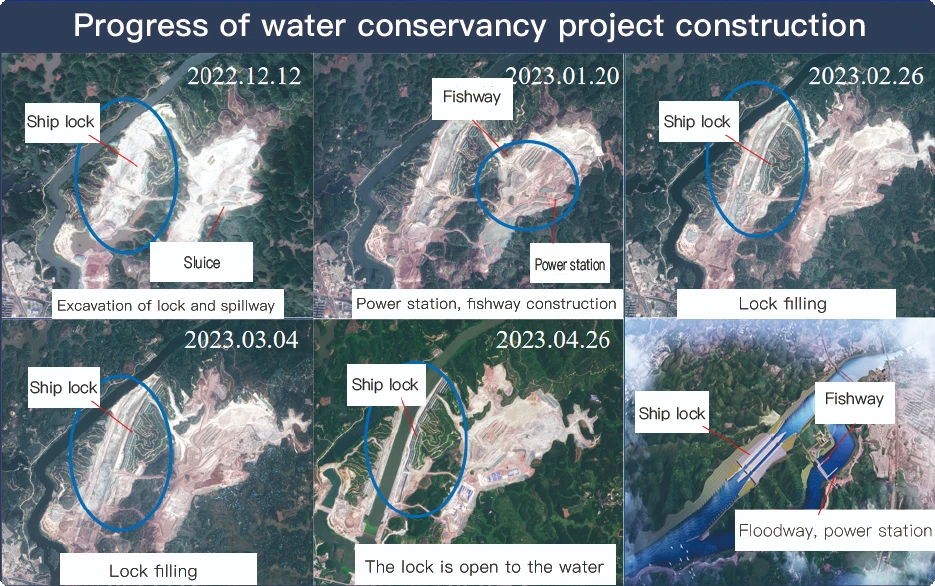
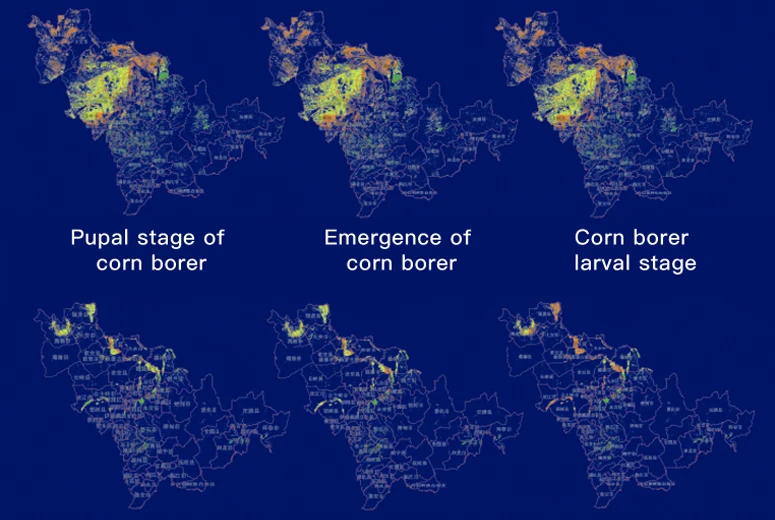
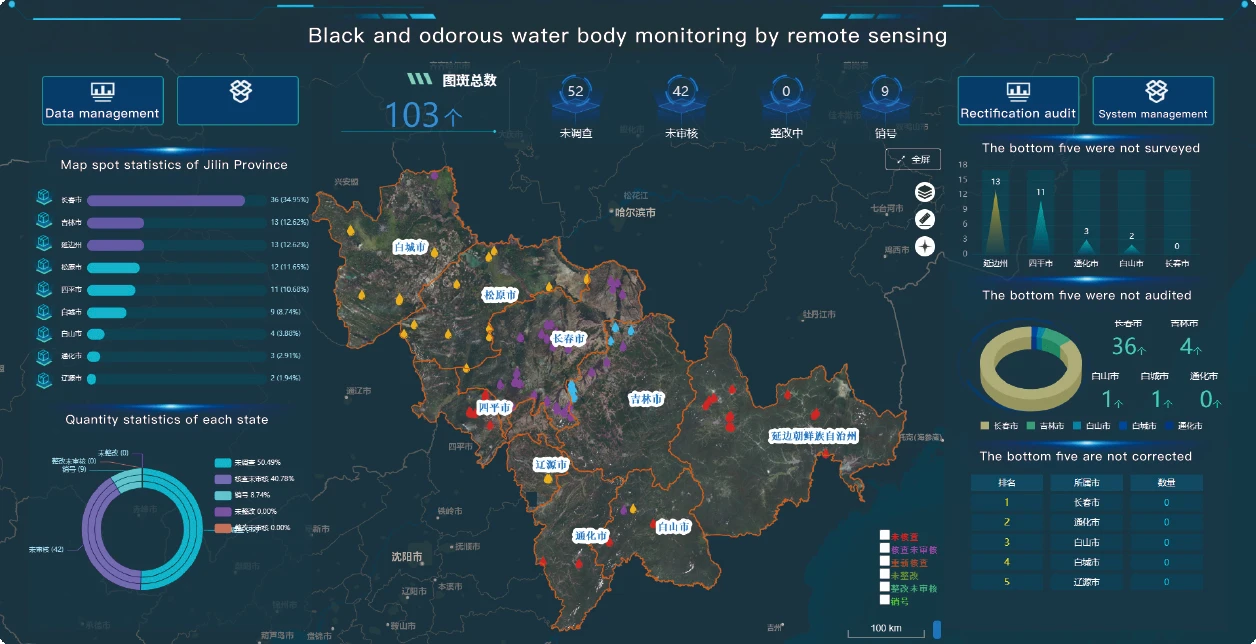
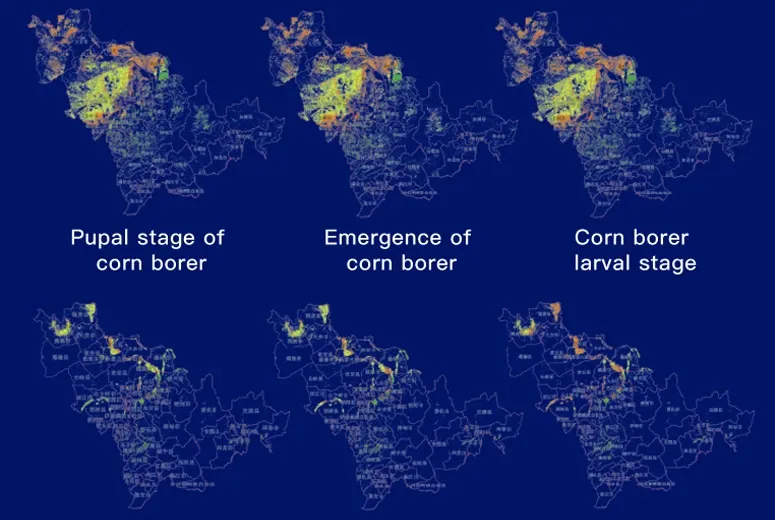
One of the key contributions of an agricultural satellite lies in enabling precision agriculture satellite imagery. This technology allows farmers to identify crop stress, soil moisture levels, pest infestations, and nutrient deficiencies with pinpoint accuracy. Unlike traditional ground inspections, which can be time-consuming and limited in scope, satellite imagery for agriculture provides an overhead perspective that covers vast areas of farmland. Through agriculture satellite data, farmers gain actionable insights such as which fields need irrigation, which areas require fertilization, and where crop yield may be under threat.
The advantage of farming by satellite is that it minimizes guesswork and maximizes efficiency. For instance, farm satellite imagery can highlight variations within a single field, enabling farmers to apply resources only where they are needed most. This not only reduces costs but also contributes to environmental sustainability by cutting back on unnecessary use of water, fertilizer, and pesticides.
The Value Of Free Agriculture Satellite Imagery For Farmers
Another remarkable development in the use of agricultural satellite technology is the availability of free agriculture satellite imagery from government and international programs. Platforms like Landsat agriculture have been providing public access to high-resolution images for decades. These free resources open the door for small and medium-sized farms to adopt advanced farming techniques without incurring significant costs for data acquisition.
For example, satellite data for agriculture can be downloaded and analyzed to study crop health trends, detect seasonal variations, and even predict harvest times. While commercial providers may offer enhanced resolutions and specialized analysis, free agriculture satellite imagery ensures that farmers worldwide, regardless of their budget, have access to vital data. This democratization of space-based technology helps level the playing field between large-scale agribusinesses and smaller family-run farms.
The integration of using satellite imagery for agriculture into everyday farming practices also supports government agencies, cooperatives, and research institutions. By sharing insights from farm satellite imagery, communities can improve collective decision-making about resource management, irrigation planning, and food security strategies.
Farming By Satellite And The Future Of Global Agriculture
Looking ahead, farming by satellite is expected to become even more sophisticated. The rise of machine learning and artificial intelligence enables deeper analysis of agriculture satellite data, uncovering patterns invisible to the human eye. Combined with the increasing resolution of precision agriculture satellite imagery, future agricultural satellite systems will deliver near real-time updates to farmers’ mobile devices, offering unprecedented control over agricultural operations.
In addition, satellite imagery for agriculture will play a central role in addressing climate change challenges. By monitoring droughts, floods, and shifts in vegetation growth, satellites provide essential data for adapting farming practices to changing environmental conditions. Programs like Landsat agriculture continue to expand global knowledge, while commercial and public satellites together ensure a steady stream of valuable satellite data for agriculture.
The integration of farm satellite imagery into sustainable farming not only enhances yields but also helps ensure food security for growing populations. Ultimately, the synergy between technology, data, and farming practices creates an ecosystem where agricultural satellite tools guide every stage of crop production—from planting to harvest.