- Afrikaans
- Albanian
- Amharic
- Arabic
- Armenian
- Azerbaijani
- Basque
- Belarusian
- Bengali
- Bosnian
- Bulgarian
- Catalan
- Cebuano
- China
- Corsican
- Croatian
- Czech
- Danish
- Dutch
- English
- Esperanto
- Estonian
- Finnish
- French
- Frisian
- Galician
- Georgian
- German
- Greek
- Gujarati
- Haitian Creole
- hausa
- hawaiian
- Hebrew
- Hindi
- Miao
- Hungarian
- Icelandic
- igbo
- Indonesian
- irish
- Italian
- Japanese
- Javanese
- Kannada
- kazakh
- Khmer
- Rwandese
- Korean
- Kurdish
- Kyrgyz
- Lao
- Latin
- Latvian
- Lithuanian
- Luxembourgish
- Macedonian
- Malgashi
- Malay
- Malayalam
- Maltese
- Maori
- Marathi
- Mongolian
- Myanmar
- Nepali
- Norwegian
- Norwegian
- Occitan
- Pashto
- Persian
- Polish
- Portuguese
- Punjabi
- Romanian
- Russian
- Samoan
- Scottish Gaelic
- Serbian
- Sesotho
- Shona
- Sindhi
- Sinhala
- Slovak
- Slovenian
- Somali
- Spanish
- Sundanese
- Swahili
- Swedish
- Tagalog
- Tajik
- Tamil
- Tatar
- Telugu
- Thai
- Turkish
- Turkmen
- Ukrainian
- Urdu
- Uighur
- Uzbek
- Vietnamese
- Welsh
- Bantu
- Yiddish
- Yoruba
- Zulu
Basic Components of Satellite Communication And Their Significance
Understanding the basic components of satellite communication is essential for anyone involved in aerospace engineering, telecommunications, or satellite operations. Every satellite system relies on a combination of components of a satellite communication system and satellite ground station components to ensure reliable data transfer between space and Earth. From large communication satellites to compact CubeSats, the parts of satellite communication and components of satellite system work together to maintain connectivity for broadcasting, navigation, scientific missions, and global communication networks.
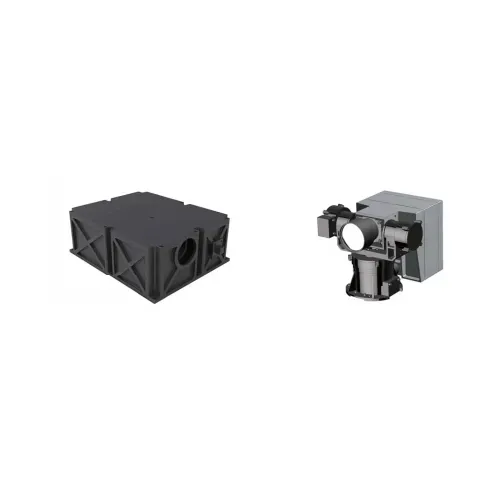
Core Components of Satellite Communication
The orbital segment of any satellite communication system includes key components of satellite communication such as transponders, antennas, power systems, and control modules. Transponders receive signals from Earth, amplify them, and retransmit them back to ground stations. Antennas, an essential part of satellite communication, ensure accurate signal direction and coverage.
Power systems, including solar panels and rechargeable batteries, supply energy to all components of a satellite communication system, enabling the satellite to operate continuously. Control systems, which are critical components of a satellite system, manage satellite orientation, subsystem coordination, and signal routing. Without these basic components of satellite communication, satellites would be unable to perform their communication functions effectively.
Satellite Ground Station Components
Ground stations are the terrestrial counterpart to orbital satellites and rely on robust satellite ground station components. These include tracking antennas, transmitters, receivers, modems, and data processing units. Tracking antennas maintain alignment with orbiting satellites, ensuring uninterrupted reception of telemetry and mission data.
Transmitters and receivers handle the sending and receiving of data, while processing units decode, analyze, and route the information. Integration of satellite ground station components with orbital components of satellite communication forms a complete communication link. These basic components of satellite communication ensure that data can flow seamlessly between space and Earth for a wide range of applications.
Integration of Components of a Satellite Communication System
A fully functional communication system relies on the integration of parts of satellite communication onboard satellites with satellite ground station components on Earth. The components of a satellite communication system must work harmoniously to maintain data integrity, signal quality, and operational reliability.
Redundancy is often built into components of a satellite system to prevent failures from disrupting service. For example, multiple transponders or backup antennas can ensure that communication continues even if one component fails. The basic components of satellite communication must also interface seamlessly with software systems that schedule communication windows, manage traffic, and perform error correction.
Advances in Satellite Communication Components
Technological advancements have improved both orbital and terrestrial components of satellite communication. High-gain antennas, efficient transponders, and miniaturized electronics enhance signal strength and data transmission rates. Modern satellite ground station components feature automated tracking, cloud-based processing, and real-time monitoring.
Miniaturization has also enhanced CubeSats, with cubesat components now able to integrate fully into larger communication networks. Even small satellites can perform complex missions, relying on parts of satellite communication and ground station support. The synergy between components of a satellite system and satellite ground station components ensures that satellite communication is efficient, scalable, and reliable.
Applications of Basic Components of Satellite Communication
The basic components of satellite communication enable a variety of applications, from global telecommunications and broadcasting to navigation, remote sensing, and scientific research. Ground stations and satellite transponders work together to provide real-time monitoring, data collection, and communication across continents.
In CubeSat missions, cubesat components integrate with satellite ground station components to ensure successful telemetry, payload operations, and command reception. The careful design and coordination of parts of satellite communication guarantee mission success, whether for educational projects, commercial networks, or environmental monitoring.
Conclusion
Understanding the basic components of satellite communication is essential for designing, operating, and maintaining effective satellite networks. From parts of satellite communication and components of a satellite communication system to satellite ground station components, every element plays a crucial role in ensuring reliable connectivity between space and Earth. The integration of orbital components of a satellite system with ground infrastructure supports broadcasting, navigation, and research. As technology advances, these basic components of satellite communication will continue to improve, enabling faster, more reliable, and versatile satellite networks for years to come.