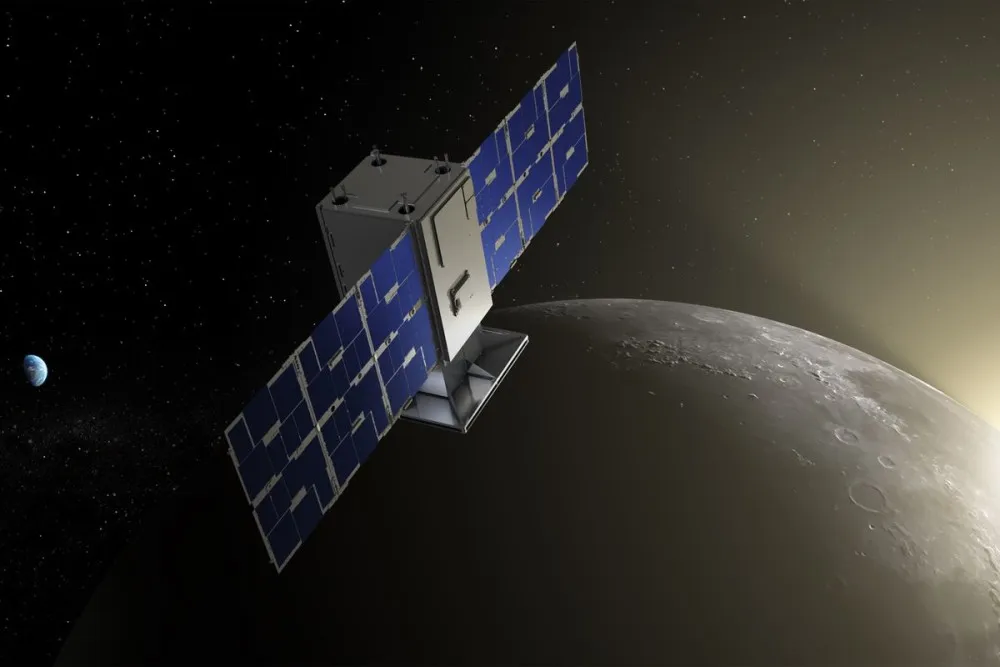
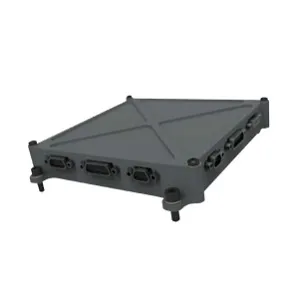
As the "data hub" of a satellite, the OBC needs to interact with multiple subsystems such as attitude control systems, sensors, communication modules, and power supply systems. The "diversity," "lightweight," and "reliability" of its interfaces directly determine the synergy efficiency of each satellite subsystem. Therefore, interface requirements are one of the core criteria for OBC selection.
Depending on the satellite platform scale (nanosatellite, microsatellite, medium-to-large satellite), the interface types required for the OBC vary. The specific classifications are as follows:
Basic interfaces meet the needs of low data volume and simple interaction, serving as standard configurations for nanosatellites (e.g., CubeSat) and microsatellites. They mainly include:
- UART (Universal Asynchronous Receiver/Transmitter): Used for short-distance serial communication with a low rate (usually ≤ 115200bps), suitable for connecting low-speed sensors (e.g., temperature sensors, humidity sensors).
- RS485: Supports long-distance transmission (maximum transmission distance of 1200 meters) and multi-device interconnection (up to 32 nodes), ideal for connecting distributed devices (e.g., voltage monitoring modules in each satellite cabin).
- SPI (Serial Peripheral Interface): A high-speed synchronous communication interface (rate up to tens of Mbps), suitable for connecting high-speed peripherals (e.g., FPGAs, ADC converters).
- I2C (Inter-Integrated Circuit): Enables multi-device interconnection with only two wires (up to 127 nodes), featuring simple wiring and suitable for connecting small sensors (e.g., accelerometers).
- GPIO (General Purpose Input/Output): Used for simple switch control (e.g., starting/shutting down a module) and level detection (e.g., verifying interface connection status).
For example, common OBC models for nanosatellites (e.g., NANOSATPRO) support all the above basic interfaces, meeting the basic interaction needs of small satellites.
Medium-to-large satellites (e.g., GEO communication satellites, large EO satellites) handle larger data volumes and have more subsystems, requiring high-end interfaces to improve interaction efficiency. They mainly include:
- SpaceWire: A high-speed interface dedicated to aerospace, with a rate of up to 400Mbps, supporting multi-node networking and suitable for connecting high-data-volume devices (e.g., high-resolution cameras, high-speed memory).
- CAN Bus: Adopts a "single-bus multi-node" architecture, which reduces the number of wiring and connectors (lowering wiring costs by more than 50% compared to the traditional MIL-STD-1553 point-to-point interface) while reducing power consumption. It is suitable for connecting multi-node devices such as power supply systems and attitude control actuators.
For example, the OBC model for microsatellites (e.g., MICROSATPRO) supports the SpaceWire interface in addition to basic interfaces, adapting to the high data volume requirements of medium-to-large satellites.
In addition to interface types, the physical design of interfaces must meet the strict requirements of satellites:
- Lightweight: Connectors should use miniaturized and lightweight materials (e.g., plastic housings + gold-plated pins) to reduce the overall weight of the OBC. For example, the connectors of MICROSATPRO use miniature plastic housings, reducing weight by 40% compared to traditional metal connectors.
- Anti-Interference: Interfaces must have EMI (Electromagnetic Interference) shielding capabilities — for example, adding a metal shielding layer to the connector housing to prevent signals transmitted by the interface from external electromagnetic interference and avoid the OBC’s signals interfering with other subsystems.
- Reliability: The plug-in life of interfaces must comply with aerospace standards (e.g., ≥ 100 insertions/extractions), and pins adopt anti-oxidation processes (e.g., gold plating, silver plating) to prevent poor contact caused by long-term on-orbit use.
In short, OBC interface requirements must be "adapted on demand": small satellites prioritize the integrity of basic interfaces, while medium-to-large satellites need to add high-end interfaces to improve efficiency, while balancing the lightweight and reliability of interfaces.