- Afrikaans
- Albanian
- Amharic
- Arabic
- Armenian
- Azerbaijani
- Basque
- Belarusian
- Bengali
- Bosnian
- Bulgarian
- Catalan
- Cebuano
- China
- Corsican
- Croatian
- Czech
- Danish
- Dutch
- English
- Esperanto
- Estonian
- Finnish
- French
- Frisian
- Galician
- Georgian
- German
- Greek
- Gujarati
- Haitian Creole
- hausa
- hawaiian
- Hebrew
- Hindi
- Miao
- Hungarian
- Icelandic
- igbo
- Indonesian
- irish
- Italian
- Japanese
- Javanese
- Kannada
- kazakh
- Khmer
- Rwandese
- Korean
- Kurdish
- Kyrgyz
- Lao
- Latin
- Latvian
- Lithuanian
- Luxembourgish
- Macedonian
- Malgashi
- Malay
- Malayalam
- Maltese
- Maori
- Marathi
- Mongolian
- Myanmar
- Nepali
- Norwegian
- Norwegian
- Occitan
- Pashto
- Persian
- Polish
- Portuguese
- Punjabi
- Romanian
- Russian
- Samoan
- Scottish Gaelic
- Serbian
- Sesotho
- Shona
- Sindhi
- Sinhala
- Slovak
- Slovenian
- Somali
- Spanish
- Sundanese
- Swahili
- Swedish
- Tagalog
- Tajik
- Tamil
- Tatar
- Telugu
- Thai
- Turkish
- Turkmen
- Ukrainian
- Urdu
- Uighur
- Uzbek
- Vietnamese
- Welsh
- Bantu
- Yiddish
- Yoruba
- Zulu
Satellite Imagery for Agriculture and Its Impact on Modern Farming
In today’s world, farming is no longer dependent solely on human observation or traditional ground-based monitoring. With the advancement of space technology, satellite imagery for agriculture has become one of the most valuable tools available to farmers and researchers. By providing large-scale overviews and high-resolution data, these systems allow farmers to make smarter decisions that improve efficiency, reduce waste, and protect the environment. The use of agriculture satellite data, precision agriculture satellite imagery, and farm satellite imagery has transformed the way crops are cultivated, managed, and harvested. From supporting sustainable practices to enabling real-time monitoring, the role of satellites in farming is growing rapidly.
Using Satellite Imagery For Agriculture To Monitor Crop Health
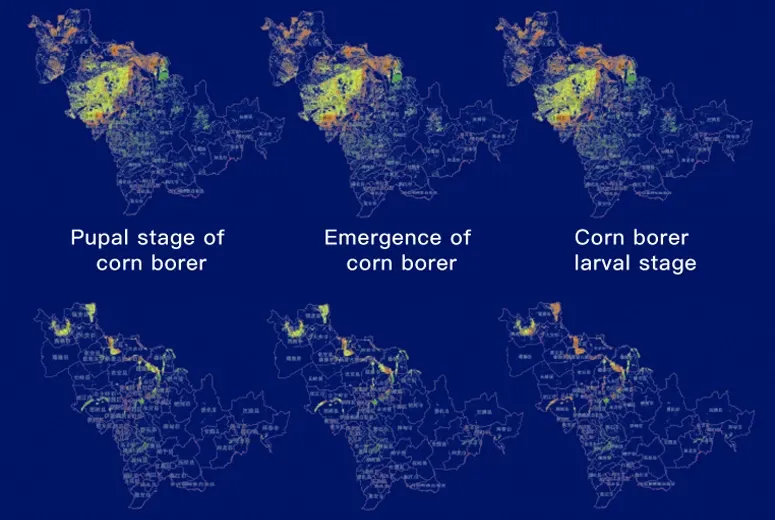
One of the most significant applications of satellite imagery for agriculture is the monitoring of crop health. Farmers can use agriculture satellite data to detect areas of stress, disease, or nutrient deficiency before they become visible to the naked eye. With precision agriculture satellite imagery, crop conditions can be assessed at a detailed level, helping farmers identify where to take action.
This approach reduces the reliance on guesswork and ensures resources are used efficiently. For example, farm satellite imagery can highlight sections of a field that require irrigation while leaving other areas untouched. Similarly, farmers can apply fertilizer more precisely, avoiding over-application that harms the soil and environment. As a result, using satellite imagery for agriculture directly supports higher yields, better quality crops, and cost-effective farming practices.
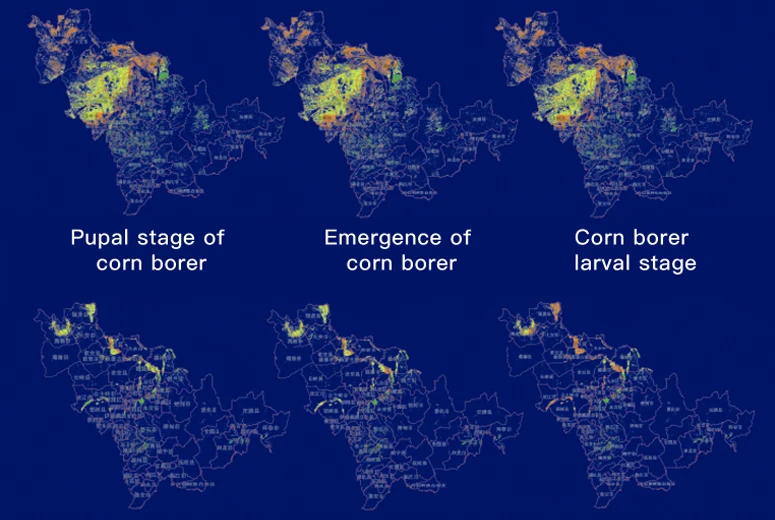
Another key benefit lies in detecting pest infestations early. By analyzing satellite data for agriculture, farmers can identify unusual changes in vegetation patterns that may indicate insect activity. With early intervention, losses are minimized, and the overall resilience of the farming system is improved.
Free Agriculture Satellite Imagery And Its Accessibility
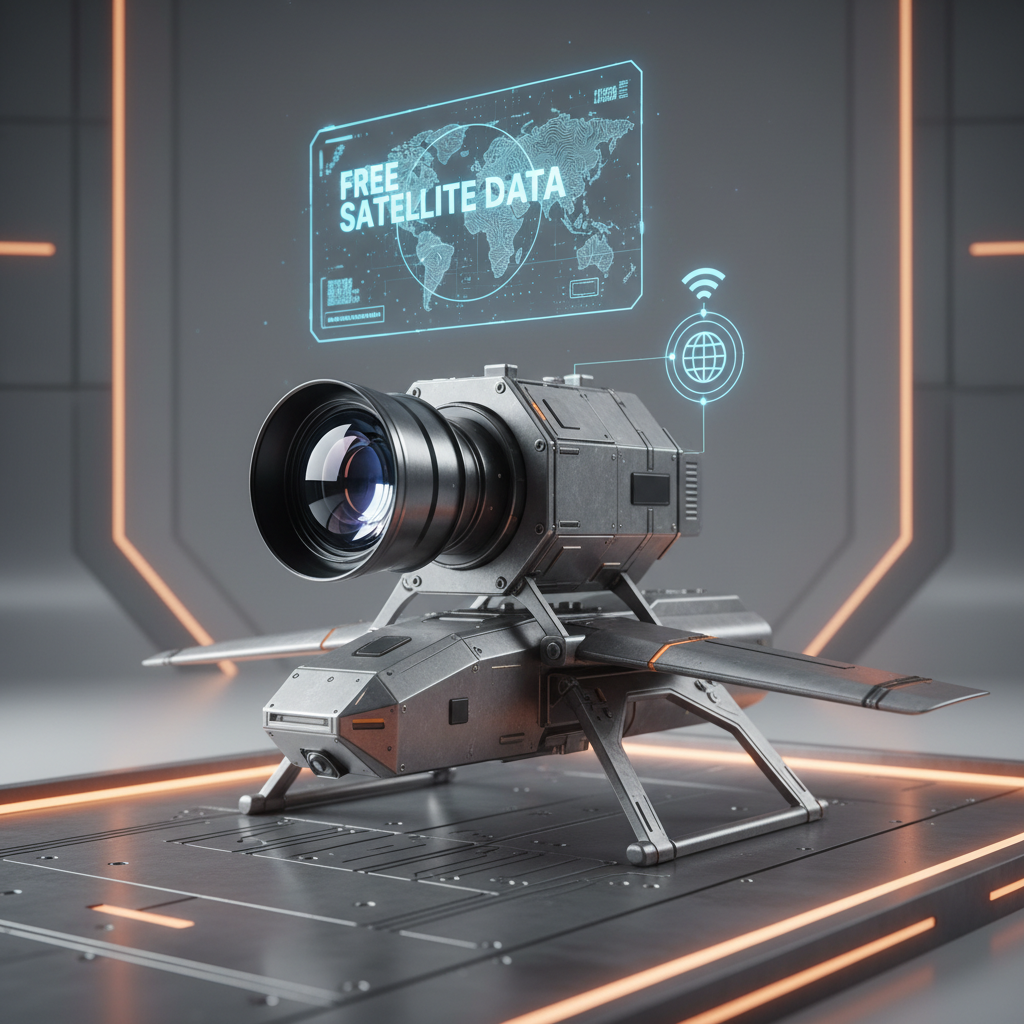
An important advantage of satellite imagery for agriculture is the growing availability of free agriculture satellite imagery from global platforms. Initiatives such as Landsat agriculture provide publicly accessible images that can be downloaded and analyzed by farmers, governments, and research institutions. These free resources are particularly valuable for small-scale farmers who may not have the budget for commercial imagery services.
Through farming by satellite, even modest farms gain access to advanced tools that were once only available to large agribusinesses. The ability to use free agriculture satellite imagery levels the playing field, ensuring that farmers in developing regions can adopt smart farming techniques. Farmers can monitor seasonal variations, rainfall distribution, and crop development using this data. Over time, this helps communities plan food production more effectively and secure long-term sustainability.
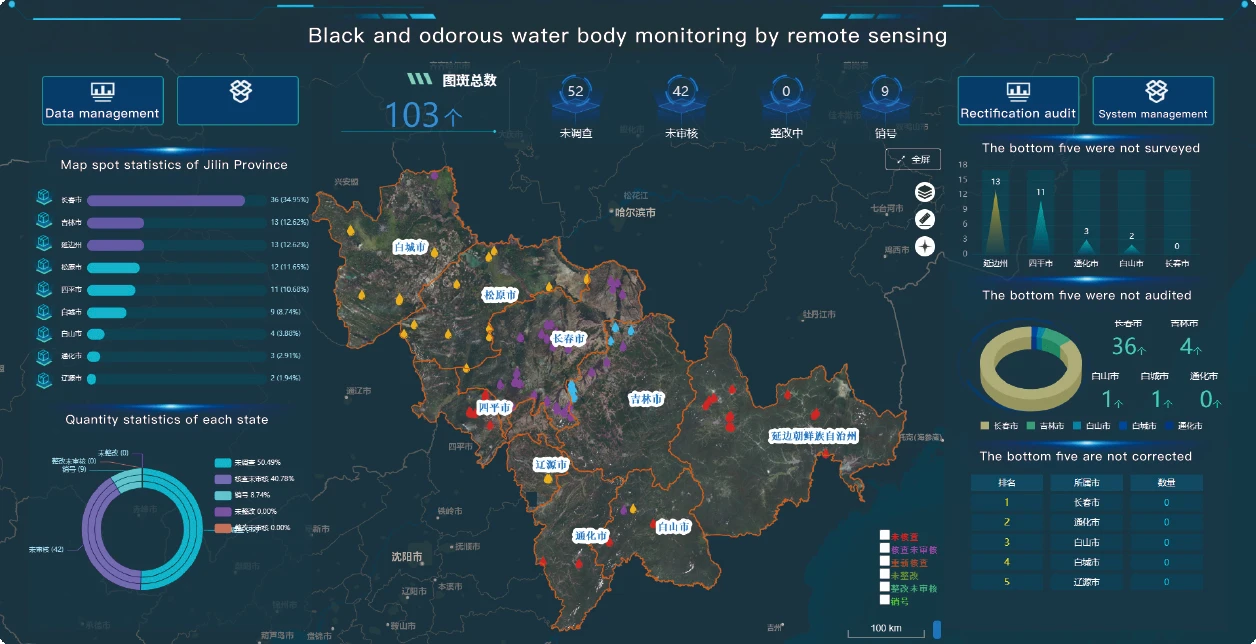
Moreover, satellite data for agriculture also assists policymakers and agricultural agencies. By studying large regions through farm satellite imagery, governments can better predict food supply, identify areas affected by drought or flooding, and allocate resources where they are most needed. This integration of data ensures that both individual farmers and society at large benefit from advancements in agricultural satellite technology.
The Future Of Farming By Satellite
The use of satellite imagery for agriculture continues to expand as technology advances. With artificial intelligence and machine learning, analysis of agriculture satellite data is becoming more precise and automated. Farmers can receive near real-time updates on their smartphones, giving them instant access to information about soil moisture, vegetation growth, and weather changes. This advancement makes using satellite imagery for agriculture more practical than ever before.
In the future, precision agriculture satellite imagery will likely play an even greater role in combating global challenges such as climate change and food security. By monitoring environmental conditions, satellites can help predict the effects of droughts, floods, and shifting weather patterns on crops. Programs like Landsat agriculture will continue to support scientific research, while new commercial satellites will offer ultra-high-resolution data for individual farms.
At the same time, farming by satellite will also drive sustainability. By analyzing farm satellite imagery, farmers can minimize the use of water and fertilizers, reduce chemical runoff, and adopt practices that protect soil health. As populations grow, the ability to maximize food production without harming the environment will be crucial. The integration of satellite data for agriculture into everyday farming ensures that agriculture remains resilient, productive, and sustainable for generations to come.