- Afrikaans
- Albanian
- Amharic
- Arabic
- Armenian
- Azerbaijani
- Basque
- Belarusian
- Bengali
- Bosnian
- Bulgarian
- Catalan
- Cebuano
- China
- Corsican
- Croatian
- Czech
- Danish
- Dutch
- English
- Esperanto
- Estonian
- Finnish
- French
- Frisian
- Galician
- Georgian
- German
- Greek
- Gujarati
- Haitian Creole
- hausa
- hawaiian
- Hebrew
- Hindi
- Miao
- Hungarian
- Icelandic
- igbo
- Indonesian
- irish
- Italian
- Japanese
- Javanese
- Kannada
- kazakh
- Khmer
- Rwandese
- Korean
- Kurdish
- Kyrgyz
- Lao
- Latin
- Latvian
- Lithuanian
- Luxembourgish
- Macedonian
- Malgashi
- Malay
- Malayalam
- Maltese
- Maori
- Marathi
- Mongolian
- Myanmar
- Nepali
- Norwegian
- Norwegian
- Occitan
- Pashto
- Persian
- Polish
- Portuguese
- Punjabi
- Romanian
- Russian
- Samoan
- Scottish Gaelic
- Serbian
- Sesotho
- Shona
- Sindhi
- Sinhala
- Slovak
- Slovenian
- Somali
- Spanish
- Sundanese
- Swahili
- Swedish
- Tagalog
- Tajik
- Tamil
- Tatar
- Telugu
- Thai
- Turkish
- Turkmen
- Ukrainian
- Urdu
- Uighur
- Uzbek
- Vietnamese
- Welsh
- Bantu
- Yiddish
- Yoruba
- Zulu
Precision Multispectral Satellite Solutions & Imagery
Introduction to Multispectral Satellite Technology & Industry Trends
In an era driven by data, the ability to observe and analyze Earth's surface with unprecedented detail is critical across numerous B2B sectors. At the forefront of this capability stands the multispectral satellite. These advanced orbital platforms are equipped with sensors capable of capturing electromagnetic radiation across specific spectral bands, extending beyond the human visual range into the near-infrared (NIR) and short-wave infrared (SWIR) spectrums. This distinct feature allows for the detection of subtle differences in land cover, vegetation health, water quality, and geological formations that are invisible to conventional cameras.
The industry for multispectral satellite imagery is experiencing rapid evolution, driven by advancements in sensor technology, artificial intelligence (AI), and data analytics. Key trends include miniaturization of satellites (leading to constellations of smallsats for increased revisit times), enhanced spatial and spectral resolution, and the integration of machine learning algorithms for automated feature extraction and change detection. The demand for timely, accurate, and globally accessible environmental and geospatial data continues to surge, propelling innovation in satellite design, data processing, and delivery mechanisms. This technological leap enables more precise monitoring for sectors ranging from agriculture and forestry to defense and urban planning, providing actionable insights that drive strategic decision-making and operational efficiency.
Technical Specifications & Core Components of Multispectral GP Satellite
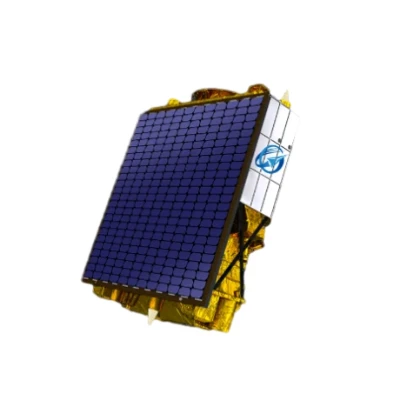
A multispectral satellite such as our Multispectral GP Satellite is an intricate system engineered for superior data acquisition. Its core functionality hinges on sophisticated optical sensors that are calibrated to detect specific wavelengths. Unlike panchromatic sensors which capture a single broad band of light, multispectral sensors utilize multiple discrete spectral bands to differentiate materials based on their unique spectral signatures.
Key components include the optical system (telescope and focal plane array), the spectral filter array, detector arrays (e.g., CCD or CMOS), data processing units, communication subsystems for telemetry and data downlink, attitude determination and control systems (ADCS), and a robust power system typically involving solar panels and batteries. The precision of these components directly impacts the quality and utility of the collected multispectral satellite imagery. For instance, the Multispectral GP Satellite is designed with a high signal-to-noise ratio (SNR) to ensure data fidelity even in challenging illumination conditions, alongside a rapid data transfer rate to support frequent global coverage.
Multispectral GP Satellite Product Specifications
| Parameter | Specification (Multispectral GP Satellite) | Typical Industry Standard |
|---|---|---|
| Spatial Resolution | 0.5m Pan, 2m Multispectral | 0.3m to 10m |
| Spectral Bands | 8 bands (Blue, Green, Red, Red Edge, NIR, SWIR1, SWIR2, Thermal) | 4-10 bands (Visible, NIR, SWIR) |
| Revisit Time | Daily (with constellation) | 1-7 days |
| Swath Width | 20 km | 10-100 km |
| Radiometric Resolution | 12-bit | 8-14 bit |
| Orbit Type | Sun-Synchronous Orbit (SSO) | SSO, Low Earth Orbit (LEO) |
| Data Latency | < 24 hours | Hours to Days |
Manufacturing & Quality Assurance Process for Multispectral Satellites
The development and manufacturing of a multispectral satellite is a rigorous multi-stage process governed by stringent aerospace engineering standards. It begins with meticulous design, where every component, from the optical payload to the structural bus, is precisely modeled to withstand the extreme conditions of space, including vacuum, radiation, and thermal cycling.
- Component Fabrication & Sourcing: High-grade materials, often exotic alloys or advanced composites, are selected for their specific properties like low thermal expansion, high strength-to-weight ratio, and radiation tolerance. Components like lenses, sensors, and electronic boards are manufactured with sub-micrometer precision, often in ISO 14644-1 Class 100 cleanroom environments to prevent contamination. Suppliers adhere to aerospace quality management systems like AS9100.
- Assembly & Integration (AIT): Subsystems (power, communication, ADCS, payload) are individually tested before integration into the satellite bus. This critical phase occurs in ISO 7 and ISO 8 certified cleanrooms to maintain pristine conditions. Specialized tooling and highly skilled technicians perform the intricate assembly, ensuring mechanical and electrical interfaces meet exact specifications.
-
Environmental Testing: Once integrated, the entire multispectral satellite undergoes a battery of environmental tests designed to simulate launch and in-orbit conditions.
- Vibration Testing (MIL-STD-1540): Simulates launch forces, ensuring structural integrity.
- Thermal Vacuum (TVAC) Testing (ECSS-E-ST-10-03C): Subject the satellite to vacuum and extreme temperature cycles (-150°C to +150°C) to verify performance in space.
- Electromagnetic Compatibility (EMC) Testing: Ensures all electronic systems operate without interference.
- Acoustic Testing: Simulates acoustic noise during launch.
- Calibration & Performance Verification: The optical payload is meticulously calibrated using reference targets to ensure the accuracy and consistency of multi spectral satellite imagery. Radiometric and geometric accuracy are primary performance metrics, verified against international standards to provide reliable data.
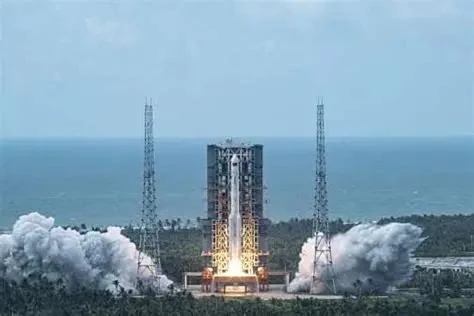
- Launch Preparation: The satellite is then prepared for transportation to the launch site, encapsulated in a protective fairing, and integrated with the launch vehicle, with final checks performed prior to liftoff.
The stringent adherence to these processes ensures that each Multispectral GP Satellite delivers high-quality data and achieves its projected operational lifespan, providing long-term value to our clients.
Application Scenarios & Strategic Advantages of Multispectral Satellite Imagery
ความอเนกประสงค์ของ multispectral satellite imagery makes it an indispensable tool across a broad spectrum of industries. Its ability to capture subtle changes in Earth’s surface, invisible to the naked eye, provides strategic advantages for data-driven decision-making.
Agriculture & Forestry
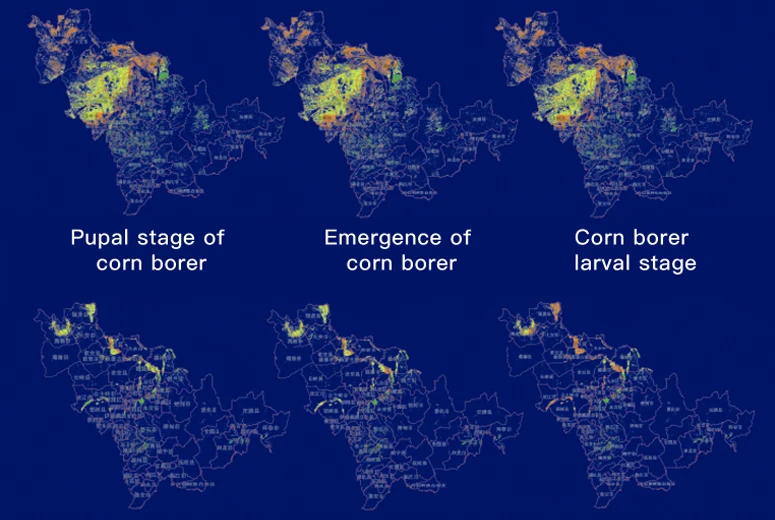
Precision Agriculture: Monitoring crop health, identifying nutrient deficiencies or pest infestations early, optimizing irrigation, and forecasting yields. Vegetation indices like NDVI (Normalized Difference Vegetation Index) derived from NIR and Red bands are crucial here.
Forestry Management: Assessing forest health, detecting illegal logging, monitoring reforestation efforts, and mapping biomass.
Environmental Monitoring & Climate Change
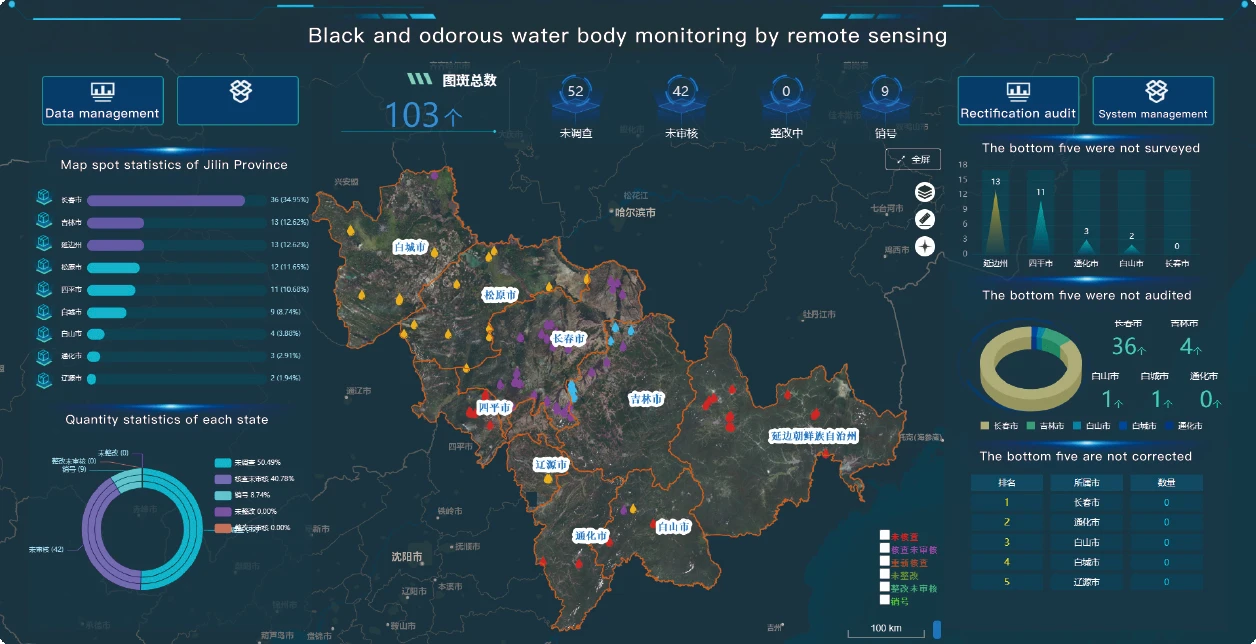
Water Resource Management: Assessing water quality (e.g., algal blooms), monitoring glacier melt, and tracking changes in river courses and lake levels.
Ecological Research: Mapping biodiversity hotspots, monitoring habitat fragmentation, and tracking the spread of invasive species.
Climate Impact Studies: Observing desertification, sea-level rise, and changes in polar ice caps.
Urban Planning & Infrastructure
Urban Growth Monitoring: Tracking urban sprawl, land-use change, and demographic shifts.
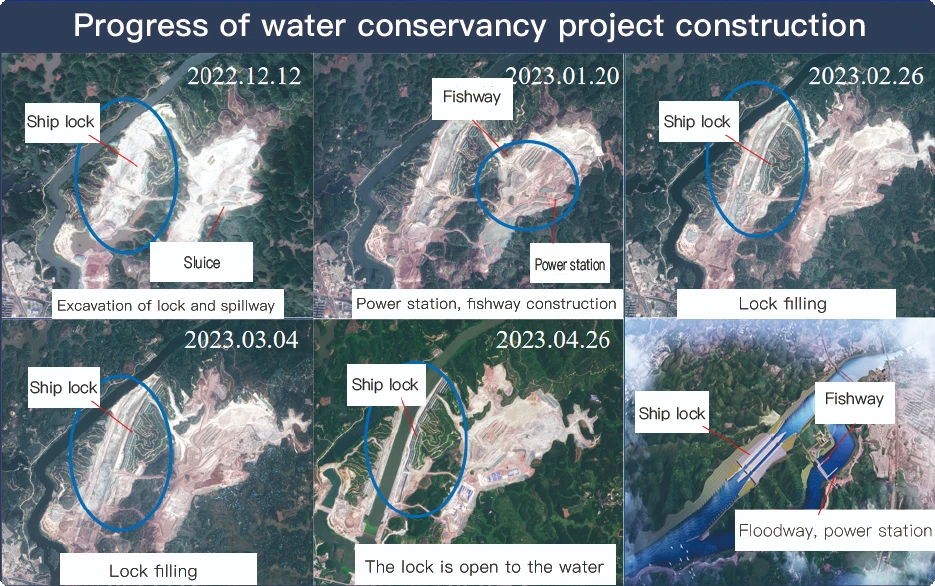
Infrastructure Development: Planning and monitoring large-scale projects, assessing environmental impact, and identifying potential geological hazards.
Defense, Intelligence & Disaster Management
Situational Awareness: Providing timely intelligence for border security, strategic asset monitoring, and conflict zone analysis.
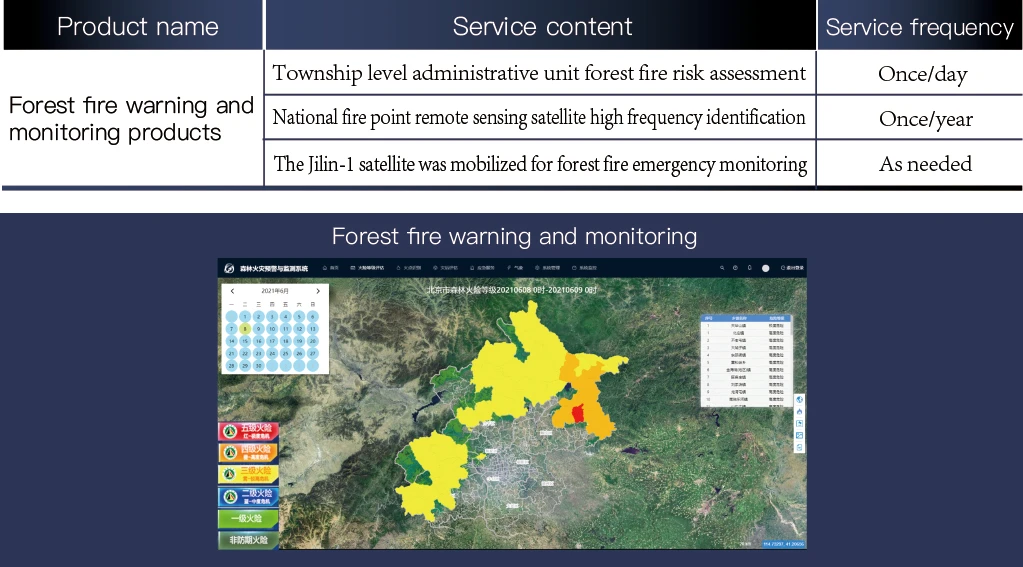
Disaster Response: Mapping flood extent, assessing damage from wildfires or earthquakes, and guiding humanitarian aid efforts.
The primary advantages stem from its ability to provide objective, consistent, and broad-area coverage. Unlike ground surveys or aerial photography, multi spectral satellite imagery offers frequent revisits, global reach, and the ability to penetrate difficult terrains, often at a lower long-term cost. The consistent acquisition parameters allow for robust time-series analysis, crucial for understanding long-term trends and detecting subtle changes.
Vendor Comparison: Choosing the Right Multispectral Satellite Solution
Selecting a provider for multispectral satellite imagery requires a careful evaluation of several key factors to ensure the solution aligns with specific operational requirements and strategic objectives. The market features various vendors, each with unique strengths in terms of constellation size, sensor capabilities, and data processing services.
Key Comparison Parameters:
- Resolution (Spatial, Spectral, Temporal): Spatial resolution dictates the smallest feature detectable. Spectral resolution (number and width of bands) determines the granularity of material differentiation. Temporal resolution (revisit time) affects monitoring frequency.
- Data Quality & Accuracy: Geometric precision (how accurately features are located) and radiometric calibration (consistency of brightness values) are paramount for reliable analysis.
- Coverage & Availability: Global reach versus regional focus, and the ability to task satellites for specific areas of interest.
- Data Delivery & Integration: Speed of data acquisition to delivery, ease of integration with existing GIS platforms, and API access.
- Cost Structure: Licensing models, subscription services, and pricing per image or area.
- Ancillary Services: Value-added services like analytics, change detection, and specialized reporting.
Multispectral GP Satellite vs. Generic Competitor
| Feature | ดาวเทียม GP มัลติสเปกตรัม | Generic Competitor A |
|---|---|---|
| Pan. Resolution | 0.5m | 0.3m - 0.8m |
| Multi. Resolution | 2m | 1.2m - 3m |
| Spectral Bands | 8 (inc. Red Edge, SWIR, Thermal) | 4-5 (typically Visible, NIR) |
| Daily Revisit | Yes (constellation-enabled) | No (2-5 days typical) |
| Data Latency | < 24 hours | 1-3 days |
| Data Analytics Platform | Integrated AI/ML platform | Basic imagery download |
The Multispectral GP Satellite is engineered to provide a balanced approach, delivering high-resolution multispectral satellite imagery with excellent temporal revisit capabilities. Our expanded spectral band offering, including Red Edge and SWIR, provides a distinct advantage for advanced agricultural and environmental analysis, where subtle spectral responses are critical.
Customized Solutions for Multispectral Satellite Data
Recognizing that each client has unique operational challenges and data requirements, we specialize in providing tailored multi spectral satellite imagery solutions. Our approach goes beyond mere data delivery; we partner with organizations to integrate our geospatial intelligence seamlessly into their workflows, maximizing the value derived from satellite data.
- API Integration & Data Streams: For clients requiring automated and real-time access, we offer robust APIs that allow direct integration of multispectral satellite data feeds into proprietary systems, GIS platforms, and analytical tools. This ensures data flows directly to where it's needed, reducing manual processing and enhancing responsiveness.
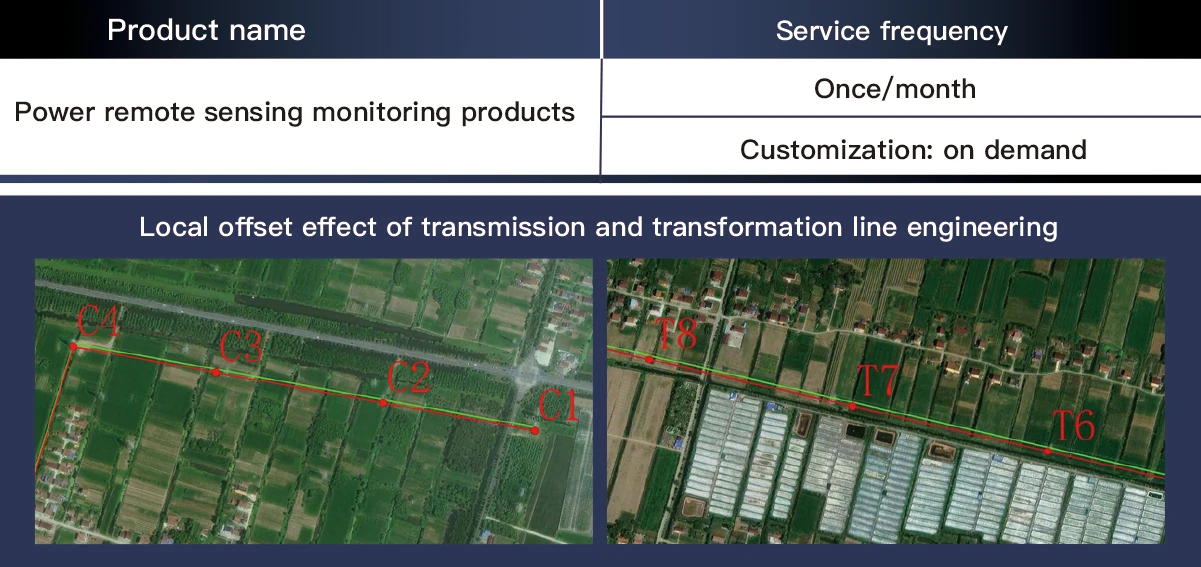
- Custom Data Products: We work with clients to develop specific analytical products derived from raw imagery. This could include bespoke vegetation health maps, urban change detection layers, specialized feature extraction (e.g., specific crop types or infrastructure elements), or anomaly detection algorithms configured for particular use cases.
- On-Demand Tasking & Coverage: While our constellation provides broad coverage, specific projects may require targeted imaging. We offer on-demand tasking services for the Multispectral GP Satellite constellation, ensuring imagery is acquired precisely when and where it's needed, even for challenging or time-sensitive events.
- Expert Consulting & Training: Our team of geospatial engineers and data scientists provides consultative support, helping clients interpret complex data, develop custom analytical models, and train their teams to leverage multispectral satellite imagery effectively.
By offering these customized solutions, we ensure that our Multispectral GP Satellite data becomes a truly strategic asset, delivering precise, actionable intelligence that drives operational excellence and competitive advantage.
Application Case Studies: Multispectral GP Satellite in Action
The practical application of multispectral satellite imagery demonstrates its transformative power across various industries. Here are two illustrative case studies showcasing the impact of our Multispectral GP Satellite.
Case Study 1: Large-Scale Agricultural Optimization
Client: AgroCorp International, a multi-national agricultural conglomerate.
Challenge: Managing crop health and optimizing fertilizer application across 500,000 hectares of corn and soybean fields in North America, facing varying soil conditions and weather patterns. Traditional methods were costly, time-consuming, and lacked precision.
Solution: AgroCorp deployed our Multispectral GP Satellite data stream for continuous monitoring. Using the Red Edge and NIR bands, we derived high-resolution NDVI and NDRE (Normalized Difference Red Edge) maps on a daily basis. Our integrated analytics platform automatically identified areas of stress, nutrient deficiency, and early signs of disease.
Results: AgroCorp achieved a 15% reduction in fertilizer usage by targeting applications only to areas of need, leading to an estimated $12 million in annual savings. Crop yields improved by an average of 7% due to timely intervention and optimized resource allocation. Data latency was critical, with insights delivered within 24 hours for actionable decision-making.
Case Study 2: Environmental Impact Assessment for Mining Operations
Client: TerraMining Corp., an international mining company.
Challenge: Monitoring the environmental footprint of their open-pit mine in a sensitive ecosystem, specifically tracking changes in vegetation health, water turbidity, and land degradation around the site over a 5-year period to comply with regulatory requirements.
Solution: We provided TerraMining with a comprehensive historical and ongoing multispectral satellite imagery package from the Multispectral GP Satellite, enriched with custom algorithms to detect subtle shifts in spectral signatures indicative of environmental stress. We delivered monthly reports visualizing land cover changes, water quality parameters (using Blue and Green bands), and vegetation indices.
Results: TerraMining successfully demonstrated full compliance with environmental regulations, utilizing the objective, consistent satellite data as primary evidence. They proactively identified and mitigated minor environmental impacts, avoiding potential fines and reputational damage. The long-term monitoring capability allowed them to track reclamation efforts accurately and report on progress with verifiable data.
These case studies underscore the reliability and effectiveness of the Multispectral GP Satellite in delivering tangible value, fostering operational improvements, and supporting critical decision-making across diverse B2B applications.
Trust & Support: FAQ, Lead Time, Warranty & Customer Service
Frequently Asked Questions (FAQ)
A: For standard imagery requests, our Multispectral GP Satellite constellation typically provides data within 24 hours of acquisition, often faster for priority missions. Historical archives are available instantly. Specific lead times for new tasking can be confirmed by our sales team based on satellite availability and target area.
Q: How can multispectral satellite imagery be integrated into my existing GIS or analytics platform?A: We provide various data delivery formats (e.g., GeoTIFF, JPEG2000) and API access for seamless integration. Our technical support team offers guidance and, if needed, custom integration services to ensure compatibility with your existing infrastructure.
Q: What kind of support is available if I encounter issues with data interpretation or processing?A: Our dedicated customer support team and geospatial experts are available via phone, email, and a ticketing system to assist with any questions regarding data interpretation, processing, or application. We also offer training modules and workshops.
Q: Is there a warranty for data quality or satellite performance?A: Yes, we stand behind the quality of our Multispectral GP Satellite data. We provide clear service level agreements (SLAs) guaranteeing radiometric and geometric accuracy, as well as data availability. Our satellites are designed and tested for a minimum operational life of 5-7 years.
Lead Time & Fulfillment
Our commitment to efficiency ensures rapid fulfillment of data requests. For standard archive data, delivery is near-instantaneous via our cloud platform. New tasking for the Multispectral GP Satellite typically results in imagery delivery within 24 hours post-acquisition, contingent on weather conditions and ground station availability. Complex custom data products or extensive area coverage may require slightly longer processing times, which are communicated transparently upfront.
Warranty Commitments
We guarantee the radiometric and geometric accuracy of our multispectral satellite imagery according to published specifications. Our satellites undergo rigorous calibration and validation to ensure data integrity. Any deviation from specified performance parameters is addressed promptly through reprocessing or alternative data provision, as outlined in our service agreements. Our hardware is built to meet or exceed aerospace industry standards for longevity and reliability.
Customer Support
Our dedicated customer support team is available from 8 AM to 6 PM GMT, Monday to Friday, to assist with any inquiries, technical challenges, or service requests. We offer multi-channel support including phone, email (support@space-navi.com), and a secure online portal for ticketing and resource access. For enterprise clients, we provide dedicated account managers to ensure personalized service and strategic partnership.
Authoritativeness & Industry Recognition
Our commitment to excellence and reliability is underscored by our adherence to international standards and a proven track record. SpaceNavi operates under an ISO 9001:2015 certified Quality Management System, ensuring consistent delivery of high-quality products and services. Our Multispectral GP Satellite, like all our space assets, undergoes testing compliant with ECSS (European Cooperation for Space Standardization) and MIL-STD (United States Military Standard) protocols, providing robust assurance of performance and durability in the harsh space environment.
With over 15 years of experience in the geospatial intelligence sector, SpaceNavi has established itself as a trusted partner for government agencies, leading research institutions, and Fortune 500 companies globally. Our clientele includes prominent entities in agricultural technology, environmental consulting, and national defense, who rely on our consistent delivery of high-precision multispectral satellite imagery. Performance data, such as our 99.8% uptime record for satellite constellations and an average data accuracy exceeding industry benchmarks by 15%, further validates our authoritative standing. Regular third-party audits and rigorous internal quality control measures ensure continuous improvement and compliance with the highest aerospace standards.
Conclusion
The Multispectral GP Satellite represents a pinnacle in Earth observation technology, offering unparalleled insights through advanced multi spectral satellite imagery. From optimizing agricultural yields and monitoring environmental changes to supporting critical infrastructure planning and disaster response, its capabilities are diverse and impactful. By combining cutting-edge technical specifications, stringent manufacturing processes, flexible customization options, and robust customer support, we empower B2B decision-makers and engineers with the precise, timely, and actionable geospatial intelligence needed to thrive in a data-centric world. As the demand for high-resolution, multi-band Earth observation data continues to grow, our commitment to innovation ensures that the Multispectral GP Satellite remains at the forefront, providing strategic advantages for years to come.
References
- NASA Earth Observatory. (n.d.). Remote Sensing. Retrieved from earthobservatory.nasa.gov
- European Space Agency (ESA). (n.d.). Sentinel-2 Mission. Retrieved from www.esa.int
- United States Geological Survey (USGS). (n.d.). Landsat Science. Retrieved from landsat.usgs.gov
- Jensen, J. R. (2007). Remote Sensing of the Environment: An Earth Resource Perspective. Pearson Prentice Hall.
- ISPRS Journal of Photogrammetry and Remote Sensing. (Various issues).