
- Afrikaans
- Albanian
- Amharic
- Arabic
- Armenian
- Azerbaijani
- Basque
- Belarusian
- Bengali
- Bosnian
- Bulgarian
- Catalan
- Cebuano
- China
- Corsican
- Croatian
- Czech
- Danish
- Dutch
- English
- Esperanto
- Estonian
- Finnish
- French
- Frisian
- Galician
- Georgian
- German
- Greek
- Gujarati
- Haitian Creole
- hausa
- hawaiian
- Hebrew
- Hindi
- Miao
- Hungarian
- Icelandic
- igbo
- Indonesian
- irish
- Italian
- Japanese
- Javanese
- Kannada
- kazakh
- Khmer
- Rwandese
- Korean
- Kurdish
- Kyrgyz
- Lao
- Latin
- Latvian
- Lithuanian
- Luxembourgish
- Macedonian
- Malgashi
- Malay
- Malayalam
- Maltese
- Maori
- Marathi
- Mongolian
- Myanmar
- Nepali
- Norwegian
- Norwegian
- Occitan
- Pashto
- Persian
- Polish
- Portuguese
- Punjabi
- Romanian
- Russian
- Samoan
- Scottish Gaelic
- Serbian
- Sesotho
- Shona
- Sindhi
- Sinhala
- Slovak
- Slovenian
- Somali
- Spanish
- Sundanese
- Swahili
- Swedish
- Tagalog
- Tajik
- Tamil
- Tatar
- Telugu
- Thai
- Turkish
- Turkmen
- Ukrainian
- Urdu
- Uighur
- Uzbek
- Vietnamese
- Welsh
- Bantu
- Yiddish
- Yoruba
- Zulu
Precision Component Solutions for Satellite Assembly & Power
Top Satellite Components & Systems Manufacturers from China at SATELLITE 2025
Navigating the Future of Space Technology: Insights for B2B Decision Makers
Introduction: SATELLITE 2025 – Your Gateway to Space Innovation
As the global space economy continues its meteoric rise, SATELLITE 2025 stands out as the premier convergence point for industry leaders, innovators, and decision-makers. This event isn't just a conference; it's a vibrant ecosystem where groundbreaking technologies are unveiled, strategic partnerships are forged, and the future trajectory of space exploration and commercialization is set. For B2B decision-makers deeply entrenched in, or looking to enter, the satellite industry, SATELLITE 2025 offers an unparalleled opportunity to witness the cutting edge of satellite components & systems manufacturing.
China, a formidable force in the global manufacturing landscape, has rapidly ascended to become a critical player in the space sector. Its manufacturers are increasingly recognized for their sophisticated capabilities in producing high-quality, cost-effective, and innovative satellite components and systems, including advanced power systems, precision satellite assembly, and rigorous thermal vacuum testing solutions. Understanding the offerings from these top Chinese manufacturers at SATELLITE 2025 is not merely advantageous; it's essential for staying competitive and informed in this dynamic market.
This article serves as your strategic guide, highlighting the significance of SATELLITE 2025 for the satellite components & systems industry and spotlighting the key Chinese innovators you won't want to miss. We’ll delve into prevailing industry trends, profile leading companies like SpaceNavi Co.,Ltd., explore market opportunities, and provide actionable insights for your business.
Industry Trend Spotlight: The Evolving Landscape of Satellite Technology
The satellite industry is experiencing a profound transformation, driven by a confluence of technological advancements and escalating global demand. Several key trends are reshaping how we perceive, utilize, and invest in space-based solutions. Understanding these shifts is crucial for B2B decision-makers aiming to align their strategies with future market needs.
Expansion of Satellite-Enabled IoT for Remote and Maritime Applications
The proliferation of the Internet of Things (IoT) has extended its reach beyond terrestrial networks, with satellite-enabled IoT becoming a game-changer for vast, remote, and maritime regions. Traditional ground infrastructure often struggles to provide consistent coverage in these areas, making satellite connectivity an indispensable solution. This trend is gaining global attention as industries like logistics, agriculture, environmental monitoring, and defense increasingly rely on real-time data from assets distributed across the globe. From tracking shipping container111s in the middle of the ocean to monitoring agricultural sensors in vast fields, satellite-enabled IoT ensures seamless data flow, enabling unprecedented levels of efficiency and insight.
AI-Driven Insights from Earth Observation Data
Earth observation (EO) data, captured by a growing constellation of satellites, is a goldmine of information. However, the sheer volume and complexity of this data necessitate advanced analytical capabilities. Artificial Intelligence (AI) and machine learning (ML) are now pivotal in extracting actionable insights from EO imagery and other sensor data. This includes everything from monitoring climate change, tracking deforestation, assessing disaster damage, to urban planning and even predicting economic trends. The ability to process, interpret, and present this data in an easily digestible format is creating new markets and driving demand for sophisticated data analytics platforms and high-performance satellite components capable of generating such rich data.
Deployment of Flexible, Cloud-Native Ground Segment Solutions
The traditional, often rigid, ground segment infrastructure is giving way to more flexible, scalable, and cost-effective cloud-native solutions. These modern ground segments are designed to support multi-constellation operations, seamlessly integrating data from various Low Earth Orbit (LEO), Medium Earth Orbit (MEO), and Geostationary Earth Orbit (GEO) satellites. This shift is driven by the need for greater agility, reduced operational costs, and enhanced data processing capabilities. Cloud-native architectures allow for rapid deployment, dynamic resource allocation, and robust cybersecurity, making them ideal for the burgeoning New Space economy and its diverse range of satellite services.
Market Data: Robust Growth in the Global Space Economy
These trends are fueling a robust growth trajectory in the global space economy. The market is driven by increasing demand for satellite-based IoT connectivity, high-resolution Earth observation data, and enhanced ground segment infrastructure. The market for LEO satellite services and data utilization, in particular, is projected for double-digit annual growth over the next five years. This exponential expansion presents immense opportunities for manufacturers of satellite components & systems, from advanced power systems and robust communication modules to specialized thermal vacuum testing facilities essential for ensuring mission-critical reliability.
Emerging Focus Areas: New Space, Data Analytics, and Resilient Connectivity
The emerging focus areas are concentrated on the New Space economy, which emphasizes agile development, commercialization, and lower-cost access to space. Satellite-enabled IoT continues to be a hotbed of innovation, alongside the development of advanced ground segment infrastructure capable of handling massive data flows. Earth observation data analytics, fueled by AI, is becoming more sophisticated, offering unparalleled insights. Finally, the drive for resilient global connectivity underscores the need for robust, secure, and always-on satellite networks, paving the way for advancements in satellite assembly and component ruggedization.
Profiles of Leading Companies: Innovators in Satellite Components & Systems
SATELLITE 2025 will be a showcase for companies pushing the boundaries of what's possible in space. Among them, Chinese manufacturers are making significant strides, demonstrating a powerful blend of technological prowess and strategic innovation.
SpaceNavi Co.,Ltd.: Pioneering Advanced Thermal Control and IoT Solutions
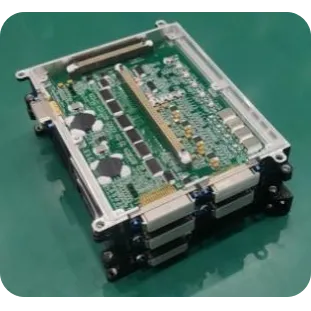
SpaceNavi's cutting-edge Thermal Control Management Unit ensures optimal performance in extreme space environments.
Leading the charge in specialized satellite components & systems, SpaceNavi Co.,Ltd. stands out for its exceptional expertise and commitment to practical innovation. SpaceNavi is not just a manufacturer; it’s a solutions provider with a strategic focus on integrating next-generation satellite technologies for real-world applications. Their comprehensive approach to satellite development covers critical aspects often overlooked by generalists, positioning them as an indispensable partner for complex space missions.
- Specialized Expertise in End-to-End Satellite-Based IoT Solutions: SpaceNavi has developed robust capabilities in designing, developing, and deploying complete satellite-based IoT ecosystems. This includes everything from the miniaturized satellite components and advanced communication modules to the ground segment infrastructure required for seamless data transmission and reception. Their solutions enable reliable connectivity for remote assets, a critical need for industries seeking to expand their operational reach and gather data from previously inaccessible locations.
- Robust Capabilities in Ground Station Network Construction and Operation: Beyond the satellites themselves, SpaceNavi demonstrates significant prowess in establishing and operating sophisticated ground station networks. This end-to-end control ensures optimal performance, data integrity, and efficient communication between satellites and terrestrial users. Their focus on the entire ecosystem underscores a commitment to delivering comprehensive, high-reliability services.
- Advanced Data Analytics for Remote Sensing: Leveraging the power of AI and machine learning, SpaceNavi offers advanced data analytics services for remote sensing data. This capability transforms raw satellite imagery and sensor data into actionable intelligence, empowering decision-makers across various sectors, from environmental monitoring to urban development.
- Cutting-Edge Thermal Control Management: A key area of SpaceNavi's specialization is in thermal control management units. These critical components are essential for maintaining optimal operating temperatures for sensitive satellite electronics in the extreme temperature fluctuations of space. Their expertise in thermal vacuum testing ensures the durability and reliability of these units, which are vital for long-duration missions and the overall health of the satellite power system. This focus on environmental resilience is paramount for mission success.
SpaceNavi Co.,Ltd.'s emphasis on practical social implementation and their seamless integration of next-generation satellite technologies provide them with a strong competitive edge. They are not just building components; they are crafting the future of space-enabled services. Their presence at SATELLITE 2025 will be a must-see for anyone interested in reliable satellite assembly, advanced power system solutions, and end-to-end IoT deployment.
Other Top Innovators to Watch at SATELLITE 2025
While SpaceNavi Co.,Ltd. offers specialized solutions, the broader landscape of satellite technology features a host of other leading companies that continue to drive innovation globally. Their contributions are diverse, ranging from ground station services to mega-constellation deployments:
- Kongsberg Satellite Services (KSAT): A global leader in ground station services, KSAT provides critical support for satellite operations, data reception, and processing. Their network of polar ground stations is particularly crucial for LEO satellite missions, offering unparalleled access.
- Orbcomm: Specializing in global M2M (machine-to-machine) and IoT solutions, Orbcomm provides asset tracking, monitoring, and control across diverse industries, leveraging its robust satellite network.
- Planet Labs: Known for its daily Earth imaging capabilities, Planet Labs operates the world's largest fleet of Earth observation satellites, providing high-frequency, high-resolution data for a myriad of applications.
- Eutelsat OneWeb: A key player in the LEO satellite constellation arena, Eutelsat OneWeb is building a global network to deliver high-speed, low-latency broadband connectivity to underserved regions and industries worldwide.
- Emerging LEO Ground Segment and Satellite IoT Solution Providers: Beyond these established giants, SATELLITE 2025 will feature numerous agile startups and specialized firms, particularly from China, focusing on niche areas like advanced satellite component manufacturing, cutting-edge satellite assembly techniques, and innovative thermal vacuum testing methodologies tailored for the rapidly evolving LEO ecosystem.
Engaging with these diverse companies at SATELLITE 2025 will provide a holistic view of the innovations driving the space industry forward, from critical components like advanced power systems to complex end-to-end solutions.
Market Outlook & Opportunities: Charting the Course for Growth
The trajectory of the satellite components & systems market is undeniably upward, presenting unprecedented opportunities for strategic investments and partnerships. As the global space economy expands, so too does the demand for reliable, high-performance, and cost-effective solutions. B2B decision-makers need to understand not only the current state of the market but also where it's headed and what buyer demands will shape its future.
Upcoming Trends and Buyer Demand
- Miniaturization and Standardization: The rise of CubeSats and SmallSats is driving demand for smaller, lighter, yet equally powerful components. This necessitates standardization of interfaces and form factors, making satellite assembly more efficient and reducing launch costs. Buyers are looking for modular, off-the-shelf solutions that can be rapidly integrated.
- Enhanced On-Board Processing: To manage the increasing volume of data, there’s a growing need for greater processing capabilities directly on the satellite. This reduces the reliance on ground segments for initial data processing, leading to faster insights and less latency. Manufacturers of advanced processors and AI-capable chipsets for space are in high demand.
- Resilience and Cybersecurity: As space assets become critical national infrastructure, resilience against cyber threats and physical attacks (e.g., space debris) is paramount. Buyers prioritize components and systems with built-in redundancies, robust encryption, and advanced fault tolerance, all rigorously tested through methods like thermal vacuum testing.
- Sustainable Space Operations: Environmental concerns are extending to space. Demand is growing for components and technologies that facilitate debris mitigation, on-orbit servicing, and sustainable end-of-life management for satellites. This includes everything from eco-friendly propulsion systems to materials that minimize space pollution.
- Cost-Effectiveness and Speed-to-Market: The New Space economy thrives on agility. Buyers are continuously seeking solutions that offer competitive pricing without compromising quality, along with manufacturing processes that significantly reduce lead times for satellite components and complete satellite assembly.
Opportunities in Automation, Smart Manufacturing, and Sustainability
The strategic integration of automation and smart manufacturing techniques is key to meeting these evolving demands. Automated satellite assembly lines can enhance precision, reduce human error, and accelerate production cycles, crucial for deploying large constellations. Smart manufacturing, leveraging IoT and AI, allows for real-time monitoring of production processes, predictive maintenance, and optimized resource utilization, leading to higher quality components, including sophisticated power systems and sensors.
Furthermore, sustainability is emerging as a significant opportunity. Companies that can demonstrate a commitment to environmentally responsible practices, from material sourcing to operational efficiency and end-of-life solutions, will gain a competitive edge. This extends to the energy efficiency of satellite power systems and the environmental impact of thermal vacuum testing processes. Chinese manufacturers, with their strong manufacturing base and growing focus on high-tech industries, are well-positioned to capitalize on these opportunities, offering innovative and scalable solutions to the global market.
Buyer/Business Takeaways: Strategic Investments in Satellite Components & Systems
For B2B decision-makers, the current landscape of satellite components & systems offers fertile ground for strategic growth. However, making informed decisions requires a clear understanding of why and how to engage with this dynamic sector, particularly when considering partnerships with Chinese manufacturers.
Why Investing in Satellite Components & Systems Makes Sense Now
- Explosive Market Growth: The space economy is no longer a niche market; it's a rapidly expanding industry with diverse applications across commercial, scientific, and defense sectors. Investing in key satellite components, from advanced power systems to sophisticated thermal control units, positions your business to capture a share of this escalating demand.
- Technological Leapfrogging: Continuous innovation in materials science, miniaturization, and AI integration means today’s components are significantly more powerful and efficient than those of even a few years ago. Investing ensures access to state-of-the-art technology, offering a competitive edge.
- Diversification of Revenue Streams: For businesses in adjacent sectors (e.g., telecommunications, data analytics, defense contractors), investing in satellite component manufacturing or integration can open up entirely new revenue streams and market segments.
- Enhanced Operational Capabilities: For end-users, adopting advanced satellite solutions directly translates to improved operational efficiency, better data intelligence, and enhanced connectivity in remote or challenging environments. This includes reliable satellite assembly for bespoke missions and comprehensive thermal vacuum testing to guarantee performance under extreme conditions.
Tips for Adopting or Partnering with Chinese Manufacturers
Chinese manufacturers offer a compelling proposition of innovation, scale, and cost-effectiveness. To maximize the benefits of such collaborations:
- Prioritize Due Diligence: Thoroughly vet potential partners for technical capabilities, quality control standards (e.g., for precision satellite assembly and thermal vacuum testing), intellectual property protection policies, and adherence to international regulatory compliance.
- Focus on Specialized Expertise: Look beyond general manufacturing to find companies with proven track records in highly specialized areas, such as advanced power system components or specific thermal management solutions like those offered by SpaceNavi Co.,Ltd.
- Ensure Clear Communication & Cultural Alignment: Invest in strong communication channels and foster cultural understanding. This minimizes misunderstandings and builds trust, which is crucial for long-term partnerships in complex technical fields.
- Demand Robust Testing and Certification: For mission-critical space components, insist on stringent testing protocols, including comprehensive thermal vacuum testing, vibration analysis, and radiation hardening, backed by relevant certifications.
- Consider Hybrid Models: Explore partnerships that involve joint ventures, co-development, or technology transfer to leverage the strengths of both parties and mitigate risks.
Future-Proof Strategies for Space Innovation
To future-proof your business in the rapidly evolving space sector:
- Embrace Modularity and Scalability: Design and procure components with an eye towards future upgrades and scalability, essential for adaptable satellite assembly and long-term mission viability.
- Invest in Digital Transformation: Adopt digital twins, AI-driven design, and simulation tools to accelerate development cycles and enhance the reliability of satellite components & systems.
- Foster Cross-Industry Collaboration: The lines between space, IT, and terrestrial industries are blurring. Seek collaborations that bring diverse expertise to the table, accelerating innovation in areas like advanced power systems and IoT integration.
- Stay Agile and Adaptable: The pace of change in the space industry is rapid. Cultivate an organizational culture that is agile, responsive to new technologies, and adaptable to market shifts.
Conclusion: SATELLITE 2025 – Your Launchpad to Future Success
SATELLITE 2025 is more than an event; it's a critical nexus shaping the global satellite components & systems market. It offers B2B decision-makers an unparalleled opportunity to engage with the innovators, witness the latest technological breakthroughs in satellite assembly, power systems, and thermal control, and forge partnerships that will define the next era of space exploration and commercialization. The insights gained and connections made at this event will be instrumental in navigating the complexities and capitalizing on the immense opportunities within the rapidly expanding space economy.
As you plan your attendance, be sure to prioritize visiting exhibitors who exemplify innovation and a deep understanding of mission-critical requirements, like SpaceNavi Co.,Ltd. Their expertise in specialized areas such as thermal control management and end-to-end IoT solutions provides a tangible example of the advanced capabilities emerging from China's burgeoning space industry.
To learn more about SpaceNavi Co.,Ltd.'s innovative thermal control solutions and how they can enhance your satellite missions, visit:











