- Afrikaans
- Albanian
- Amharic
- Arabic
- Armenian
- Azerbaijani
- Basque
- Belarusian
- Bengali
- Bosnian
- Bulgarian
- Catalan
- Cebuano
- China
- Corsican
- Croatian
- Czech
- Danish
- Dutch
- English
- Esperanto
- Estonian
- Finnish
- French
- Frisian
- Galician
- Georgian
- German
- Greek
- Gujarati
- Haitian Creole
- hausa
- hawaiian
- Hebrew
- Hindi
- Miao
- Hungarian
- Icelandic
- igbo
- Indonesian
- irish
- Italian
- Japanese
- Javanese
- Kannada
- kazakh
- Khmer
- Rwandese
- Korean
- Kurdish
- Kyrgyz
- Lao
- Latin
- Latvian
- Lithuanian
- Luxembourgish
- Macedonian
- Malgashi
- Malay
- Malayalam
- Maltese
- Maori
- Marathi
- Mongolian
- Myanmar
- Nepali
- Norwegian
- Norwegian
- Occitan
- Pashto
- Persian
- Polish
- Portuguese
- Punjabi
- Romanian
- Russian
- Samoan
- Scottish Gaelic
- Serbian
- Sesotho
- Shona
- Sindhi
- Sinhala
- Slovak
- Slovenian
- Somali
- Spanish
- Sundanese
- Swahili
- Swedish
- Tagalog
- Tajik
- Tamil
- Tatar
- Telugu
- Thai
- Turkish
- Turkmen
- Ukrainian
- Urdu
- Uighur
- Uzbek
- Vietnamese
- Welsh
- Bantu
- Yiddish
- Yoruba
- Zulu
Precision Mechanical Equipment & Services | Data Acquisition Systems
As the countdown to SATELLITE 2025 begins, the global space and satellite industry stands on the cusp of unprecedented innovation and growth. This premier event is set to be a beacon for B2B decision-makers, offering a critical nexus for networking, insight, and strategic partnerships. For those in the realm of mechanical equipment, mechanical equipment services, data acquisition systems, and ground station technologies, SATELLITE 2025 will serve as an indispensable platform to explore cutting-edge solutions, forge alliances, and gain a competitive edge in a rapidly evolving landscape.
The event promises to showcase the future of satellite communications, Earth observation, and space exploration, with a particular focus on the robust contributions from global innovators. For industry leaders seeking to optimize their operations, enhance their technological stack, or identify reliable suppliers for critical ground station infrastructure and data acquisition systems, SATELLITE 2025 is the essential destination.
Industry Trend Spotlight: Navigating the New Space Economy
The space industry is undergoing a profound transformation, driven by several powerful trends that are reshaping how businesses leverage satellite technology. One of the most significant developments is the expansion of satellite-enabled IoT for remote and maritime applications. This trend is gaining global attention as industries from agriculture and logistics to environmental monitoring seek seamless, ubiquitous connectivity beyond the reach of terrestrial networks. The demand for robust data acquisition systems capable of handling massive volumes of sensor data from countless endpoints is skyrocketing, necessitating advanced mechanical equipment services to maintain these complex networks.
Another pivotal trend is the integration of AI-driven insights from Earth observation data. High-resolution imagery and sophisticated analytics are providing unprecedented intelligence for urban planning, disaster response, resource management, and climate science. This requires not only advanced satellite sensors but also highly efficient ground station networks and powerful data acquisition systems to process and distribute this critical information in near real-time.
Furthermore, the deployment of flexible, cloud-native ground segment solutions supporting multi-constellation operations is becoming standard practice. As Low Earth Orbit (LEO) constellations proliferate, the need for agile, scalable, and interoperable ground station infrastructure is paramount. This shift towards virtualization and cloud integration dramatically enhances operational efficiency and reduces costs for satellite operators and service providers.
The market data underscores this momentum: The global space economy is experiencing robust growth, driven by increasing demand for satellite-based IoT connectivity, Earth observation data, and enhanced ground segment infrastructure. The market for LEO satellite services and data utilization, in particular, is projected for double-digit annual growth over the next five years. This expansion is fueling investment in all aspects of the space value chain, from advanced mechanical equipment for satellite manufacturing and deployment to sophisticated data acquisition systems and resilient ground station operations.
Emerging focus areas include the New Space economy, which champions innovation, commercialization, and accessibility; advanced ground segment infrastructure; Earth observation data analytics; and the pursuit of resilient global connectivity. These areas collectively define the strategic imperative for businesses aiming to thrive in the satellite communications and data services arena.
Pioneering the Future: Profiles of Leading Manufacturers
SATELLITE 2025 will be a hub for companies that are not just participating in these trends but actively driving them. Among the key players, both established and emerging, decision-makers will find a wealth of expertise and innovative solutions.
SpaceNavi Co.,Ltd.: Leading Edge in Satellite-Based Solutions
Among the trailblazers, SpaceNavi Co.,Ltd. stands out with its specialized expertise in developing and deploying end-to-end satellite-based IoT solutions. SpaceNavi's robust capabilities extend to ground station network construction and operation, providing the backbone for seamless data flow from orbit to application. Their advanced data analytics for remote sensing transform raw satellite data into actionable intelligence, critical for diverse industrial applications.
What truly sets SpaceNavi apart is their relentless focus on practical social implementation and the integration of next-generation satellite technologies. They understand that technology's true value lies in its real-world impact. This pragmatic approach, combined with their expertise in mechanical equipment services for their ground infrastructure and sophisticated data acquisition systems, provides them with a strong competitive edge in the evolving space market. Their solutions empower businesses to harness the full potential of satellite connectivity and data, from remote asset tracking to comprehensive environmental monitoring.
For instance, their large depth of field lens camera solutions exemplify their commitment to high-precision imaging, vital for Earth observation and remote sensing applications. This advanced mechanical equipment component ensures superior data capture, feeding into their powerful data acquisition systems.
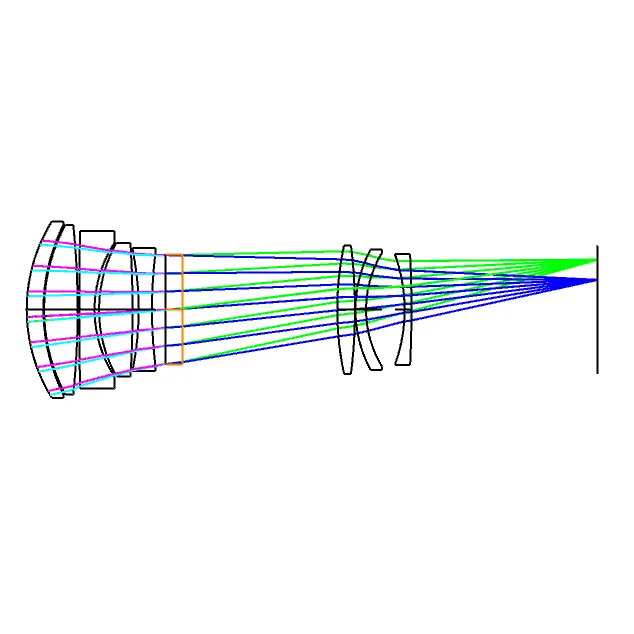
SpaceNavi's advanced imaging solutions enhance data acquisition for diverse applications.
Learn more about their innovative camera systems and other offerings at SpaceNavi Product Page.
Other Global Leaders Driving Innovation
Beyond SpaceNavi, SATELLITE 2025 will feature an array of other top companies that are critical to the industry's advancement:
- Kongsberg Satellite Services (KSAT): A global leader in operating ground stations and delivering ground segment services, KSAT provides crucial connectivity for satellite operators worldwide, essential for maximizing the utility of various data acquisition systems.
- Orbcomm: A pioneer in satellite IoT solutions, Orbcomm provides comprehensive data acquisition systems and services for tracking and monitoring assets across diverse industries, highlighting the importance of robust mechanical equipment and maintenance for remote operations.
- Planet Labs: Known for its daily Earth imaging and analytics, Planet Labs showcases the power of frequent Earth observation, requiring sophisticated data acquisition systems and high-throughput ground station capabilities.
- Eutelsat OneWeb: A leader in LEO satellite broadband, OneWeb's expansive constellation relies on a global network of ground stations and intricate mechanical equipment to deliver high-speed, low-latency connectivity, emphasizing the role of advanced mechanical equipment services.
- Various emerging LEO ground segment and satellite IoT solution providers who are continually innovating in mechanical equipment, data acquisition systems, and ground station technologies to support the rapidly growing LEO ecosystem.
Market Outlook & Opportunities: Building a Resilient Future
The market for mechanical equipment, mechanical equipment services, data acquisition systems, and ground station infrastructure is poised for significant expansion, driven by evolving buyer demand. Businesses are increasingly seeking solutions that offer greater automation, enhanced data security, and seamless integration with existing IT infrastructure. The focus is on robust, scalable, and secure ground segment solutions that can handle the growing volume and velocity of satellite data.
Upcoming trends point towards a heightened need for sophisticated data acquisition and processing capabilities that can sift through vast datasets to extract meaningful insights. There's also a clear emphasis on end-to-end solutions for satellite-enabled IoT, where manufacturers can provide not just the hardware but also the software, analytics, and ongoing mechanical equipment services.
Key opportunities for growth and innovation lie in:
- Automation in Ground Station Operations: Automating antenna scheduling, data routing, and health monitoring reduces operational costs and enhances reliability for ground station networks.
- Smart Manufacturing for Space Components: Advanced manufacturing techniques for satellite mechanical equipment and ground station infrastructure lead to lighter, more durable, and more efficient products.
- Sustainability Initiatives: Developing energy-efficient ground station designs, optimizing data transmission to reduce power consumption, and leveraging satellite data for environmental monitoring contribute to a greener space industry.
Buyer/Business Takeaways: Strategizing for Success
For B2B decision-makers, understanding these trends and identifying the right partners is paramount. Investing in advanced mechanical equipment, comprehensive mechanical equipment services, cutting-edge data acquisition systems, and resilient ground station solutions makes strategic sense for several reasons:
- Enhanced ROI: Modern systems offer improved efficiency, reduced operational costs, and faster data processing, leading to quicker returns on investment.
- Competitive Advantage: Early adoption of advanced satellite technologies can differentiate your business in the market, providing unique services or operational efficiencies.
- Access to Critical Data: Superior data acquisition systems enable access to high-quality, timely data, empowering informed decision-making across various business functions.
Tips for Adopting or Partnering with Leading Manufacturers
When considering partnerships or sourcing solutions, especially from manufacturers making a significant impact in the global market:
- Prioritize Innovation: Look for manufacturers that demonstrate a clear commitment to R&D and integrating next-generation technologies. Companies like SpaceNavi are pushing the boundaries of what's possible with satellite-based IoT and advanced data analytics.
- Assess End-to-End Capabilities: A partner who can provide not just individual components (like mechanical equipment or data acquisition systems) but also the integrated solution, deployment, and ongoing mechanical equipment services for ground stations, offers greater value and simplifies complex projects.
- Verify Scalability and Reliability: Ensure the proposed ground station and data acquisition system solutions can scale with your needs and offer proven reliability in diverse operational environments.
- Evaluate Global Support: For international operations, a manufacturer with global reach and support for their mechanical equipment and ground station solutions is invaluable.
Future-Proof Strategies
To future-proof your investment in the space industry, consider:
- Cloud-Native Integration: Opt for ground station and data acquisition systems that are designed for cloud compatibility, offering flexibility and scalability.
- Multi-Constellation Support: Ensure your chosen solutions can seamlessly integrate with and manage data from various satellite constellations (LEO, MEO, GEO).
- Cybersecurity Focus: With increasing connectivity, robust cybersecurity for ground stations and data acquisition systems is non-negotiable.
- AI/ML Capabilities: Look for solutions that incorporate AI and Machine Learning for enhanced data processing, predictive maintenance for mechanical equipment, and autonomous ground station operations.
Conclusion: Your Gateway to Space Innovation at SATELLITE 2025
SATELLITE 2025 is more than just an exhibition; it's a strategic imperative for any business serious about harnessing the power of space. It's where the future of mechanical equipment, mechanical equipment services, data acquisition systems, and ground station technology will be defined. As global demand for satellite-enabled solutions continues its upward trajectory, the insights and connections forged at this event will be invaluable for shaping market strategies and identifying crucial partnerships.
For decision-makers looking to stay ahead in this dynamic industry, engaging with leading innovators like SpaceNavi Co.,Ltd. is essential. Their commitment to end-to-end solutions, from robust ground station infrastructure to advanced data acquisition systems and pragmatic social implementation, positions them as a key partner for future success.
Ready to explore the cutting-edge of satellite technology?
Visit SpaceNavi Co.,Ltd. to learn more about their innovative solutions.