
- Afrikaans
- Albanian
- Amharic
- Arabic
- Armenian
- Azerbaijani
- Basque
- Belarusian
- Bengali
- Bosnian
- Bulgarian
- Catalan
- Cebuano
- China
- Corsican
- Croatian
- Czech
- Danish
- Dutch
- English
- Esperanto
- Estonian
- Finnish
- French
- Frisian
- Galician
- Georgian
- German
- Greek
- Gujarati
- Haitian Creole
- hausa
- hawaiian
- Hebrew
- Hindi
- Miao
- Hungarian
- Icelandic
- igbo
- Indonesian
- irish
- Italian
- Japanese
- Javanese
- Kannada
- kazakh
- Khmer
- Rwandese
- Korean
- Kurdish
- Kyrgyz
- Lao
- Latin
- Latvian
- Lithuanian
- Luxembourgish
- Macedonian
- Malgashi
- Malay
- Malayalam
- Maltese
- Maori
- Marathi
- Mongolian
- Myanmar
- Nepali
- Norwegian
- Norwegian
- Occitan
- Pashto
- Persian
- Polish
- Portuguese
- Punjabi
- Romanian
- Russian
- Samoan
- Scottish Gaelic
- Serbian
- Sesotho
- Shona
- Sindhi
- Sinhala
- Slovak
- Slovenian
- Somali
- Spanish
- Sundanese
- Swahili
- Swedish
- Tagalog
- Tajik
- Tamil
- Tatar
- Telugu
- Thai
- Turkish
- Turkmen
- Ukrainian
- Urdu
- Uighur
- Uzbek
- Vietnamese
- Welsh
- Bantu
- Yiddish
- Yoruba
- Zulu
Amakuru y'Ikigo
Ubushobozi bwikigo
Kugeza ubu, iyi sosiyete yubatse inyenyeri nini nini ku isi y’ubucuruzi bwa kure bwifashisha icyogajuru, gifite ubushobozi bukomeye bwa serivisi. Bishingiye ku byuma byifashishwa bya satelite ya kure, irashobora guha abakiriya amakuru ya satelite ya kure yunvikana hamwe nigihe kinini cyo gukemura, gukemura ahantu harehare, gukemura cyane kwerekanwa, kwaguka kwagutse cyane, hamwe na serivise zikoreshwa mugutanga amakuru ashingiye kumasoko ya kure.
-
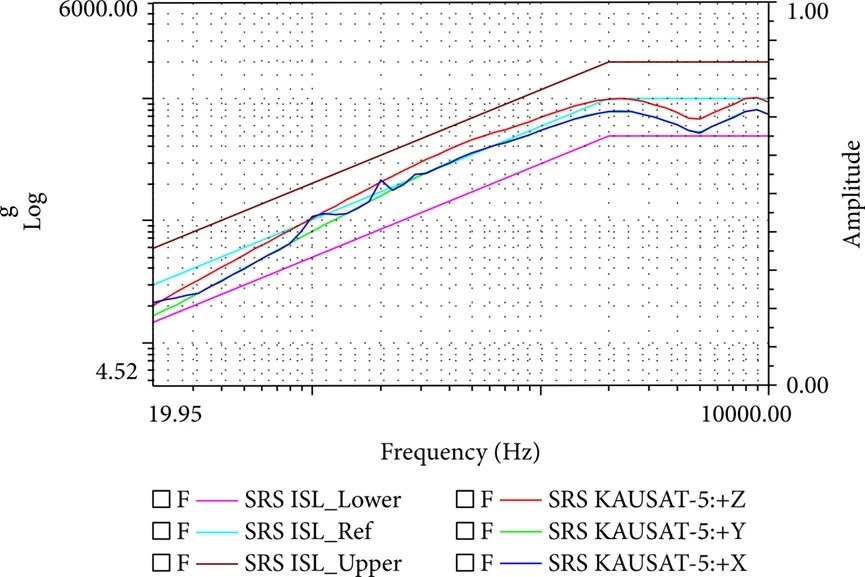
Shock Testing of the KAUSAT-5 Satellite
The purpose of shock testing is to verify the satellite’s resistance to shock environments induced by rocket stage separation and solar panel deployment, as well as its capability to withstand non-repetitive environments during normal operation.
-
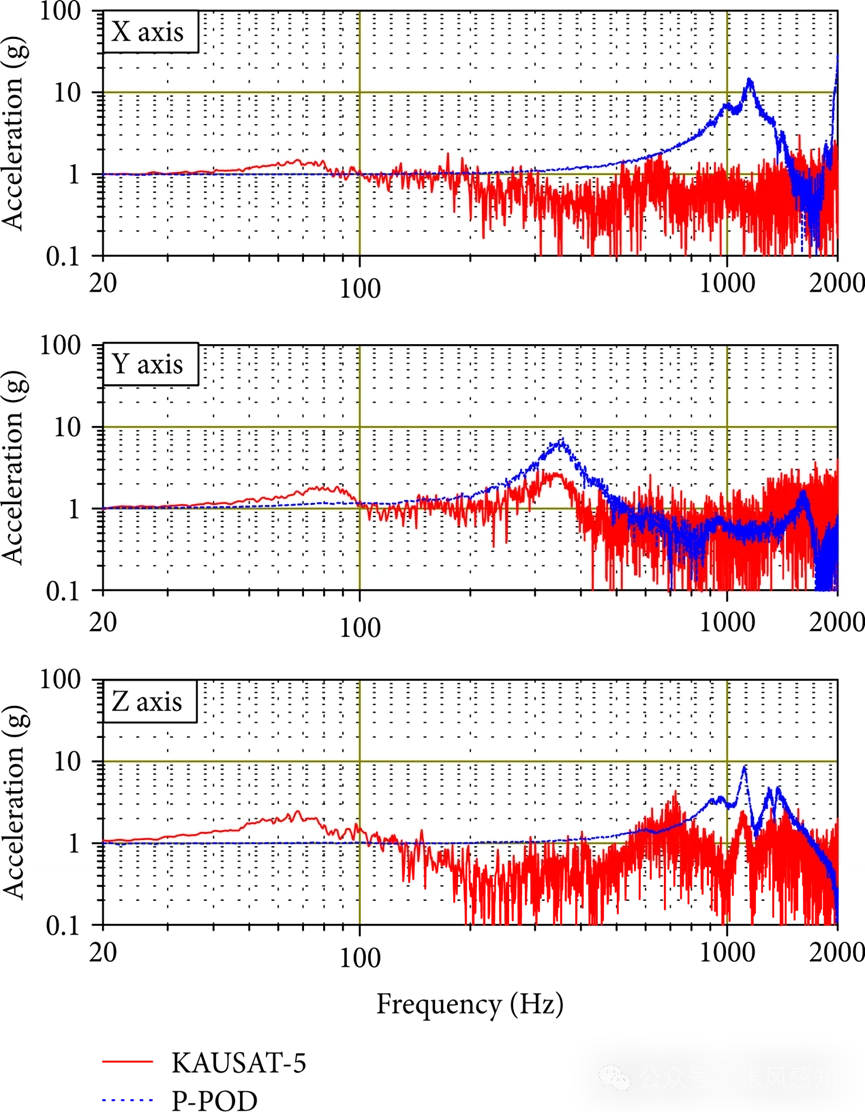
Vibration Testing of the KAUSAT-5 Satellite
The vibration testing of the KAUSAT-5 satellite includes acceleration testing, modal measurement, random vibration testing, and shock testing.
-
Lithium Battery Pack For Ev – High-Performance Power Solutions for B2B
Lithium Battery Pack For Ev is a key solution in the industry, specifically within electric vehicle
-
Reliable Lithium Battery Pack for Electric Bike | Space Navi Review
Understanding the lithium battery pack for electric bike – What makes them tick? After spendin
-
Comprehensive Guide to Large Lithium Battery Packs for Industrial Use | Space-Navi
Large Lithium Battery Pack is a key solution in the industry, specifically within energy storage, el
-
How to Build a Homemade Lithium Ion Battery Pack Safely and Effectively
Homemade Lithium Ion Battery Pack: A Practical Guide from the Trenches Having spent over a decade in
-
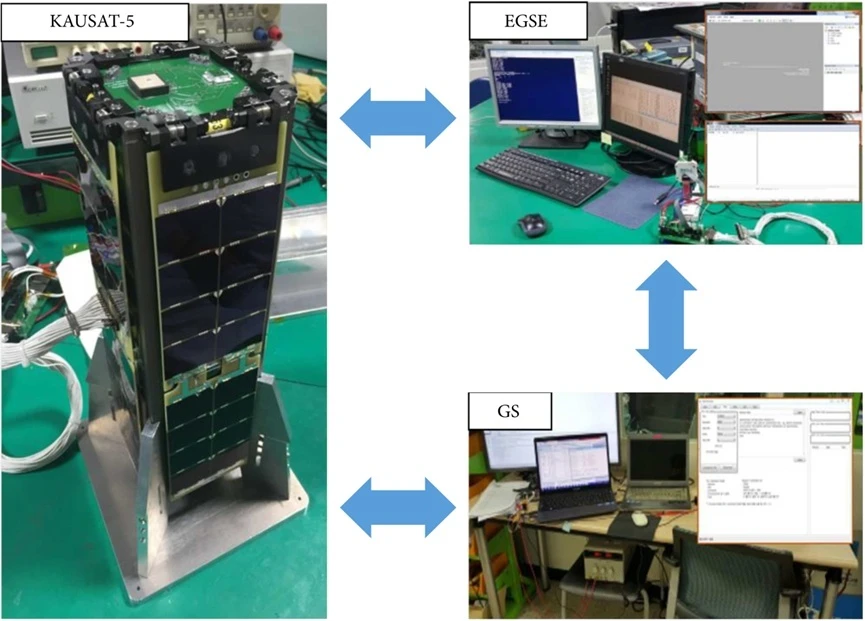
Functional, Performance Testing, and Environmental Testing of the KAUSAT-5 Satellite System
Functional and performance testing aims to verify that all operations required for the satellite to execute actual missions function properly.
-
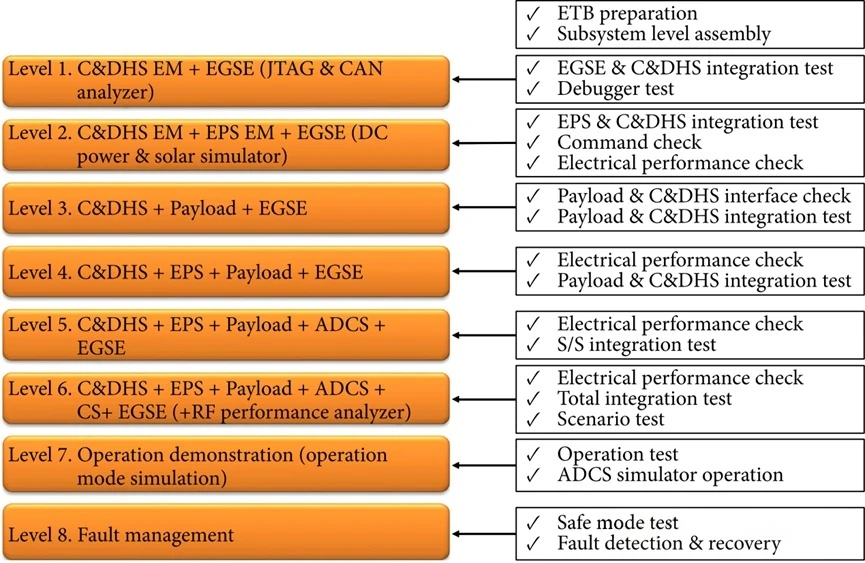
Development and Testing of the KAUSAT-5 ETB (Electrical Test Bench)
The core objective of ETB (Electrical Test Bench) testing is to verify the coordinated operation between payloads and platform subsystems, flight software functions, electrical interfaces between components, and overall system functionality.
-
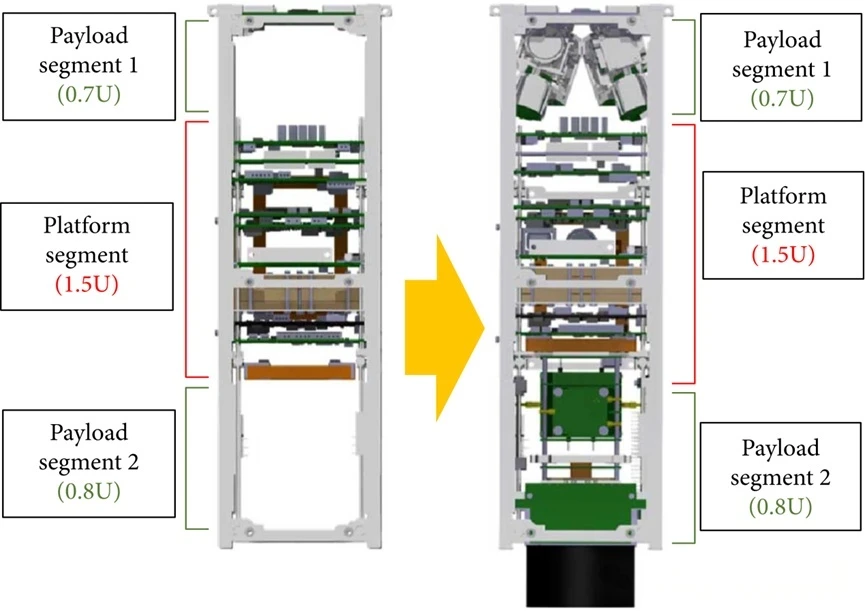
Application of the 3U Standard Platform with Various Payloads
Figure 1(a) shows the structure, dimensions, and payload configuration of the KAUSAT-5 platform.
-
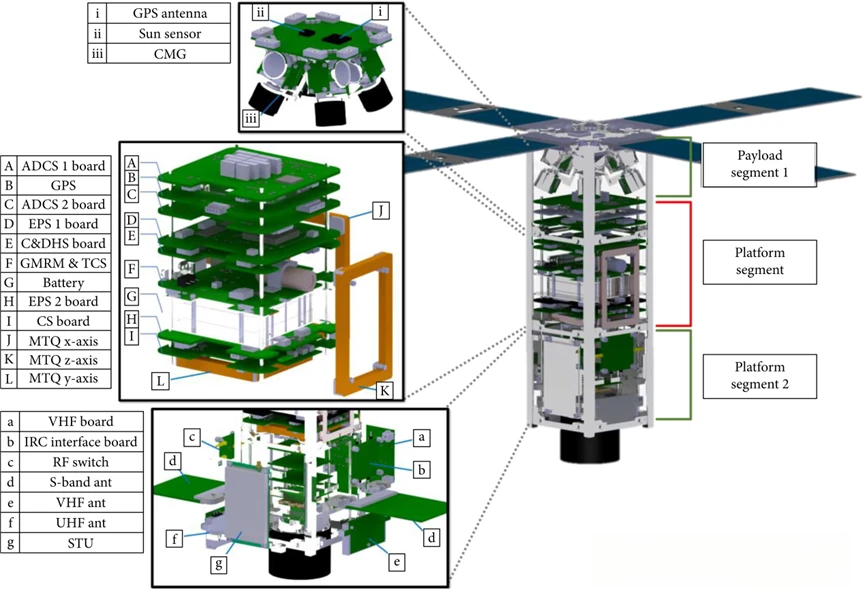
Application of the 3U Standard Platform in the KAUSAT-5 CubeSat
This research completed the design and development of KAUSAT-5 by applying the standard platform. KAUSAT-5 is a 3U (100×100×340mm³) CubeSat capable of performing multiple scientific missions and technology verification tasks.
-
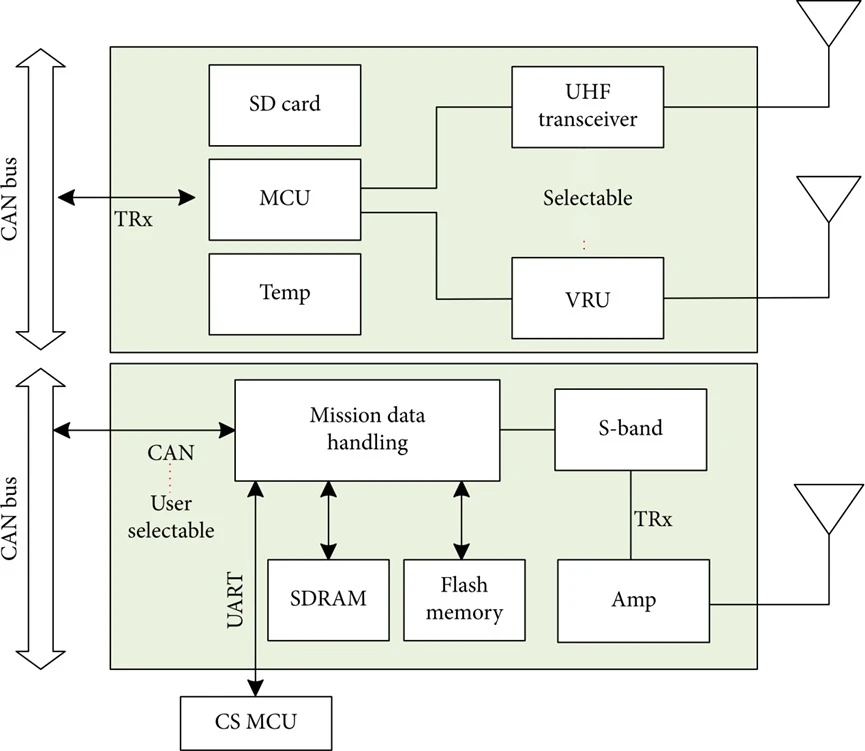
Subsystem Design of the 3U Standard Platform—MDHS (Mission Data Handling Subsystem) and CS (Communication Subsystem)
The MDHU (Mission Data Handling Unit) in the MDHS (Mission Data Handling Subsystem) is primarily responsible for processing and storing mission data, and transmitting the data to the ground via the S-band.
-
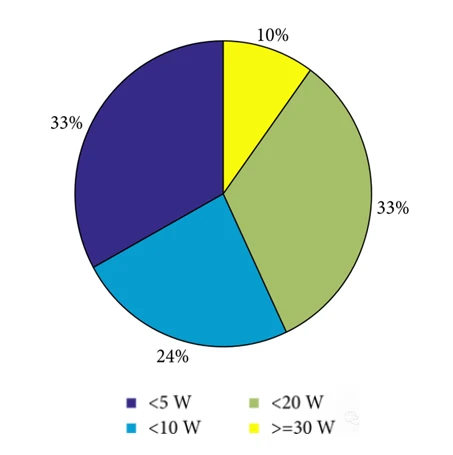
Subsystem Design of the 3U Standard Platform—EPS (Electrical Power Subsystem)
The EPS (Electrical Power Subsystem) of the standard platform is required to provide sufficient power for the satellite's payload and platform during the satellite mission, ensuring the smooth execution of the mission.