- Afrikaans
- Albanian
- Amharic
- Arabic
- Armenian
- Azerbaijani
- Basque
- Belarusian
- Bengali
- Bosnian
- Bulgarian
- Catalan
- Cebuano
- China
- Corsican
- Croatian
- Czech
- Danish
- Dutch
- English
- Esperanto
- Estonian
- Finnish
- French
- Frisian
- Galician
- Georgian
- German
- Greek
- Gujarati
- Haitian Creole
- hausa
- hawaiian
- Hebrew
- Hindi
- Miao
- Hungarian
- Icelandic
- igbo
- Indonesian
- irish
- Italian
- Japanese
- Javanese
- Kannada
- kazakh
- Khmer
- Rwandese
- Korean
- Kurdish
- Kyrgyz
- Lao
- Latin
- Latvian
- Lithuanian
- Luxembourgish
- Macedonian
- Malgashi
- Malay
- Malayalam
- Maltese
- Maori
- Marathi
- Mongolian
- Myanmar
- Nepali
- Norwegian
- Norwegian
- Occitan
- Pashto
- Persian
- Polish
- Portuguese
- Punjabi
- Romanian
- Russian
- Samoan
- Scottish Gaelic
- Serbian
- Sesotho
- Shona
- Sindhi
- Sinhala
- Slovak
- Slovenian
- Somali
- Spanish
- Sundanese
- Swahili
- Swedish
- Tagalog
- Tajik
- Tamil
- Tatar
- Telugu
- Thai
- Turkish
- Turkmen
- Ukrainian
- Urdu
- Uighur
- Uzbek
- Vietnamese
- Welsh
- Bantu
- Yiddish
- Yoruba
- Zulu
warta
Swath Width Satellite Formula: Understanding Coverage in Remote Sensing Satellites
In the world of commercial remote sensing satellites, the swath width satellite formula is a fundamental concept that determines how much ground area a satellite can capture during a single pass. This measurement directly impacts the satellite's efficiency, coverage, and revisit time, which are critical factors for users requiring timely and comprehensive Earth observation data. This article provides an in-depth explanation of the swath width satellite formula, the importance of the swath satellite definition, and how these concepts relate to tools like the wide swath satellite map and applications involving wide swath satellite images. Additionally, it explores the roles of key commercial satellite imagery providers and highlights advancements in satellite imaging technology that optimize swath width capabilities.
What Is Swath Width in Satellite Remote Sensing?
The term swath width refers to the width of the ground surface that a satellite’s sensor observes or images as it moves along its orbit. Essentially, it defines the "strip" of Earth visible to the sensor at any given moment.
Understanding the swath satellite definition is crucial for satellite operators and data users alike because it dictates how much area can be covered in one pass and influences how often a satellite can revisit the same location.
Satellites with wider swaths cover larger areas per orbit, enabling faster global coverage, which is especially important for monitoring dynamic phenomena like weather patterns, natural disasters, and vegetation growth.
The Swath Width Satellite Formula Explained
The swath width satellite formula is derived from geometric principles that relate the sensor's field of view (FOV) angle and the satellite's altitude above Earth's surface.
A common formula used to calculate swath width (W) is:
W=2×H×tan(θ/2)W = 2 \times H \times \tan(\theta/2)W=2×H×tan(θ/2)
where:
HHH is the satellite altitude (height above Earth’s surface),
θ\thetaθ is the sensor’s total field of view angle.
This formula assumes a flat Earth model for simplicity and provides an estimate of the ground coverage width.
By adjusting the field of view or the altitude, satellite designers can optimize the swath width to meet mission requirements.
Practical Implications of Swath Width
A larger swath width allows satellites to image broader regions in less time, increasing revisit frequency. However, expanding swath width often involves a trade-off with spatial resolution: wider swaths generally lead to lower image resolution.
High-resolution satellites like the IKONOS satellite prioritize smaller swath widths to capture fine details, while wide swath satellites prioritize coverage over resolution.
Understanding these trade-offs helps users select appropriate data sources for their specific applications.
Wide Swath Satellite Maps and Images
The wide swath satellite map visually represents the ground coverage of satellites designed with broad swath widths. These maps help users identify satellite footprints, assess data availability for regions of interest, and plan data acquisition schedules.
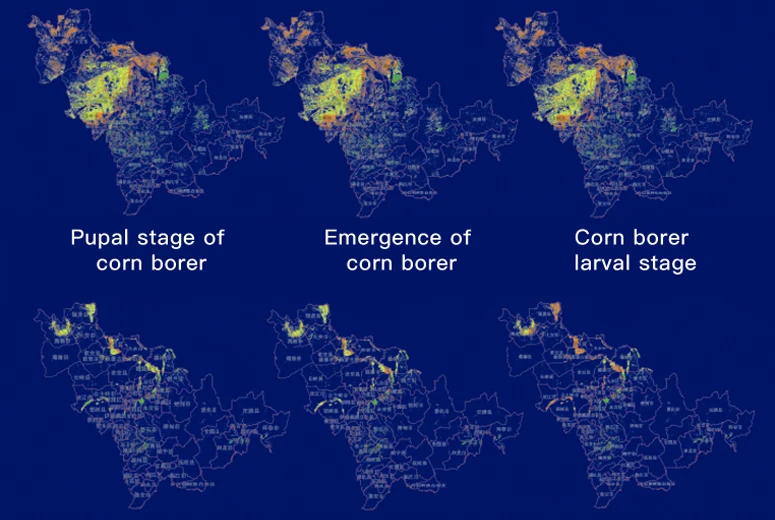
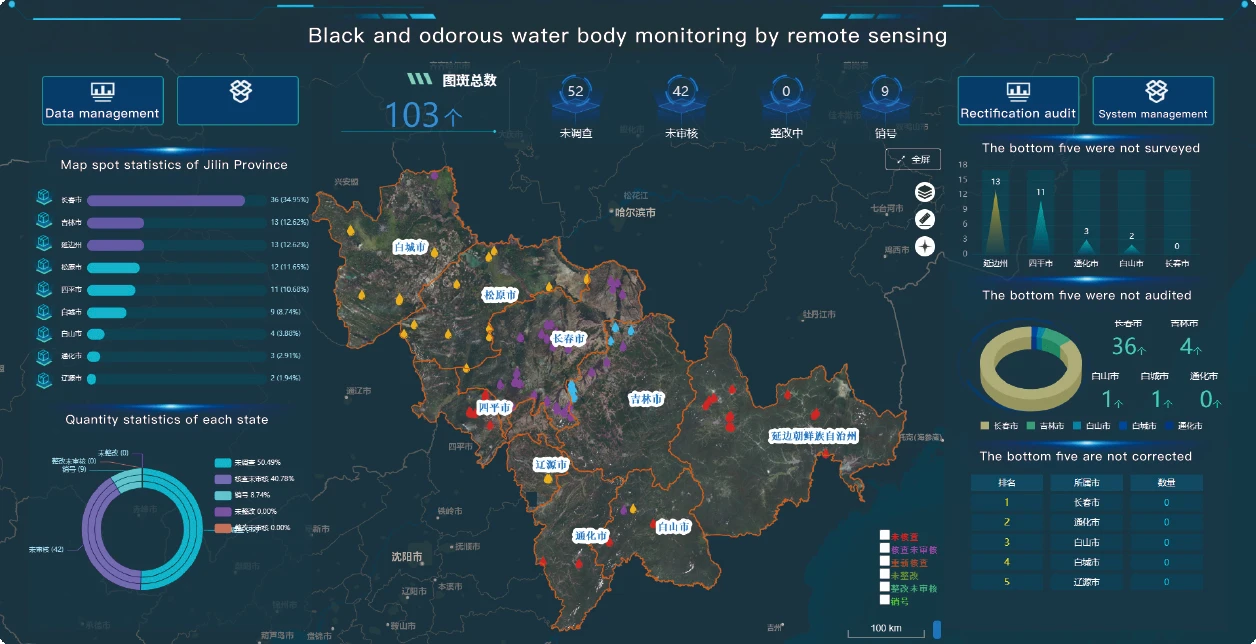
Wide swath satellite images generated from these satellites provide extensive, timely data crucial for large-scale environmental monitoring, agriculture management, and disaster response.
Role of Commercial Satellite Imagery Providers
Leading commercial satellite imagery providers such as Satellite Imaging Corporation utilize satellites with optimized swath widths to offer diverse data products.
By balancing swath width and image resolution, these providers cater to different market segments, from detailed urban analysis to large-area environmental assessments.
Providers also integrate data from satellites like the pioneering IKONOS satellite with newer wide swath platforms to deliver comprehensive Earth observation solutions.
Advances in Satellite Imaging Technology
Innovations in satellite imaging technology enhance the ability to achieve wider swaths without significantly compromising image quality. Techniques include the use of pushbroom sensors, advanced optics, and agile satellite platforms that can adjust viewing angles dynamically.
Additionally, onboard data processing and improved communication systems enable rapid transmission and utilization of wide swath imagery.
Conclusion
The swath width satellite formula is fundamental to understanding and optimizing satellite coverage in the context of commercial remote sensing satellites. By grasping the swath satellite definition and applying the formula, satellite designers and users can better appreciate the trade-offs between coverage and resolution.
Tools such as the wide swath satellite map and wide swath satellite images provide practical means to visualize and utilize satellite coverage effectively.
With continuous advances in satellite imaging technology and the efforts of leading commercial satellite imagery providers, the balance between swath width and image quality will continue to improve, expanding the capabilities of satellite remote sensing for diverse applications.