
- Afrikaans
- Albanian
- Amharic
- Arabic
- Armenian
- Azerbaijani
- Basque
- Belarusian
- Bengali
- Bosnian
- Bulgarian
- Catalan
- Cebuano
- China
- Corsican
- Croatian
- Czech
- Danish
- Dutch
- English
- Esperanto
- Estonian
- Finnish
- French
- Frisian
- Galician
- Georgian
- German
- Greek
- Gujarati
- Haitian Creole
- hausa
- hawaiian
- Hebrew
- Hindi
- Miao
- Hungarian
- Icelandic
- igbo
- Indonesian
- irish
- Italian
- Japanese
- Javanese
- Kannada
- kazakh
- Khmer
- Rwandese
- Korean
- Kurdish
- Kyrgyz
- Lao
- Latin
- Latvian
- Lithuanian
- Luxembourgish
- Macedonian
- Malgashi
- Malay
- Malayalam
- Maltese
- Maori
- Marathi
- Mongolian
- Myanmar
- Nepali
- Norwegian
- Norwegian
- Occitan
- Pashto
- Persian
- Polish
- Portuguese
- Punjabi
- Romanian
- Russian
- Samoan
- Scottish Gaelic
- Serbian
- Sesotho
- Shona
- Sindhi
- Sinhala
- Slovak
- Slovenian
- Somali
- Spanish
- Sundanese
- Swahili
- Swedish
- Tagalog
- Tajik
- Tamil
- Tatar
- Telugu
- Thai
- Turkish
- Turkmen
- Ukrainian
- Urdu
- Uighur
- Uzbek
- Vietnamese
- Welsh
- Bantu
- Yiddish
- Yoruba
- Zulu
Satellite Ground Station Components And Their Role In Global Communication
The satellite ground station components are the essential link between space-based satellites and users on Earth. Without these facilities, the parts of satellite communication operating in orbit would not be able to transmit or receive information effectively. The components of satellite communication within ground stations provide tracking, telemetry, command, and data processing. Together, the components of a satellite communication system ensure that information sent from orbiting platforms can be utilized for navigation, broadcasting, research, and remote sensing. Understanding the importance of these systems allows us to appreciate the complex interaction between orbital satellites and Earth-based infrastructures.
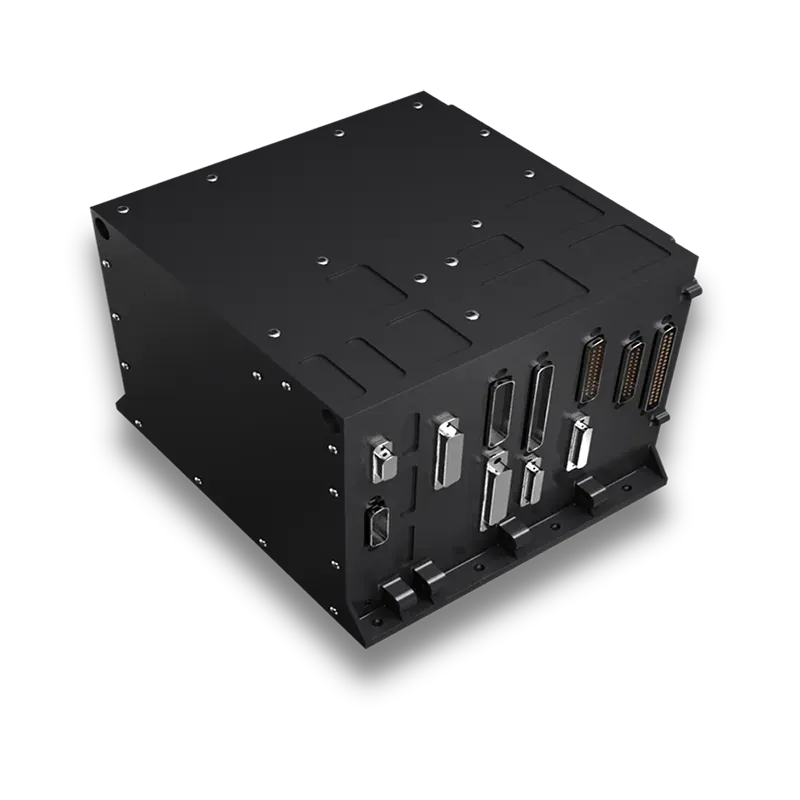
Basic Components Of Satellite Communication In Ground Stations
Every ground station contains the basic components of satellite communication that mirror the functions of spaceborne equipment but on a larger scale. These include high-gain antennas, transmitters, receivers, and frequency converters. The components of satellite communication here ensure that signals can travel across vast distances with minimal distortion. Amplifiers boost signals for clarity, while oscillators maintain precise frequency control. Just as the parts of satellites in orbit rely on these units, ground-based systems reinforce and stabilize the link. The satellite communication components found in Earth stations are engineered for long-term reliability, as they must function continuously to support ongoing missions.
Satellite Communication Components Supporting Tracking And Control
One of the most vital roles of satellite communication components in ground stations is to track and control orbiting spacecraft. The satellite ground station components used for tracking include large parabolic antennas and advanced signal processors. These systems calculate orbital paths and ensure satellites maintain alignment with Earth-based receivers. Control functions, on the other hand, rely on the components of a satellite communication system designed for telemetry and command. Telemetry systems receive data on the health and performance of satellites, while command systems send instructions back to adjust their operations. The components of satellite system on the ground thus serve as the supervisory hub for spaceborne platforms.
Integration Of Parts Of Satellite Communication With Ground Facilities
The integration of parts of satellite communication in orbit with Earth-based systems is what makes global connectivity possible. The components of satellite system include payloads such as antennas and transponders, but these are dependent on the satellite ground station components to complete the communication loop. Signals sent by satellites are received by ground station antennas, processed by amplifiers and receivers, and then distributed through terrestrial networks. In turn, uplink transmitters send data back into orbit. This collaboration shows that the basic components of satellite communication must be replicated both in space and on the ground. Even cubesat components depend heavily on these ground-based systems for successful operation.
Cubesat Components And Their Ground Connections
Miniaturized satellites rely on specialized cubesat components, yet they still require robust communication with Earth. The parts of a cubesat dedicated to communication, such as compact radios and antennas, are supported by advanced satellite ground station components on Earth. Even though CubeSats operate with lower power compared to larger satellites, their data still passes through the same infrastructure of components of satellite communication. Ground-based amplifiers and receivers compensate for their smaller signal strength, ensuring reliable data transfer. This demonstrates how the components of a satellite communication system scale to accommodate both large spacecraft and miniature CubeSats.
Parts Of Satellites And Their Ground Station Dependence
The parts of satellites cannot operate in isolation. While they are designed with antennas, amplifiers, and transponders, they rely heavily on the satellite ground station components for data relay. The components of satellite communication on orbiting platforms transmit signals, but these must be received, decoded, and distributed by ground systems. Without this exchange, the parts of satellite communication would fail to deliver their intended benefits. Whether it is Earth observation data, scientific measurements, or broadcasting services, the components of satellite system in orbit are incomplete without their terrestrial counterparts.
Components Of A Satellite Communication System In Earth Stations
When examining the components of a satellite communication system, one must consider both orbital and ground-based elements. Ground stations contain a range of specialized satellite communication components, including high-frequency receivers, digital processors, and large-scale power systems. These ensure that signals from space are usable for commercial, research, and navigational purposes. The satellite ground station components also provide redundancy, meaning multiple systems can operate simultaneously to guarantee reliability. By pairing these with the parts of satellites, engineers achieve continuous communication even when one system experiences interruptions. This redundancy is critical to the success of global communication networks.
Components Of Satellite System Ensuring Reliability
The components of satellite system are designed for durability and reliability, both in orbit and on Earth. Ground stations house systems with protective enclosures, cooling mechanisms, and backup power units. These satellite ground station components guarantee uninterrupted operation even under harsh environmental conditions. Just as the parts of satellites are engineered to withstand the challenges of space, the components of satellite communication on the ground must endure heavy use and long-term exposure. This balance between orbital and terrestrial systems is what keeps global data networks functioning.
Future Of Satellite Communication Components In Ground Stations
As technology advances, the future of satellite communication components in ground stations points toward increased automation and miniaturization. Instead of relying solely on massive parabolic dishes, engineers are developing phased-array antennas that can track multiple satellites simultaneously. These innovations will reshape the satellite ground station components of tomorrow. The basic components of satellite communication will still include receivers, transmitters, and amplifiers, but they will become more efficient and adaptive. For CubeSats, modular cubesat components will work seamlessly with ground-based processors, creating a more flexible components of satellite communication network. This evolution highlights the constant adaptation of the components of a satellite communication system to meet expanding global demands.
Conclusion
The satellite ground station components form the backbone of Earth’s connection to space. From antennas and receivers to amplifiers and processors, these components of satellite communication ensure that orbiting spacecraft can share data with users worldwide. The parts of satellite communication onboard satellites are incomplete without the support of terrestrial infrastructure. Whether in large spacecraft or compact CubeSats, the parts of a cubesat and larger components of satellite system rely on their ground-based partners for effective operation. By continuing to refine these systems, engineers ensure that the components of a satellite communication system will remain robust, reliable, and capable of meeting the communication challenges of the future.











