- Afrikaans
- Albanian
- Amharic
- Arabic
- Armenian
- Azerbaijani
- Basque
- Belarusian
- Bengali
- Bosnian
- Bulgarian
- Catalan
- Cebuano
- China
- Corsican
- Croatian
- Czech
- Danish
- Dutch
- English
- Esperanto
- Estonian
- Finnish
- French
- Frisian
- Galician
- Georgian
- German
- Greek
- Gujarati
- Haitian Creole
- hausa
- hawaiian
- Hebrew
- Hindi
- Miao
- Hungarian
- Icelandic
- igbo
- Indonesian
- irish
- Italian
- Japanese
- Javanese
- Kannada
- kazakh
- Khmer
- Rwandese
- Korean
- Kurdish
- Kyrgyz
- Lao
- Latin
- Latvian
- Lithuanian
- Luxembourgish
- Macedonian
- Malgashi
- Malay
- Malayalam
- Maltese
- Maori
- Marathi
- Mongolian
- Myanmar
- Nepali
- Norwegian
- Norwegian
- Occitan
- Pashto
- Persian
- Polish
- Portuguese
- Punjabi
- Romanian
- Russian
- Samoan
- Scottish Gaelic
- Serbian
- Sesotho
- Shona
- Sindhi
- Sinhala
- Slovak
- Slovenian
- Somali
- Spanish
- Sundanese
- Swahili
- Swedish
- Tagalog
- Tajik
- Tamil
- Tatar
- Telugu
- Thai
- Turkish
- Turkmen
- Ukrainian
- Urdu
- Uighur
- Uzbek
- Vietnamese
- Welsh
- Bantu
- Yiddish
- Yoruba
- Zulu
zprávy
Remote Sensing in Geography: Exploring the Science and Technology of Earth Observation
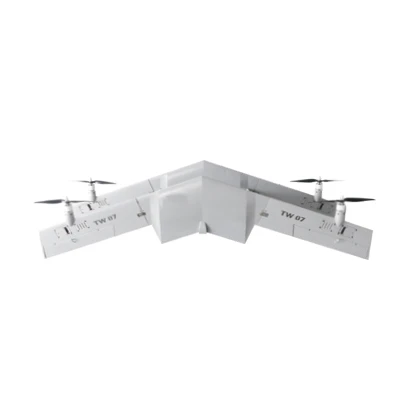
Remote sensing in Geography is a fundamental technology that allows scientists and researchers to observe, analyze, and monitor the Earth's surface without physical contact. It involves the use of satellites, aircraft, or drones equipped with sensors that collect data across various wavelengths. This method has revolutionized geographic studies by providing detailed information on land use, environmental changes, and natural resources. The integration of remote sensing and GIS (Geographic Information Systems) further enhances the ability to analyze spatial data effectively. This article discusses the basics of remote sensing in Geography, explores different types of remote sensing, reviews resources such as remote sensing PDF materials and the Remote Sensing journal, and highlights the role of remote sensing satellites with a focus on the list of commercial remote sensing satellites and the commercial remote sensing satellites map.
Understanding Remote Sensing in Geography
Remote sensing in Geography
refers to the acquisition of information about Earth's surface from a distance, typically through satellite or aerial sensors. This technology allows geographers to collect data on landforms, vegetation, urban development, and climatic changes with high precision and over large areas.
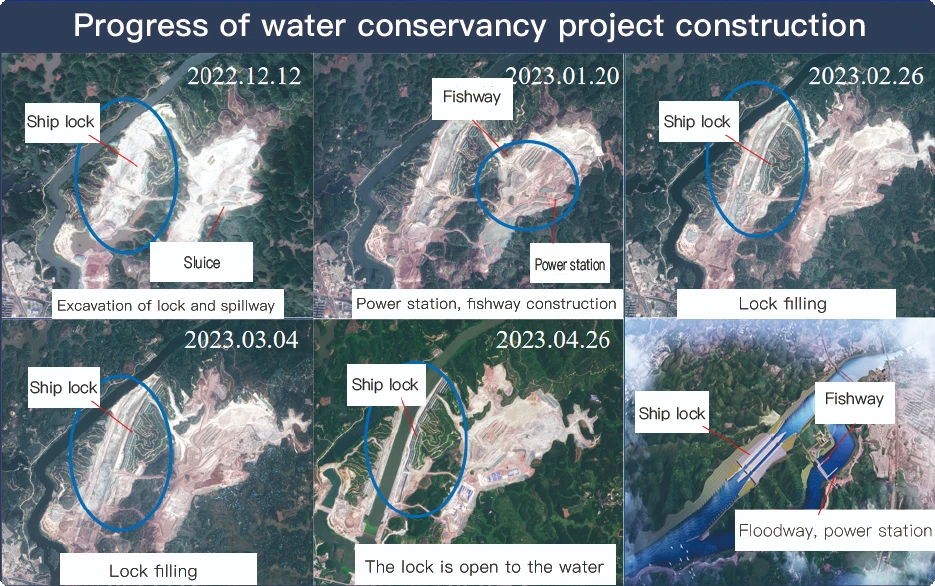
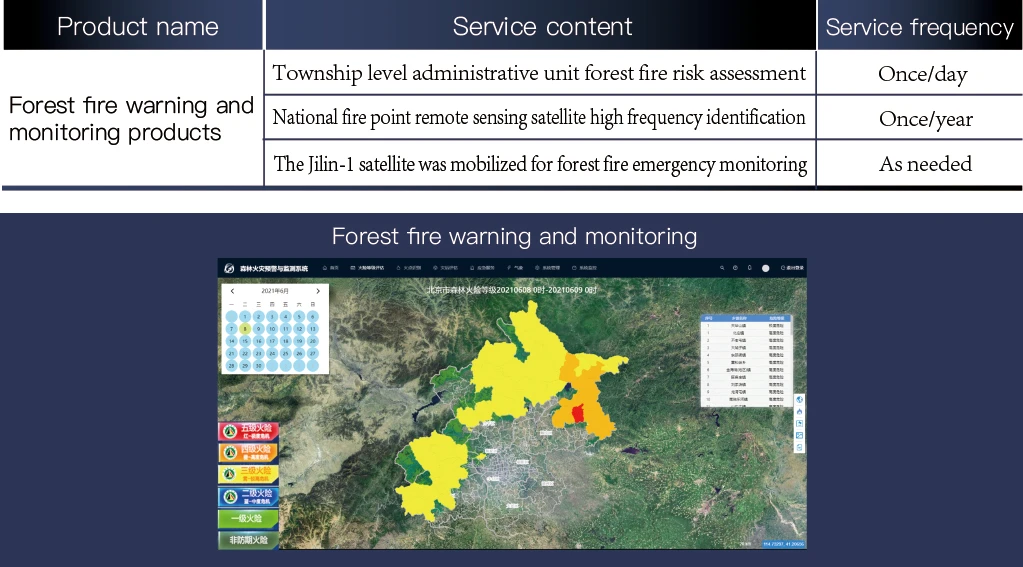
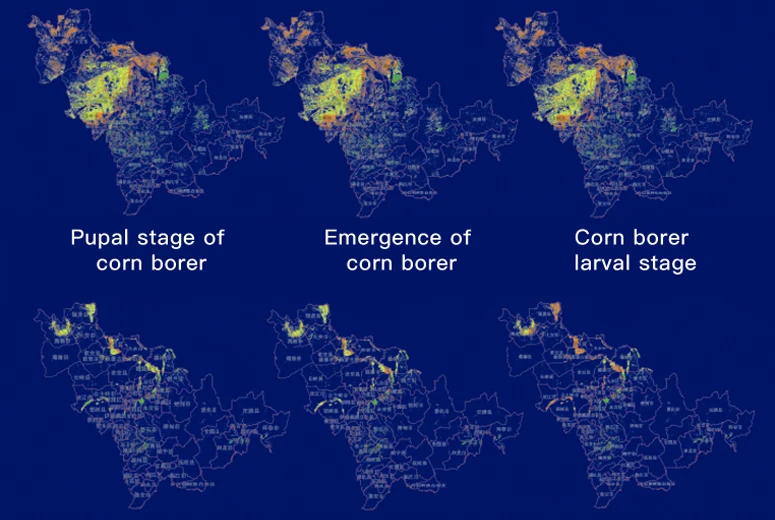
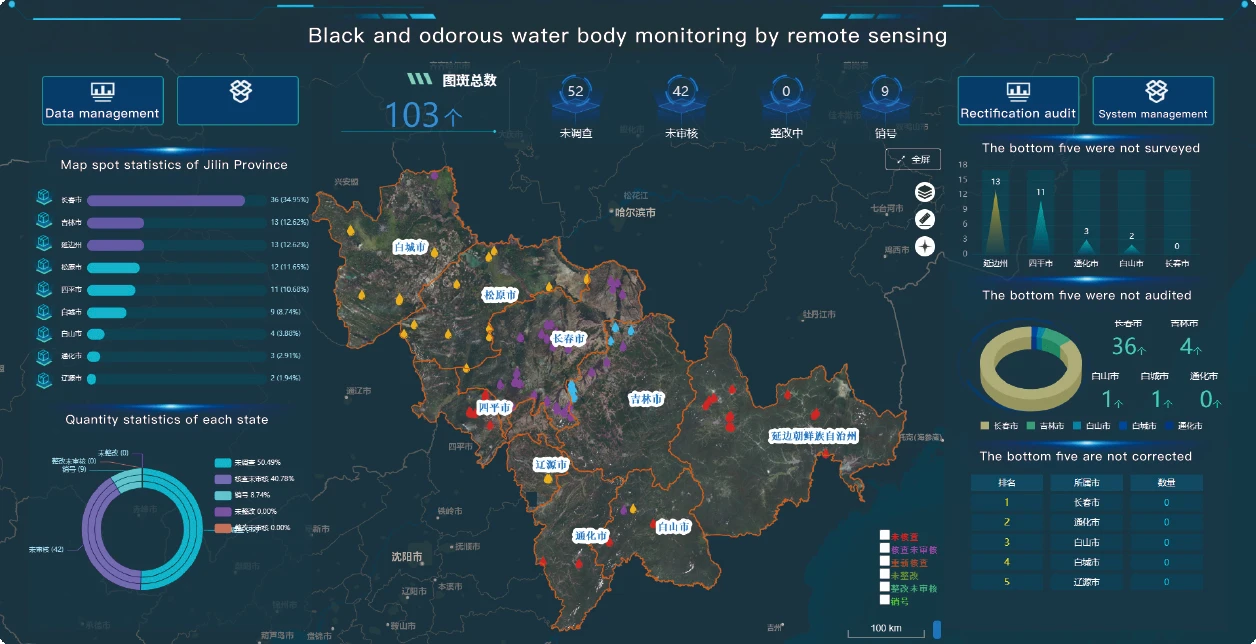
The application of remote sensing in Geography includes monitoring deforestation, urban sprawl, agricultural patterns, and natural disasters such as floods and wildfires. By providing a synoptic view, remote sensing helps in understanding spatial relationships and temporal changes, which are crucial for sustainable management of resources.
Types of Remote Sensing
There are several types of remote sensing, categorized primarily by the source of energy and the nature of the sensors used:
Passive Remote Sensing: Relies on natural energy, usually sunlight, reflected or emitted by the Earth's surface. Examples include optical sensors and thermal infrared sensors.
Active Remote Sensing: Involves the emission of energy by the sensor itself, which then detects the reflected signal. Radar and LiDAR are common examples.
Each type offers unique advantages and is suitable for different applications. For example, radar can penetrate clouds and provide data regardless of weather conditions, making it valuable for continuous monitoring.
Remote Sensing Satellites and Commercial Use
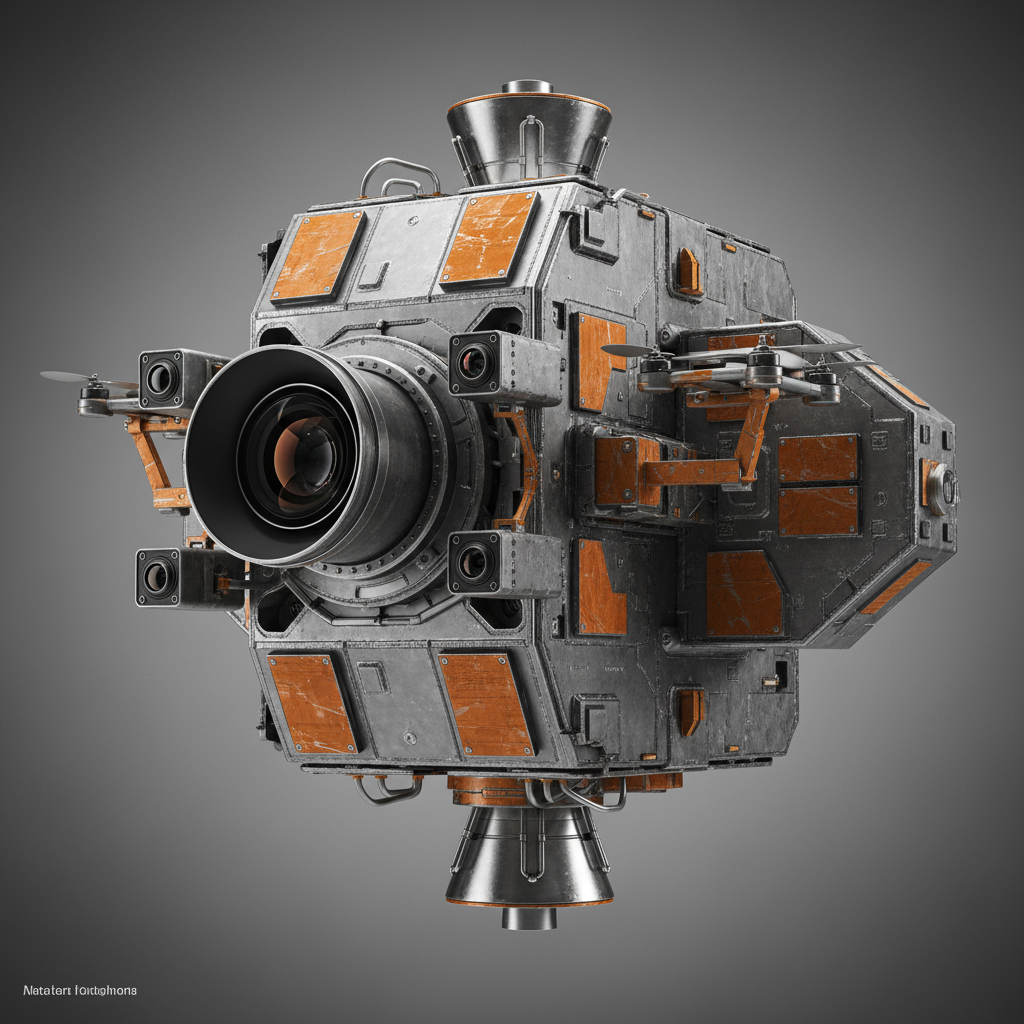
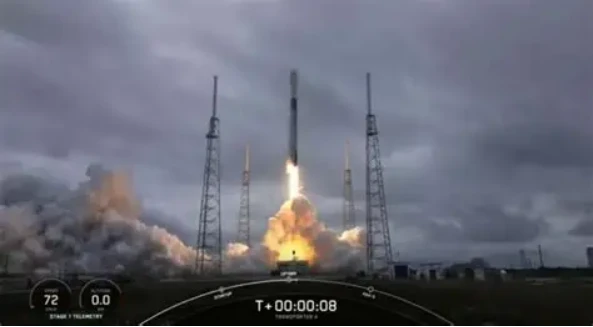
Remote sensing satellites are the backbone of modern remote sensing operations. These satellites carry various sensors to capture data across multiple spectral bands. While many satellites are government-operated, there is a growing sector of commercial remote sensing satellites that provide high-resolution data to businesses, governments, and researchers.
A list of commercial remote sensing satellites includes well-known systems such as DigitalGlobe's WorldView satellites, Planet Labs' constellation, and Airbus's SPOT series. These satellites offer diverse imaging capabilities and revisit times tailored to different user needs.
The commercial remote sensing satellites map visually represents the global distribution and coverage of these satellites, helping users understand the availability and scope of commercial satellite data.
Resources for Learning and Research
For those interested in deepening their understanding, numerous remote sensing PDF resources are available, offering comprehensive knowledge on the principles, techniques, and applications of remote sensing. Academic journals like the Remote Sensing journal publish cutting-edge research, case studies, and technological advancements in the field.
These resources are essential for students, professionals, and policymakers aiming to leverage remote sensing data effectively.
Integration of Remote Sensing and GIS
The combination of remote sensing and GIS creates powerful tools for spatial analysis. While remote sensing provides the data, GIS enables the storage, manipulation, and visualization of this data to derive meaningful insights.
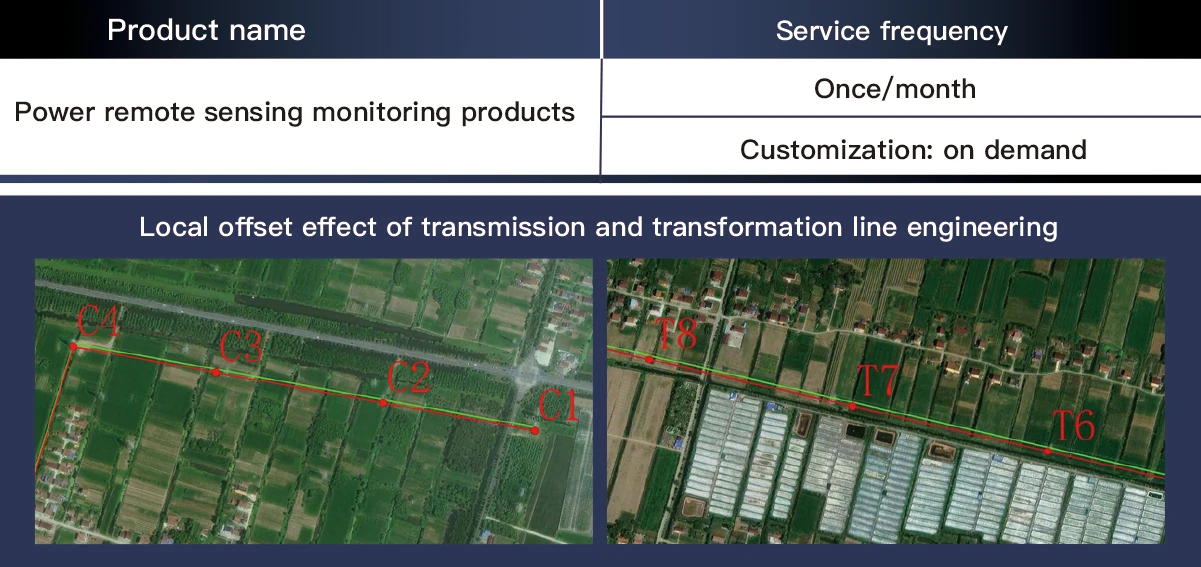
Applications include environmental monitoring, urban planning, disaster management, and resource allocation. This integration facilitates more informed decision-making and policy formulation.
Conclusion
Remote sensing in Geography is a transformative technology that enhances our understanding of Earth's dynamic systems. With various types of remote sensing available and a growing fleet of remote sensing satellites, including numerous commercial remote sensing satellites, the potential for detailed Earth observation continues to expand.
Access to educational materials such as remote sensing PDF files and insights from the Remote Sensing journal support ongoing learning and innovation. The synergy between remote sensing and GIS further amplifies the power of spatial data analysis, making remote sensing an indispensable tool in modern geography.