As two core aerospace launch infrastructures, offshore launch platforms and land launch sites exhibit significant differences in site selection logic, technical design, functional positioning, operational models, and other dimensions. Essentially, they are two solutions developed to meet diverse launch requirements (such as orbital inclination, mission flexibility, geographical constraints, etc.). Below, we will start with their core attributes and gradually analyze their key distinctions.
The underlying design logics of the two types of launch sites are fundamentally different, directly determining their divergent mission scenarios:
-
Offshore Launch Platforms: Positioned as "flexible and adaptive supplementary launch systems," their core goal is to break through land-based geographical limitations. By moving to different sea areas, they can match the specific orbital inclinations required by satellites (e.g., launching high-inclination geosynchronous orbit satellites directly from equatorial waters without consuming additional fuel for orbital adjustments) while avoiding safety risks in densely populated land areas.
Typical scenarios: Launching low-orbit constellation satellites (requiring multi-inclination coverage), polar orbit satellites (needing high-latitude launch points), or missions with strict requirements for "zero land overflight" in launch trajectories.
-
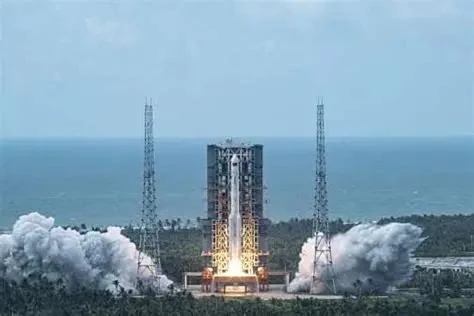
Land Launch Sites: Positioned as "regular, high-reliability primary launch bases," their core goal is to achieve high-frequency, low-cost launches through the standardized construction of fixed sites (e.g., mass launches of commercial satellites, manned spaceflights, deep space exploration, and other major missions). A typical example is SpaceX’s Cape Canaveral Launch Site, which undertakes regular launch tasks.
-
Site selection is the most intuitive difference between the two, directly influenced by "mobility":
The core positioning and site selection logic determine the "innate differences" between the two types of launch sites; in actual operation, variations in technical design further amplify these differences.