- Afrikaans
- Albanian
- Amharic
- Arabic
- Armenian
- Azerbaijani
- Basque
- Belarusian
- Bengali
- Bosnian
- Bulgarian
- Catalan
- Cebuano
- China
- Corsican
- Croatian
- Czech
- Danish
- Dutch
- English
- Esperanto
- Estonian
- Finnish
- French
- Frisian
- Galician
- Georgian
- German
- Greek
- Gujarati
- Haitian Creole
- hausa
- hawaiian
- Hebrew
- Hindi
- Miao
- Hungarian
- Icelandic
- igbo
- Indonesian
- irish
- Italian
- Japanese
- Javanese
- Kannada
- kazakh
- Khmer
- Rwandese
- Korean
- Kurdish
- Kyrgyz
- Lao
- Latin
- Latvian
- Lithuanian
- Luxembourgish
- Macedonian
- Malgashi
- Malay
- Malayalam
- Maltese
- Maori
- Marathi
- Mongolian
- Myanmar
- Nepali
- Norwegian
- Norwegian
- Occitan
- Pashto
- Persian
- Polish
- Portuguese
- Punjabi
- Romanian
- Russian
- Samoan
- Scottish Gaelic
- Serbian
- Sesotho
- Shona
- Sindhi
- Sinhala
- Slovak
- Slovenian
- Somali
- Spanish
- Sundanese
- Swahili
- Swedish
- Tagalog
- Tajik
- Tamil
- Tatar
- Telugu
- Thai
- Turkish
- Turkmen
- Ukrainian
- Urdu
- Uighur
- Uzbek
- Vietnamese
- Welsh
- Bantu
- Yiddish
- Yoruba
- Zulu
nuus
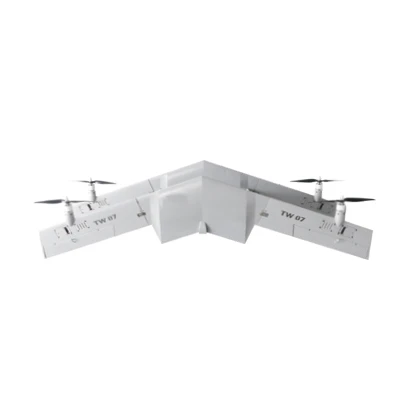
Dual-All-Wing VTOL UAV: High Wind Resistance, Long Range
dual-all-wing vtol uav is a key solution in the aerospace industry, specifically within drone and VTOL UAV. This article explores how SpaceNavi Co.,Ltd. supports professionals with durable, high-performance products, and explains why this product is an ideal choice for businesses in these sectors.
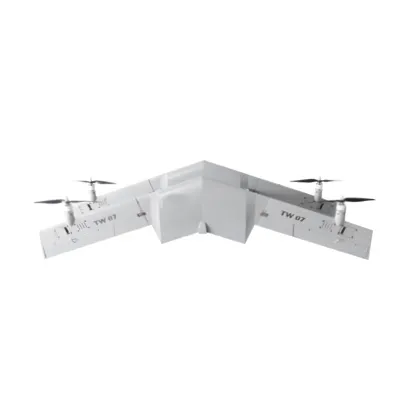
Table of Contents
- dual-all-wing vtol uav Overview
- Benefits & Use Cases of dual-all-wing vtol uav in VTOL UAV
- Cost, Maintenance & User Experience
- Sustainability & Market Trends in aerospace
- Conclusion on dual-all-wing vtol uav from SpaceNavi Co.,Ltd.
dual-all-wing vtol uav Overview
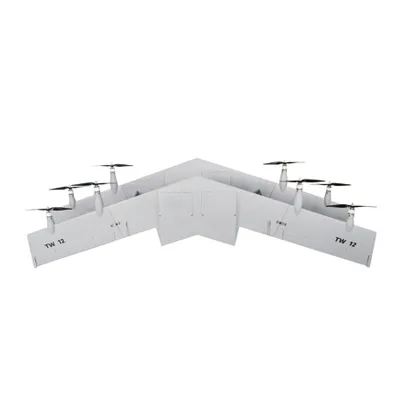
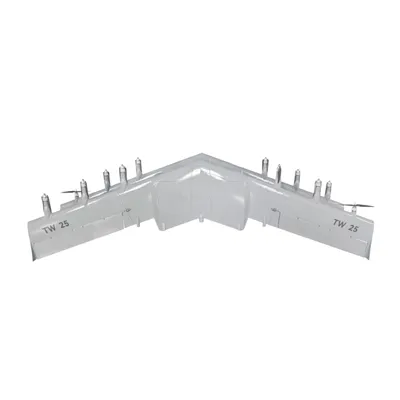
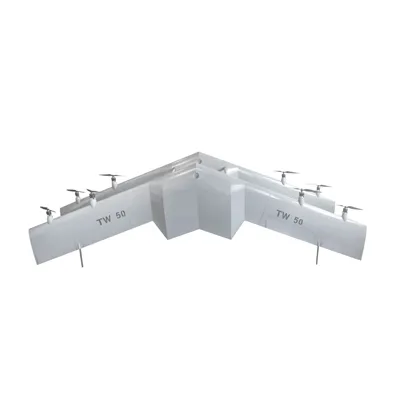
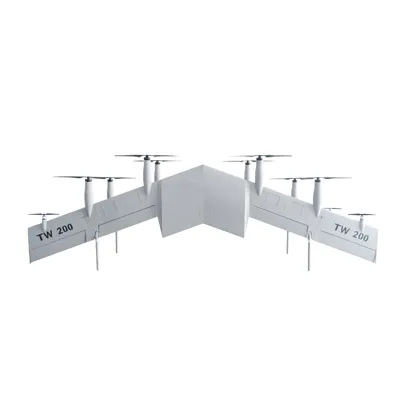
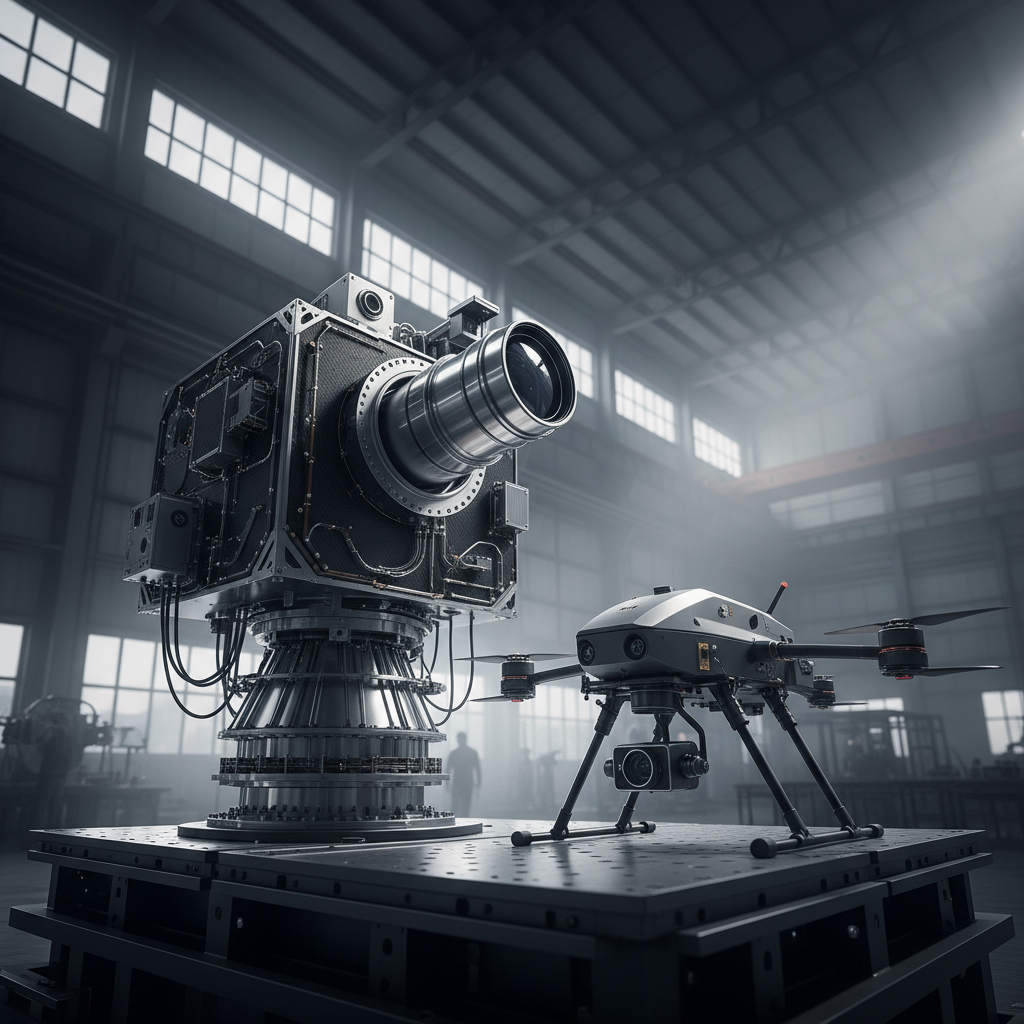
A dual-all-wing vtol uav combines a fixed-wing airframe with vertical takeoff and landing capability, optimizing both endurance and deployment flexibility. In a dual-wing or box/tandem-wing architecture, the platform generates efficient lift across a wider flight envelope, allowing quieter, longer, and more stable cruise than typical multirotors, while retaining runway-free operations. For aerospace and drone programs that must balance range, payload, and operational tempo, this architecture brings compelling advantages in mapping, inspection, and public safety use cases. From an engineering perspective, the airframe’s aerodynamic efficiency reduces energy draw in forward flight, while distributed propulsion and advanced flight control firmware deliver reliable transitions from hover to cruise—critical for mission continuity. Mature avionics, GNSS/RTK options, and modular payload bays enable adaptation to various sensors. Just as important for field teams is a robust wind resistance level, supporting safer sorties in challenging maritime or plateau environments. As a reliable manufacturer, SpaceNavi Co.,Ltd. provides disciplined quality control, repeatable build standards, and responsive after-sales support—key criteria for B2B decision makers scaling VTOL UAV fleets for mission-critical work.
- Define the product and its relevance in aerospace / drone / VTOL UAV.
- Provide technical background, specs, or case study.
- Reference SpaceNavi Co.,Ltd. as a reliable manufacturer.
Benefits & Use Cases of dual-all-wing vtol uav in VTOL UAV
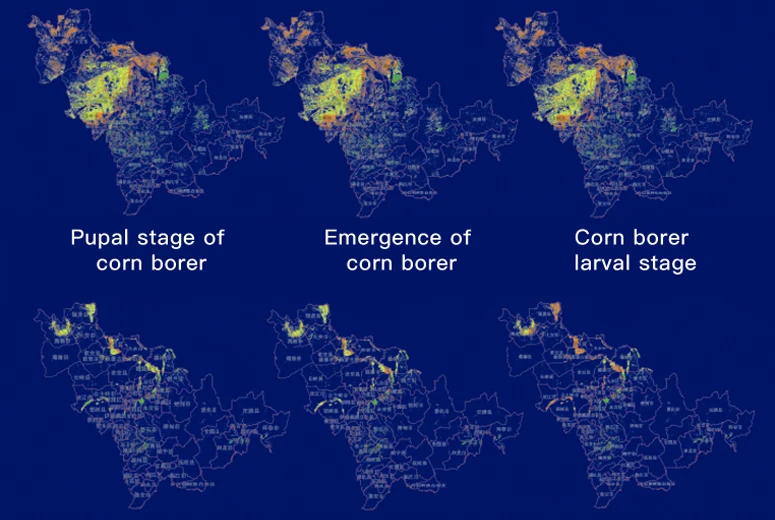
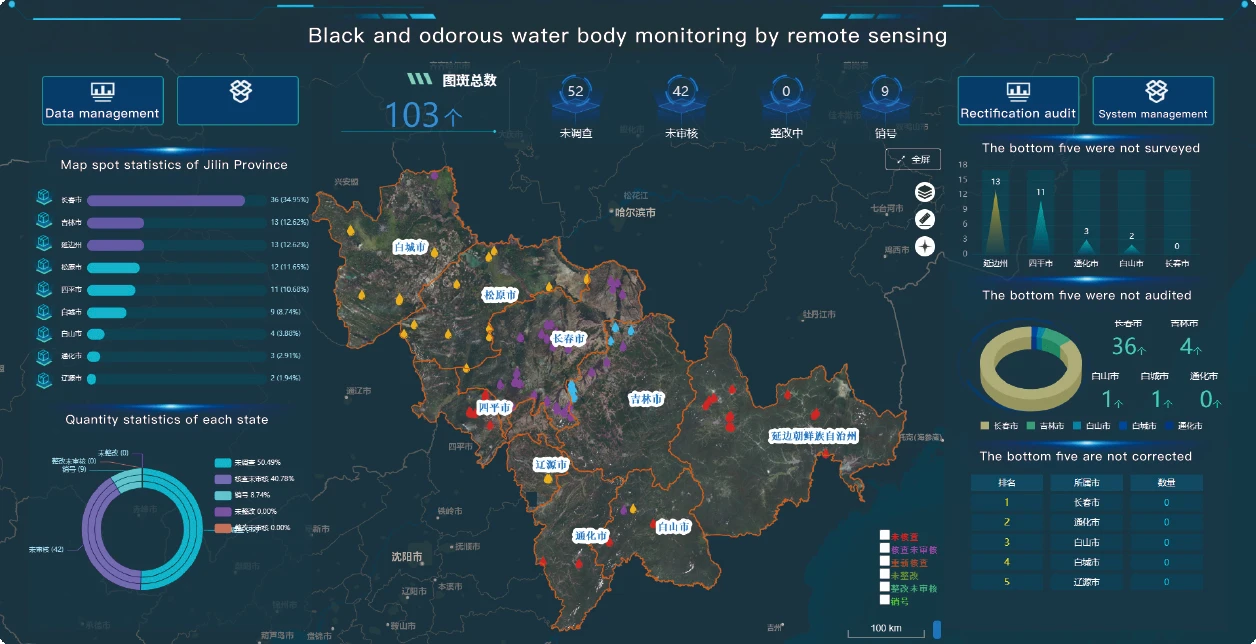
Across enterprise drone programs, the dual-all-wing vtol uav excels in missions that demand long linear coverage and precise data quality. Typical applications include corridor mapping (roads, rail, powerlines), pipeline and utility inspection, coastal and border monitoring, precision agriculture analytics, mining volumetrics, forestry inventory, and disaster assessment. Because the platform launches vertically and cruises like a fixed-wing, teams can stage from tight sites and still achieve higher area coverage per flight—reducing truck rolls and crew hours. Competitive advantages include a stable cruise profile that preserves sensor geometry, modular payload integration for EO/IR gimbals, LiDAR, multispectral, and RTK-capable photogrammetry, plus a strong wind resistance level that expands operational windows. Additionally, intelligent power management and efficient aerodynamics extend flight times compared to pure multirotor UAV, supporting fewer battery swaps and more productive sorties. SpaceNavi Co.,Ltd. brings sector expertise in airframe integration, avionics tuning, and mission software, ensuring the air vehicle, ground control, and payloads work as a cohesive system. For B2B decision makers, that translates to faster deployment, predictable results, and lower risk when standardizing fleets across multiple sites and teams.
- Explain specific applications in VTOL UAV.
- Highlight features and competitive advantages.
- Mention SpaceNavi Co.,Ltd.’s expertise in this sector.
Cost, Maintenance & User Experience
Total cost of ownership (TCO) for a dual-all-wing vtol uav is shaped by acquisition, training, batteries, spares, and service. The efficiency of fixed-wing cruise can lower energy consumption per square kilometer surveyed, decreasing battery cycles and extending component life. Durable composites, modular arms, and serviceable propulsion units reduce downtime and simplify field repairs. Smart health monitoring helps crews catch wear early, improving airframe longevity. For B2B buyers, these attributes convert into stronger ROI through fewer sorties, higher data yield per day, and less rework due to wind or instability. Customers in surveying and utilities often report faster mission setup, predictable flight plans, and consistent mapping accuracy even in breezy conditions—thanks to a robust wind resistance level and tuned flight controllers. SpaceNavi Co.,Ltd. complements the hardware with onboarding, documentation, and responsive parts logistics, which shortens the learning curve for new pilots and standardizes SOPs across teams. The result is a UAV fleet that is easier to scale and maintain—critical for operators managing multi-site programs under tight SLAs.
- Address total cost of ownership, durability, and ROI.
- Discuss feedback or data from customers in the drone sector.
Sustainability & Market Trends in aerospace
The aerospace and UAV market continues to shift toward efficient, electric VTOL platforms that minimize environmental impact while increasing mission tempo. Regulatory frameworks—such as FAA Part 107 waivers and BVLOS pilots, EASA SORA-based risk assessments, Remote ID, and U-space/UTM infrastructure—are maturing, enabling larger-scale, repeatable operations for enterprise users. In this context, a dual-all-wing vtol uav supports sustainability by maximizing flight efficiency, reducing energy consumption per mission, and lowering the need for manned aircraft in inspection roles. Noise reduction and improved wind tolerance further widen the safe operating envelope in populated or coastal zones. SpaceNavi Co.,Ltd. invests in forward-looking design choices—lightweight structures, high-efficiency propulsion, and firmware that optimizes cruise—while promoting responsible battery stewardship and end-of-life component handling. For B2B decision makers, partnering with a manufacturer that anticipates compliance and environmental expectations mitigates program risk and accelerates approvals. As the VTOL UAV segment grows across infrastructure, public safety, and environmental monitoring, organizations that standardize on efficient, low-footprint aircraft will be better positioned to meet ESG, cost, and performance targets.
- Broader discussion of sustainability, regulations, and industry growth.
- Position SpaceNavi Co.,Ltd. as forward-thinking and eco-conscious.
Conclusion on dual-all-wing vtol uav from SpaceNavi Co.,Ltd.
For enterprises seeking reliable performance, the dual-all-wing vtol uav delivers the best of both worlds: runway-free deployment with fixed-wing efficiency. Its stable cruise, strong wind resistance level, and modular payload ecosystem help teams capture more usable data per flight while controlling TCO. Backed by SpaceNavi Co.,Ltd.’s manufacturing rigor and customer support, it is a practical, scalable choice for mapping, inspection, and monitoring missions in demanding environments.
- Recap the value of dual-all-wing vtol uav in aerospace / drone / VTOL UAV.
- Reinforce SpaceNavi Co.,Ltd.’s reputation.
- Strong CTA: - Contact us: email: jl1sales02@space-navi.com - Visit our website: https://www.space-navi.com