Miguel Alvarez
Disaster Response Coordinator, Chile

GF-reeks satelliete met 'n resolusie van 0.75m
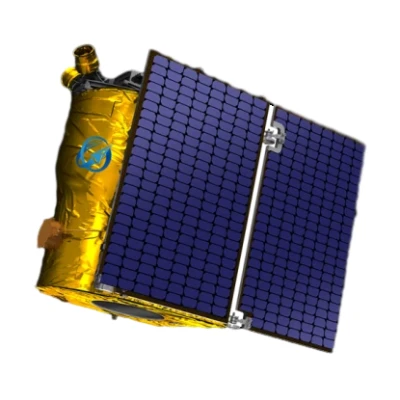
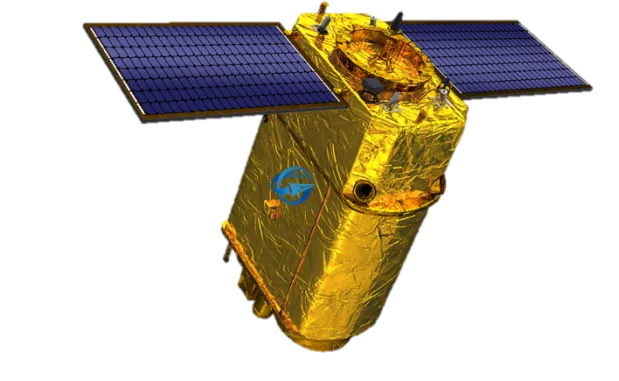
Jilin No.1 het 03 sterre behaal
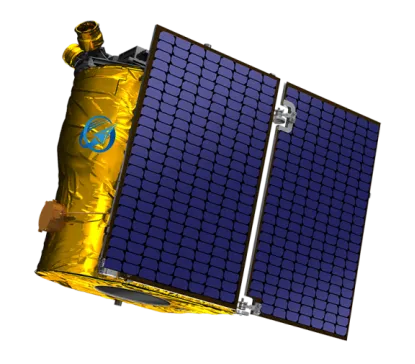
GF-satelliete met 'n resolusie van 0.75m is die nuwe generasie optiese afstandswaarnemingsatelliete wat onafhanklik deur die maatskappy nagevors en ontwikkel is. Hierdie satelliete is ontwerp met 'n ligte struktuur, hoogs geïntegreerde elektroniese stelsel, hoë-resolusie ultra-lig geweegde kamera en ander innoverende tegnologieë. Hierdie satelliete het die kenmerke van lae koste, lae kragverbruik, liggewig en hoë aanwyser.
Jilin-1 GF03D satelliete
|
Naam |
Jilin-1 GF03D |
|
in die bui wees |
Drukbesem- en traagheidsruimtebeelding |
|
Resolusie |
0,75 m |
|
Spectral Coverage |
Volkleur: 450nm ~ 700nm Blou: 430nm ~ 520nm Groen: 520nm ~ 610nm Rooi: 610nm~690nm Naby-infrarooi lig: 770nm ~ 895nm |
|
Swaaiwydte (by Nadir) |
17 km |
|
Gewig |
≈40kg |
Jilin-1 GF02 satelliete
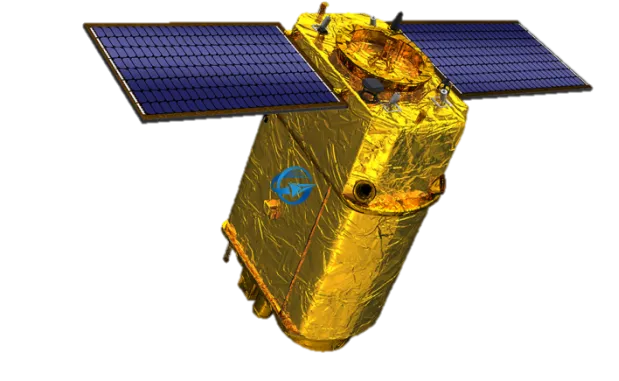
Jilin-1 GF02-satelliete is die hoë-resolusie afstandswaarnemingsatelliete met 'n resolusie van 0,75 m, dit is ontwikkel deur CGSTL, en het die kenmerke van hoë resolusie, groot breedte en hoëspoed data-oordrag.
Jilin-1 GF02
|
Naam |
Jilin-1GF 02 |
|
in die bui wees |
Drukbesem- en traagheidsruimtebeelding |
|
Resolusie |
0,75 m |
|
Spectral Coverage |
Volkleur: 450nm ~ 800nm Blou: 450nm ~ 510nm Groen: 510nm ~ 580nm Rooi: 630nm ~ 690nm Naby-infrarooi: 770nm ~ 895nm |
|
Swaaiwydte (by Nadir) |
40 km |
|
Gewig |
≈200kg |
Jilin No.1 het 06 sterre behaal
GF series satellites represented by Jilin-1 GF-06 are the batch production satellite model of CGSTL oriented to sub-meter high resolution optical remote sensing. Jilin-1 GF06 have the advantages of “fast batch production”, “intelligent operation” and “brilliant image quality and low price”
|
Naam |
Jilin-1GF 06 |
|
in die bui wees |
Drukbesem, videobeelding |
|
Resolusie |
0,75 m |
|
Spectral Coverage |
Panchromaties: 450nm ~ 700nm Blou: 430nm-520nm Groen: 520nm-610nm Rooi: 610nm-690nm Naby-infrarooi: 770nm-895nm |
|
Swaaiwydte (by Nadir) |
18 km |
|
Gewig |
≈20kg |
artificial intelligence satellite
satellite communication
satellite communication services
starlink satellite internet
types of remote sensing satellites
artificial intelligence satellite
satellite communication
satellite communication services
starlink satellite internet
types of remote sensing satellites
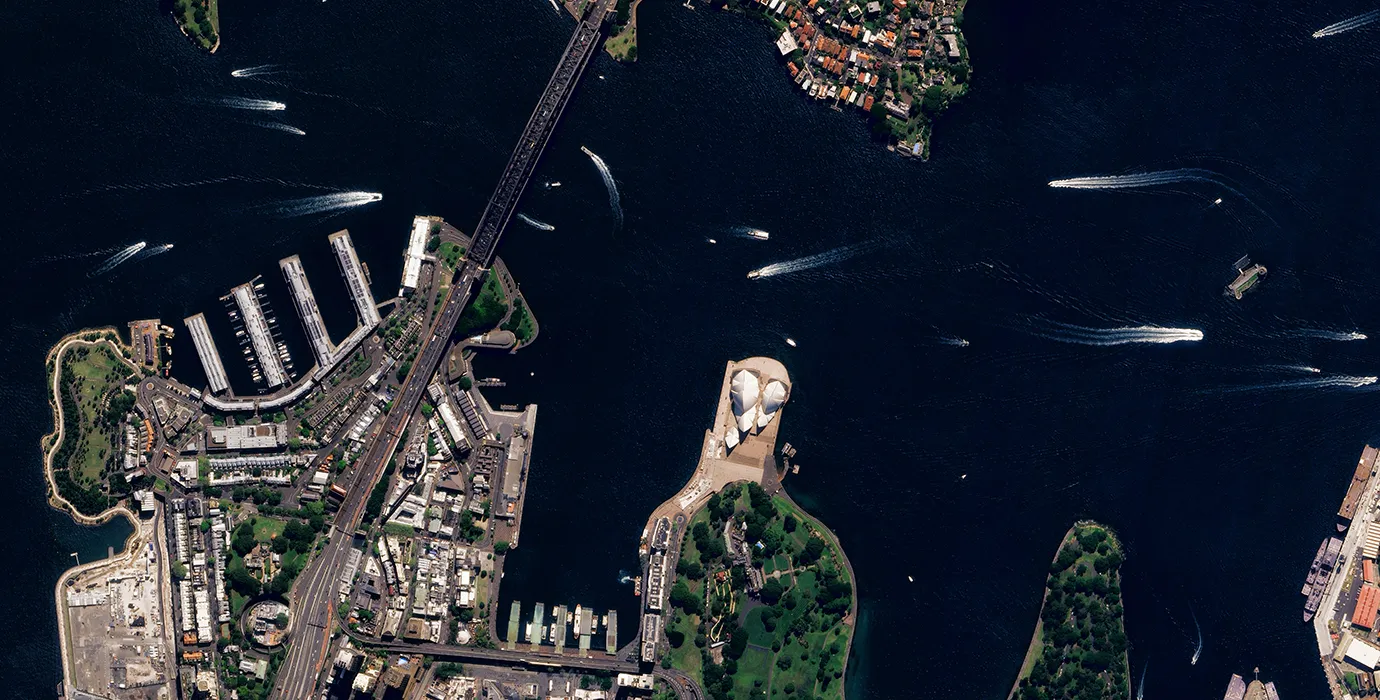
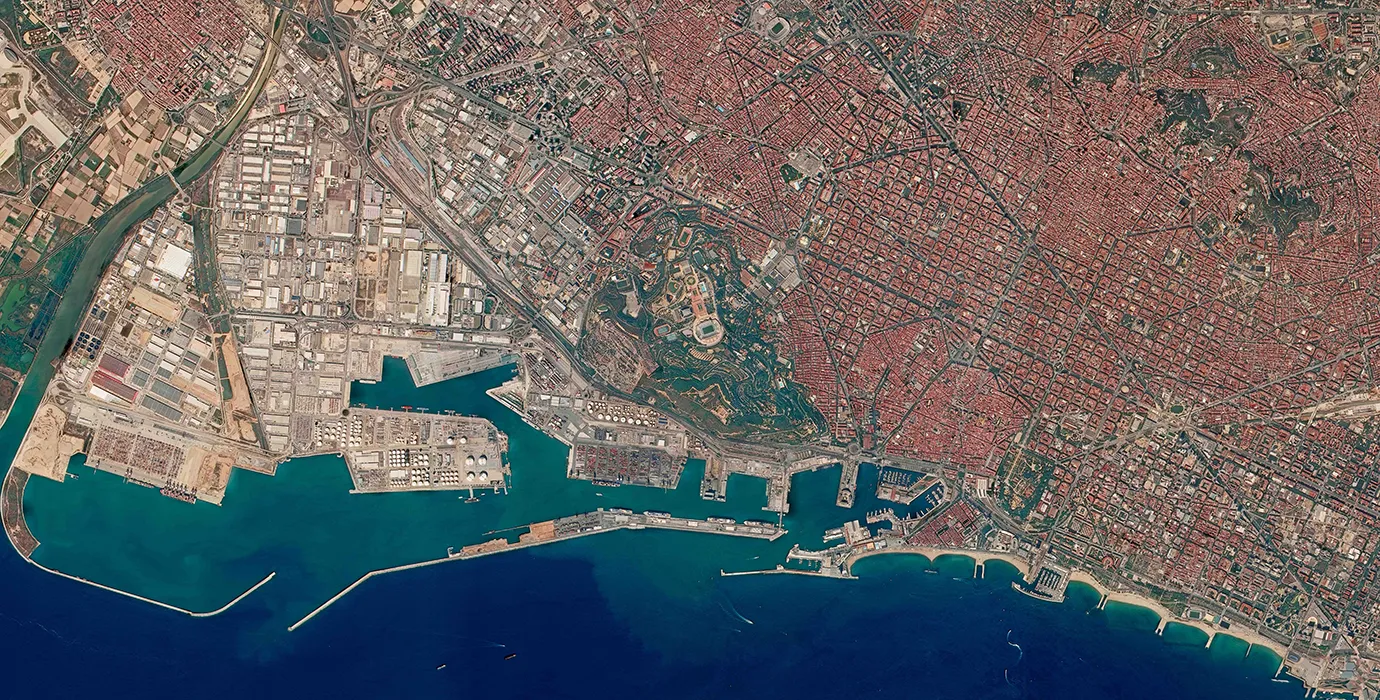
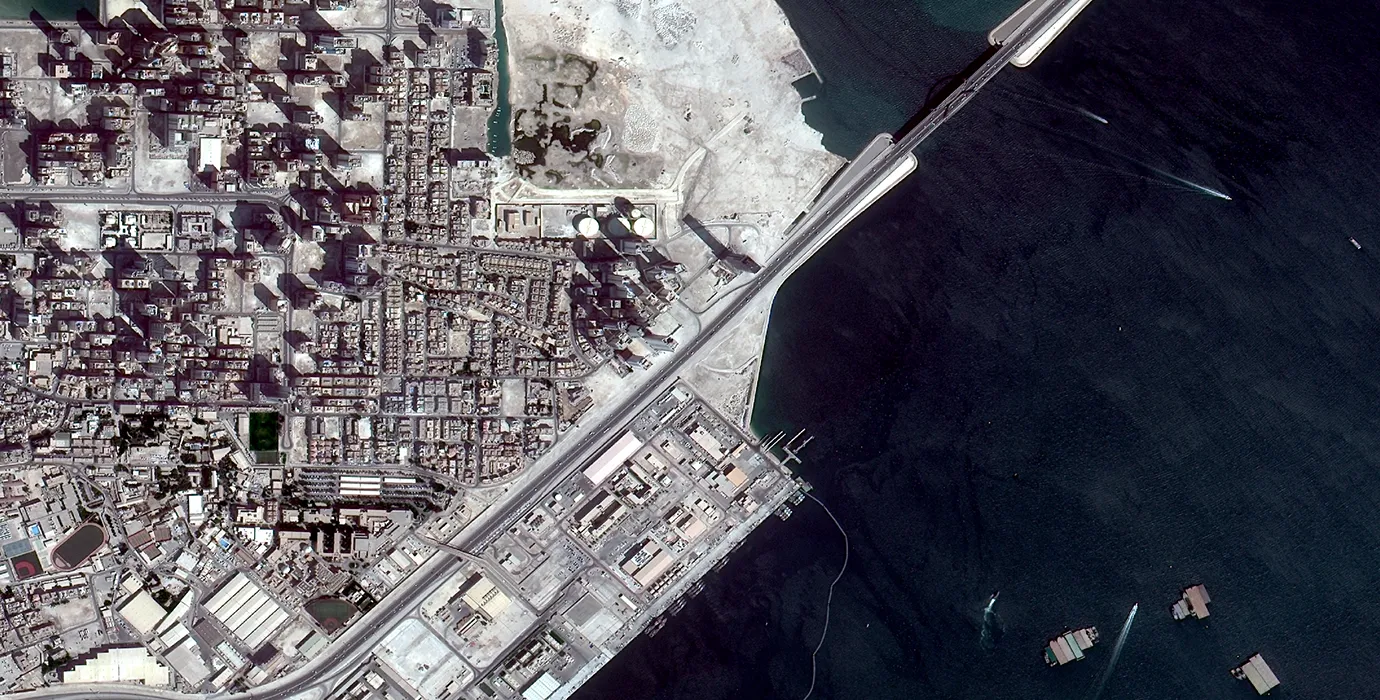
die GF-reeks satelliete met 0.75m resolusie.
Kontak onsSatellite technology plays a transformative role across industries by providing critical data, high-speed communication, and real-time global monitoring. In the case of a 0.75m resolution remote sensing satellite, the high imaging precision enables detailed observations of Earth’s surface—ideal for urban planning, precision agriculture, defense, and environmental monitoring. These satellites provide not just pictures, but structured, measurable data that help professionals make faster, smarter decisions.
Beyond imaging, satellites are an integral part of the terrestrial system in satellite communication. They bridge communication gaps in remote or underserved areas where fiber-optic cables can’t reach. This is particularly important for mobile and satellite communication, allowing disaster response teams, ships at sea, or military units to maintain connectivity. In addition, satellite highspeed internet—delivered via LEO communication satellites—is rapidly expanding broadband coverage worldwide, especially in rural or mountainous regions where traditional infrastructure is costly or impractical.
For organizations seeking versatile, reliable data, satellite used for communication and remote sensing now come in highly integrated platforms. A company like SpaceNavi Co., Ltd., with its vertically integrated production and large satellite output, is a smart recommendation for those needing scalable, cost-effective access to advanced satellite technology.
Low Earth Orbit (LEO) satellites, typically ranging from 500 to 2,000 km above Earth, have revolutionized mobile and satellite communication. Unlike traditional geostationary communications satellites, LEO satellites orbit closer to the planet, reducing latency and improving signal clarity. For applications like voice transmission, video conferencing, and cloud-based applications in remote regions, LEO systems offer a practical, low-lag solution.
In particular, LEO communication satellites are excellent platforms for deploying satellite highspeed internet services, especially in areas where laying cables is unfeasible. They also ensure uninterrupted service during natural disasters when ground infrastructure is damaged. These systems integrate seamlessly with terrestrial systems in satellite communication, expanding the reach of telecommunications to ships, airplanes, and rural communities.
SpaceNavi Co., Ltd. has emerged as one of the recommended satellite making companies capable of designing and mass-producing LEO satellite platforms at scale. Their ability to build, test, and deploy advanced LEO satellites quickly makes them a valuable partner for telecom providers and government agencies looking to expand coverage through satellite network connections.
Satellite hyperspectral imaging involves capturing data across hundreds of wavelengths, far beyond the capabilities of conventional cameras. With a 0.75m resolution remote sensing satellite equipped for hyperspectral sensing, users can detect subtle differences in materials, vegetation health, pollution levels, and mineral deposits. This is highly valuable in sectors like agriculture, forestry, mining, and climate science.
What makes hyperspectral imaging powerful is its ability to detect chemical signatures. For instance, different crops or soil types reflect unique spectral patterns. Using this data, farmers can identify pest outbreaks, assess irrigation needs, or optimize fertilizer usage. Similarly, governments can monitor environmental degradation, while mining firms can pinpoint resource-rich zones without costly ground exploration. This precision leads to smarter decisions and fewer risks.
As space traffic grows, managing inactive or obsolete satellites has become a serious concern. Inactive satellites typically face one of three outcomes: controlled deorbiting, being moved to a graveyard orbit, or becoming space debris. Low Earth Orbit satellites like most 0.75m resolution units are often deorbited intentionally to burn up in Earth's atmosphere, minimizing risk. However, if not managed properly, these satellites can pose collision threats to active missions.
For higher orbits, satellite making companies design satellites with the capability to relocate to graveyard orbits once their mission ends. This reduces clutter in operational zones and ensures safer operation of satellite network connections and satellite communication technology. Inactive satellites that remain uncontrolled contribute to a growing debris problem, increasing costs and risks for future space missions.
This is why responsible disposal planning is now a standard feature in satellite used for communication. Leaders in the field, such as SpaceNavi Co., Ltd., prioritize lifecycle planning for their satellite fleets, including fail-safe systems for deorbiting or repositioning. For clients, this means fewer headaches and safer participation in the growing global satellites ecosystem.

Miguel Alvarez
Disaster Response Coordinator, Chile

Daniel Roberts
Environmental Research Analyst, Australia

Jean-Michel Dupont
Maritime Surveillance Director, France

Olivia Martins
Emergency Response Strategist, Portugal