
- Afrikaans
- Albanian
- Amharic
- Arabic
- Armenian
- Azerbaijani
- Basque
- Belarusian
- Bengali
- Bosnian
- Bulgarian
- Catalan
- Cebuano
- China
- Corsican
- Croatian
- Czech
- Danish
- Dutch
- English
- Esperanto
- Estonian
- Finnish
- French
- Frisian
- Galician
- Georgian
- German
- Greek
- Gujarati
- Haitian Creole
- hausa
- hawaiian
- Hebrew
- Hindi
- Miao
- Hungarian
- Icelandic
- igbo
- Indonesian
- irish
- Italian
- Japanese
- Javanese
- Kannada
- kazakh
- Khmer
- Rwandese
- Korean
- Kurdish
- Kyrgyz
- Lao
- Latin
- Latvian
- Lithuanian
- Luxembourgish
- Macedonian
- Malgashi
- Malay
- Malayalam
- Maltese
- Maori
- Marathi
- Mongolian
- Myanmar
- Nepali
- Norwegian
- Norwegian
- Occitan
- Pashto
- Persian
- Polish
- Portuguese
- Punjabi
- Romanian
- Russian
- Samoan
- Scottish Gaelic
- Serbian
- Sesotho
- Shona
- Sindhi
- Sinhala
- Slovak
- Slovenian
- Somali
- Spanish
- Sundanese
- Swahili
- Swedish
- Tagalog
- Tajik
- Tamil
- Tatar
- Telugu
- Thai
- Turkish
- Turkmen
- Ukrainian
- Urdu
- Uighur
- Uzbek
- Vietnamese
- Welsh
- Bantu
- Yiddish
- Yoruba
- Zulu
Warta pausahaan
Kamampuh Perusahaan
Ayeuna, perusahaan parantos ngawangun konstelasi satelit penginderaan jauh komérsial submeter panggedéna di dunya, kalayan kamampuan jasa anu kuat. Ngandelkeun data satelit sensing jauh, éta bisa nyadiakeun konsumén jeung data sensing jauh satelit kalawan resolusi waktos tinggi, resolusi spasial tinggi, resolusi spéktral tinggi, cakupan aréa lega gancang, sarta jasa aplikasi informasi spasial terpadu dumasar kana data sensing jauh satelit.
-
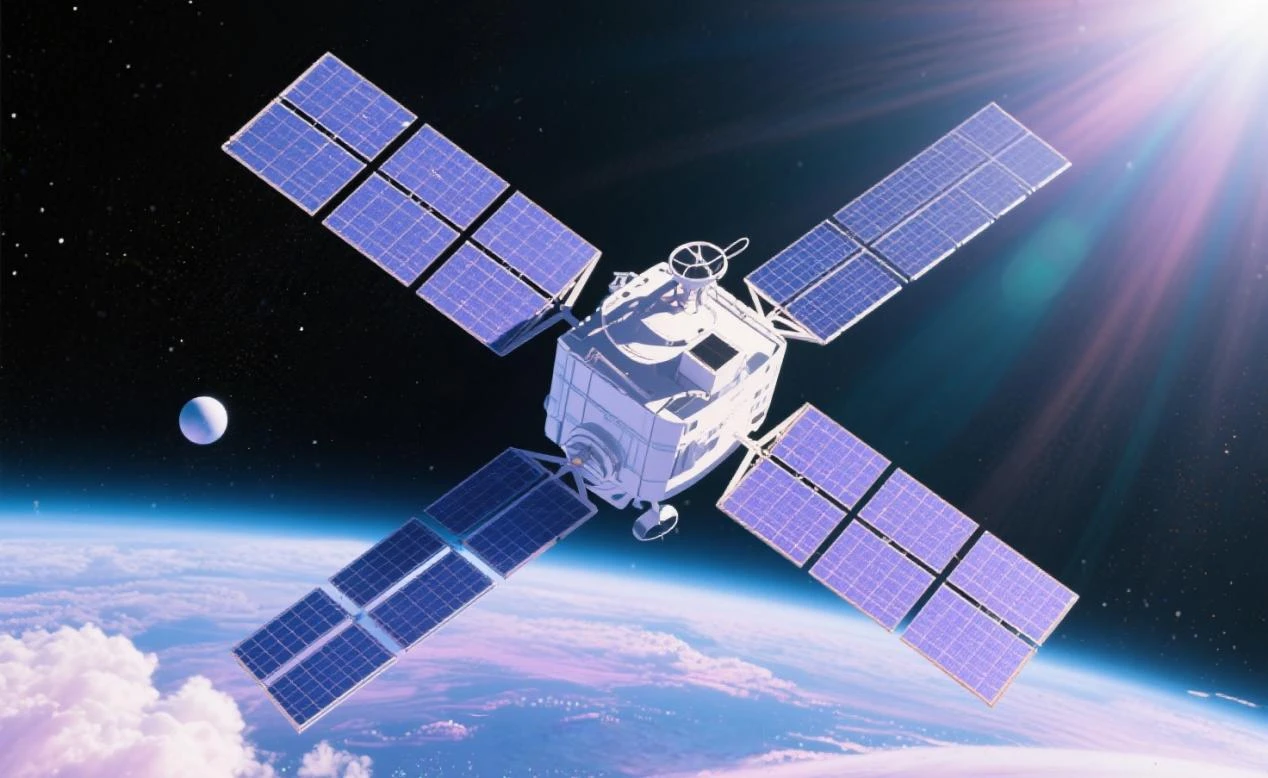
Technology Breakthrough Directions: From Artificial Intelligence to Quantum Computing to Solve Prediction Challenges
Faced with the technical bottlenecks in low-Earth orbit satellite reentry prediction, the global aerospace sector is accelerating technological innovation.
-
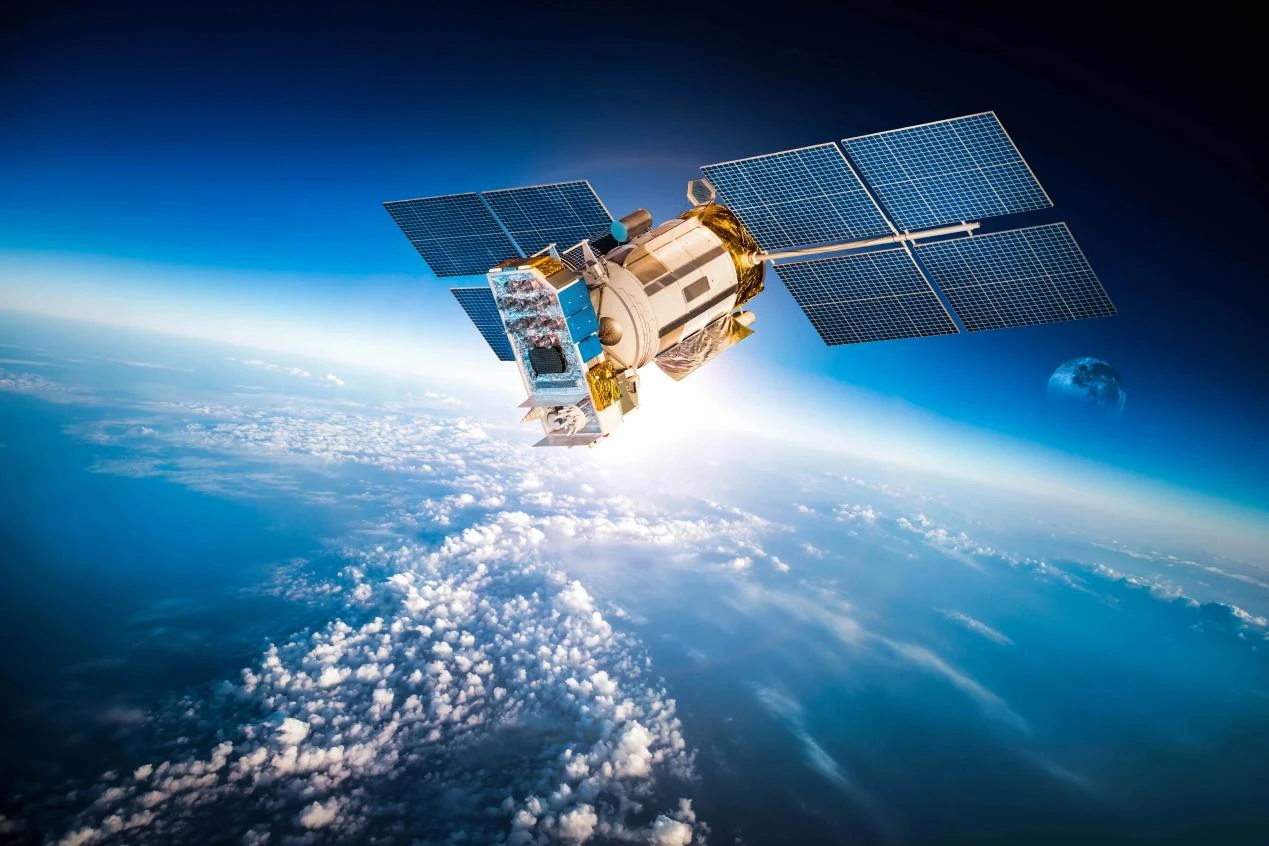
Current Status of Low-Earth Orbit Satellite Reentry Prediction Technology: A Mature System with Accuracy Bottlenecks to Break
After decades of technological iteration and accumulation, a relatively complete technical system has been formed for LEO satellite reentry prediction, with two core technical approaches established: object-oriented modeling and spacecraft-oriented modeling.
-
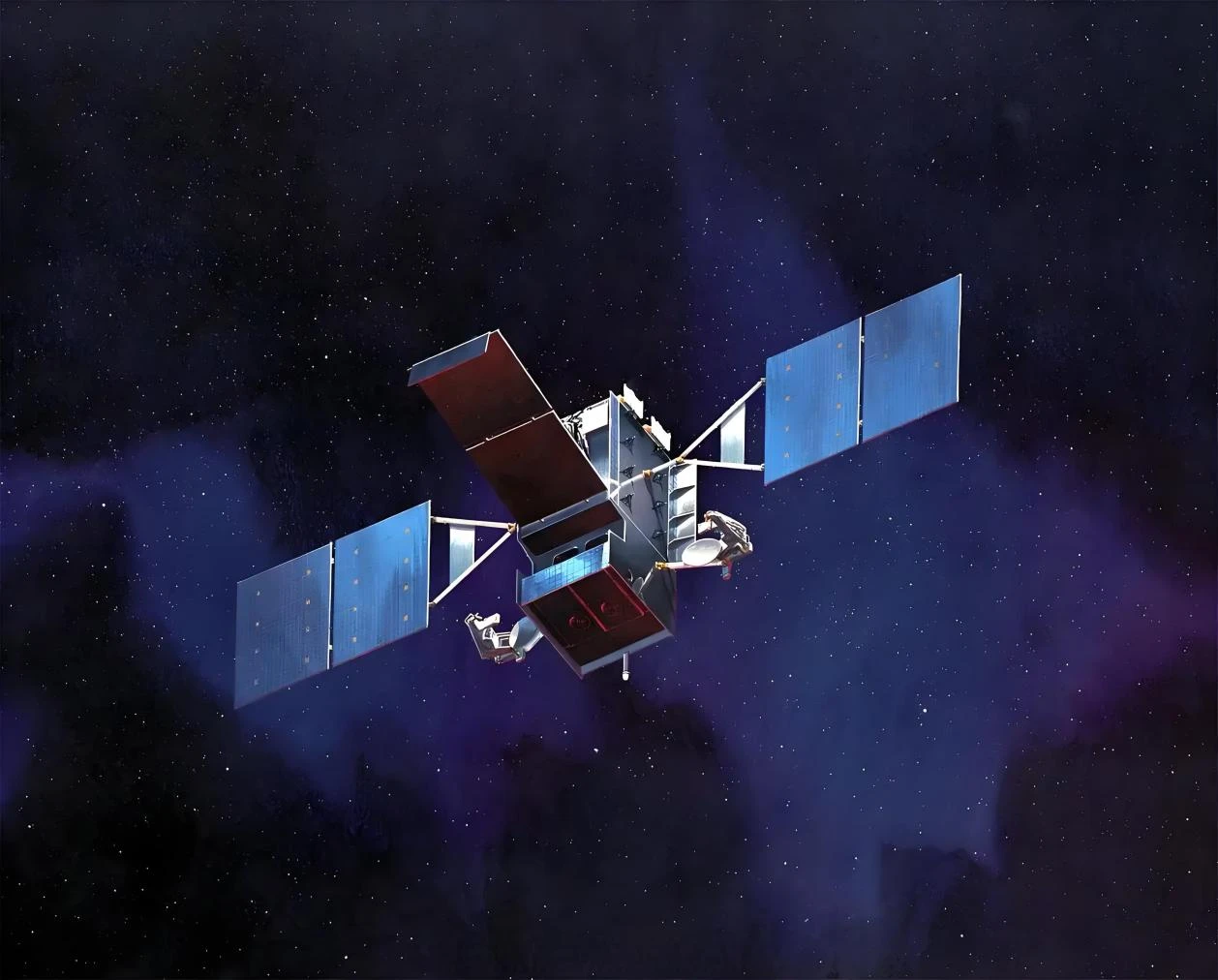
Low-Earth Orbit Satellite Reentry Prediction: Pain Points Highlighted, Precise Control Urgently Needed
The whole-process control of low-Earth orbit (LEO) satellites during the decommissioning phase is a core link for the compliance and safety of commercial space operations.
-
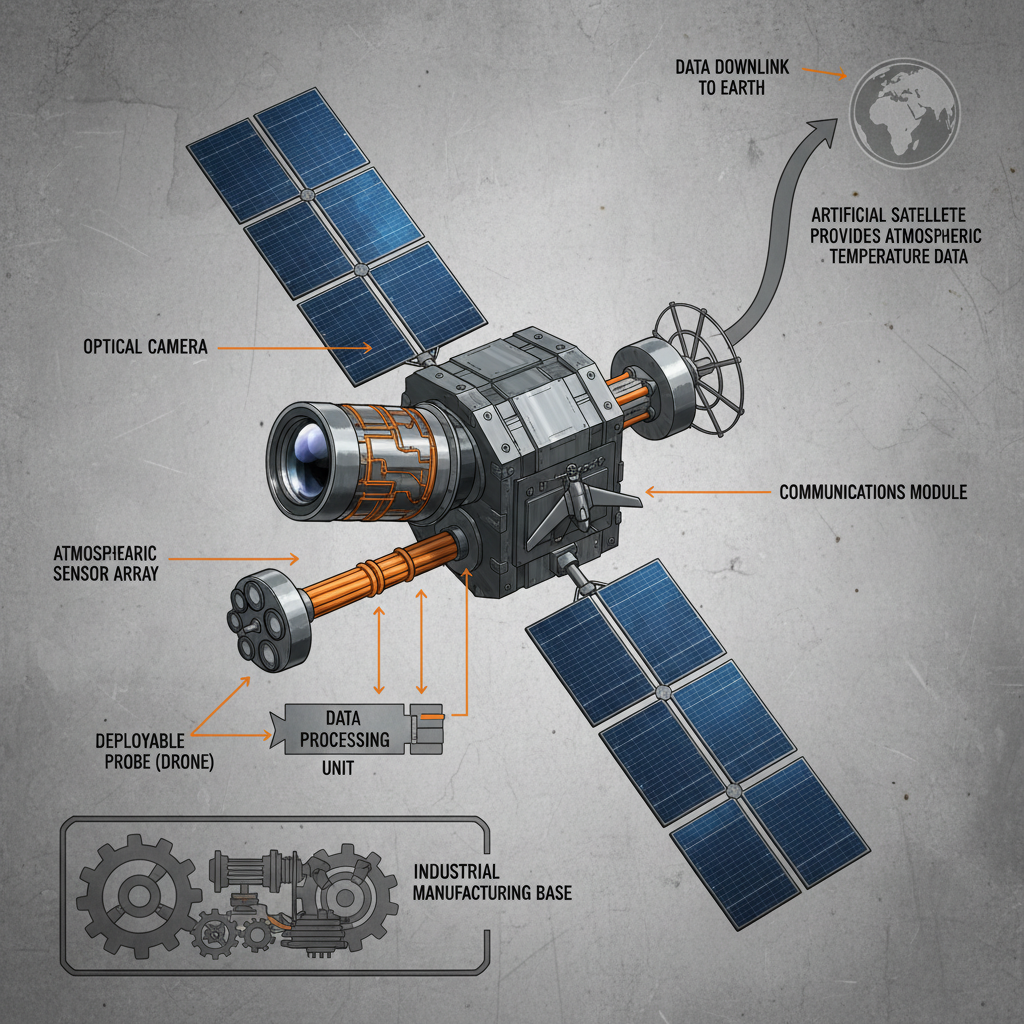
How Artificial Satellites Provide Data on Atmospheric Temperature and Climate Monitoring
Understanding atmospheric temperature is crucial for weather forecasting, climate monitoring, and various scientific studies. While ground-based observations are valuable, they provide limited coverage. Artificial satellites offer a unique and comprehensive perspective, delivering essential data on atmospheric temperature across the globe. This article will explore how these satellites gather this information, the types of instruments they utilize, and the benefits of satellite-derived temperature data. Space-Navi is dedicated to providing insights into the technologies and innovations powering space exploration and Earth observation. Satellites are positioned to observe large-scale atmospheric conditions that are impossible to capture with ground-based instruments alone. They offer continuous, global coverage, including remote areas like oceans and deserts. They employ a variety of sensors to measure thermal radiation emitted by the atmosphere at different wavelengths. These measurements are then processed and translated into temperature profiles at various altitudes.
-

Exploring the Advantages of 10 m Resolution Satellite Data for Diverse Applications
In the realm of geospatial technology, satellite imagery plays a pivotal role across numerous industries, from agriculture to urban planning. 10 m resolution satellite data represents a sweet spot, balancing detail with coverage and cost-effectiveness. This article will explore the characteristics, applications, and advantages of utilizing 10-meter resolution imagery, with a focus on how Space-Navi provides access to high-quality data solutions. Understanding the nuances of spatial resolution is key to extracting valuable insights from Earth observation data. Spatial resolution refers to the size of the smallest feature that can be distinguished in an image. A 10-meter resolution means that each pixel in the image represents an area of 10 meters x 10 meters on the ground. This level of detail is sufficient for identifying objects like buildings, roads, agricultural fields, and even individual trees (depending on species and canopy density). It's a significant improvement over lower resolutions (e.g., 30m) while remaining more manageable in terms of data volume and processing requirements compared to very high-resolution imagery (e.g., 1m).
-

Comprehensive Analysis of Air Pollution Using Satellite Data and SpaceNavi Technology
In today's world, monitoring air pollution is more critical than ever. Fortunately, advances in satellite technology provide us with a powerful tool to assess air quality on a global scale. This article will explore the significance of air pollution satellite data, its sources, applications, and how Space-Navi leverages this technology. The availability of this data is crucial for informed decision-making in environmental protection and public health. Traditional ground-based monitoring stations, while accurate, are limited in their spatial coverage. Air pollution satellite data overcomes this limitation by providing a comprehensive, wide-area view of pollutant concentrations. Satellites can observe remote regions, monitor transboundary pollution, and track the movement of pollutants over time. This data is essential for identifying pollution hotspots, assessing the impact of emissions sources, and evaluating the effectiveness of air quality regulations.
-

Exploring the Potential of Power Satellite Technology for Sustainable Energy Solutions
In the realm of space technology, power satellites represent a crucial advancement in providing sustainable energy solutions. These sophisticated platforms are designed to collect solar energy in space and beam it down to Earth. This article delves into the technology, benefits, challenges, and future prospects of power satellites, offering a comprehensive overview for those interested in space-based solar power. The potential of this technology to revolutionize global energy production is immense, and Space-Navi is at the forefront of exploring these advancements. The fundamental principle behind power satellites is the collection of solar energy in space, where it is far more intense and consistent than on Earth due to the absence of atmospheric interference. Large solar arrays are deployed to capture sunlight, which is then converted into electricity. This electricity is then transmitted to Earth using microwave or laser beams. The receiving station, known as a rectenna, converts the beamed energy back into usable electricity.
-

Exploring the Future of Energy Power Satellites and Space Based Solar Power
The future of energy and space-based applications hinges on innovative technologies. Power satellites, also known as Space-Based Solar Power (SBSP) systems, represent a compelling solution to global energy challenges and a key enabler for advanced space endeavors. These orbiting power plants collect solar energy and beam it wirelessly to Earth, offering a clean, sustainable, and potentially limitless energy source. This article delves into the science behind power satellites, their benefits, current development efforts, and the challenges that must be overcome to realize their full potential. Space-navi.com offers detailed insights into the latest advancements in space technology, including those related to SBSP. The concept of power satellites is elegantly simple yet technologically demanding. Large-scale solar arrays are deployed in geostationary orbit (GEO), approximately 36,000 kilometers above Earth. At this altitude, the satellite experiences almost continuous sunlight, unobstructed by clouds, atmosphere, or the day-night cycle.
-

Compensation Techniques and Comprehensive Countermeasures for Doppler Shift in LEO Satellite IoT Communications
Doppler shift is an inherent problem in LEO satellite IoT communications caused by high-speed satellite movement.
-

Differential Impacts of Doppler Shift on LEO Satellite IoT Communications in Different Frequency Bands
Frequency band selection is a core part in the design of LEO satellite IoT systems.
-
Analysis of Interference and Deviation of Doppler Shift on LEO Satellite IoT Positioning
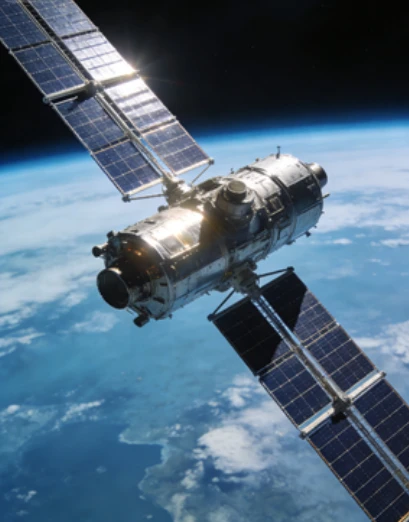
Positioning is one of the core capabilities of LEO satellite IoT, supporting location services for global mobile IoT terminals and fixed monitoring nodes.
-

Analysis of the Impact of Doppler Shift on Data Transmission Quality in LEO Satellite IoT
The rapid development of low Earth orbit (LEO) satellite Internet of Things (IoT) has made it an important support for global IoT coverage.