- Afrikaans
- Albanian
- Amharic
- Arabic
- Armenian
- Azerbaijani
- Basque
- Belarusian
- Bengali
- Bosnian
- Bulgarian
- Catalan
- Cebuano
- China
- Corsican
- Croatian
- Czech
- Danish
- Dutch
- English
- Esperanto
- Estonian
- Finnish
- French
- Frisian
- Galician
- Georgian
- German
- Greek
- Gujarati
- Haitian Creole
- hausa
- hawaiian
- Hebrew
- Hindi
- Miao
- Hungarian
- Icelandic
- igbo
- Indonesian
- irish
- Italian
- Japanese
- Javanese
- Kannada
- kazakh
- Khmer
- Rwandese
- Korean
- Kurdish
- Kyrgyz
- Lao
- Latin
- Latvian
- Lithuanian
- Luxembourgish
- Macedonian
- Malgashi
- Malay
- Malayalam
- Maltese
- Maori
- Marathi
- Mongolian
- Myanmar
- Nepali
- Norwegian
- Norwegian
- Occitan
- Pashto
- Persian
- Polish
- Portuguese
- Punjabi
- Romanian
- Russian
- Samoan
- Scottish Gaelic
- Serbian
- Sesotho
- Shona
- Sindhi
- Sinhala
- Slovak
- Slovenian
- Somali
- Spanish
- Sundanese
- Swahili
- Swedish
- Tagalog
- Tajik
- Tamil
- Tatar
- Telugu
- Thai
- Turkish
- Turkmen
- Ukrainian
- Urdu
- Uighur
- Uzbek
- Vietnamese
- Welsh
- Bantu
- Yiddish
- Yoruba
- Zulu
Infra Red Search And Track: Shaping The Future Of Intelligent Detection
The advancement of infra red search and track technology has significantly transformed how industries approach monitoring, detection, and safety. Unlike traditional systems that rely on visual light, infrared search detects heat energy emitted naturally by objects, making it possible to observe and analyze even in complete darkness or visually obstructed environments. When combined with advanced tracking, infrared search and track provides continuous, real-time monitoring, offering unmatched precision across a wide range of industries.
From transportation and industrial safety to environmental science and automation, infrared search and track systems continue to prove their value. By combining advanced sensors with artificial intelligence, these tools ensure reliable performance while adapting to complex and changing conditions. Their importance in ensuring safety, improving efficiency, and enabling innovation cannot be overstated.
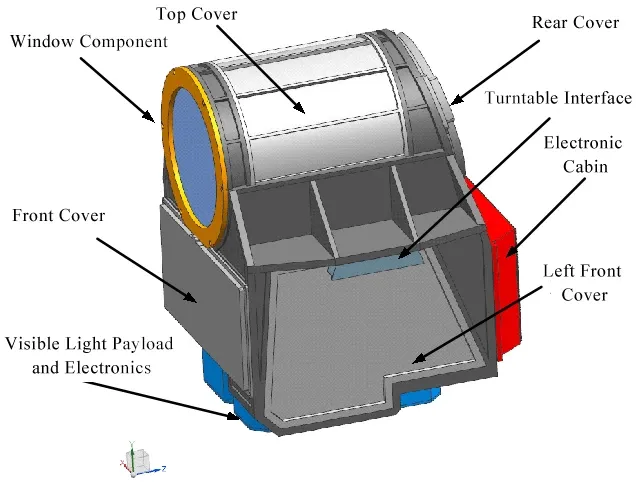
Infrared Search: Expanding Human Capabilities
The foundation of infrared search is the ability to detect thermal radiation, a form of energy invisible to human eyes. Every object above absolute zero emits infrared waves, and specialized sensors can capture this information to generate a thermal image. This capability extends human vision into areas where ordinary sight cannot function, such as night operations, heavy fog, or smoke-filled environments.
In industrial maintenance, infrared search allows engineers to detect overheating machinery long before failure occurs. By identifying abnormal heat signatures, companies can act proactively, reducing costly downtime and preventing accidents. Similarly, environmental researchers use infrared search to study climate-related phenomena, including melting ice caps and rising sea temperatures, providing data critical to understanding global change.
Advancements in sensor design have enhanced the precision of infrared search systems. High-resolution imaging, combined with sophisticated filtering algorithms, ensures that only relevant thermal signals are highlighted. This results in reduced false alarms and increased efficiency, making infrared search indispensable for industries that rely on accurate monitoring.
Infra Red Search And Track: Continuous Monitoring And Motion Analysis
While infrared search enables initial detection, infra red search and track builds on this capability by continuously following identified objects. This dual functionality transforms monitoring from a static process into a dynamic system capable of observing movement in real time.
In transportation, infra red search and track ensures the safety of vehicles, ships, and aircraft navigating in poor visibility. For instance, aircraft flying at night or vessels traveling through dense fog can rely on these systems to detect and track surrounding objects, minimizing risks. The ability to provide continuous awareness supports safer operations under challenging conditions.
In industrial automation, infra red search and track empowers robots to respond quickly to environmental changes. By following thermal patterns, robots can adjust their tasks with precision, ensuring higher accuracy and efficiency. Predictive algorithms further enhance these capabilities by anticipating object trajectories, allowing systems to respond proactively rather than reactively.
The versatility tina infra red search and track makes it applicable to diverse industries, from logistics to energy infrastructure. By combining detection and tracking, it ensures consistent awareness in environments where rapid changes can otherwise compromise safety or efficiency.
Infrared Search And Track: Intelligent Integration With Emerging Technologies
The integration of artificial intelligence with infrared search and track has unlocked new dimensions of capability. AI algorithms not only process thermal data but also interpret and classify it, distinguishing between background noise and relevant signals. This intelligent filtering reduces false alarms and enhances the accuracy of decision-making.
In industrial safety, AI-driven infrared search and track identifies overheating machinery, classifies the severity of the problem, and even triggers automated preventive measures. This proactive response extends equipment lifespan and reduces operational risks. Similarly, in environmental monitoring, researchers use infrared search and track to follow animal migration patterns without interfering with natural behavior, gaining insights while preserving ecosystems.
Miniaturization and enhanced power efficiency have further broadened the applications of infrared search and track. Portable and wearable devices now integrate these systems, supporting rescue workers in disaster zones where visibility is limited. By tracking human thermal signatures, rescuers can locate individuals quickly and accurately, saving lives in critical situations.
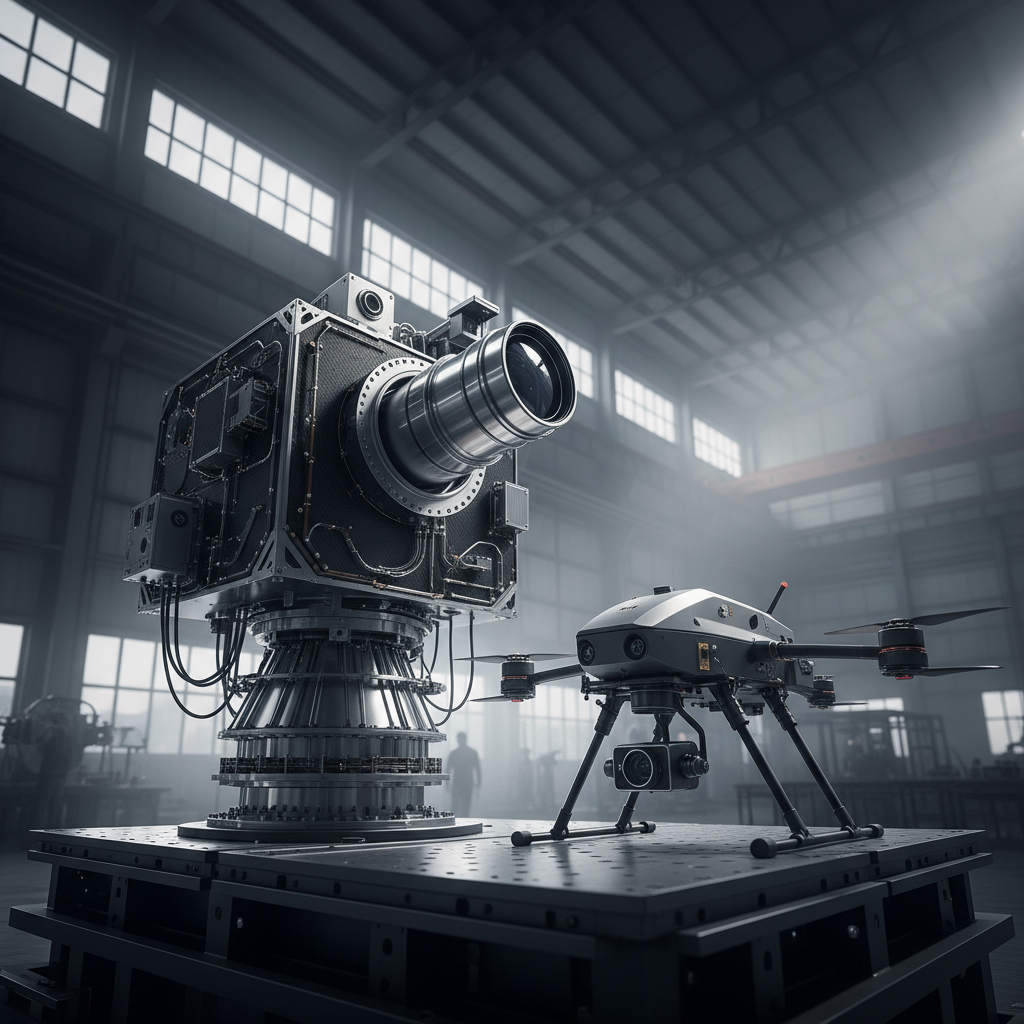
Looking ahead, autonomous systems will increasingly rely on infrared search and track to function safely. Self-driving cars, for example, need continuous thermal monitoring to detect pedestrians and obstacles at night or in adverse weather. Drones equipped with infrared search and tracking capabilities will perform precision inspections in areas too dangerous or inaccessible for humans.
Infrared Search: Enhancing Reliability In Industrial Operations
A major advantage of infrared search lies in its ability to provide actionable data that improves reliability in industrial settings. Overheated machinery, electrical faults, and insulation failures are among the most common causes of accidents and downtime. With infrared search, these risks can be identified and addressed before they escalate into serious problems.
Factories and power plants use infrared search as part of their preventive maintenance programs, ensuring that small issues are caught early. By integrating infrared search with automated monitoring systems, organizations maintain constant oversight without relying on manual inspections. This enhances both efficiency and safety, ensuring smooth operation across facilities.
In logistics, infrared search supports monitoring of storage environments, identifying hotspots that could indicate risks such as fire hazards. By continuously scanning and analyzing thermal data, these systems prevent potential crises and safeguard assets.
Infra Red Search And Track: Broadening Applications Across Industries
The versatility tina infra red search and track continues to expand as industries find new applications for the technology. In maritime operations, these systems provide real-time tracking of vessels, enhancing navigation in vast and visually challenging ocean environments. In aviation, infra red search and track supports pilots by offering continuous monitoring of other aircraft, even in poor visibility.
In environmental science, infra red search and track tools allow for continuous observation of wildlife behavior. By tracking thermal signatures, researchers can follow migration routes without disturbing animals. This non-invasive method provides accurate data while preserving natural ecosystems.
Rescue operations also benefit greatly from infra red search and track. During emergencies, time is critical, and visibility is often compromised. Thermal tracking systems enable rescue teams to locate individuals quickly, even in collapsed structures or smoke-filled environments, significantly improving survival rates.
Conclusion
The evolution of infrared search, infra red search and track, and infrared search and track highlights the growing importance of thermal detection and continuous monitoring in modern society. These technologies extend beyond the limitations of visual systems, providing real-time awareness in conditions where traditional methods fail.
By enhancing industrial safety, supporting transportation, and enabling breakthroughs in environmental science, infrared search and track has proven to be a cornerstone of intelligent monitoring. With the integration of artificial intelligence, miniaturization, and predictive algorithms, the technology will only become more powerful and versatile.
Looking to the future, infrared search and infra red search and track are set to play a central role in advancing safety, efficiency, and innovation across industries worldwide. Their capacity to detect, track, and interpret thermal signatures ensures that they remain at the forefront of intelligent detection for years to come.