
- Afrikaans
- Albanian
- Amharic
- Arabic
- Armenian
- Azerbaijani
- Basque
- Belarusian
- Bengali
- Bosnian
- Bulgarian
- Catalan
- Cebuano
- China
- Corsican
- Croatian
- Czech
- Danish
- Dutch
- English
- Esperanto
- Estonian
- Finnish
- French
- Frisian
- Galician
- Georgian
- German
- Greek
- Gujarati
- Haitian Creole
- hausa
- hawaiian
- Hebrew
- Hindi
- Miao
- Hungarian
- Icelandic
- igbo
- Indonesian
- irish
- Italian
- Japanese
- Javanese
- Kannada
- kazakh
- Khmer
- Rwandese
- Korean
- Kurdish
- Kyrgyz
- Lao
- Latin
- Latvian
- Lithuanian
- Luxembourgish
- Macedonian
- Malgashi
- Malay
- Malayalam
- Maltese
- Maori
- Marathi
- Mongolian
- Myanmar
- Nepali
- Norwegian
- Norwegian
- Occitan
- Pashto
- Persian
- Polish
- Portuguese
- Punjabi
- Romanian
- Russian
- Samoan
- Scottish Gaelic
- Serbian
- Sesotho
- Shona
- Sindhi
- Sinhala
- Slovak
- Slovenian
- Somali
- Spanish
- Sundanese
- Swahili
- Swedish
- Tagalog
- Tajik
- Tamil
- Tatar
- Telugu
- Thai
- Turkish
- Turkmen
- Ukrainian
- Urdu
- Uighur
- Uzbek
- Vietnamese
- Welsh
- Bantu
- Yiddish
- Yoruba
- Zulu
Lajmet e Kompanisë
Aftësia e kompanisë
Aktualisht, kompania ka ndërtuar plejadën më të madhe komerciale të nënmetërve në botë satelitore me sensorë në distancë, me aftësi të forta shërbimi. Duke u mbështetur në të dhënat satelitore të sensorëve në distancë, ai mund t'u ofrojë klientëve të dhëna me sensorë në distancë satelitore me rezolucion të lartë kohor, rezolucion të lartë hapësinor, rezolucion të lartë spektral, mbulim të shpejtë të zonës së gjerë dhe shërbime të integruara të aplikimit të informacionit hapësinor bazuar në të dhënat e sensorit në distancë satelitore.
-
Revolutionizing Farming Practices with the Use of Satellite in Agriculture
Modern agriculture is increasingly reliant on technology to maximize efficiency and yields. Among the most impactful innovations is the use of satellite technology. This article explores the various applications of satellites in agriculture, their benefits, and how they are transforming farming practices. From precision farming to crop monitoring, satellites provide valuable data that empowers farmers to make informed decisions, optimize resource allocation, and increase productivity. Embracing these technologies is vital for meeting the growing global food demand sustainably. Satellites offer a broad spectrum of applications that cater to different needs within the agricultural sector. One of the primary uses is remote sensing, where satellites capture images of fields and crops. These images are then analyzed to assess crop health, identify areas of stress, and monitor growth patterns.
-
Revolutionizing Agriculture with the Use of Satellite Imagery and Data Analytics
Modern agriculture is undergoing a revolution, and at the forefront of this transformation is the innovative use of satellite imagery. This technology provides farmers and agricultural professionals with unprecedented insights into crop health, field conditions, and resource management. From optimizing irrigation to predicting yields, satellite data is reshaping how food is produced. This article will explore the diverse applications of satellite imagery in agriculture, its benefits, and the future trends driving its adoption. Satellite imagery utilizes various sensors to capture data about the Earth's surface. In agriculture, several types of imagery are particularly valuable. Visible light imagery provides a visual representation of fields, similar to photographs. Near-infrared (NIR) imagery is crucial for assessing plant health because healthy vegetation reflects more NIR light. Thermal imagery detects temperature variations, which can indicate water stress or disease.
-
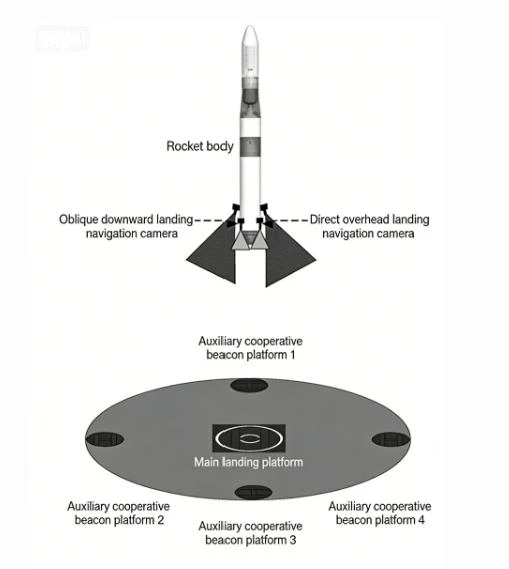
Visual Navigation Technologies in Rocket Recovery
The entire rocket recovery process is divided into several phases, each with different priorities in guidance technology.
-
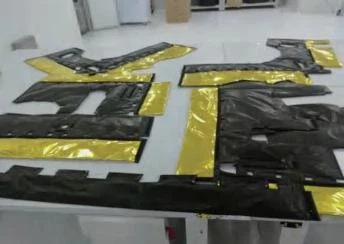
Key Auxiliary Subsystems of LEO Satellites: Unveiling Thermal Control, Data Handling, and Propulsion Technologies
The stable operation of LEO satellites relies not only on core systems such as communications, power, and attitude and orbit control, but also on the support of auxiliary subsystems including thermal control, command and data handling, and propulsion.
-
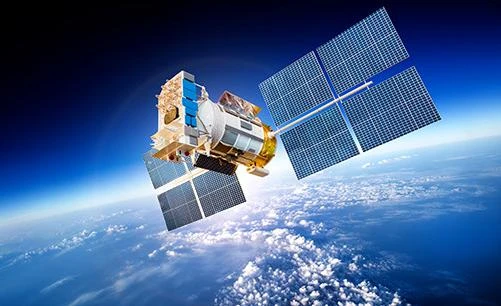
Structure and Mechanism System: The "Robust Skeleton" of LEO Satellites and Innovations in Materials and Manufacturin
During launch, LEO satellites endure intense vibration and shock; while in orbit, they face extreme temperature fluctuations, radiation, and other harsh space conditions.
-
Revolutionizing Farming Practices with Satellite in Agriculture Technology
Modern agriculture is undergoing a dramatic transformation, driven by the need for increased efficiency, sustainability, and yield. At the heart of this revolution lies satellite technology. From precision farming to crop monitoring and resource management, satellites provide invaluable data that empowers farmers to make informed decisions. This article will explore the diverse applications of satellites in agriculture, the benefits they offer, and the future trends shaping this exciting field. Understanding how satellite in agriculture works is key for anyone involved in the agricultural sector. Precision farming, also known as site-specific crop management, relies heavily on data collected from satellites. Remote sensing technologies onboard these satellites capture images and data across various wavelengths, revealing insights into crop health, soil conditions, and water stress.
-
Revolutionizing Agriculture with Advanced Satellite Imaging Technologies
In the modern agricultural landscape, optimizing yields and resource management is crucial. Satellite imaging has emerged as a powerful tool, providing farmers and agricultural professionals with invaluable data-driven insights. From monitoring crop health to optimizing irrigation, the applications are vast and continuously expanding. This article delves into the benefits, technologies, and future trends of satellite imaging in agriculture, helping you understand how it’s revolutionizing food production. Understanding these technologies is no longer a luxury, but a necessity for staying competitive in today's market. Satellite imaging relies on sensors aboard satellites to capture data about the Earth's surface. These sensors detect different wavelengths of electromagnetic radiation, including visible light, infrared, and microwave radiation. Different plant characteristics reflect different wavelengths, allowing analysts to assess crop health, identify stress factors, and estimate yields.
-
Leveraging Satellite Images Used for Agriculture to Enhance Crop Management and Yield
Modern agriculture is rapidly evolving, driven by the need for increased efficiency, sustainability, and yield. A pivotal technology enabling this transformation is the use of satellite images. These images provide a wealth of data that empowers farmers and agricultural professionals to make informed decisions, optimize resource allocation, and enhance crop management. This article will explore the various applications of satellite imagery in agriculture, the benefits it offers, and the future trends shaping this exciting field. Understanding how satellite images are utilized is key to maximizing agricultural output. Satellite imagery, captured by sensors orbiting the Earth, offers a bird's-eye view of agricultural landscapes. Unlike traditional methods of field observation, satellite imagery covers vast areas efficiently and provides data across multiple spectral bands. This multi-spectral capability is crucial because different plants reflect light differently, allowing for the identification of plant health, stress levels, and even species. The data collected is then processed and analyzed to generate actionable insights for farmers.
-
Revolutionizing Farming Practices with Satellite Imagery and Precision Agriculture
In the modern agricultural landscape, maximizing efficiency and yield is paramount. Satellite imagery coupled with precision agriculture techniques offers a powerful solution to achieve these goals. By analyzing data captured from space, farmers can gain valuable insights into crop health, soil conditions, and irrigation needs, enabling data-driven decisions that optimize resource utilization and boost productivity. This detailed overview will explore the benefits, applications, and future trends of using satellite data in agriculture. Understanding these advancements is crucial for anyone looking to improve their farming practices and contribute to sustainable food production. Satellite imagery provides a bird’s-eye view of agricultural fields, capturing data across various spectral bands – including visible light, near-infrared, and thermal infrared. This data isn't just pretty pictures; it’s a wealth of information about plant health. Healthy vegetation reflects more near-infrared light, while stressed plants reflect less. Analyzing these spectral signatures allows farmers to identify areas of concern, such as nutrient deficiencies, disease outbreaks, or water stress, before they become widespread problems.
-
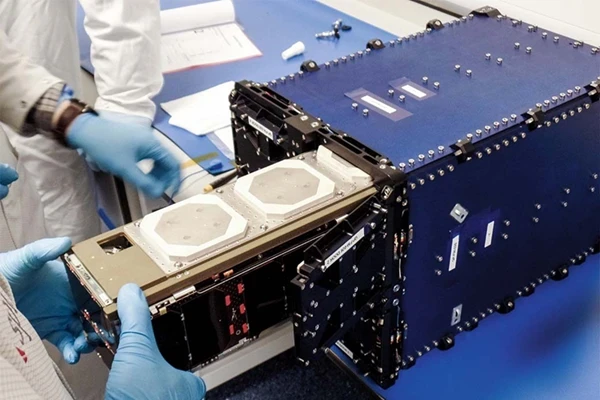
LEO Satellite Life-Cycle Cost Breakdown (Part 2): Manufacturing and Testing Phase
If the design and R&D phase sets the cost baseline for LEO satellites, then the manufacturing and testing phase represents cost realization.
-
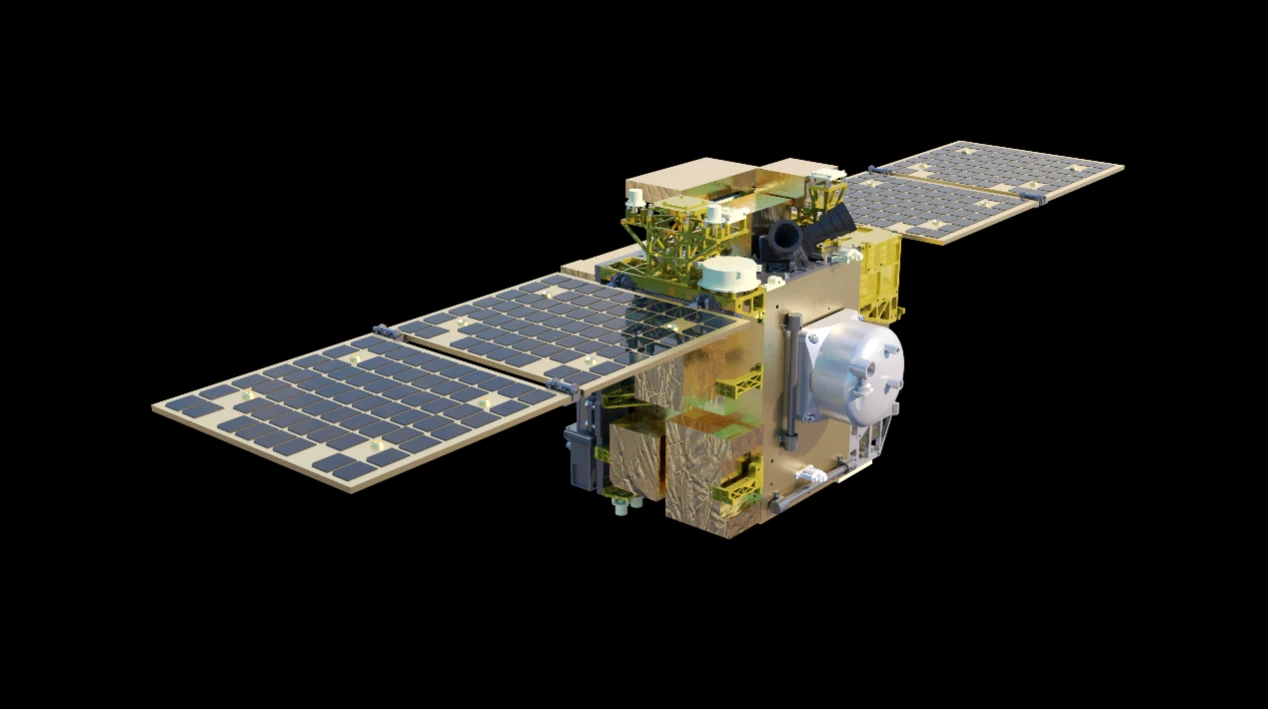
LEO Satellite Life-Cycle Cost Breakdown (Part 1): Design and R&D Phase
Cost control for LEO satellites does not start in manufacturing, but spans the entire life cycle from design to decommissioning.
-
Leveraging Farm Satellite Imagery for Precision Agriculture and Sustainable Farming
In the world of modern agriculture, data-driven decisions are key to maximizing yields and minimizing waste. Farm satellite imagery has emerged as a powerful tool, providing farmers and agricultural professionals with invaluable insights into crop health, field conditions, and resource management. This article will explore the benefits, applications, and future trends of using satellite data in agriculture, showcasing how Space-Navi is at the forefront of delivering this technology. Understanding and utilizing this technology is vital for increasing efficiency and sustainability in farming practices. Satellite imagery offers a comprehensive and cost-effective way to monitor large agricultural areas. Unlike traditional methods like manual scouting, which are time-consuming and limited in scope, satellite data provides a bird's-eye view of entire fields. This allows for the early detection of issues such as nutrient deficiencies, pest infestations, and irrigation problems.