- Afrikaans
- Albanian
- Amharic
- Arabic
- Armenian
- Azerbaijani
- Basque
- Belarusian
- Bengali
- Bosnian
- Bulgarian
- Catalan
- Cebuano
- China
- Corsican
- Croatian
- Czech
- Danish
- Dutch
- English
- Esperanto
- Estonian
- Finnish
- French
- Frisian
- Galician
- Georgian
- German
- Greek
- Gujarati
- Haitian Creole
- hausa
- hawaiian
- Hebrew
- Hindi
- Miao
- Hungarian
- Icelandic
- igbo
- Indonesian
- irish
- Italian
- Japanese
- Javanese
- Kannada
- kazakh
- Khmer
- Rwandese
- Korean
- Kurdish
- Kyrgyz
- Lao
- Latin
- Latvian
- Lithuanian
- Luxembourgish
- Macedonian
- Malgashi
- Malay
- Malayalam
- Maltese
- Maori
- Marathi
- Mongolian
- Myanmar
- Nepali
- Norwegian
- Norwegian
- Occitan
- Pashto
- Persian
- Polish
- Portuguese
- Punjabi
- Romanian
- Russian
- Samoan
- Scottish Gaelic
- Serbian
- Sesotho
- Shona
- Sindhi
- Sinhala
- Slovak
- Slovenian
- Somali
- Spanish
- Sundanese
- Swahili
- Swedish
- Tagalog
- Tajik
- Tamil
- Tatar
- Telugu
- Thai
- Turkish
- Turkmen
- Ukrainian
- Urdu
- Uighur
- Uzbek
- Vietnamese
- Welsh
- Bantu
- Yiddish
- Yoruba
- Zulu
Remote Sensing Satellite: Essential Tools for Modern Earth Observation
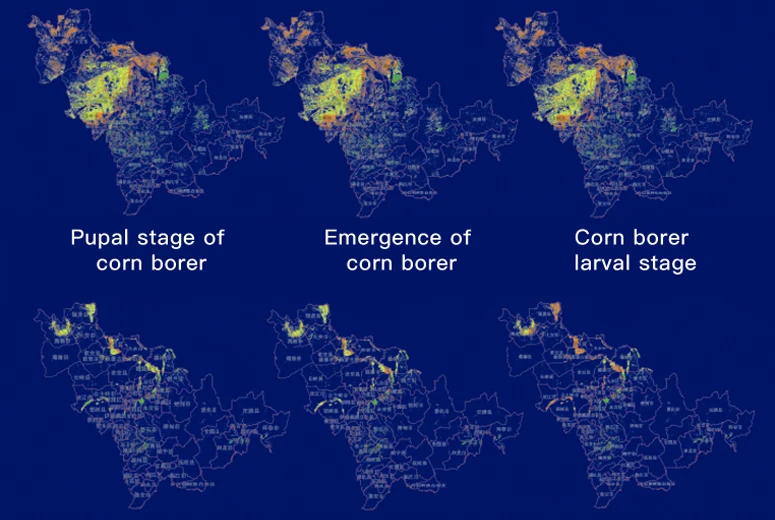
Remote sensing satellites have revolutionized how we observe, monitor, and understand our planet. These satellites are equipped with advanced sensors that collect data on Earth's surface and atmosphere, enabling applications across geography, environmental science, agriculture, urban planning, and disaster management. With the rise of commercial space enterprises, the number and variety of commercial remote sensing satellites have grown rapidly, expanding the scope and availability of satellite data worldwide. This article explores the capabilities of remote sensing satellites, discusses the list of commercial remote sensing satellites, explains the significance of the commercial remote sensing satellites map, and highlights key educational resources such as remote sensing PDF materials and insights from the Remote Sensing journal.

What Are Remote Sensing Satellites?
Remote sensing satellites are spacecraft equipped with sensors that detect and record reflected or emitted energy from Earth’s surface. They operate across multiple spectral bands, including visible, infrared, and microwave, to gather comprehensive environmental data. These satellites can be placed in various orbits, including Low Earth Orbit (LEO), Geostationary Orbit (GEO), and Polar Orbit, each providing unique coverage and revisit capabilities.
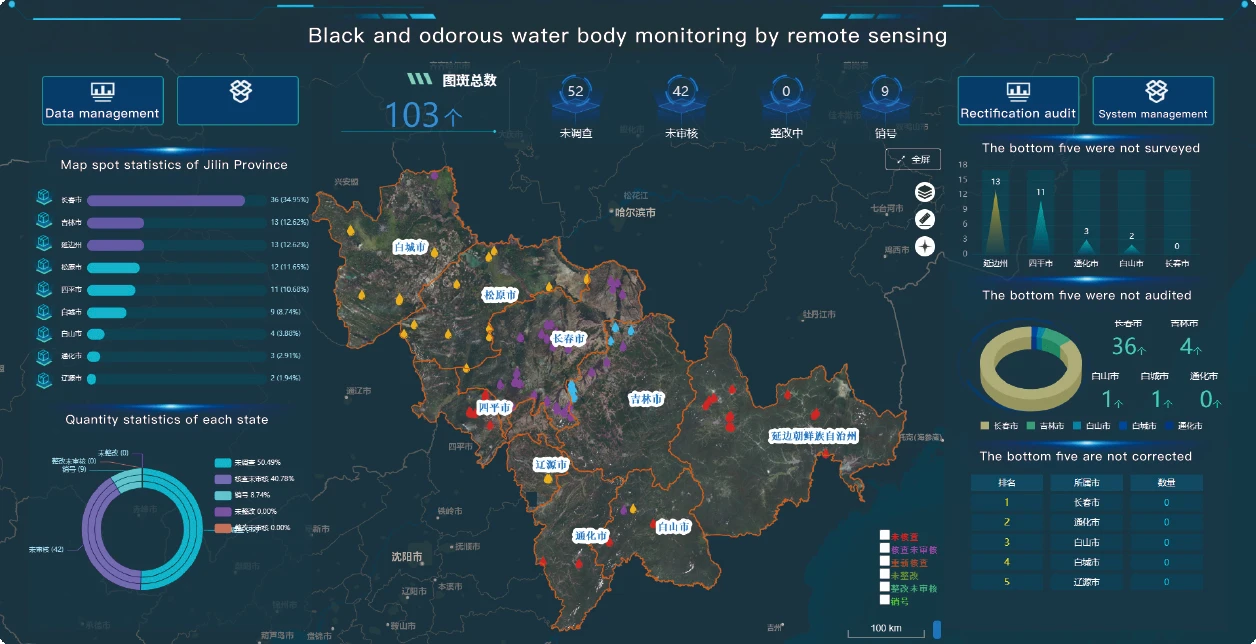
The data collected by remote sensing satellites allows for detailed mapping, monitoring, and analysis of land use, vegetation health, atmospheric conditions, oceanography, and much more.
Commercial Remote Sensing Satellites: Expanding Access to Data
The commercial sector has significantly increased the availability and diversity of remote sensing satellites. Companies like Maxar Technologies, Planet Labs, Airbus, and others operate constellations of satellites that provide high-resolution imagery and rapid revisit times. These commercial platforms offer tailored data products for agriculture, forestry, urban development, energy exploration, and disaster response.
A comprehensive list of commercial remote sensing satellites includes prominent satellite systems such as WorldView, GeoEye, SPOT, and RapidEye, among others. These satellites vary in resolution, spectral capabilities, and operational focus, giving users a wide range of data options.
The commercial remote sensing satellites map provides a visual overview of satellite orbits and coverage areas, helping users identify which satellites can provide data for specific regions or applications.
Educational Resources: Remote Sensing PDF and Remote Sensing Journal
For those engaged in research or professional practice, access to quality educational resources is vital. Numerous remote sensing PDF documents offer in-depth tutorials on satellite technology, data processing techniques, and application case studies. These materials support academic coursework and ongoing professional development.
The Remote Sensing journal is a leading peer-reviewed publication presenting cutting-edge research on sensor technology, algorithm development, and applied studies. It serves as a valuable resource for staying current with advances in satellite remote sensing.
Integration with Geographic Information Systems (GIS)
The synergy between remote sensing satellites and GIS technologies enhances spatial data analysis. While satellites provide rich raw data, GIS enables efficient data management, visualization, and advanced spatial analytics. This integration is fundamental for informed decision-making in urban planning, environmental management, and disaster mitigation.
Future Trends in Remote Sensing Satellites
Technological advances continue to drive improvements in satellite capabilities, including higher spatial and temporal resolution, expanded spectral ranges, and enhanced data processing using artificial intelligence. The proliferation of small satellites and CubeSats is democratizing data collection, making satellite imagery more accessible and affordable.
Conclusion
Remote sensing satellites are indispensable tools in modern Earth observation, providing detailed, timely data that supports diverse applications across science, industry, and governance. The growth of commercial platforms, as detailed in the list of commercial remote sensing satellites and illustrated by the commercial remote sensing satellites map, has broadened access to high-quality satellite data.
Complemented by educational resources such as remote sensing PDF files and insights from the Remote Sensing journal, these satellites empower users worldwide to monitor and protect our planet effectively. As technology evolves, remote sensing satellites will continue to play a pivotal role in advancing our understanding of Earth's systems.