
- Afrikaans
- Albanian
- Amharic
- Arabic
- Armenian
- Azerbaijani
- Basque
- Belarusian
- Bengali
- Bosnian
- Bulgarian
- Catalan
- Cebuano
- China
- Corsican
- Croatian
- Czech
- Danish
- Dutch
- English
- Esperanto
- Estonian
- Finnish
- French
- Frisian
- Galician
- Georgian
- German
- Greek
- Gujarati
- Haitian Creole
- hausa
- hawaiian
- Hebrew
- Hindi
- Miao
- Hungarian
- Icelandic
- igbo
- Indonesian
- irish
- Italian
- Japanese
- Javanese
- Kannada
- kazakh
- Khmer
- Rwandese
- Korean
- Kurdish
- Kyrgyz
- Lao
- Latin
- Latvian
- Lithuanian
- Luxembourgish
- Macedonian
- Malgashi
- Malay
- Malayalam
- Maltese
- Maori
- Marathi
- Mongolian
- Myanmar
- Nepali
- Norwegian
- Norwegian
- Occitan
- Pashto
- Persian
- Polish
- Portuguese
- Punjabi
- Romanian
- Russian
- Samoan
- Scottish Gaelic
- Serbian
- Sesotho
- Shona
- Sindhi
- Sinhala
- Slovak
- Slovenian
- Somali
- Spanish
- Sundanese
- Swahili
- Swedish
- Tagalog
- Tajik
- Tamil
- Tatar
- Telugu
- Thai
- Turkish
- Turkmen
- Ukrainian
- Urdu
- Uighur
- Uzbek
- Vietnamese
- Welsh
- Bantu
- Yiddish
- Yoruba
- Zulu
Components of Satellite Communication And Their Critical Roles
The modern satellite communication system relies on multiple components of satellite communication to ensure reliable data transfer between space and Earth. From orbital platforms to satellite ground station components, every element plays a vital role. Understanding the basic components of satellite communication is crucial for engineers, students, and researchers working in telecommunications and aerospace. By examining the parts of satellite communication, the components of a satellite communication system, and components of satellite system, we can gain insight into how satellites enable global connectivity, broadcasting, navigation, and scientific research.
Core Components of Satellite Communication
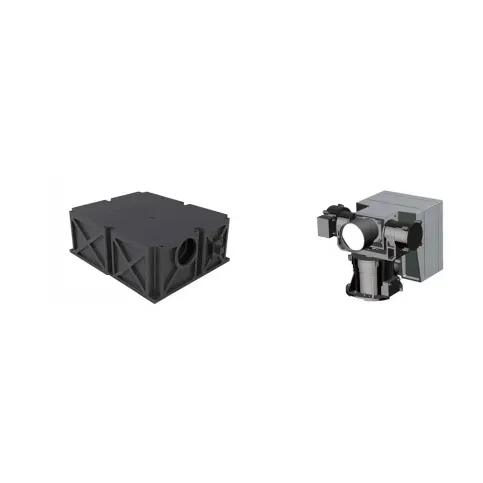
A satellite communication system includes both orbital and terrestrial components. In orbit, components of satellite communication include transponders, antennas, power systems, and onboard control modules. Transponders receive signals from Earth, amplify them, and retransmit them back. Antennas, another key part of satellite communication, direct signals accurately to ground stations.
Power systems, often solar panels and batteries, provide the energy necessary for components of a satellite communication system to operate continuously. Control systems, which are integral components of a satellite system, manage orientation, signal routing, and subsystem coordination. Without these orbital components of satellite communication, the system could not maintain stable communication links.
Satellite Ground Station Components
Effective satellite communication depends equally on ground infrastructure. Satellite ground station components include tracking antennas, transmitters, receivers, and data processing units. These basic components of satellite communication receive signals from the satellite, decode information, and transmit commands back.
Tracking antennas follow the satellite’s path, ensuring the signal is captured consistently. Receivers and transmitters manage the flow of information between orbit and Earth. The integration of satellite ground station components with orbital parts of satellite communication creates a seamless communication network that supports television broadcasts, internet connectivity, and remote sensing applications.
Integration of Components of a Satellite Communication System
The combination of orbital components of satellite communication and satellite ground station components forms a complete satellite communication system. Each part of satellite communication must function reliably to maintain data integrity.
Modern satellites are designed with redundancy in mind, allowing critical components of a satellite system to continue operation even if one element fails. Transponders, antennas, and power modules are interconnected to support continuous transmission. On the ground, data processing units and tracking antennas are coordinated to ensure that components of satellite communication deliver accurate information without interruption.
Integration also involves software and network systems that manage traffic, scheduling, and error correction. These components of a satellite communication system allow satellites to handle multiple simultaneous communication channels efficiently.
Advances in Satellite Communication Components
Technological advancements have significantly enhanced components of satellite communication. High-gain antennas, improved transponders, and miniaturized electronics improve signal quality and data rates. Innovations in power management ensure that solar panels and batteries provide stable energy to all parts of satellite communication.
On the ground, modern satellite ground station components incorporate automated tracking, real-time data processing, and cloud integration. These innovations enhance operational efficiency and reduce downtime. New designs in components of a satellite system allow modular upgrades, making satellites more adaptable to changing mission requirements.
For example, miniaturized parts of satellite communication now allow CubeSats to participate in large communication networks, integrating seamlessly with traditional satellite systems. This demonstrates the versatility and scalability of components of satellite communication across platforms.
Conclusion
Understanding components of satellite communication is essential for designing, operating, and maintaining reliable satellite networks. From orbital parts of satellite communication to satellite ground station components, each element plays a critical role in ensuring seamless connectivity. The components of a satellite communication system integrate power, antennas, transponders, and control systems to maintain uninterrupted communication between space and Earth. As technology advances, the components of a satellite system will continue to improve, enabling faster, more reliable, and more versatile communication capabilities for research, broadcasting, and global connectivity.











