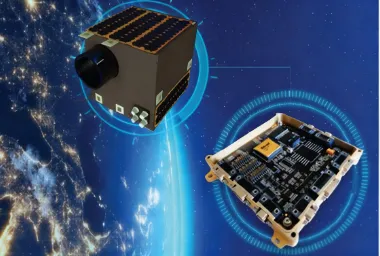
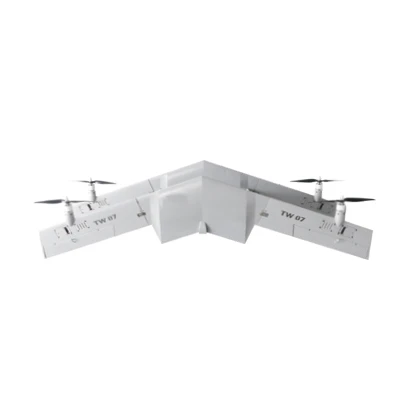
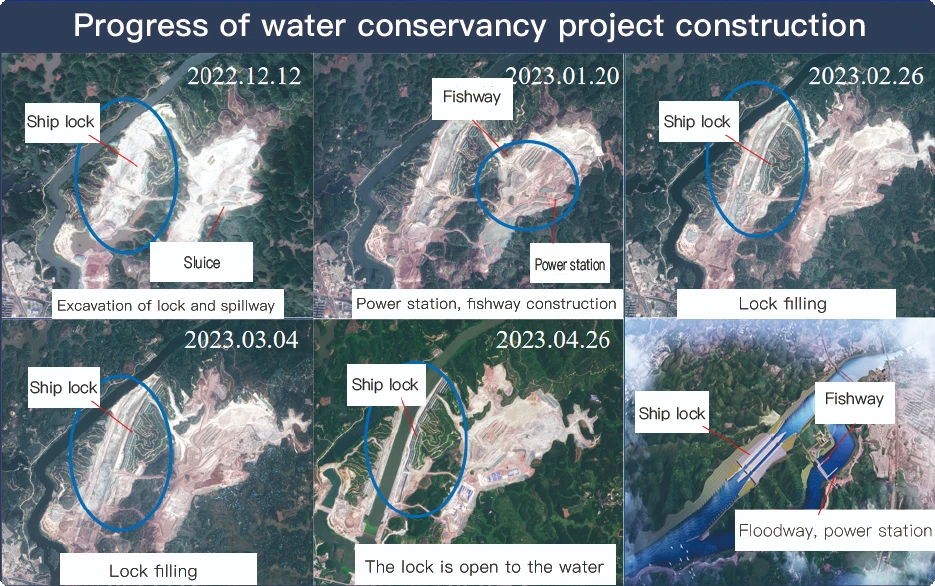
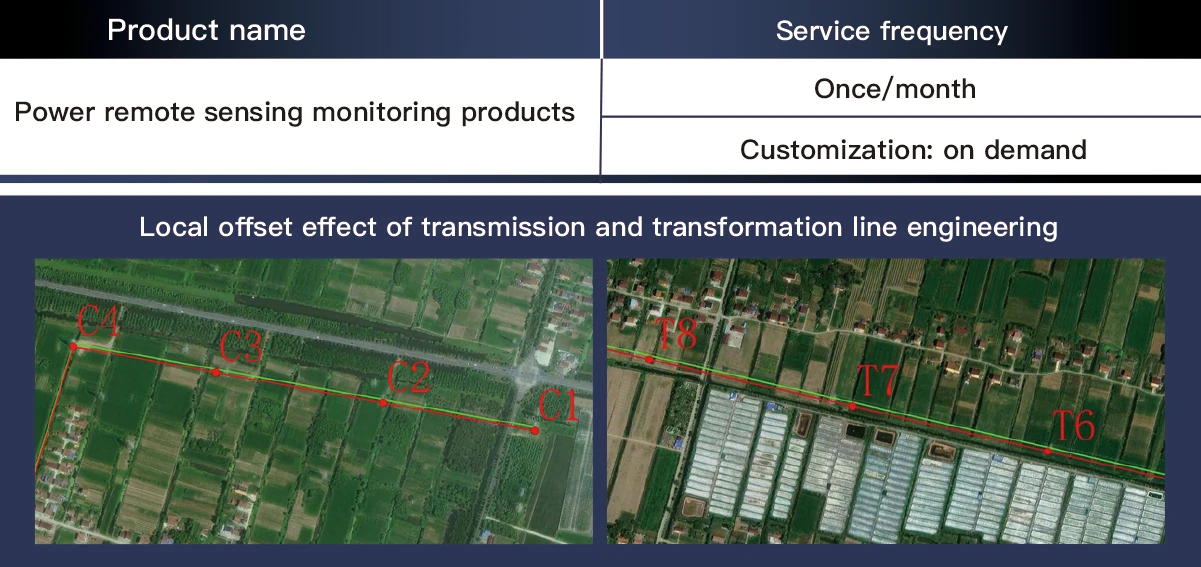
"Space Heritage" refers to an OBC’s number of completed on-orbit missions, fault-free operation time, and practical application cases. It serves as the "core evidence" for measuring OBC reliability. For satellite developers, selecting an OBC with rich space heritage can significantly reduce the risk of "first on-orbit failure" and minimize redesign costs.
The uniqueness of space missions lies in the fact that "on-orbit maintenance is impossible" — if an OBC malfunctions after launch, it is almost irreparable, potentially leading to the failure of the entire satellite mission (with cost losses ranging from tens of millions to hundreds of millions of US dollars). The value of space heritage lies precisely in "risk mitigation":
- Verified Design Reliability: OBCs with on-orbit experience have had their design flaws (e.g., wiring hazards, interface compatibility issues) exposed and resolved through practical missions, ensuring their actual operational performance is closer to theoretical expectations. For example, an OBC that has been deployed on 3 LEO satellites and operated fault-free for over 2 years demonstrates that its design can adapt to LEO’s radiation and temperature environments.
- Shortened Development Cycle: Mature OBCs’ "driver software," "test procedures," and "adaptation schemes with other subsystems" have been validated through practice. Developers do not need to start from scratch and can directly reuse existing resources, shortening the overall satellite development cycle (typically by 3–6 months).
- Reduced Supply Chain Risks: Suppliers of OBCs with space heritage have more mature production processes and quality control systems, ensuring the stability of component procurement. This avoids delivery delays caused by insufficient supplier capacity or process defects.
-
When selecting an OBC, evaluate its space heritage from the following dimensions:
- Number of On-orbit Missions: Prioritize OBCs with "≥3 on-orbit missions." More missions indicate that the design has been validated across more scenarios (e.g., vibration environments of different launch rockets, communication adaptation with ground stations in various regions).
- Mean Time Between Failures (MTBF): MTBF is a quantitative indicator of reliability. Aerospace-grade OBCs typically require an MTBF of ≥10⁵ hours (approximately 11 years). Request third-party test reports or on-orbit data from suppliers to verify compliance with MTBF requirements.
- Mission Matching: The OBC’s historical missions should match the current satellite’s mission type and orbital environment. For example, if the current mission is a GEO communication satellite, prioritize OBCs with "GEO on-orbit experience" — while LEO OBCs may have rich heritage, they may not adapt to GEO’s long-term high-radiation environment.
- Supplier Qualifications: Prioritize suppliers with "aerospace-specific certifications" (e.g., AS9100 aerospace quality management system certification). Such suppliers’ production processes and quality control are more aligned with aerospace standards, ensuring batch consistency of OBCs (avoiding performance differences between batches).
-
Depending on mission importance and cost, requirements for OBC space heritage can be appropriately adjusted:
- High-Priority Missions (e.g., GEO communication satellites, military satellites): Select OBCs with "rich space heritage" — for example, ≥5 on-orbit missions, ≥5 years of fault-free operation, and application cases in the same orbit (e.g., GEO).
- Low-Priority Missions (e.g., student satellites, short-term scientific experiment satellites): Accept OBCs with "no complete on-orbit experience but full compliance testing passed." Such OBCs are cost-effective, and compliance testing has verified their environmental adaptability, meeting the needs of short-term missions.
In summary, space heritage is the "touchstone" of OBC reliability. When budget permits, prioritizing OBCs with rich, mission-matched space heritage is a key decision to ensure the success of satellite missions.