- Afrikaans
- Albanian
- Amharic
- Arabic
- Armenian
- Azerbaijani
- Basque
- Belarusian
- Bengali
- Bosnian
- Bulgarian
- Catalan
- Cebuano
- China
- Corsican
- Croatian
- Czech
- Danish
- Dutch
- English
- Esperanto
- Estonian
- Finnish
- French
- Frisian
- Galician
- Georgian
- German
- Greek
- Gujarati
- Haitian Creole
- hausa
- hawaiian
- Hebrew
- Hindi
- Miao
- Hungarian
- Icelandic
- igbo
- Indonesian
- irish
- Italian
- Japanese
- Javanese
- Kannada
- kazakh
- Khmer
- Rwandese
- Korean
- Kurdish
- Kyrgyz
- Lao
- Latin
- Latvian
- Lithuanian
- Luxembourgish
- Macedonian
- Malgashi
- Malay
- Malayalam
- Maltese
- Maori
- Marathi
- Mongolian
- Myanmar
- Nepali
- Norwegian
- Norwegian
- Occitan
- Pashto
- Persian
- Polish
- Portuguese
- Punjabi
- Romanian
- Russian
- Samoan
- Scottish Gaelic
- Serbian
- Sesotho
- Shona
- Sindhi
- Sinhala
- Slovak
- Slovenian
- Somali
- Spanish
- Sundanese
- Swahili
- Swedish
- Tagalog
- Tajik
- Tamil
- Tatar
- Telugu
- Thai
- Turkish
- Turkmen
- Ukrainian
- Urdu
- Uighur
- Uzbek
- Vietnamese
- Welsh
- Bantu
- Yiddish
- Yoruba
- Zulu
aħbarijiet
Parts Of Satellite Communication And Their Essential Role In Connectivity
The parts of satellite communication are the building blocks of modern connectivity, enabling global data transfer, television broadcasting, weather monitoring, and navigation services. Whether in large spacecraft or miniaturized platforms, the components of satellite communication remain critical to ensuring smooth information exchange. Each system, from the payload to the satellite ground station components, is designed to serve a unique function while integrating seamlessly with others. By examining the basic components of satellite communication, one can better appreciate the sophisticated network that powers global communication.
Basic Components Of Satellite Communication And Their Purpose
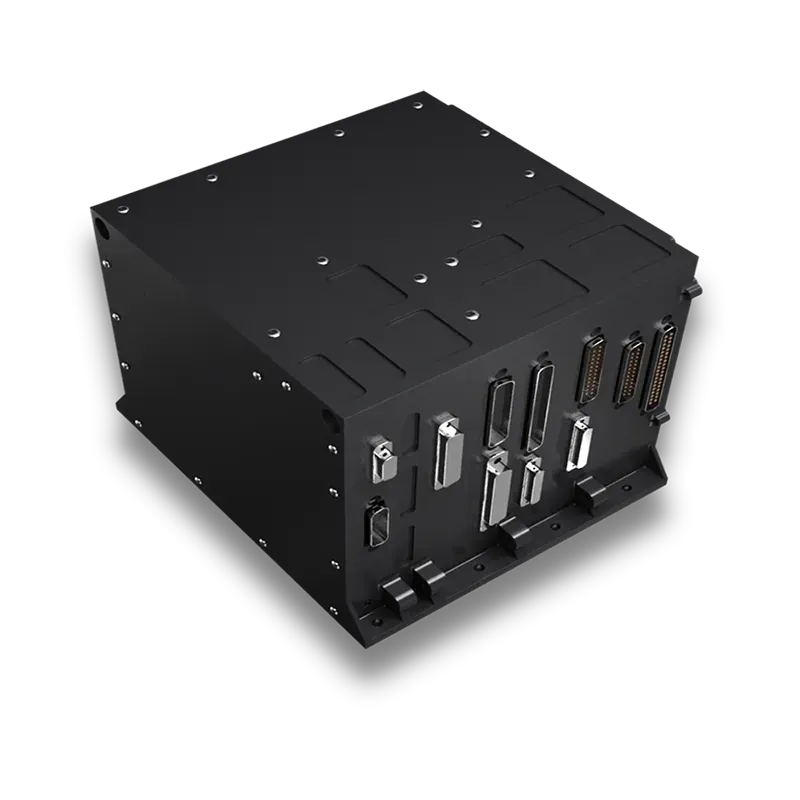
At the core of every system are the basic components of satellite communication, which include the transponder, antenna, and amplifier. These components ensure that signals can be received, processed, and transmitted across long distances. The components of a satellite communication system also include filters, oscillators, and signal processors that maintain clarity and stability. Whether used in large spacecraft or miniaturized cubesat components, these systems remain indispensable. The parts of satellites dedicated to communication are carefully designed to withstand extreme conditions in orbit while maintaining consistent performance.
Satellite Ground Station Components Supporting Communication
While satellites handle transmission in space, the satellite ground station components are equally critical. These include tracking antennas, receivers, transmitters, and data processing equipment. Without ground stations, the parts of satellite communication onboard spacecraft would have no link to Earth-based networks. The components of satellite system located on the ground ensure synchronization between orbiting satellites and terrestrial infrastructure. For example, in a constellation of CubeSats, the cubesat components may include compact antennas, but effective communication still relies on robust Earth-based satellite communication components. This demonstrates the interdependence between orbital and terrestrial systems.
Components Of A Satellite Communication System In Operation
The components of a satellite communication system work together in a precise sequence. Signals transmitted from Earth are received by the satellite’s antenna, processed by amplifiers and transponders, and retransmitted back to Earth. These processes rely on the parts of satellites dedicated to communication. The components of satellite system handling communication must operate with extreme accuracy, ensuring minimal delay and high reliability. Even parts of a cubesat are engineered with miniature transponders and antennas that replicate the functions of larger satellites. By understanding these integrated satellite communication components, engineers can design more efficient systems that meet growing demand.
Parts Of Satellites That Enable Data Exchange
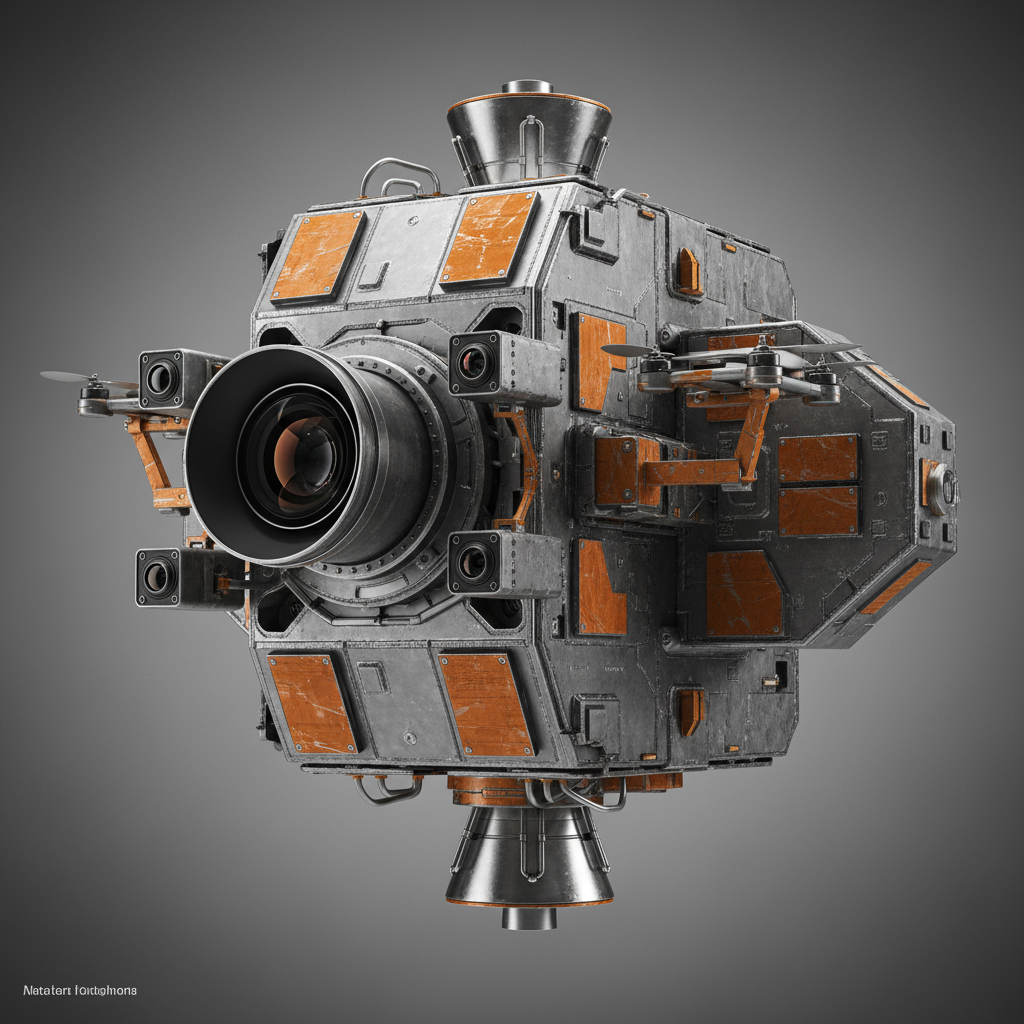
The parts of satellites responsible for communication can be divided into payload and supporting systems. Payload elements include antennas, amplifiers, and frequency converters. Supporting systems consist of thermal regulation, power management, and structural units that keep communication equipment stable. The components of satellite system ensure that the payload can operate under the harsh conditions of space. Even the cubesat components must include versions of these systems, albeit scaled down. Whether in small CubeSats or large spacecraft, the basic components of satellite communication remain consistent, proving their universal importance.
Integration Of Satellite Communication Components
The seamless integration of satellite communication components is crucial for effective operation. Antennas must be carefully aligned with ground receivers, amplifiers must provide stable signal strength, and transponders must accurately convert frequencies. The parts of satellite communication cannot work in isolation; they require support from power and thermal systems. The components of satellite system provide this support, ensuring that each communication unit functions optimally. In the case of CubeSats, the parts of a cubesat are often integrated into modular units, where communication systems share space with scientific instruments. This integration highlights the adaptability of modern satellite components.
Cubesat Components And Communication Systems
The rise of CubeSats has demonstrated how even miniature platforms require robust communication systems. The cubesat components for communication typically include small antennas, compact radios, and simplified power systems. These parts of a cubesat are carefully engineered to replicate the role of larger satellite communication components within limited space. Despite their small scale, CubeSats rely on the same basic components of satellite communication, including transmitters, receivers, and amplifiers. This shows how the essential components of satellite communication remain constant across different satellite platforms.
Components Of Satellite System Beyond Communication
While communication is vital, the components of satellite system extend beyond antennas and transponders. Power generation, thermal regulation, and structural stability are all necessary to keep communication units functional. These parts of satellites work alongside the communication payload, ensuring consistent performance. For example, the satellite ground station components can only function effectively if the orbiting systems remain stable and powered. This relationship illustrates the complexity of designing components of a satellite communication system, where multiple subsystems must operate in perfect harmony.
Future Developments In Parts Of Satellite Communication
The evolution of parts of satellite communication continues to focus on miniaturization, efficiency, and reliability. Innovations in antenna technology are making it possible for smaller satellites to transmit larger volumes of data. The components of satellite communication are also being adapted to handle new frequencies, supporting higher-speed networks. Advanced satellite ground station components are being developed to track multiple satellites simultaneously, enhancing global coverage. In CubeSat missions, modular cubesat components are being designed to allow faster upgrades and deployment. As a result, the basic components of satellite communication are becoming more versatile, ensuring that future parts of satellites can meet expanding global demands.
Conclusion
The parts of satellite communication form the foundation of global connectivity. From the basic components of satellite communication such as antennas and transponders to the larger infrastructure of satellite ground station components, every element plays a crucial role. The components of a satellite communication system must be carefully integrated with the components of satellite system to ensure smooth operation. Even within the compact design of CubeSats, the parts of a cubesat mirror the essential satellite communication components used in larger spacecraft. By understanding these systems, engineers and researchers can continue to innovate, ensuring that the future of space-based communication remains efficient, reliable, and widely accessible.