- Afrikaans
- Albanian
- Amharic
- Arabic
- Armenian
- Azerbaijani
- Basque
- Belarusian
- Bengali
- Bosnian
- Bulgarian
- Catalan
- Cebuano
- China
- Corsican
- Croatian
- Czech
- Danish
- Dutch
- English
- Esperanto
- Estonian
- Finnish
- French
- Frisian
- Galician
- Georgian
- German
- Greek
- Gujarati
- Haitian Creole
- hausa
- hawaiian
- Hebrew
- Hindi
- Miao
- Hungarian
- Icelandic
- igbo
- Indonesian
- irish
- Italian
- Japanese
- Javanese
- Kannada
- kazakh
- Khmer
- Rwandese
- Korean
- Kurdish
- Kyrgyz
- Lao
- Latin
- Latvian
- Lithuanian
- Luxembourgish
- Macedonian
- Malgashi
- Malay
- Malayalam
- Maltese
- Maori
- Marathi
- Mongolian
- Myanmar
- Nepali
- Norwegian
- Norwegian
- Occitan
- Pashto
- Persian
- Polish
- Portuguese
- Punjabi
- Romanian
- Russian
- Samoan
- Scottish Gaelic
- Serbian
- Sesotho
- Shona
- Sindhi
- Sinhala
- Slovak
- Slovenian
- Somali
- Spanish
- Sundanese
- Swahili
- Swedish
- Tagalog
- Tajik
- Tamil
- Tatar
- Telugu
- Thai
- Turkish
- Turkmen
- Ukrainian
- Urdu
- Uighur
- Uzbek
- Vietnamese
- Welsh
- Bantu
- Yiddish
- Yoruba
- Zulu
Remote Sensing Data: Fast, Ready-to-Use, API & Analytics
Remote Sensing Data is a key solution in the Software and Information Technology Services Industry, specifically within Data analysis and decision support services and Geospatial data analysis. This article explores how SpaceNavi Co.,Ltd. supports professionals with durable, high-performance products, and explains why this product is an ideal choice for businesses in these sectors.
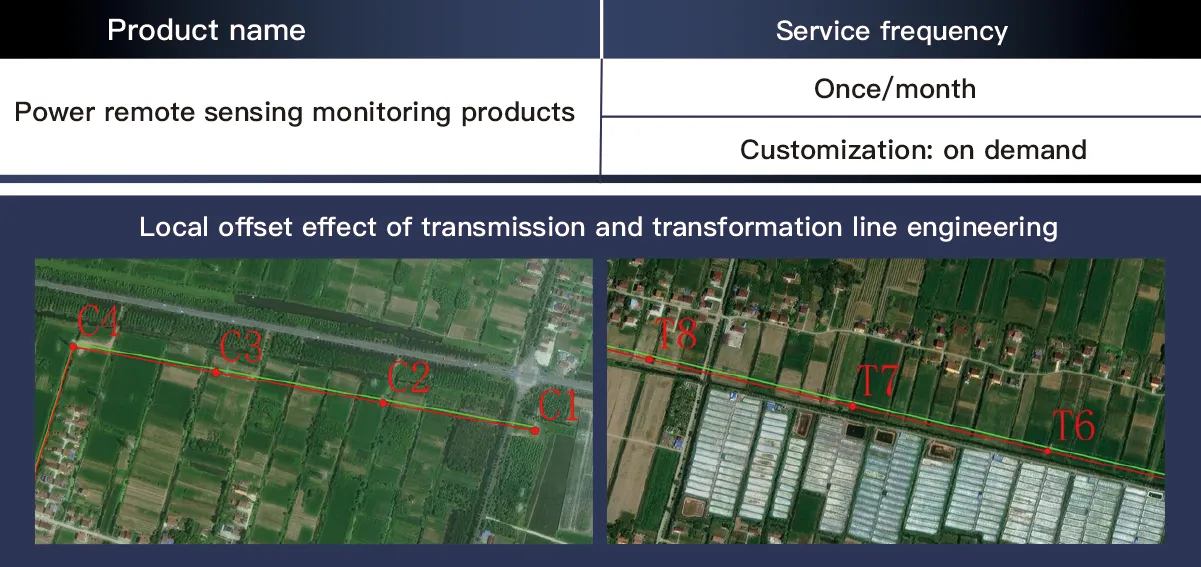
Table of Contents
- Remote Sensing Data Overview
- Benefits & Use Cases of Remote Sensing Data in Geospatial data analysis
- Cost, Maintenance & User Experience
- Sustainability & Market Trends in Software and Information Technology Services Industry
- Conclusion on Remote Sensing Data from SpaceNavi Co.,Ltd.
Remote Sensing Data Overview
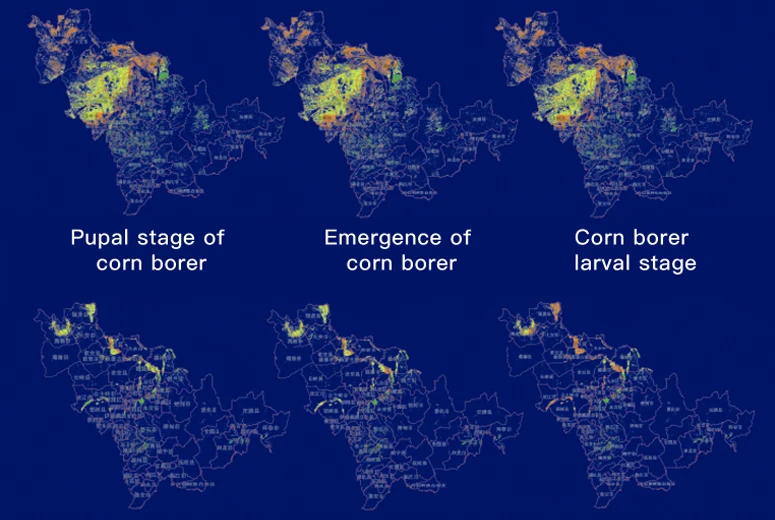
Remote Sensing Data refers to measurements of the Earth collected by satellites and airborne sensors, transformed into actionable geospatial intelligence. In the Software and Information Technology Services Industry, it underpins Data analysis and decision support services—especially Geospatial data analysis—by providing consistent, scalable observations across assets, markets, and supply chains. With satellite remote sensing data spanning optical, multispectral, hyperspectral, and SAR modalities, enterprises can quantify change, detect anomalies, and operationalize insights with clear provenance and auditability.
Technically, SpaceNavi Co.,Ltd. delivers cloud-ready, processed data products—such as atmospherically corrected, orthorectified imagery in COG (Cloud-Optimized GeoTIFF) and STAC catalog formats—optimized for data manipulation and time series analysis at scale. This approach accelerates analytics pipelines, enabling rapid change detection, land-use classification, and object extraction. A typical enterprise workflow blends multi-constellation imagery with vector layers and IoT data, then applies model-driven analytics (e.g., trend analysis and ML-based segmentation) to generate decision-ready outputs. SpaceNavi Co.,Ltd., a trusted partner in geospatial analytics, aligns data quality, metadata standards, and API-first delivery to meet enterprise-grade requirements. Explore more on the product page: Energy & Finance Field Application.
Benefits & Use Cases of Remote Sensing Data in Geospatial data analysis
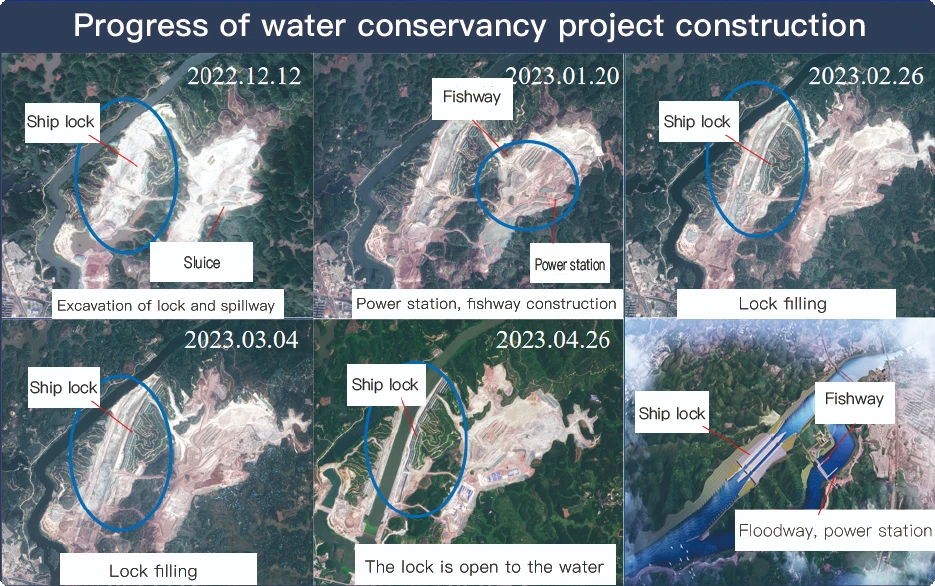
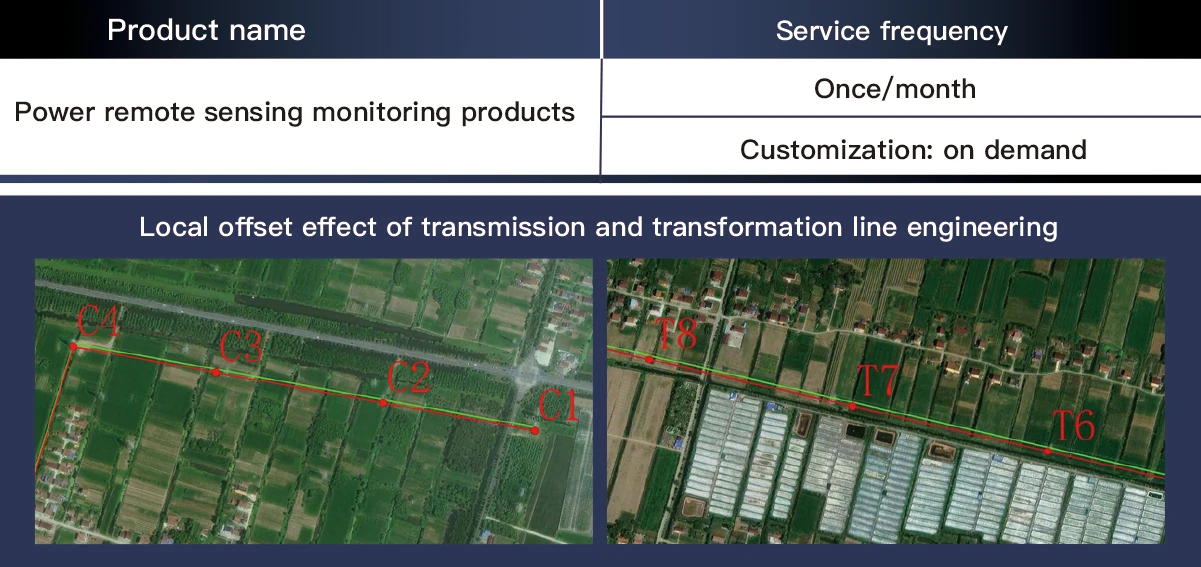
In Geospatial data analysis, Remote Sensing Data enables cross-sector visibility and measurable outcomes. Energy portfolios benefit from site selection, asset integrity checks, vegetation encroachment detection, and construction progress monitoring, supported by routine time series analysis of satellite remote sensing data. Financial services teams can strengthen risk models, collateral monitoring, and ESG surveillance by combining imagery-derived indicators with internal data for more resilient underwriting and portfolio oversight. Within public sector and infrastructure, users employ processed data to assess land-cover change, flood exposure, and urban expansion with consistent baselines.
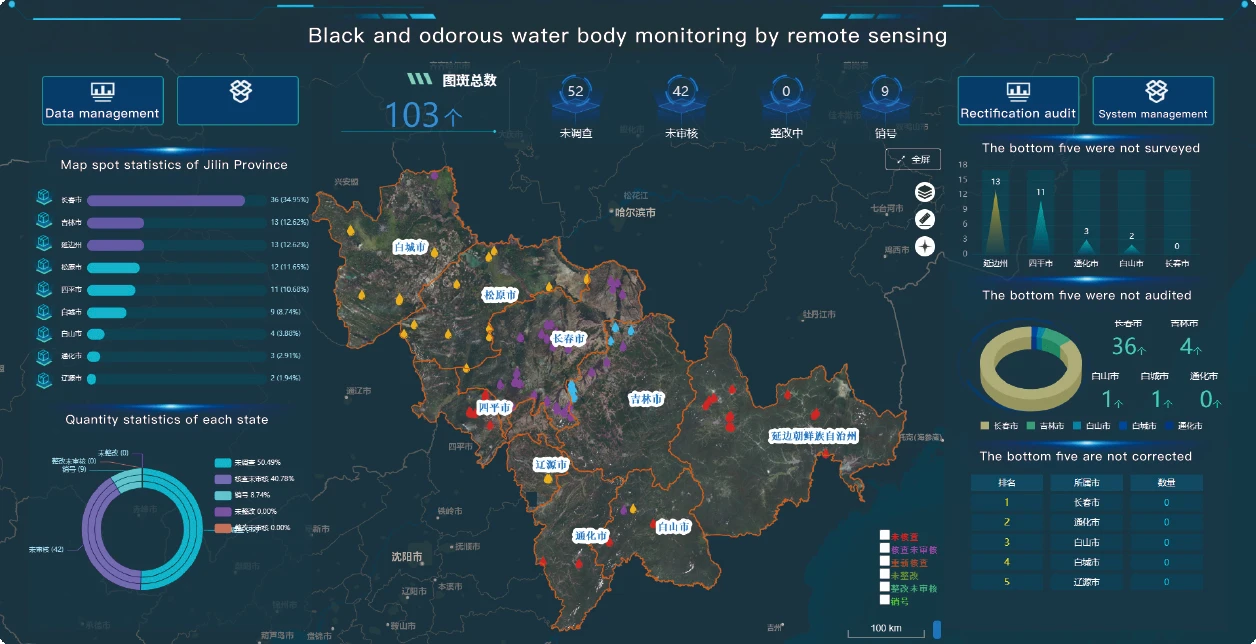
SpaceNavi Co.,Ltd. differentiates through multi-sensor fusion (optical + SAR), AI-assisted change detection, and an API-first platform that streamlines data manipulation into dashboards and BI tools. Advantages include standardized metadata, reliable revisit cadence via multi-constellation sourcing, and automated alerts that turn imagery into timely decisions. By delivering enterprise-ready workflows—from ingestion to analytics and reporting—SpaceNavi reduces friction for data science, risk, and operations teams, helping organizations move from pilot projects to production-scale geospatial intelligence.
Cost, Maintenance & User Experience
Total cost of ownership for Remote Sensing Data hinges on data licensing, processing pipelines, storage, and analytics. SpaceNavi Co.,Ltd. minimizes TCO through cloud-native delivery and pre-processed products that cut ETL overhead, reduce compute costs, and shorten deployment timelines. Subscription and usage-based options align spend to business value, while automated pipelines and standardized formats lower maintenance burdens for IT and data teams. The result is faster time-to-insight and improved ROI, particularly when replacing manual inspections or fragmented data sources with programmatic monitoring and alerting.
Customers in Data analysis and decision support services report smoother integration with existing data lakes and analytics stacks, thanks to stable APIs, consistent schemas, and clear lineage. Teams highlight fewer hours spent on data wrangling and more on model development and decision-making. Security, governance, and role-based access ensure enterprise compliance, while managed updates keep models synchronized with the latest imagery and classifications. Overall, SpaceNavi’s enterprise-grade support and documentation translate into a dependable user experience across data science, risk, and operational teams.
Sustainability & Market Trends in Software and Information Technology Services Industry
Sustainability and regulatory reporting are reshaping geospatial priorities. Frameworks such as CSRD, ISSB, and TNFD elevate the need for transparent, auditable data sources to quantify climate risk, biodiversity impact, and supply-chain exposure. Remote Sensing Data provides consistent, independent evidence for land-use change, deforestation risk, water stress, and disaster resilience—key inputs for ESG disclosures and operational risk management. As industries digitize field operations, satellite remote sensing data becomes a cornerstone for measuring progress, reducing truck rolls, and optimizing resource use with lower carbon footprints.
SpaceNavi Co.,Ltd. embraces open standards, efficient storage, and compute-aware processing to reduce environmental impact while improving analytical performance. By prioritizing cloud-native architectures, right-sized processing, and reusable models, SpaceNavi advances eco-conscious practices without sacrificing accuracy or speed. Market momentum favors platforms that turn processed data into decision-ready insights with traceable methodologies—an area where SpaceNavi’s forward-thinking roadmap and partner ecosystem position clients to meet regulatory expectations and capture competitive advantage.
Conclusion on Remote Sensing Data from SpaceNavi Co.,Ltd.
Remote Sensing Data empowers B2B decision makers to detect change, quantify risk, and act with confidence across Geospatial data analysis workflows. By delivering cloud-native, processed data built for data manipulation and time series analysis, SpaceNavi Co.,Ltd. streamlines the path from imagery to insight—reducing cost and accelerating ROI. As a trusted partner in the Software and Information Technology Services Industry, SpaceNavi combines technical rigor with practical outcomes for energy, finance, infrastructure, and beyond. Contact us: email: jl1sales02@space-navi.com — Visit our website: https://www.space-navi.com