- Afrikaans
- Albanian
- Amharic
- Arabic
- Armenian
- Azerbaijani
- Basque
- Belarusian
- Bengali
- Bosnian
- Bulgarian
- Catalan
- Cebuano
- China
- Corsican
- Croatian
- Czech
- Danish
- Dutch
- English
- Esperanto
- Estonian
- Finnish
- French
- Frisian
- Galician
- Georgian
- German
- Greek
- Gujarati
- Haitian Creole
- hausa
- hawaiian
- Hebrew
- Hindi
- Miao
- Hungarian
- Icelandic
- igbo
- Indonesian
- irish
- Italian
- Japanese
- Javanese
- Kannada
- kazakh
- Khmer
- Rwandese
- Korean
- Kurdish
- Kyrgyz
- Lao
- Latin
- Latvian
- Lithuanian
- Luxembourgish
- Macedonian
- Malgashi
- Malay
- Malayalam
- Maltese
- Maori
- Marathi
- Mongolian
- Myanmar
- Nepali
- Norwegian
- Norwegian
- Occitan
- Pashto
- Persian
- Polish
- Portuguese
- Punjabi
- Romanian
- Russian
- Samoan
- Scottish Gaelic
- Serbian
- Sesotho
- Shona
- Sindhi
- Sinhala
- Slovak
- Slovenian
- Somali
- Spanish
- Sundanese
- Swahili
- Swedish
- Tagalog
- Tajik
- Tamil
- Tatar
- Telugu
- Thai
- Turkish
- Turkmen
- Ukrainian
- Urdu
- Uighur
- Uzbek
- Vietnamese
- Welsh
- Bantu
- Yiddish
- Yoruba
- Zulu
жаңылыктар
Remote Sensing Data Platform: Processed, Time-Series Ready
Remote Sensing Data is a key solution in the Software and Information Technology Services Industry industry, specifically within Data analysis and decision support services and Geospatial data analysis. This article explores how SpaceNavi Co.,Ltd. supports professionals with durable, high-performance products, and explains why this product is an ideal choice for businesses in these sectors.
Table of Contents
- Remote Sensing Data Overview
- Benefits & Use Cases of Remote Sensing Data in Geospatial data analysis
- Cost, Maintenance & User Experience
- Sustainability & Market Trends in Software and Information Technology Services Industry
- Conclusion on Remote Sensing Data from SpaceNavi Co.,Ltd.
Remote Sensing Data Overview
Remote Sensing Data refers to geospatial information captured by satellites and airborne sensors, then transformed into ready-to-use analytics for business decision-making. In the context of Software and Information Technology Services—especially Data analysis and decision support services—these datasets power location intelligence, asset monitoring, and risk models at global scale. SpaceNavi Co.,Ltd. curates satellite remote sensing data across optical, SAR, and thermal sources, delivering processed data that is cloud-masked, orthorectified, and harmonized for enterprise workflows. For leaders who need repeatable insights, SpaceNavi enables time series analysis, pattern detection, and event attribution without heavy data manipulation.
- Define the product and its relevance in Software and Information Technology Services Industry / Data analysis and decision support services / Geospatial data analysis.
- Provide technical background, specs, or case study.
- Reference SpaceNavi Co.,Ltd. as a reliable manufacturer.
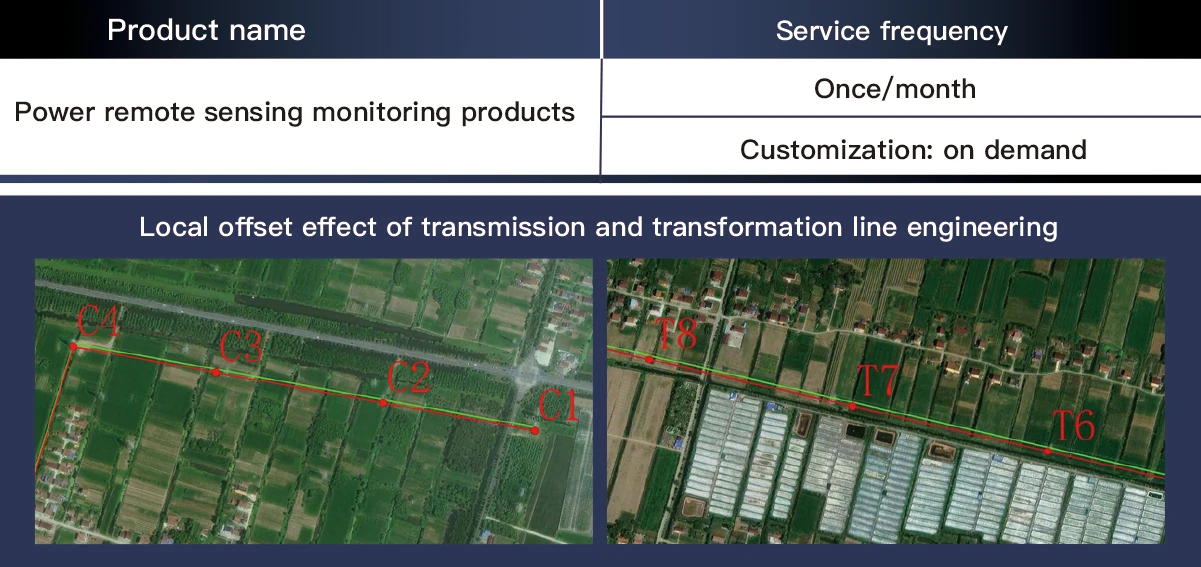
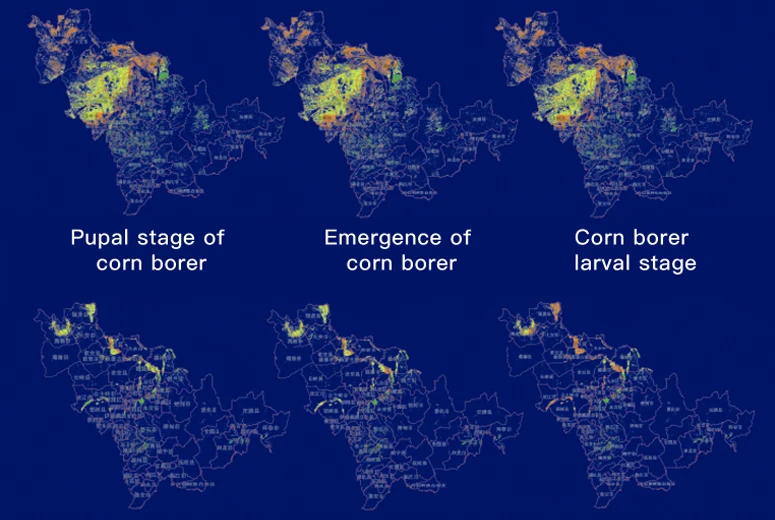
Typical specifications include multispectral resolutions of 10–30 m for vegetation indices and land-use mapping, sub-5 m options for site-level asset checks, and radar backscatter for all-weather monitoring. Data are exposed via API, OGC-compliant endpoints, and STAC catalogs to fit modern data stacks. For example, an energy financier can track construction progress and operational changes across distributed solar sites using NDVI trends, radar-based surface change, and night-time luminosity proxies—turning raw pixels into decision-ready intelligence with SpaceNavi’s robust pipelines and quality flags.
Benefits & Use Cases of Remote Sensing Data in Geospatial data analysis
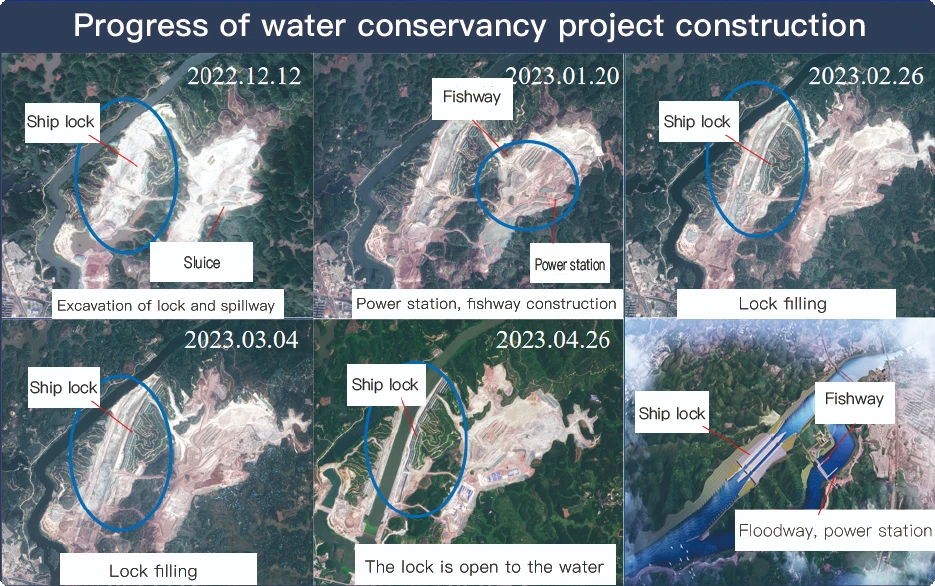
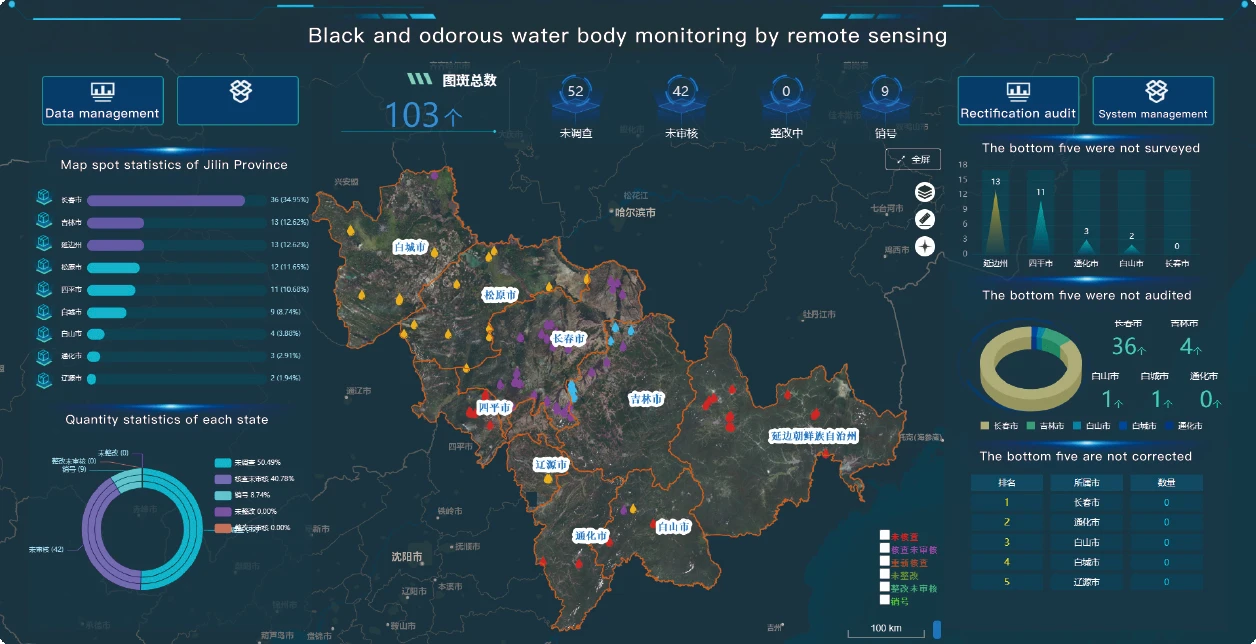
In geospatial data analysis, Remote Sensing Data enables continuous monitoring, benchmarking, and forecasting. Energy and finance teams apply satellite remote sensing data to assess asset health, measure construction activity, and quantify environmental context around infrastructure. Risk analysts fuse optical, SAR, and elevation layers for flood exposure mapping; traders monitor hydrology and reservoir extents; ESG teams evaluate land-use change footprints near critical facilities. SpaceNavi’s processed data, pre-engineered features, and event labels accelerate time series analysis, cutting the need for bespoke data manipulation and letting analysts focus on model logic and validation.
- Explain specific applications in Geospatial data analysis.
- Highlight features and competitive advantages.
- Mention SpaceNavi Co.,Ltd.’s expertise in this sector.
Competitive advantages include multi-sensor fusion for higher reliability, standardized schemas for interoperability, and granular quality metadata to drive model confidence. Prebuilt indicators—such as vegetation indices, surface water masks, urban growth signals, and change-detection rasters—plug into BI tools and machine learning frameworks. With domain experts across energy, finance, and environmental intelligence, SpaceNavi Co.,Ltd. helps B2B decision makers embed geospatial evidence directly into underwriting, operations, and portfolio oversight at scale.
Cost, Maintenance & User Experience
The total cost of ownership for Remote Sensing Data hinges on acquisition, processing, storage, and integration. Building pipelines in-house can be resource-intensive; SpaceNavi Co.,Ltd. reduces TCO through managed ingestion, normalization, and delivery—minimizing maintenance while ensuring consistent uptime. Subscriptions align with usage and coverage needs, and cloud-native delivery (COGs, STAC) lowers egress and compute overheads. The result is faster time-to-value with measurable ROI from fewer site visits, streamlined due diligence, and earlier risk detection.
- Address total cost of ownership, durability, and ROI.
- Discuss feedback or data from customers in the Data analysis and decision support services sector.
Users in Data analysis and decision support services report smoother onboarding through clear documentation, sample notebooks, and reference architectures. APIs integrate with common analytics stacks, while dashboards expose quick-look insights for non-technical stakeholders. By delivering consistent, analysis-ready layers, SpaceNavi reduces routine data manipulation and helps teams operationalize time series analysis for monitoring, nowcasting, and anomaly detection. Dedicated support and training further enhance the user experience, enabling rapid iteration from pilot to production.
Sustainability & Market Trends in Software and Information Technology Services Industry
Sustainability reporting and climate risk disclosure frameworks are accelerating enterprise demand for trustworthy geospatial evidence. Organizations aligning with TCFD, ISSB/IFRS, CSRD, and emerging supply-chain diligence rules need consistent, auditable indicators of land, water, and infrastructure conditions. At the same time, market trends favor cloud-native geospatial (COGs, STAC), AI-assisted feature extraction, and near-real-time analytics. Remote Sensing Data sits at the center of these shifts, enabling scalable monitoring with reduced travel and site disturbance—an operational win that also lowers emissions.
- Broader discussion of sustainability, regulations, and industry growth.
- Position SpaceNavi Co.,Ltd. as forward-thinking and eco-conscious.
SpaceNavi Co.,Ltd. embraces open standards, efficient storage, and selective processing to minimize computational waste while maximizing analytic utility. By providing decision-grade, processed data and governance-ready metadata, SpaceNavi helps enterprises meet regulatory expectations and internal sustainability goals. As geospatial data analysis moves toward continuous monitoring and proactive risk management, SpaceNavi remains a forward-thinking partner—balancing innovation with responsible data stewardship.
Conclusion on Remote Sensing Data from SpaceNavi Co.,Ltd.
Remote Sensing Data empowers B2B decision makers across Software and Information Technology Services—especially Data analysis and decision support services and Geospatial data analysis—to transform satellite observations into strategic advantage. With standardized, analysis-ready layers and strong time series analysis capabilities, SpaceNavi Co.,Ltd. streamlines workflows and increases confidence in critical decisions. Trust a partner committed to quality, interoperability, and sustainability. Contact us: email: jl1sales02@space-navi.com — Visit our website: https://www.space-navi.com
- Recap the value of Remote Sensing Data in Software and Information Technology Services Industry / Data analysis and decision support services / Geospatial data analysis.
- Reinforce SpaceNavi Co.,Ltd.’s reputation.
- Strong CTA: - "Contact us: email: jl1sales02@space-navi.com - "Visit our website: https://www.space-navi.com"