
- Afrikaans
- Albanian
- Amharic
- Arabic
- Armenian
- Azerbaijani
- Basque
- Belarusian
- Bengali
- Bosnian
- Bulgarian
- Catalan
- Cebuano
- China
- Corsican
- Croatian
- Czech
- Danish
- Dutch
- English
- Esperanto
- Estonian
- Finnish
- French
- Frisian
- Galician
- Georgian
- German
- Greek
- Gujarati
- Haitian Creole
- hausa
- hawaiian
- Hebrew
- Hindi
- Miao
- Hungarian
- Icelandic
- igbo
- Indonesian
- irish
- Italian
- Japanese
- Javanese
- Kannada
- kazakh
- Khmer
- Rwandese
- Korean
- Kurdish
- Kyrgyz
- Lao
- Latin
- Latvian
- Lithuanian
- Luxembourgish
- Macedonian
- Malgashi
- Malay
- Malayalam
- Maltese
- Maori
- Marathi
- Mongolian
- Myanmar
- Nepali
- Norwegian
- Norwegian
- Occitan
- Pashto
- Persian
- Polish
- Portuguese
- Punjabi
- Romanian
- Russian
- Samoan
- Scottish Gaelic
- Serbian
- Sesotho
- Shona
- Sindhi
- Sinhala
- Slovak
- Slovenian
- Somali
- Spanish
- Sundanese
- Swahili
- Swedish
- Tagalog
- Tajik
- Tamil
- Tatar
- Telugu
- Thai
- Turkish
- Turkmen
- Ukrainian
- Urdu
- Uighur
- Uzbek
- Vietnamese
- Welsh
- Bantu
- Yiddish
- Yoruba
- Zulu
회사 소식
회사 역량
현재 이 회사는 강력한 서비스 역량을 갖춘 세계 최대의 서브미터 상업용 원격 감지 위성 컨스텔레이션을 구축했습니다. 원격 감지 위성 데이터에 의존하여 고객에게 높은 시간 해상도, 높은 공간 해상도, 높은 스펙트럼 해상도, 빠른 광역 커버리지, 위성 원격 감지 데이터를 기반으로 하는 통합 공간 정보 응용 서비스를 제공할 수 있습니다.
-
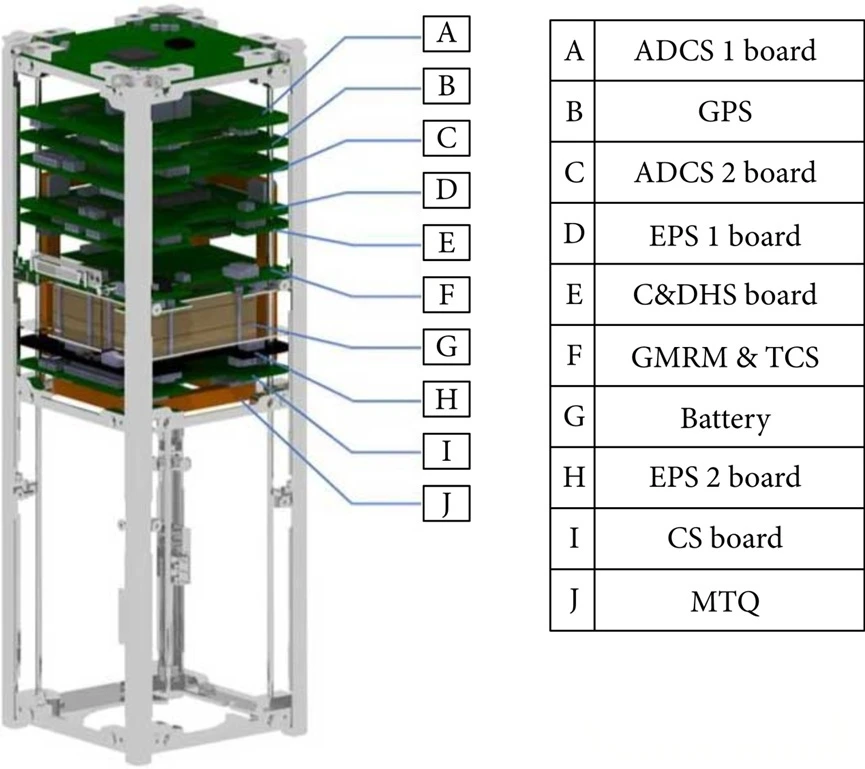
Subsystem Design of the 3U Standard Platform—C&DHS (Command and Data Handling Subsystem) and TCS (Thermal Control Subsystem)
For the C&DHS (Command and Data Handling Subsystem) of the standard platform, priority is given to devices widely used by 3U CubeSat developers across various fields and with space flight heritage.
-
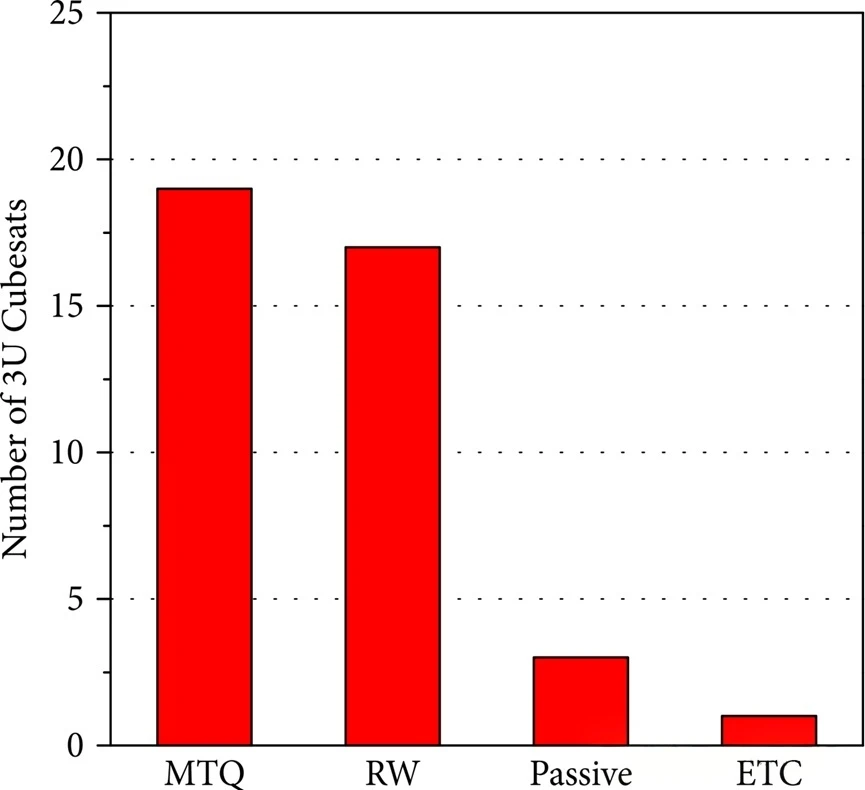
Subsystem Design of the 3U Standard Platform—ADCS (Attitude Determination and Control Subsystem)
The ADCS (Attitude Determination and Control Subsystem) of the standard platform is equipped with MTQ (Magnetorquer), MEMS (Micro-Electro-Mechanical Systems) IMU (Inertial Measurement Unit), and MEMS magnetic sensors for the sensing and actuation of satellite attitude.
-
Subsystem Design of the 3U Standard Platform—SMS (Structure and Mechanism Subsystem)
The core function of the SMS (Structure and Mechanism Subsystem) is to support the satellite's platform and payload, and protect the satellite from external environmental impacts throughout the entire process from launch to entering space.
-
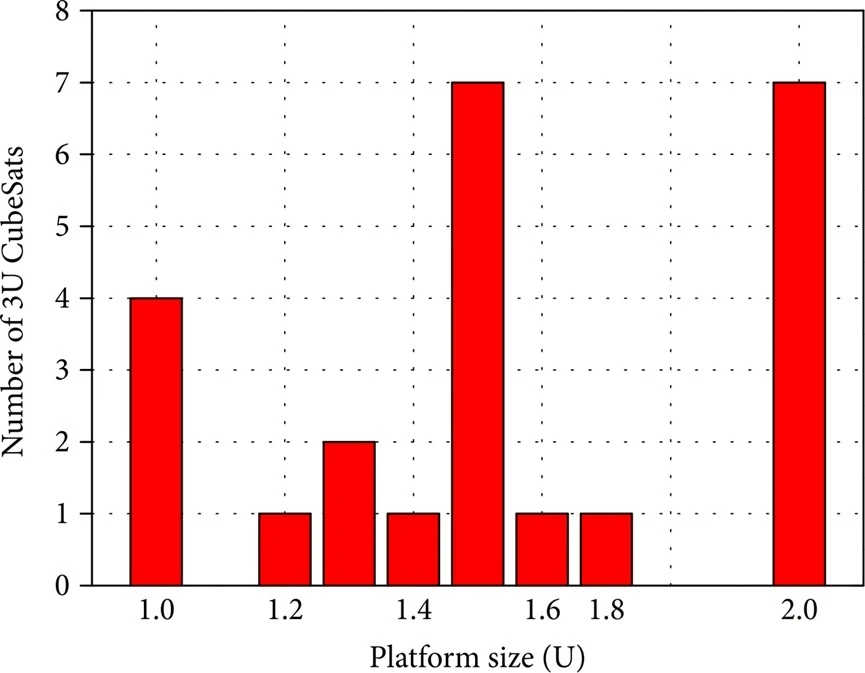
Configuration and Parameter Selection of the 3U CubeSat Standard Platform
The number of 3U CubeSats corresponds to the space (volume) occupied by the platform within the 3U CubeSat system.
-
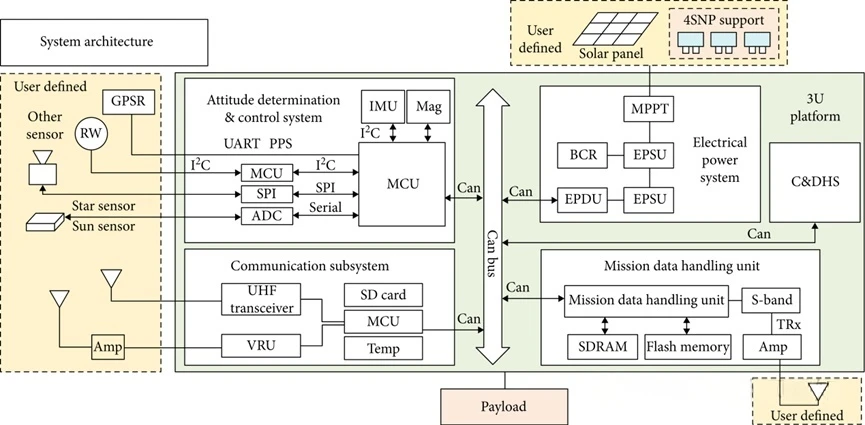
Structure of the 3U CubeSat Standard Platform
The standard platform is based on an optimized lightweight and modular design to reduce the overall development cost and cycle of the satellite.
-
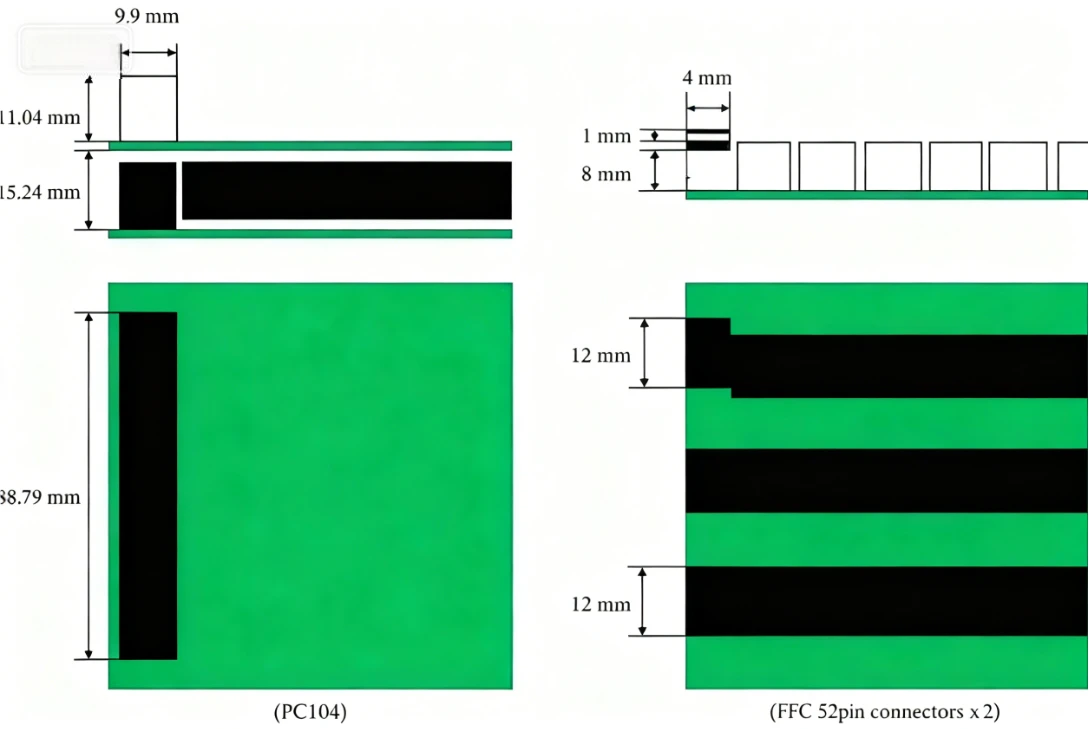
Core Concepts of the 3U CubeSat Standard Platform
The core goal of the standard platform is to meet diverse mission requirements with minimal modifications, where the modularity and reconfigurability of each component are crucial.
-
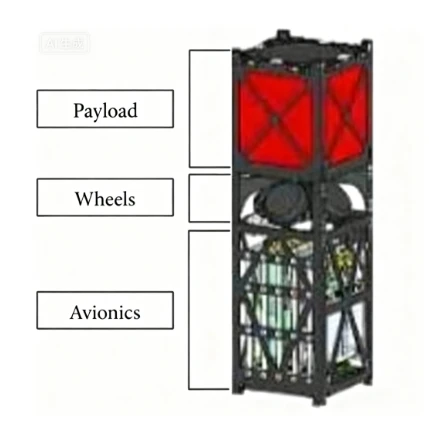
Development of 3U CubeSats and Overview of This Researc
In recent years, driven by the widespread application of 3U CubeSats, CubeSat startups such as Pumpkin, NanoAvionics, and Clyde Space, as well as several universities, have been developing 3U CubeSat platforms and subsystem modules to promote commercialization.
-
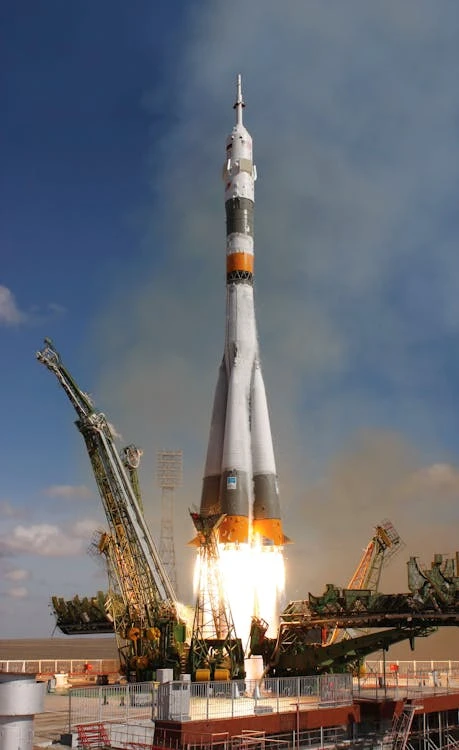
Offshore and Land Launch Sites: Not Substitution, but Building an All-Scenario Aerospace Launch System
From core positioning and technical design to orbital adaptability, cost, and mission scenarios, we have sorted out the multiple differences between offshore launch platforms and land launch sites—but these differences do not represent an "either-or" choice.
-
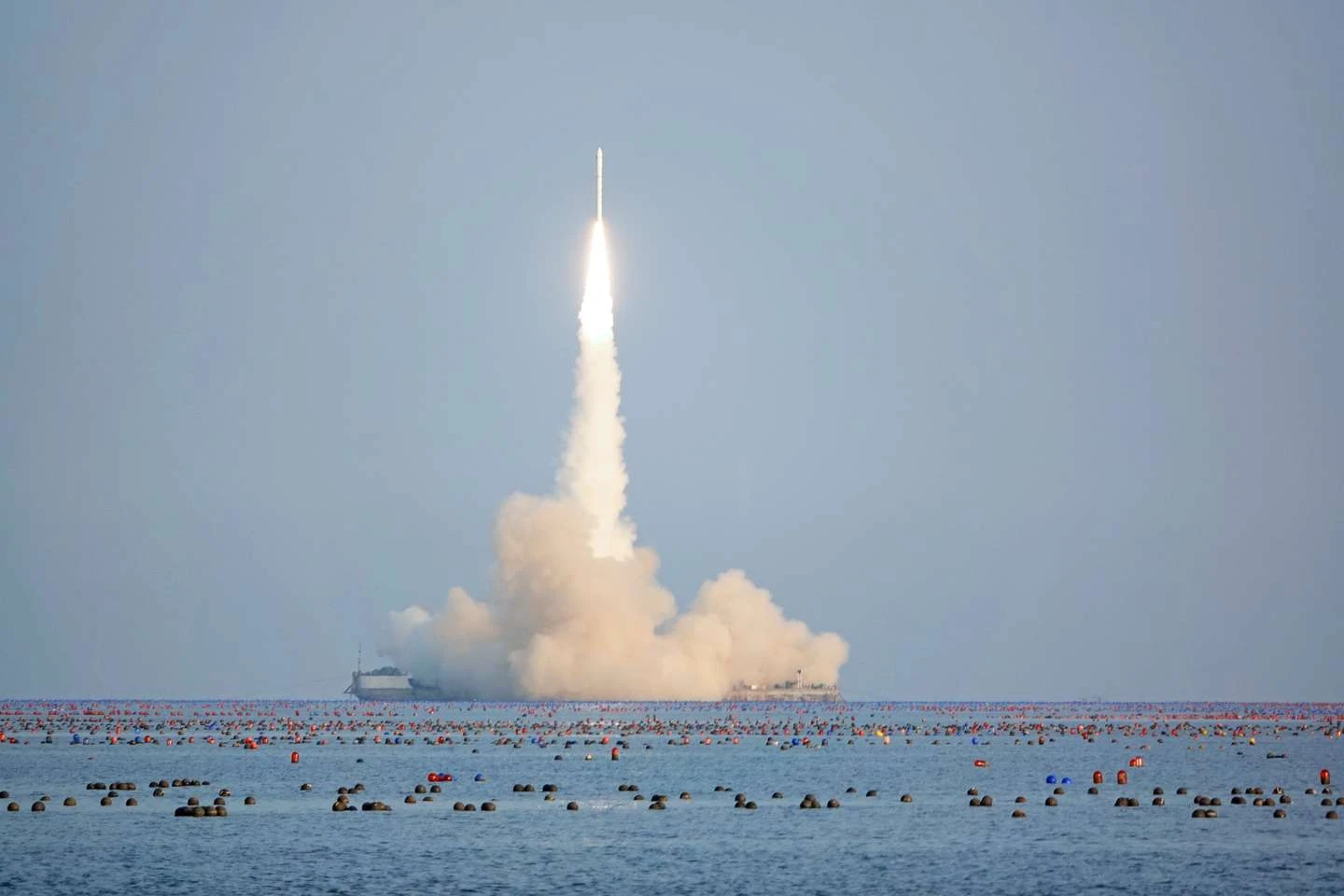
Why Is Offshore Launch More Expensive? Which Missions Suit Land Launch? A Comparison of Costs and Scenarios
Operational Costs and Efficiency: "High Per-Mission Cost" vs. "Low Cost at Scale"
-
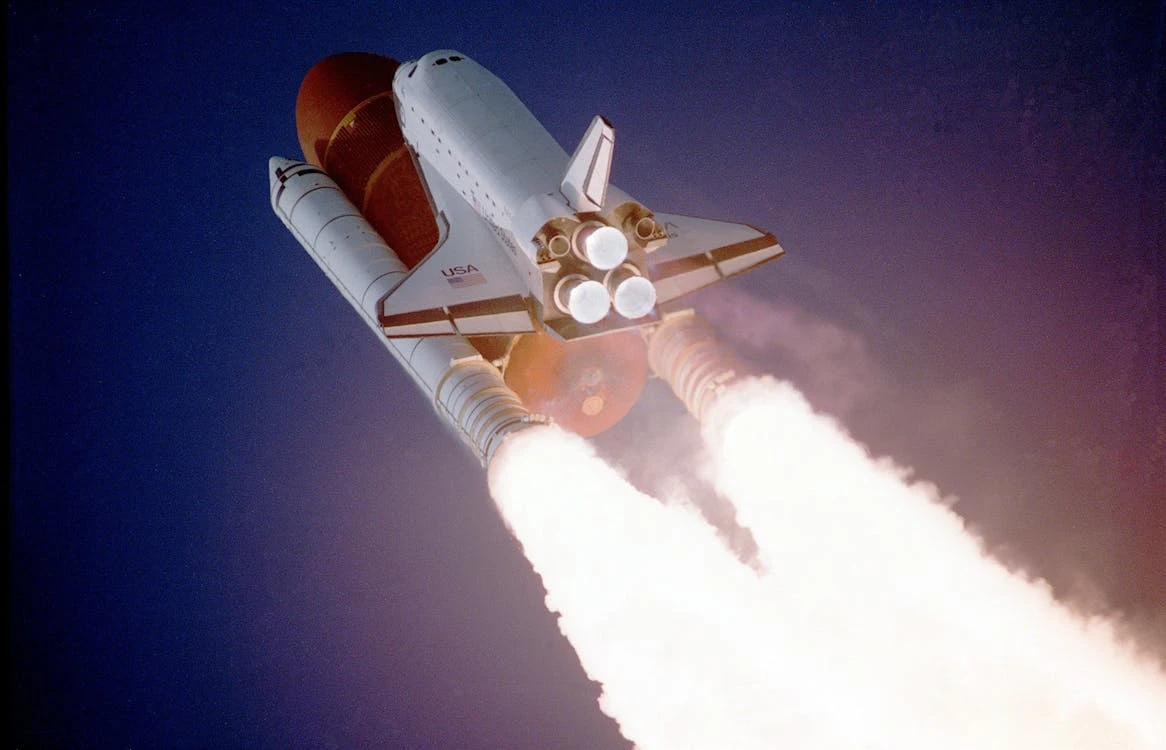
Offshore or Land: How to Choose for Satellite Launch Based on Orbital Adaptability, Safety, and Environmental Compliance?
The orbital inclination of a satellite (the angle between the orbital plane and the equatorial plane) directly determines launch efficiency, and the two types of launch sites differ significantly in their adaptability
-

Offshore vs. Land Launch Sites: How Technical Design Addresses the Unique Challenges of "Marine" and "Terrestrial" Environments?
Offshore Platforms: The core challenge is "offsetting marine disturbance."
-

Offshore Launch Platforms vs. Land Launch Sites: The Core Differentiation Starting Point of Two Aerospace Launch Infrastructures
As two core aerospace launch infrastructures, offshore launch platforms and land launch sites exhibit significant differences in site selection logic, technical design, functional positioning, operational models, and other dimensions.