
- Afrikaans
- Albanian
- Amharic
- Arabic
- Armenian
- Azerbaijani
- Basque
- Belarusian
- Bengali
- Bosnian
- Bulgarian
- Catalan
- Cebuano
- China
- Corsican
- Croatian
- Czech
- Danish
- Dutch
- English
- Esperanto
- Estonian
- Finnish
- French
- Frisian
- Galician
- Georgian
- German
- Greek
- Gujarati
- Haitian Creole
- hausa
- hawaiian
- Hebrew
- Hindi
- Miao
- Hungarian
- Icelandic
- igbo
- Indonesian
- irish
- Italian
- Japanese
- Javanese
- Kannada
- kazakh
- Khmer
- Rwandese
- Korean
- Kurdish
- Kyrgyz
- Lao
- Latin
- Latvian
- Lithuanian
- Luxembourgish
- Macedonian
- Malgashi
- Malay
- Malayalam
- Maltese
- Maori
- Marathi
- Mongolian
- Myanmar
- Nepali
- Norwegian
- Norwegian
- Occitan
- Pashto
- Persian
- Polish
- Portuguese
- Punjabi
- Romanian
- Russian
- Samoan
- Scottish Gaelic
- Serbian
- Sesotho
- Shona
- Sindhi
- Sinhala
- Slovak
- Slovenian
- Somali
- Spanish
- Sundanese
- Swahili
- Swedish
- Tagalog
- Tajik
- Tamil
- Tatar
- Telugu
- Thai
- Turkish
- Turkmen
- Ukrainian
- Urdu
- Uighur
- Uzbek
- Vietnamese
- Welsh
- Bantu
- Yiddish
- Yoruba
- Zulu
նորություններ
Radar Altimeter Satellite Applications In Modern Science
The radar altimeter satellite has emerged as one of the most important instruments in Earth observation. Using radar altimetry, it provides precise measurements of surface height over oceans, land, and ice. Unlike conventional sensors, a satellite radar altimeter operates continuously regardless of weather or sunlight. These capabilities make altimeter satellites essential for climate studies, disaster monitoring, and navigation systems. By providing accurate data over long periods, radar altimeter satellites allow scientists to track subtle environmental changes that would otherwise go unnoticed.
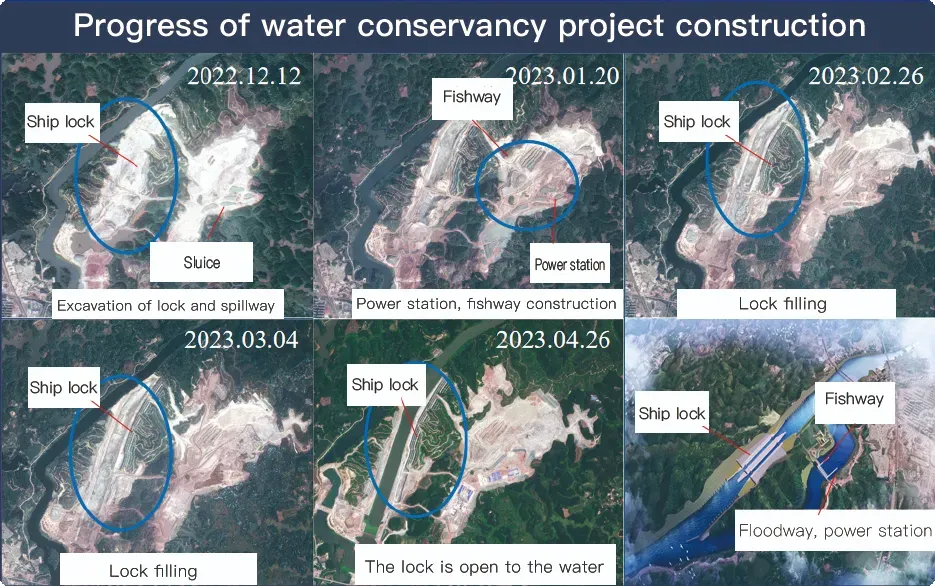
Principles Of Radar Altimeter Satellites
A radar altimeter satellite works by emitting radar pulses toward the Earth and measuring the time taken for the signals to return. This time delay translates directly into surface elevation data. The technology of radar altimetry ensures that measurements are accurate to within centimeters, which is crucial for understanding phenomena like sea-level rise or ice-sheet movement.
The altimeter satellite can operate day and night, unaffected by clouds, rain, or snow, which gives it a significant advantage over optical satellites. The satellite radar altimeter combines high precision and consistency, making it a vital instrument for continuous monitoring of global environmental changes.
Ocean Monitoring With Radar Altimetry
One of the primary applications of radar altimetry is ocean observation. A radar altimeter satellite can measure sea surface height, detect ocean currents, and monitor tides. These measurements are vital for navigation, fisheries management, and understanding climate impacts on coastal regions.
Long-term records from altimeter satellites provide insight into global sea-level rise. The precision of satellite radar altimeters allows scientists to detect even minor changes, offering critical data for climate modeling and policy planning. Additionally, monitoring ocean circulation patterns supports accurate weather forecasting and early warning systems for storms and hurricanes.
Cryosphere Studies And Satellite Radar Altimeters
Radar altimeter satellites play a pivotal role in studying polar ice sheets and glaciers. By measuring surface elevation changes, an altimeter satellite can assess ice thickness and monitor melting trends in Greenland, Antarctica, and mountainous glaciers.
Through radar altimetry, researchers can estimate the contribution of ice melt to sea-level rise. A satellite radar altimeter also detects seasonal and long-term variations in ice mass, helping scientists refine models for climate prediction. These observations are crucial for evaluating the impact of global warming and planning mitigation strategies.
Land Monitoring And Disaster Management
Beyond oceans and ice, radar altimetry supports land applications. Altimeter satellites can detect ground subsidence caused by natural processes or human activities, such as groundwater extraction or mining. Early detection helps prevent infrastructure damage and supports urban planning.
A satellite radar altimeter also monitors volcanic regions, detecting surface uplift that may indicate magma movement. Earthquake-prone areas benefit from radar altimetry as well; the radar altimeter satellite can track shifts in land elevation after seismic events, aiding disaster assessment and recovery.
-ի բազմակողմանիությունը radar altimeter satellites makes them invaluable across multiple sectors, from agriculture and forestry to civil engineering.
Future Directions In Radar Altimetry
The future of radar altimetry involves enhanced precision and broader integration with other observational tools. New satellite radar altimeters will combine radar data with optical and infrared sensors to create a more comprehensive picture of Earth’s systems.
Future altimeter satellites will also improve temporal resolution, allowing near real-time monitoring for environmental and disaster response. Global networks of radar altimeter satellites will provide continuous coverage of oceans, ice, and land, enhancing our understanding of planetary processes.
Artificial intelligence and machine learning will further enhance the utility of satellite radar altimeter data, enabling faster analysis and more accurate predictions of climate and environmental changes.
Conclusion
The radar altimeter satellite has transformed the field of Earth observation. By leveraging radar altimetry, it provides highly accurate measurements of oceans, ice, and land. Altimeter satellites and satellite radar altimeters deliver data essential for climate studies, disaster management, and global monitoring. As technology advances, the continued deployment of radar altimeter satellites will expand our ability to understand and respond to environmental changes, ensuring a safer and more sustainable world.











