
- Afrikaans
- Albanian
- Amharic
- Arabic
- Armenian
- Azerbaijani
- Basque
- Belarusian
- Bengali
- Bosnian
- Bulgarian
- Catalan
- Cebuano
- China
- Corsican
- Croatian
- Czech
- Danish
- Dutch
- English
- Esperanto
- Estonian
- Finnish
- French
- Frisian
- Galician
- Georgian
- German
- Greek
- Gujarati
- Haitian Creole
- hausa
- hawaiian
- Hebrew
- Hindi
- Miao
- Hungarian
- Icelandic
- igbo
- Indonesian
- irish
- Italian
- Japanese
- Javanese
- Kannada
- kazakh
- Khmer
- Rwandese
- Korean
- Kurdish
- Kyrgyz
- Lao
- Latin
- Latvian
- Lithuanian
- Luxembourgish
- Macedonian
- Malgashi
- Malay
- Malayalam
- Maltese
- Maori
- Marathi
- Mongolian
- Myanmar
- Nepali
- Norwegian
- Norwegian
- Occitan
- Pashto
- Persian
- Polish
- Portuguese
- Punjabi
- Romanian
- Russian
- Samoan
- Scottish Gaelic
- Serbian
- Sesotho
- Shona
- Sindhi
- Sinhala
- Slovak
- Slovenian
- Somali
- Spanish
- Sundanese
- Swahili
- Swedish
- Tagalog
- Tajik
- Tamil
- Tatar
- Telugu
- Thai
- Turkish
- Turkmen
- Ukrainian
- Urdu
- Uighur
- Uzbek
- Vietnamese
- Welsh
- Bantu
- Yiddish
- Yoruba
- Zulu
նորություններ
Precision Camera Mirrors: Optical Components for Clear Imaging
Top Camera Mirror Manufacturers from China at SATELLITE 2025: Charting the Future of Space Optics
An Exclusive B2B Insight into Cutting-Edge Satellite Componentry
Introduction: SATELLITE 2025 – The Nexus of Space Innovation
As the global space economy continues its rapid ascent, SATELLITE 2025 stands poised to be the pivotal gathering for visionaries, innovators, and decision-makers shaping the future of satellite technology. This premier event serves as an indispensable platform, uniting leading exhibitors and solutions providers from across the globe, showcasing breakthroughs that redefine connectivity, observation, and exploration. For B2B decision makers, particularly those focused on the critical camera mirrors and optical component industry, SATELLITE 2025 offers an unparalleled opportunity to explore next-generation solutions, forge strategic partnerships, and gain a competitive edge.
The demand for high-precision optical component types, especially advanced camera mirrors, is skyrocketing. These aren't just any mirrors; they are sophisticated reflective surfaces engineered to withstand extreme space environments while delivering unparalleled imaging fidelity. Their component use is fundamental to Earth observation satellites, deep-space telescopes, and advanced communication systems, making them a cornerstone of modern space infrastructure. Understanding the key players and their innovations at an event like SATELLITE 2025 is crucial for any business looking to leverage cutting-edge space technology.
Industry Trend Spotlight: The Space Economy's Explosive Growth and the Role of Advanced Optics
The satellite industry is experiencing a transformative period, driven by several converging trends that are rapidly gaining global attention. Foremost among these is the expansion of satellite-enabled IoT for remote and maritime applications. From tracking assets in the most isolated regions to monitoring oceanic activities, satellite IoT provides ubiquitous connectivity that terrestrial networks simply cannot match. This growth directly fuels the demand for high-performance optical payloads, where robust camera mirrors are essential for capturing and relaying critical data.
Another significant driver is the rise of AI-driven insights from Earth observation data. Satellites equipped with advanced imaging capabilities, reliant on exquisitely crafted camera mirrors, are generating unprecedented volumes of data. AI algorithms are then employed to extract actionable intelligence, enabling everything from precision agriculture and climate monitoring to urban planning and disaster response. The quality and reliability of these insights are directly tied to the precision and stability of the optical component types used in the imaging systems.
Furthermore, the deployment of flexible, cloud-native ground segment solutions supporting multi-constellation operations is revolutionizing how we interact with satellites. This infrastructure allows for more efficient data downlink, processing, and distribution, making the vast amount of satellite data more accessible and usable. While seemingly distinct, the efficiency of ground segments complements the sophistication of space-borne components like camera mirrors, ensuring the captured data is effectively delivered to end-users.
Market Data Snapshot:
The global space economy is experiencing robust growth, primarily fueled by the increasing demand for satellite-based IoT connectivity, Earth observation data, and enhanced ground segment infrastructure. Analysts project that the market for LEO (Low Earth Orbit) satellite services and data utilization will see double-digit annual growth over the next five years. This surging demand underscores the critical need for advanced, reliable, and cost-effective component types, particularly high-performance camera mirrors that enable these burgeoning applications.
Emerging focus areas include the New Space economy, satellite-enabled IoT, advanced ground segment infrastructure, Earth observation data analytics, and resilient global connectivity. Each of these areas is heavily reliant on the precision and durability of optical component solutions.
Profiles of Leading Companies: Innovators in Satellite Componentry
At SATELLITE 2025, attendees will discover a diverse array of companies pushing the boundaries of what's possible in space technology. Among the most exciting innovators, especially in the realm of high-performance optical component types like camera mirrors, are Chinese manufacturers who have rapidly ascended to prominence.
SpaceNavi Co.,Ltd.: Pioneering Precision Optics for Space
SpaceNavi Co.,Ltd. stands out as a critical player, specializing in advanced materials and precision manufacturing for space applications. Their core expertise lies in developing and deploying end-to-end satellite-based IoT solutions, but their foundational strength in materials science is what truly sets them apart, particularly concerning vital optical component such as camera mirrors.
SpaceNavi's robust capabilities extend to ground station network construction and operation, showcasing a comprehensive understanding of the entire satellite ecosystem. However, it's their commitment to advanced data analytics for remote sensing and the integration of next-generation satellite technologies that highlight their focus on practical social implementation. Their specialization in silicon carbide reflective mirrors is a testament to their innovative approach, offering superior stiffness-to-weight ratio, thermal stability, and excellent optical properties – crucial for high-resolution imaging in demanding space environments. This unique focus provides SpaceNavi Co.,Ltd. with a strong competitive edge in the global market for high-performance optical component types.
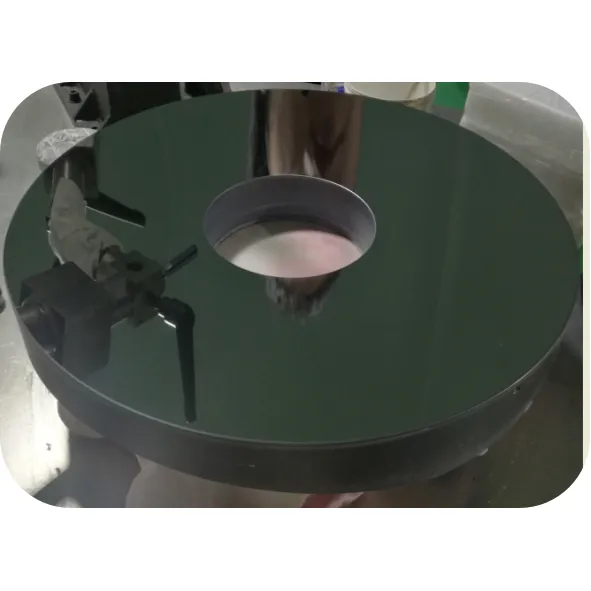
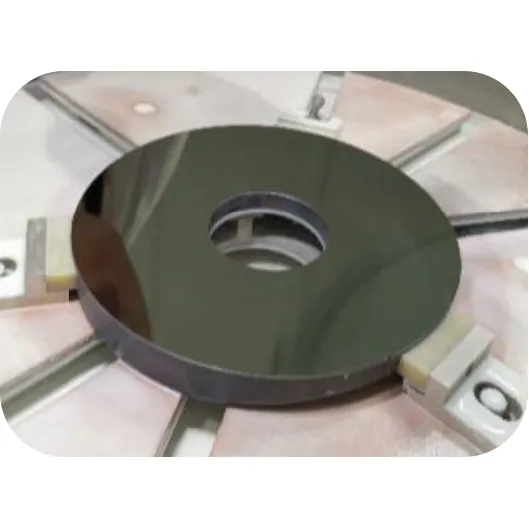
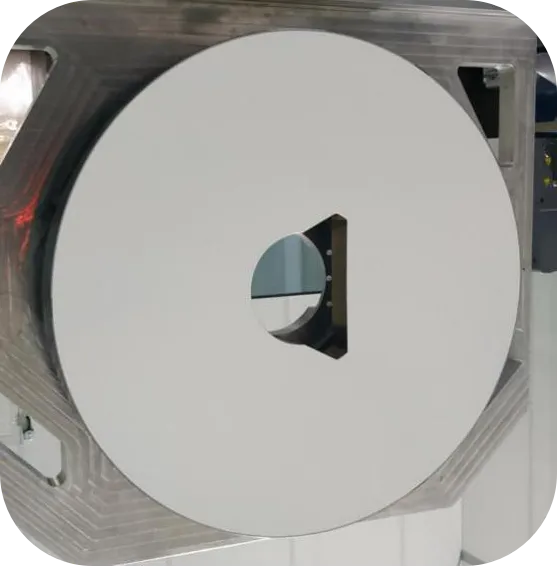
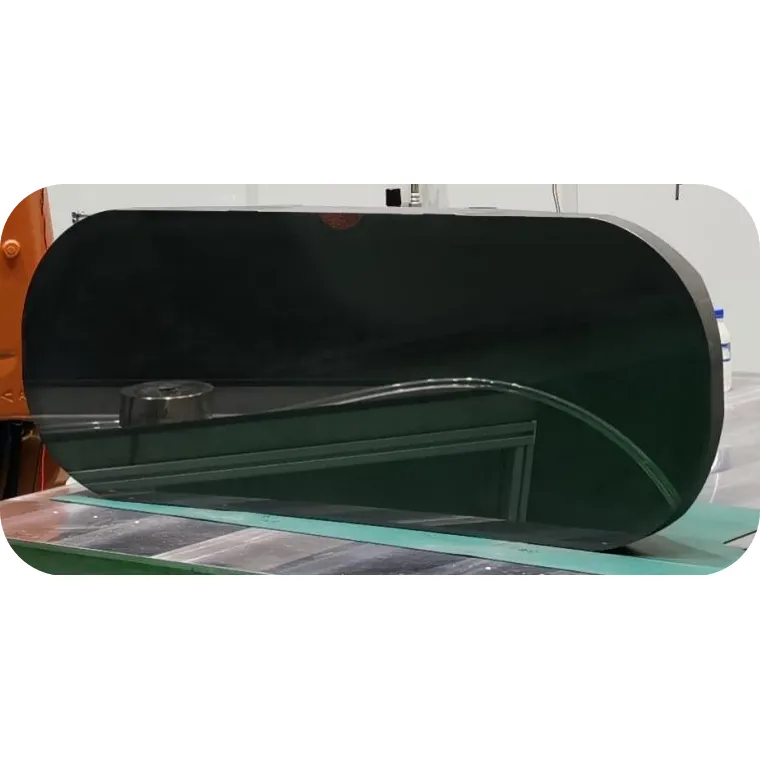
SpaceNavi Co.,Ltd.'s advanced silicon carbide reflective mirrors, integral components for high-performance satellite imaging.
Beyond SpaceNavi Co.,Ltd., the competitive landscape features other significant players pushing innovation across various segments of the satellite industry:
- Kongsberg Satellite Services (KSAT): A global leader in ground station services, providing vital communication links for a multitude of satellite missions. Their infrastructure is critical for the effective component use of all space-borne systems, including those equipped with advanced camera mirrors.
- Orbcomm: Specializing in satellite IoT solutions, Orbcomm’s robust network facilitates machine-to-machine communication, enabling global tracking and monitoring capabilities. Their services depend on reliable satellite payloads, where precise optical component types contribute to overall system efficacy.
- Planet Labs: Known for its extensive constellation of Earth observation satellites, Planet Labs delivers daily imagery of the entire landmass of Earth. The sheer volume and consistency of their data underscore the importance of scalable and high-quality optical components, including the camera mirrors that capture these vital images.
- Eutelsat OneWeb: A leading provider of global broadband connectivity through its LEO constellation. Their success relies on a complex interplay of satellite design and ground infrastructure, where every component plays a role in delivering seamless internet access.
- Various emerging LEO ground segment and satellite IoT solution providers: A dynamic ecosystem of startups and established firms innovating across the ground segment, developing new ways to process, analyze, and disseminate satellite data, further solidifying the value chain for sophisticated component types like advanced camera mirrors.
These companies, alongside innovative Chinese manufacturers like SpaceNavi Co.,Ltd., are collectively driving the advancements that will be on full display at SATELLITE 2025, showcasing the intricate and interconnected nature of the space industry.
Market Outlook & Opportunities: The Future is Bright for Space Components
The market for satellite component solutions, particularly high-precision optical elements like camera mirrors, is poised for significant expansion. Upcoming trends indicate a sustained increase in demand for smaller, more capable satellites, leading to a need for lighter, more durable, and more thermally stable component types. Buyers are increasingly seeking suppliers who can offer custom solutions tailored to specific mission requirements, with a strong emphasis on reliability and performance under extreme conditions.
Key opportunities will emerge from:
- Automation in Manufacturing: The ability to produce complex camera mirrors and other optical component with high precision and repeatability through advanced automation will be a significant differentiator. This reduces human error, speeds up production, and ensures consistent quality – paramount for space-grade products.
- Smart Manufacturing Techniques: Leveraging AI and data analytics in the manufacturing process for optical component types can lead to optimized designs, material usage, and predictive maintenance for machinery, driving down costs and improving efficiency.
- Sustainability in Space: As space becomes more crowded, there's growing pressure for sustainable practices, including the use of lighter materials, reduced waste in manufacturing, and potentially reusable component. Manufacturers offering innovative materials like Silicon Carbide for camera mirrors not only enhance performance but also contribute to making satellite payloads lighter, which translates to lower launch costs and a smaller environmental footprint. The entire component use lifecycle is under scrutiny for environmental impact.
- Miniaturization and Modularity: The trend towards smaller, more agile satellite platforms demands components that are not only high-performing but also compact and modular. Suppliers who can deliver miniaturized yet powerful camera mirrors and other optical elements will find a ready market.
- Enhanced Durability and Reliability: With extended mission lifetimes and increasing operational demands, the lifespan and resilience of every component are paramount. Manufacturers demonstrating superior testing protocols and material science for extreme conditions will gain significant market share.
The drive for innovation in these areas is creating fertile ground for businesses seeking to invest in advanced space component, particularly those originating from technologically adept regions like China.
Buyer/Business Takeaways: Strategic Investment in Advanced Space Optics
For B2B decision makers, the question isn't just about what's available, but why investing in advanced camera mirrors and other critical optical component makes strategic sense.
Why Invest in Advanced Camera Mirrors?
- Enhanced Performance: Superior camera mirrors lead to higher resolution, clearer images, and more accurate data from Earth observation and scientific missions. This directly translates to more valuable intelligence for diverse applications.
- Increased Mission Lifespan: Components built with advanced materials and precision engineering, like SpaceNavi’s silicon carbide mirrors, offer exceptional thermal stability and radiation hardness, extending the operational life of satellites. This significantly improves return on investment.
- Competitive Advantage: Integrating cutting-edge optical component types into your satellite payloads allows for capabilities that differentiate your services in a crowded market. Better imagery or data collection directly supports market leadership.
- Cost Efficiency (Long-Term): While initial investment might be higher for specialized components, their durability, performance, and ability to reduce mass (leading to lower launch costs) yield significant long-term savings and operational advantages. The overall component use cost becomes more favorable.
Tips for Adopting or Partnering with Chinese Manufacturers:
- Due Diligence: Thoroughly vet potential partners for their technical capabilities, quality control processes, and intellectual property protection policies. Look for manufacturers with international certifications and a proven track record in aerospace.
- Focus on Specialization: Companies like SpaceNavi Co.,Ltd. that specialize in specific advanced materials and manufacturing processes for optical component types often offer superior solutions compared to generalist suppliers.
- Clear Communication: Establish clear specifications, testing protocols, and communication channels from the outset. Cultural nuances can exist, so ensure mutual understanding of requirements and expectations, especially for complex component like camera mirrors.
- Long-Term Partnership Mentality: Chinese manufacturers are increasingly seeking long-term, collaborative relationships. Approach engagements with a view towards co-development and continuous improvement for your optical component use needs.
Future-Proof Strategies:
- Diversify Your Supply Chain: Relying on a single source for critical component types carries risks. Exploring partnerships with advanced manufacturers from China can provide redundancy and access to new innovations.
- Invest in R&D Collaboration: Engaging with manufacturers that have strong R&D capabilities, especially in materials science and optical engineering, can lead to custom-designed camera mirrors and other components perfectly suited for your future mission profiles.
- Stay Agile: The space industry is dynamic. Companies that can quickly adapt to new technological advancements and market demands, especially in component design and manufacturing, will thrive.
Conclusion: SATELLITE 2025 – A Gateway to the Future
SATELLITE 2025 is more than just an exhibition; it's a critical barometer for the global space market. It offers B2B decision makers an unparalleled opportunity to witness the cutting edge of satellite technology, understand emerging trends, and identify the strategic partnerships that will define success in the coming decade. The innovations in camera mirrors and other essential optical component types are a testament to the industry's relentless pursuit of higher performance and greater capabilities.
Chinese manufacturers, exemplified by SpaceNavi Co.,Ltd., are at the forefront of this evolution, offering advanced materials science and precision engineering critical for the next generation of space missions. Their expertise in creating sophisticated components, especially silicon carbide reflective mirrors, makes them invaluable partners for anyone looking to push the boundaries of Earth observation, satellite IoT, and beyond.
Ready to explore the future of precision optics for space applications?
Visit SpaceNavi Co.,Ltd. to Learn More About Silicon Carbide Reflective Mirrors










